I still remember the ‘aha’ moment I had on my sailboat when I realized I could double my storage space just by thinking vertically – and it’s the same magic that can transform your kitchen into a peaceful oasis. For years, I’ve been helping people discover the secret to maximizing their kitchen’s potential by learning how to use vertical space in a kitchen. It’s astonishing how often we overlook the simplest solutions, like installing hooks or magnets, to keep our countertops clutter-free. My experience living on a sailboat, where every inch counts, has taught me that with a little creativity, even the smallest kitchens can become functional and beautiful.
In this article, I’ll share my top tips and tricks for harnessing the power of vertical space to create a more efficient kitchen layout. You’ll learn how to assess your kitchen’s unique challenges, choose the right storage solutions, and implement a system that works for you. From hanging pots and pans to investing in space-saving shelves, I’ll guide you through the process of transforming your kitchen into a haven of calm and productivity. By the end of this guide, you’ll be equipped with the knowledge and inspiration to turn your kitchen into a peaceful and functional space that you’ll love spending time in.
Table of Contents
Guide Overview: What You'll Need
Total Time: 2 hours 30 minutes
Estimated Cost: $50 – $100
Difficulty Level: Intermediate
Tools Required
- Drill (with screwdriver and drill bits)
- Level (for ensuring shelves are straight)
- Tape measure (for accurate measurements)
- Stud finder (for locating wall studs)
- Pencil and marker (for marking wall and shelf positions)
Supplies & Materials
- 2-in x 4-in lumber (for shelf supports)
- 3/4-in plywood (for shelves)
- Wall anchors (for securing shelves to wall)
- Screws (for assembling shelves)
- Decorative trim (optional, for finishing shelves)
Step-by-Step Instructions
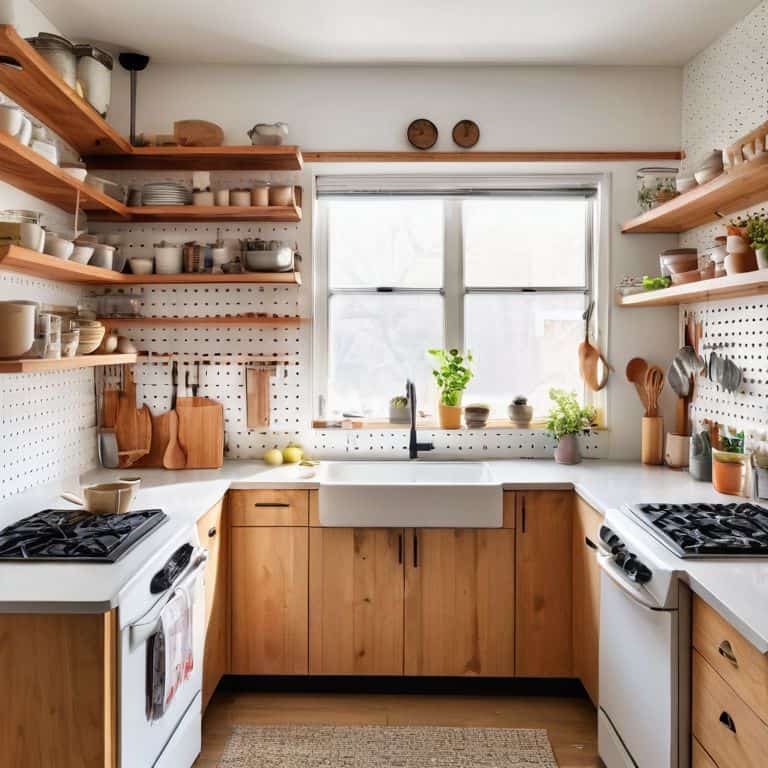
- 1. First, take a closer look at your kitchen walls and consider what you can hang from them. I like to think of walls as an untapped resource for storage, and with the right hooks and magnets, you can unlock a lot of extra space. Start by identifying the items you use most frequently, like pots, pans, and utensils, and think about how you can hang them in a way that makes them easy to access.
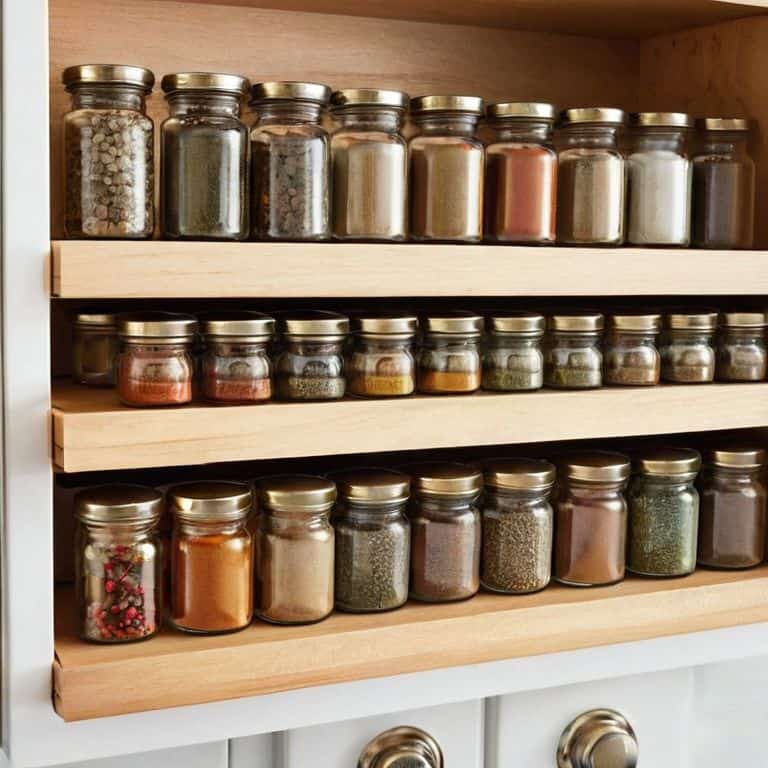
- 2. Next, invest in a few essential tools for maximizing your vertical space. This might include a pegboard for hanging items like colanders and strainers, a magnetic strip for spices or knives, and some sturdy hooks for hanging pots and pans. I’m a big fan of using magnets to keep my kitchen organized, and I’ve found that they can be especially useful for storing small items like spices or oils.
- 3. Now it’s time to think about layering your storage. This means using a combination of shelves, hooks, and other storage solutions to create a layered look that makes the most of your vertical space. For example, you might install a shelf for storing less frequently used items, and then hang hooks or a pegboard below it for items you use more often. The key is to create a system that makes it easy to access the things you need, without cluttering up your countertops.
- 4. One of my favorite ways to use vertical space in a kitchen is by installing a pot rack. Not only does this free up space in your cabinets, but it also adds a touch of elegance to your kitchen. Look for a pot rack that is sturdy and well-made, and consider installing it above a kitchen island or peninsula. This will create a beautiful focal point in your kitchen, and make it easy to access your pots and pans.
- 5. Another great way to maximize your vertical space is by using stackable containers. These can be used to store everything from flour and sugar to cleaning supplies and trash bags. Look for containers that are durable and easy to clean, and consider labeling them so you can easily see what’s inside. I like to use stackable containers to store my dry goods, like pasta and rice, and I’ve found that they can be a great way to keep my kitchen organized.
- 6. As you start to implement your vertical storage solutions, remember to keep your most frequently used items front and center. This means installing your hooks, shelves, and other storage solutions in a way that makes it easy to access the things you use most often. For example, you might install a hook for your favorite cooking utensils, or a shelf for your go-to spices and oils. The key is to create a system that makes it easy to cook and prepare meals, without having to dig through cluttered cabinets or drawers.
- 7. Finally, don’t forget to maintain your space over time. This means setting aside a few minutes each week to tidy up your kitchen, and making sure that everything is in its proper place. I like to set a reminder on my phone to clean out my kitchen every Sunday, and I’ve found that this helps me stay on top of clutter and keep my kitchen organized. By following these steps and staying committed to your system, you can create a kitchen that is both beautiful and functional, and that makes cooking and preparing meals a joy.
Sailing Into Efficiency
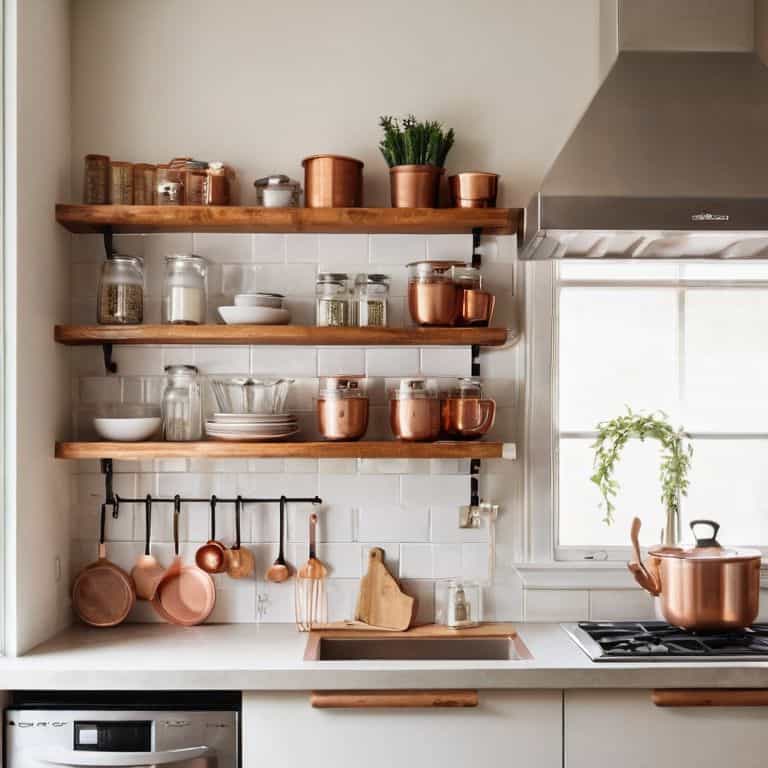
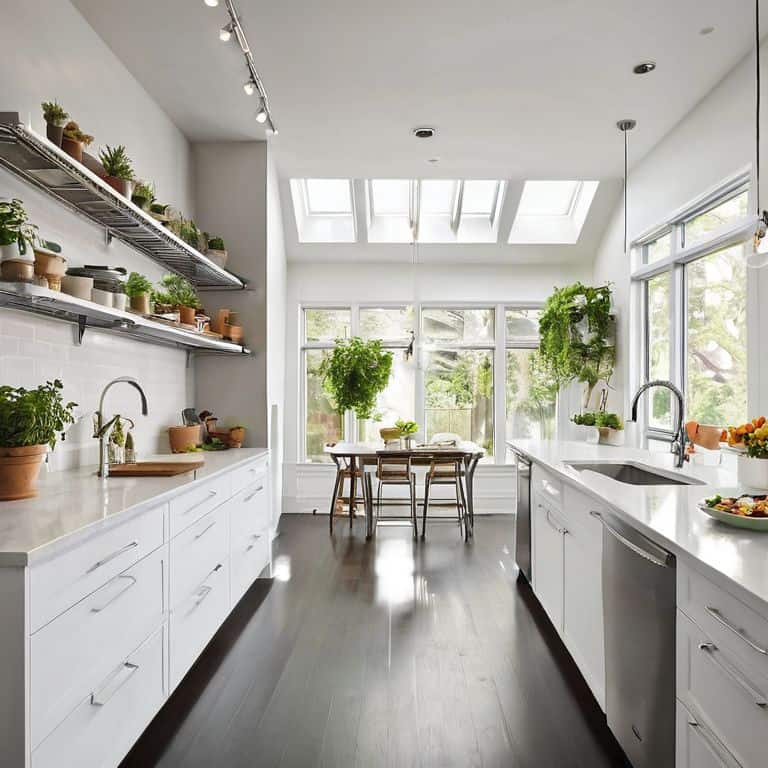
As I reflect on my time on the sailboat, I realize that maximizing kitchen storage was crucial to our daily lives. One of the most effective solutions we implemented was installing wall-mounted shelves. Not only did they keep our countertops clear, but they also added a touch of warmth to the space with the personal items we displayed on them. This approach can be easily replicated in any kitchen, and I always recommend it to my clients.
When it comes to optimal pot rack height, I’ve found that it’s all about striking a balance between accessibility and visual appeal. A well-designed pot rack can be a beautiful addition to your kitchen, but if it’s too high or too low, it can be more of a hindrance than a help. I like to think of it as a functional work of art, and I encourage my clients to consider their own unique needs and style when choosing a pot rack.
In my own kitchen, I’m a big fan of magnetic strip organization ideas. They’re a simple and affordable way to keep frequently used items, like spices or utensils, within easy reach. And, as an added bonus, they can help to free up cabinet space for less frequently used items. By incorporating a few clever storage solutions like these, you can create a kitchen that’s not only functional but also peaceful and enjoyable to be in.
Maximizing Kitchen Storage With Wall Shelves
As I Reflect on my sailboat days, I realized that wall shelves were a game-changer for kitchen storage. By installing shelves above my countertops, I was able to keep frequently used items within easy reach while maintaining a clutter-free workspace. This same principle applies to any kitchen, where wall shelves can be used to store spices, oils, and cooking utensils.
I recommend using adjustable shelves to accommodate items of varying sizes, and consider adding a lip or railing to prevent items from falling off. This simple yet effective solution can instantly double your kitchen’s storage capacity, making meal prep and cooking a breeze.
Unlocking Corner Kitchen Storage Solutions
As I navigated the tight spaces of my sailboat, I learned to cherish the often-wasted corner areas. In a kitchen, these spots can become treasure troves of storage. I recommend installing rotating corner cabinets or carousels, which bring items to you, rather than forcing you to dig through clutter. For a more budget-friendly option, consider using corner shelves or baskets that can be mounted to the wall, keeping essentials like spices, oils, or cleaning supplies within easy reach.
By harnessing the power of corners, you can free up valuable counter and cabinet space, creating a more streamlined and peaceful cooking environment. I’ve seen it time and again: when every inch counts, the difference between chaos and calm can be as simple as a well-placed corner solution.
5 Ways to Chart Your Course: Harnessing Vertical Space in Your Kitchen
- Install a pegboard on a wall or the side of a cabinet to hang frequently used utensils and tools, keeping them within easy reach while freeing up drawer space
- Use stackable containers or shelves to maximize the vertical space in your pantry or food storage areas, making the most of often-wasted space between the top shelf and the ceiling
- Add a wall-mounted folding table or shelf to provide additional counter space when needed, and fold it up against the wall when not in use to save floor space
- Invest in a ceiling-mounted pot rack to store cookware, keeping it organized and easily accessible while freeing up cabinet space for other essentials
- Utilize the space above your kitchen doors by installing a shelf or storage unit to store infrequently used items, such as special occasion dishes or cookbooks, keeping them out of the way but still accessible
Key Takeaways for a More Efficient Kitchen
I’ve found that by applying the same vertical storage principles I used on my sailboat, you can nearly double your kitchen’s storage capacity without sacrificing style or functionality
Implementing wall shelves, corner storage solutions, and clever cabinetry can help keep your kitchen countertops clear and your mind at ease, making cooking and meal prep a joy
Remember, the ‘one-in, one-out’ rule is key to maintaining your newly organized kitchen – for every new item you bring in, be sure to remove or donate an old one to keep your space peaceful and clutter-free
Embracing the Vertical
The key to unlocking a peaceful kitchen isn’t about having more space, but about using the space you have in a way that feels intentional and thoughtful – and that starts with looking up and embracing the vast potential of your vertical space.
Miles Corbin
Sailing into a More Organized Tomorrow
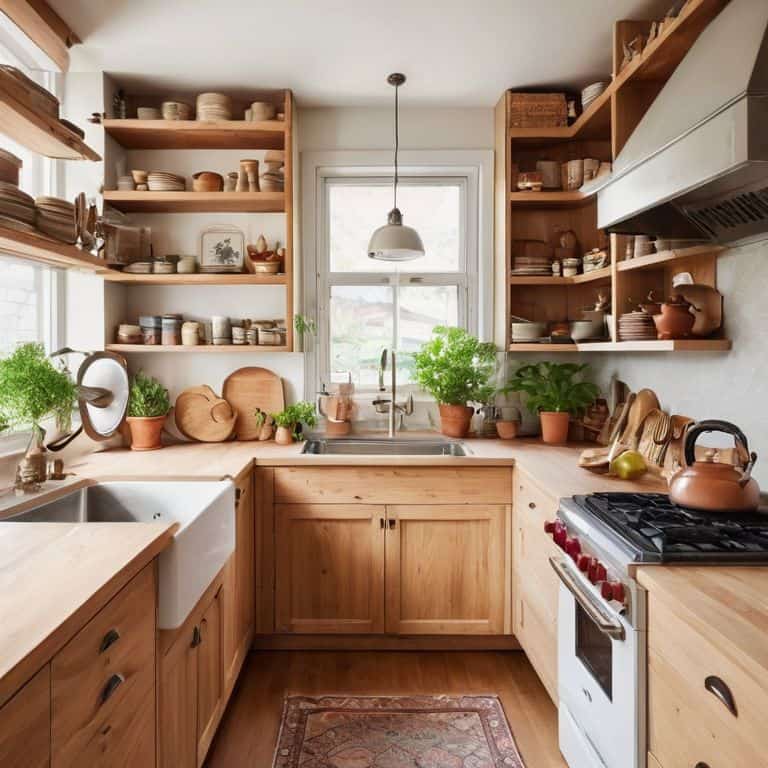
As we’ve explored the world of vertical space in the kitchen, I hope you’ve gained a new perspective on how to transform your cooking area into a peaceful oasis. We’ve discussed the importance of maximizing wall shelves and unlocking corner storage solutions to make the most of your kitchen’s potential. By applying these simple yet clever strategies, you’ll be able to create a more efficient and organized space that sparks joy every time you step into it.
So, as you embark on your own journey to optimize your kitchen’s vertical space, remember that it’s all about embracing the art of minimalism and finding creative ways to make the most of every inch. Don’t be afraid to think outside the box and come up with your own innovative storage solutions – and most importantly, have fun with the process of transforming your kitchen into a space that truly feels like home.
Frequently Asked Questions
How can I determine the optimal height for my wall shelves to maximize vertical storage in my kitchen?
To determine the optimal height for your wall shelves, consider the items you’ll be storing and your own comfort. I like to use the ‘easy reach’ rule: place frequently used items between waist and shoulder height, and less frequently used items above or below. This balance ensures you’re maximizing vertical space without straining your back.
What types of items are best suited for storage on high shelves, and how can I ensure they are easily accessible?
I recommend storing infrequently used items like special occasion dishes, cookbooks, or out-of-season kitchen gadgets on high shelves. To ensure accessibility, consider installing a sliding ladder or a foldable step stool, and use baskets or bins with labels to keep items organized and easy to retrieve.
Are there any creative ways to use the space between wall studs or behind cabinet doors to increase vertical storage in a small kitchen?
I love exploiting hidden spaces. Between wall studs, consider installing slim shelves or hooks for spices, oils, or cleaning supplies. Behind cabinet doors, use over-the-door storage racks or adhesive hooks for frequently used items like kitchen utensils or oven mitts. These secret stashes will keep your kitchen clutter-free and your vertical space working overtime.