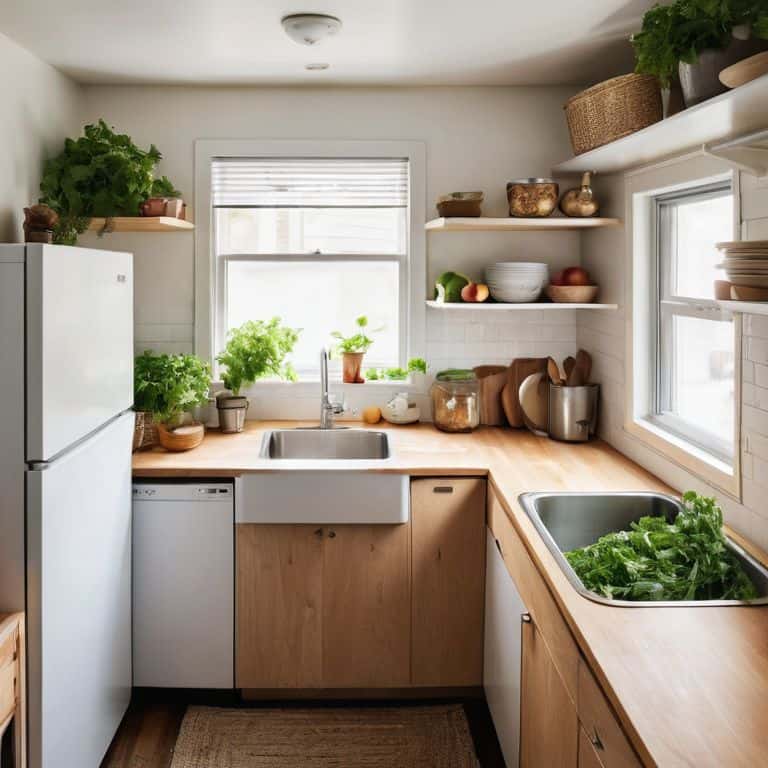
I still remember the day I realized I was contributing to the staggering amount of food waste in our city. I was rummaging through my tiny kitchen, trying to find something to eat, when I stumbled upon a moldy leftovers container that had been sitting in the fridge for weeks. It was a wake-up call, and I knew I had to change my ways. As someone who’s passionate about living a sustainable lifestyle, I was determined to learn how to reduce food waste and make a positive impact on my community. I started by implementing small changes in my daily routine, like planning my meals and using up every last bit of food in my kitchen.
Through my journey, I’ve discovered that reducing food waste is not just about saving money or helping the environment – it’s also about living more mindfully. In this article, I’ll share my personal tips and tricks on how to reduce food waste, from creative meal planning to clever storage solutions. I’ll show you how to make the most of your kitchen, no matter how small it may be, and provide you with practical advice on how to reduce your waste and live a more sustainable life. Whether you’re a fellow city dweller or just someone looking to make a positive change, I invite you to join me on this journey towards a more waste-free lifestyle.
Table of Contents
Guide Overview: What You'll Need
Total Time: 1 hour 30 minutes
Estimated Cost: $0 – $20
Difficulty Level: Easy
Tools Required
- Pencil (for planning and note-taking)
- Whiteboard or Chalkboard (for meal planning)
- Measuring Cups and Spoons (for accurate measurements)
- Container or Bin (for storing food scraps)
- Freezer Bags or Containers (for freezing leftovers)
Supplies & Materials
- Reusable Bags or Containers (for storing food)
- Labels and Markers (for labeling and dating stored food)
- First-In-First-Out Shelf Organizer (for organizing food storage)
- Compost Bin (for composting food waste)
- Recipe Book or Online Recipe Resource (for finding creative ways to use leftovers)
Step-by-Step Instructions
- 1. First, do this: take stock of your current kitchen habits and identify where food waste tends to occur. For me, it was about noticing how often I’d throw away wilted vegetables or leftover rice. By becoming more mindful of my consumption patterns, I was able to pinpoint areas for improvement and start making changes.
- 2. Next, implement a “first in, first out” policy in your kitchen. This means that older items should be placed at the front of your shelves or in the most visible parts of your fridge, so they’re used before they expire. I’ve found that using clear containers helps me see what I have, reducing the likelihood of something getting lost in the back and going to waste.
- 3. Plan your meals for the week ahead of time, and make a grocery list accordingly. This helps prevent buying too much of any one item, which can often lead to waste. Since my apartment is small, I don’t have the space to store a lot of extra food, so this step has been crucial in maintaining a balanced and efficient kitchen.
- 4. Learn to love your leftovers. I used to think that leftovers were boring, but I’ve since discovered the joy of repurposing last night’s dinner into tomorrow’s lunch. It’s all about finding creative ways to reuse what you already have. For example, turning last night’s roast chicken into chicken salad for lunch, or using leftover vegetables in a soup.
- 5. Shop your local farmer’s markets or join a community-supported agriculture (CSA) program. Not only does this support the local economy, but it also helps reduce packaging waste. Plus, the produce is often fresher and of higher quality, which means it’s less likely to go bad before you can use it.
- 6. Compost, compost, compost. Even in my small apartment, I’ve managed to set up a mini composting station on my balcony. This has been a game-changer for reducing my waste output. By turning food scraps into nutrient-rich soil, I’m able to create a sustainable cycle that benefits both my kitchen and my community garden.
- 7. Finally, don’t be too hard on yourself if you do end up with some food waste. It’s inevitable, and the goal is to reduce waste, not eliminate it entirely. The key is to be consistent in your efforts and to always be looking for new ways to improve. Whether it’s trying out new recipes, preserving food through canning or freezing, or simply being more mindful of your consumption, every little bit counts.
Feast Mode Reduce Food Waste
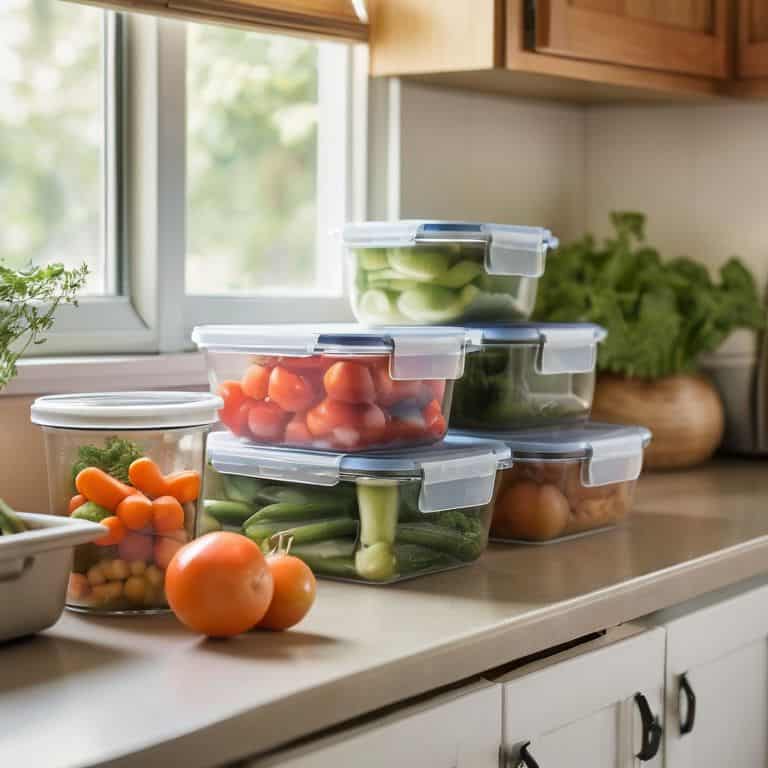
As I continue to explore ways to minimize waste in my tiny kitchen, I’ve discovered the importance of food storage containers for small kitchens. These handy tools have been a game-changer, allowing me to keep my ingredients fresh and organized. I’ve also been experimenting with creative ways to use leftover vegetables, like turning last night’s dinner into tomorrow’s lunch. It’s amazing how a little bit of planning can make a big difference.
One of my favorite strategies is using meal planning apps to help me stay on track. These apps allow me to plan my meals for the week, make a grocery list, and even provide recipes for using up leftovers. It’s been a huge help in reducing waste and saving me time and money. I’ve also started implementing best practices for grocery shopping, like buying in bulk and choosing items with minimal packaging.
By making a few simple changes, like using composting at home for food scraps, I’ve been able to significantly reduce my waste. It’s not only good for the environment, but it’s also helped me connect with my community through zero waste cooking techniques workshops and potlucks. I’ve learned that living in a small space doesn’t have to mean living with waste – it can actually be an opportunity to live more mindfully and creatively.
Composting at Home for Zero Waste
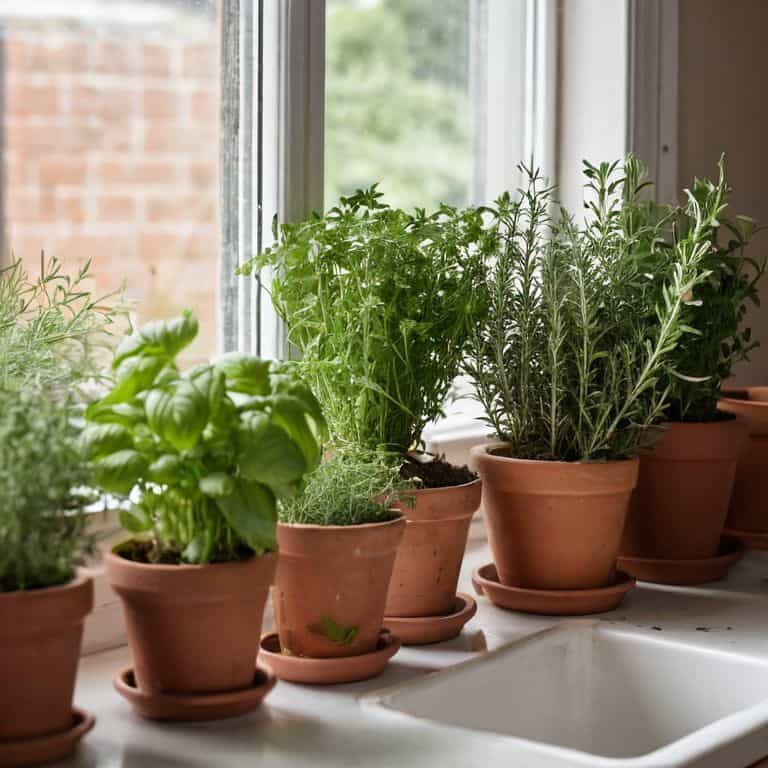
Composting at home has been a game-changer for me, turning food scraps into nutrient-rich soil for my tiny herb garden. I invested in a compact composting bin that fits perfectly under my kitchen sink, making it easy to toss in fruit peels, vegetable scraps, and tea bags. It’s amazing how much waste I’ve diverted from landfills, and my plants are thriving as a result. This simple practice has not only reduced my waste but also connected me to the community – I often swap tips and fresh produce with my neighbors who also compost.
Tiny Kitchen Hacks Food Storage Containers
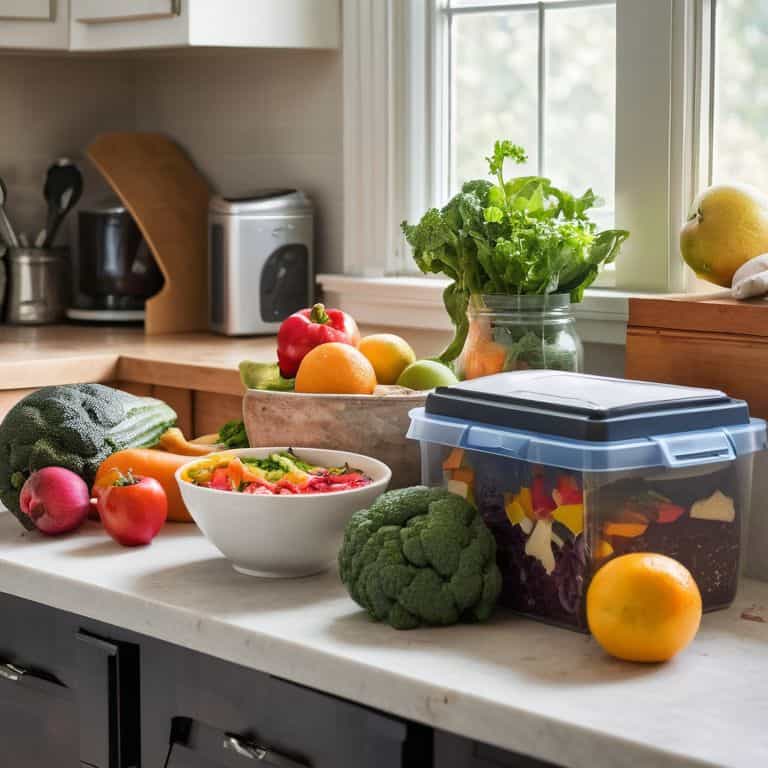
In my tiny kitchen, storage is key to reducing waste. I’ve learned to love food storage containers – they’re a game-changer. I use stackable, multi-sized containers to store leftovers, keeping them fresh and visible. This simple hack has reduced my food waste significantly. I can see what I have, and I’m more likely to use it before it goes bad.
I’ve also repurposed old jars and containers to store spices, oils, and other essentials, keeping my countertops clutter-free. This minimalist approach forces me to be creative and intentional with my food storage, ensuring that everything has a purpose and a place. It’s amazing how such a small change can make a big impact on reducing waste and living more sustainably.
Savoring the Savings: 5 Tips to Reduce Food Waste in Your Kitchen
- My favorite trick is to plan meals around what’s already in my fridge, reducing the likelihood of expired or unused ingredients
- I’ve learned to shop my local farmer’s market, buying only what I need and supporting the community in the process
- Implementing a ‘first-in, first-out’ policy in my tiny kitchen has been a game-changer, ensuring older items get used before they go bad
- Getting creative with leftovers has become a fun challenge, from turning last night’s dinner into tomorrow’s lunch to making homemade broth with leftover veggies
- Freezing items like bread, herbs, and even eggs has been a revelation, allowing me to preserve food for later and reduce waste in the process
Embracing a Zero-Waste Lifestyle: Key Takeaways
By implementing simple storage solutions like multi-use containers and baskets, I’ve been able to significantly reduce food waste in my own tiny kitchen, proving that size doesn’t matter when it comes to making a positive impact
Composting at home, even with limited space, can be a game-changer for reducing waste and creating a nutrient-rich soil for my community garden, highlighting the importance of community involvement in sustainable living
Through my journey of minimizing food waste, I’ve learned that it’s not just about the practical steps, but also about shifting our mindset to value experiences and connections over consumption, and that’s what I hope to inspire in others through my story
Food for Thought
The art of reducing food waste isn’t just about saving scraps, it’s about savoring the stories and moments we create around the table, in the kitchen, and in our communities.
Noah Burton
Living with Less Waste, Living with More Joy
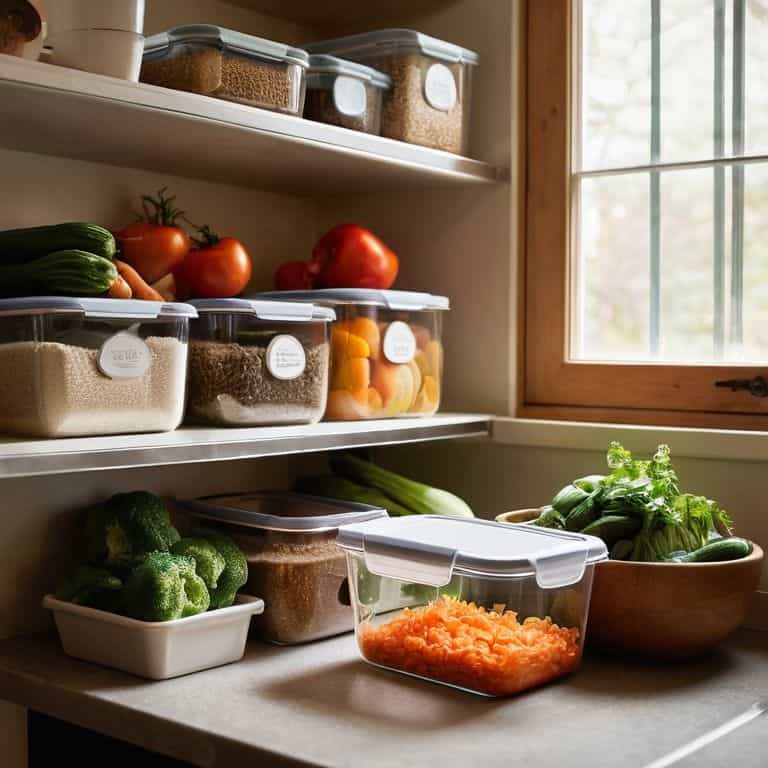
As I reflect on my journey to reduce food waste in my tiny kitchen, I’m reminded of the simple yet powerful strategies that have made a significant impact. From utilizing versatile food storage containers to implementing a composting system, every small change has contributed to a larger shift in my mindset. I’ve learned to appreciate the value of mindful consumption and the joy of creating delicious meals with minimal ingredients. By embracing these habits, I’ve not only reduced my waste but also cultivated a sense of community and connection with like-minded individuals.
As we strive to create a more sustainable future, let’s not forget that every small step counts. By adopting a zero-waste mindset, we can transform our daily lives and make a profound impact on the environment. So, let’s continue to explore, create, and inspire one another to live with intention and purpose. Remember, the true measure of a rich life is not in the square footage of our homes, but in the experiences we create and the positive impact we have on the world around us.
Frequently Asked Questions
What are some creative ways to repurpose leftovers in a small kitchen?
I love getting creative with leftovers in my tiny kitchen. One trick is to turn last night’s dinner into tomorrow’s lunch by repurposing ingredients into new dishes, like turning roast chicken into chicken salad or using leftover veggies in a stir-fry. It’s amazing how a little imagination can reduce waste and save time.
How can I effectively plan my grocery shopping to avoid buying too much food that may go to waste?
For me, it’s all about planning ahead. I make a weekly meal calendar and stick to it, buying only what I need. I also keep a “use up” list for ingredients nearing expiration, ensuring they get used in creative ways. It’s amazing how a little intention can reduce waste and save money!
What are some space-saving composting methods for urban dwellers with limited outdoor space?
For urban composting, I swear by indoor worm composters or compact electric units that fit under my sink. They’re perfect for small spaces and turn food scraps into nutrient-rich fertilizer with minimal fuss. Plus, they’re odor-controlled, so no worries about stinking up my 400-square-foot pad!