As I stand in my tiny kitchen, gazing at the glass vs plastic food storage containers that line my shelves, I’m reminded of the age-old dilemma: which one is truly worth the precious counter space? We’ve all been there – torn between the eco-friendly appeal of glass and the lightweight convenience of plastic. But let’s get real, when you’re working with limited square footage, every storage solution has to earn its keep. I’ve spent years testing and retesting various containers, and I’m convinced that most of us are wasting space and money on subpar products.
In this article, I promise to cut through the clutter and provide you with a no-nonsense comparison of glass and plastic food storage containers. I’ll share my personal experience with each type, highlighting the pros and cons of each, and give you a clear idea of which ones are worth investing in. My goal is to help you make an informed decision that will streamline your kitchen and simplify your life. I’ll be ruthless in my assessment, weighing the benefits of each against their actual value in a small kitchen like mine. By the end of this article, you’ll know exactly which containers deserve a spot in your kitchen, and which ones are just taking up valuable space.
Table of Contents
Glass Food Storage Containers
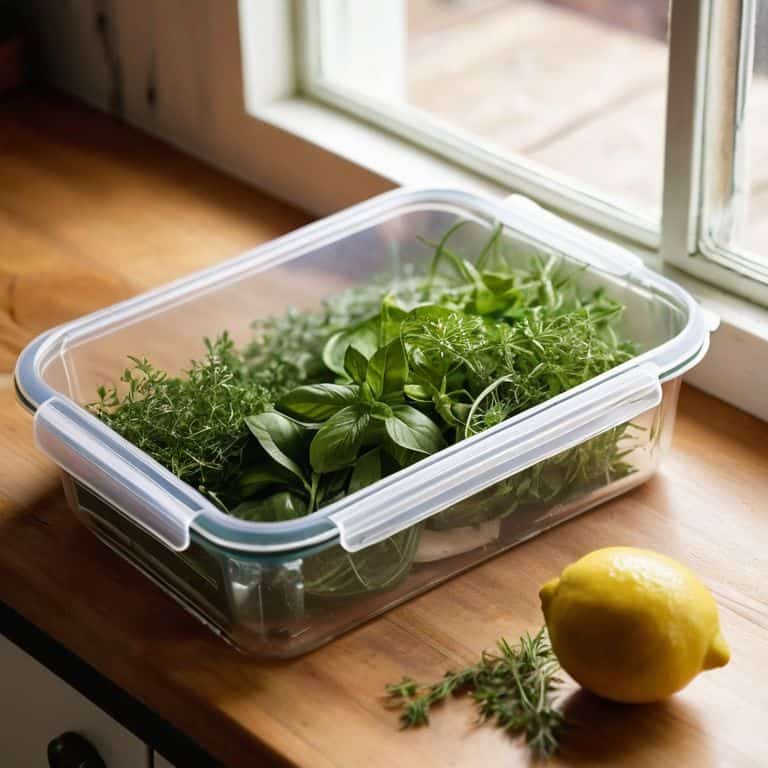
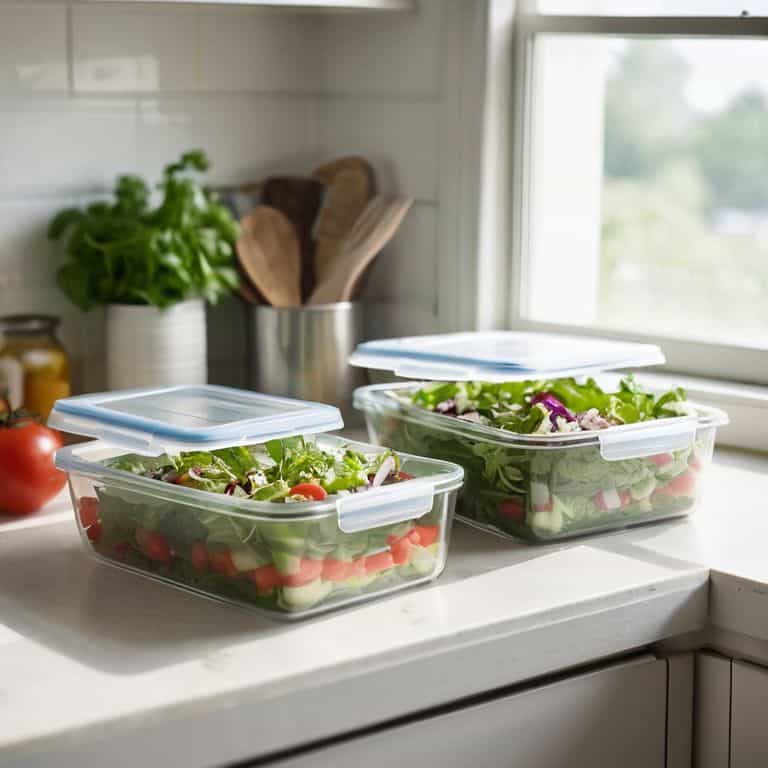
Glass food storage containers are defined as a type of kitchenware made from glass materials, designed to store and preserve food, with the main selling point being their non-toxic and non-reactive properties. The core mechanism of glass containers involves using airtight lids to prevent moisture and air from entering the container, thereby keeping food fresh for a longer period. This feature is particularly highlighted in the context of glass vs plastic food storage containers, where glass is often preferred for its durability and safety.
In my experience with one-bag travel and minimalism, I’ve found that glass food storage containers are a great example of a multi-use item that can be used for both storing food and serving. For instance, I use my glass containers to pack lunches and snacks, and they also double as a serving dish when I’m on-the-go. This versatility is a major plus, especially when counter space is limited, as it allows me to have fewer items in my kitchen while still being able to perform multiple functions.
Plastic Food Storage Containers
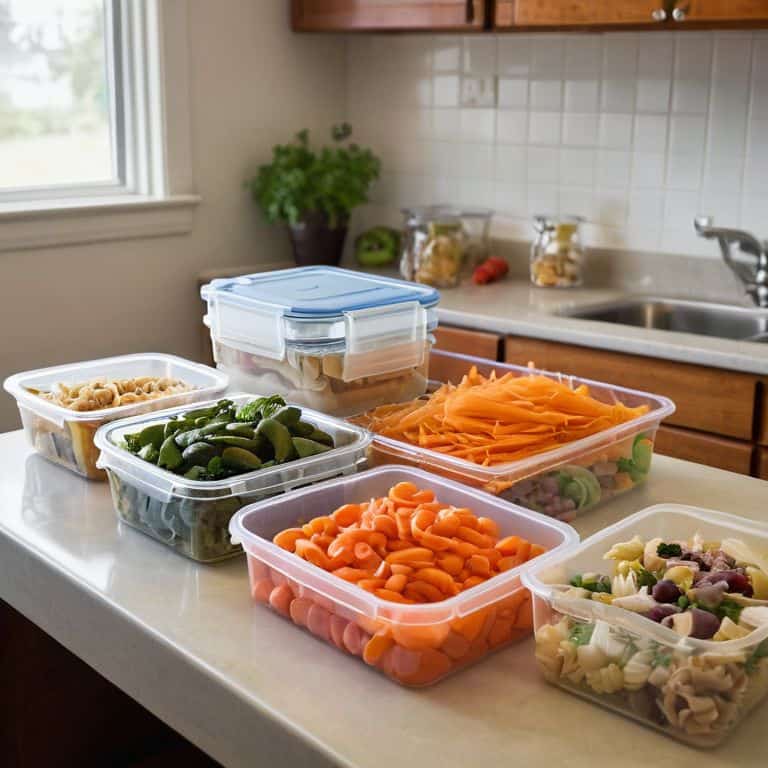
Plastic food storage containers are a type of kitchenware made from plastic materials, designed to store and preserve food, with the main selling point being their lightweight and inexpensive properties. The core mechanism of plastic containers involves using a variety of materials, such as polypropylene or polyethylene, to create a durable and flexible container that can be used for a range of food storage needs. When considering glass vs plastic food storage containers, plastic containers are often preferred for their portability and affordability.
As someone who values minimalist design, I appreciate the simplicity and functionality of plastic food storage containers. However, I also believe in investing in high-quality items that will last, rather than buying cheap, single-use products that may end up in a landfill. In the context of plastic food storage containers, this means looking for containers made from BPA-free materials and designed with durability in mind, rather than just opting for the cheapest option available.
Head-to-Head Comparison: Glass vs Plastic Food Storage Containers
| Feature | Glass | Plastic |
|---|---|---|
| Price | Moderate to High | Low to Moderate |
| Key Feature | Non-toxic, durable, microwave safe | Lightweight, inexpensive, versatile |
| Best For | Long-term food storage, reheating | On-the-go meals, outdoor activities |
| Environmental Impact | Eco-friendly, recyclable | Less eco-friendly, often not recyclable |
| Durability | Highly durable, resistant to scratches | Less durable, prone to scratches and cracks |
| Health Safety | Non-toxic, safe for hot foods | May contain BPA or other chemicals, less safe for hot foods |
| Aesthetic Appeal | Visually appealing, clear glass | Less visually appealing, opaque or colored plastic |
Glass vs Plastic Food Storage
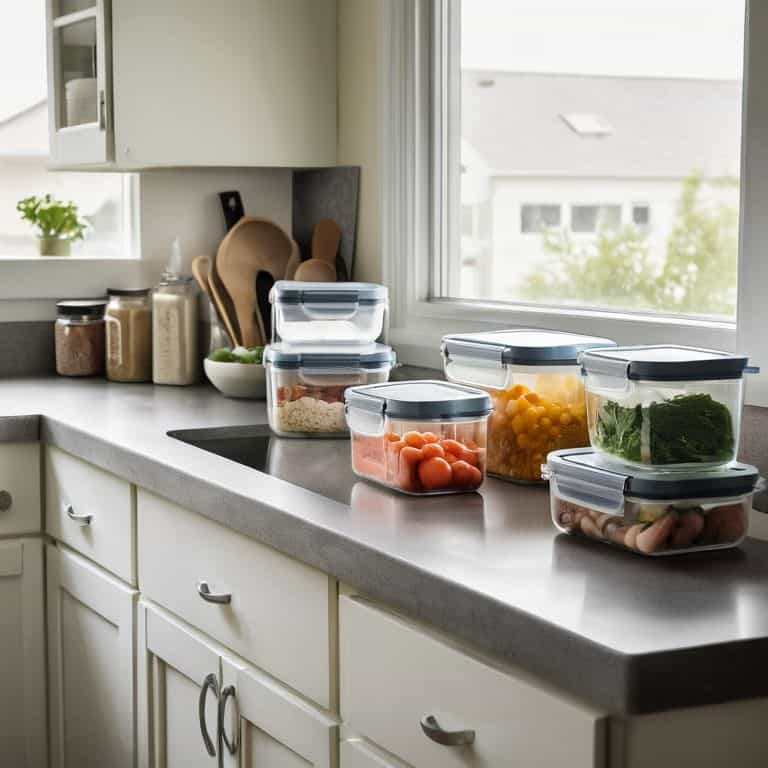
When it comes to food storage containers, the material they’re made of can greatly impact our daily lives, especially in tiny kitchens where counter space is gold. The debate between glass and plastic food storage containers is a crucial one, as it affects not only the organization of our kitchens but also the preservation of our food.
In a head-to-head analysis, glass containers are more non-porous, which means they won’t absorb stains or odors like plastic ones can. However, plastic containers are often lighter and more stackable, making them easier to store and transport. On the other hand, glass containers are generally more durable and can withstand extreme temperatures, whereas plastic containers may become brittle or warped.
In conclusion, when it comes to the criterion of practicality, glass containers are the clear winner. Their non-toxic and durable nature makes them a better investment for long-term use, even if they may require a bit more care and maintenance than their plastic counterparts.
Key Takeaways: Streamlining Your Kitchen Storage
I’ve found that glass storage containers are generally more durable and non-porous, making them a better choice for storing acidic or oily foods, but they can be heavier and more expensive than plastic alternatives
When it comes to convenience, plastic storage containers often win out due to their lightweight design and ease of stacking, but be aware that they may retain food odors and stains over time
Ultimately, the best choice between glass and plastic food storage containers comes down to your personal priorities: if you value durability and food safety, glass may be the better option, but if you’re looking for a budget-friendly, space-saving solution, plastic could be the way to go
The Verdict on Storage
In the pursuit of a clutter-free kitchen, the choice between glass and plastic food storage containers isn’t just about aesthetics or eco-friendliness; it’s about which one will earn its keep on your precious counter space without sacrificing functionality or durability.
Clara Finch
The Final Verdict: Which Should You Choose?
After weighing the pros and cons of glass and plastic food storage containers, it’s clear that both have their strengths and weaknesses. Glass containers are generally more durable and non-toxic, but they can be heavier and more expensive. On the other hand, plastic containers are often more affordable and lightweight, but they may contain harmful chemicals and are more prone to scratches. Ultimately, the decision between glass and plastic comes down to your personal priorities and needs.
So, who wins in the end? Glass containers are the clear winner for those who value durability and health, and are willing to invest in a few high-quality pieces. However, plastic containers are still a great option for those on a tight budget or who need a large number of containers. As someone who’s passionate about minimalism, I recommend investing in a few multi-use glass containers that can be used for both storage and serving – they’re worth the extra cost in the long run.
Frequently Asked Questions
Are glass food storage containers more prone to breaking and chipping than plastic ones?
Honestly, yes, glass containers are more prone to breaking and chipping, but I’ve found that high-quality ones, like those from Pyrex or Anchor Hocking, are surprisingly durable. That being said, if you’re a klutz like me, plastic might be a better bet – but let’s weigh the pros and cons, shall we?
Do plastic food storage containers contain harmful chemicals like BPA that can leach into food?
Honestly, some plastics do contain BPA, which can leach into food. But many brands now offer BPA-free options. When shopping for plastic containers, look for the “BPA-free” label to minimize risks. That being said, if you’re like me, you might still prefer glass to avoid any potential chemical concerns altogether.
Can glass and plastic food storage containers be used in the microwave or freezer, and are there any specific safety precautions to follow?
When it comes to microwave and freezer safety, not all containers are created equal. Glass containers are generally safe for both, but check for any metal trim. Plastic containers, on the other hand, may melt or warp in the microwave, and not all are freezer-safe. Always check the manufacturer’s guidelines to avoid any mishaps.