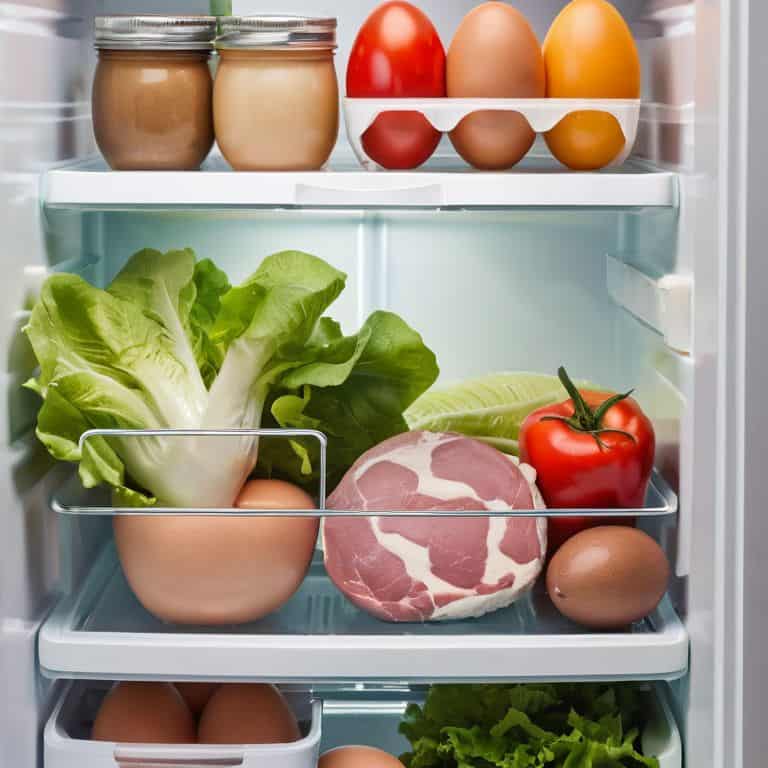
I still remember the days when my tiny kitchen would be overflowing with groceries, only to have half of them go to waste. It was a hard habit to break, but I finally learned how to stop buying groceries you don’t use. The truth is, most of us have been misled into believing that buying in bulk is the key to saving money, but it often ends up being a recipe for disaster. I’ve found that it’s all about being mindful of our shopping habits and taking a few simple steps to adjust our approach.
In this article, I’ll share my personal story of transformation, from a grocery guzzler to a minimalist chef. You’ll learn exactly how to stop buying groceries you don’t use and start cooking with intention. I’ll provide you with practical tips on meal planning, grocery shopping, and food storage, all tailored to the unique challenges of small-space living. By the end of this guide, you’ll be equipped with the knowledge and skills to break free from the cycle of food waste and start living a more sustainable lifestyle.
Table of Contents
Guide Overview: What You'll Need
Total Time: 1 hour 30 minutes
Estimated Cost: $0 – $10
Difficulty Level: Easy
Tools Required
- Pen (for planning and tracking)
- Paper (for making a grocery list)
- Calculator (for budgeting and estimating costs)
Supplies & Materials
- Reusable Shopping Bags (to reduce impulse buys)
- Meal Planning Calendar (to organize and schedule meals)
- Pantry Organization Containers (to store and display groceries)
Step-by-Step Instructions
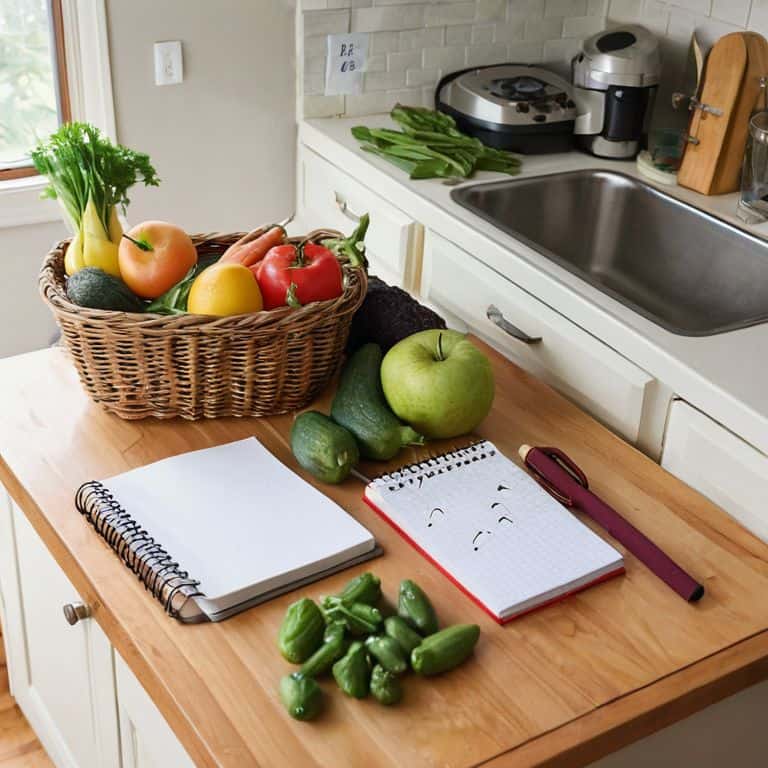
- 1. First, I want to encourage you to take a good hard look at your shopping habits and identify the areas where you tend to overbuy or purchase items that often go to waste. For me, it was a matter of tracking my expenses and making a note of the items that I consistently threw away. This simple exercise helped me become more mindful of my shopping list and plan my meals more effectively.
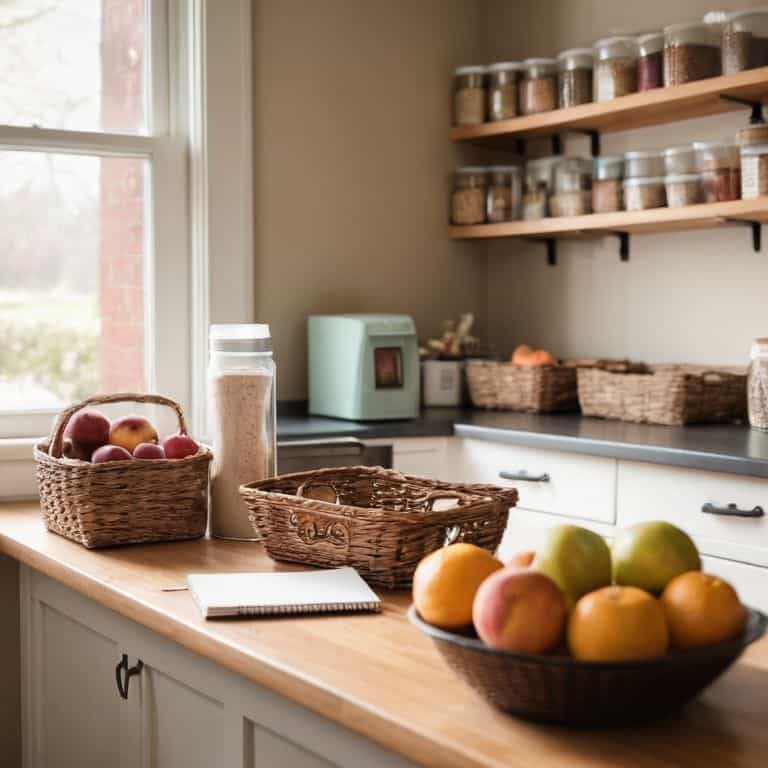
- 2. Next, I recommend that you clean out your pantry and get rid of any expired or unused items. This will not only help you declutter your kitchen, but it will also give you a better idea of what you already have on hand. As someone who’s passionate about living simply, I can attest that a tidy pantry is a great starting point for reducing food waste.
- 3. Now, let’s talk about meal planning. I used to think that planning my meals ahead of time would be too restrictive, but it’s actually been a game-changer for me. By taking some time to plan out my meals for the week, I can make a more targeted grocery list and avoid buying items that I don’t need. Plus, it’s helped me discover some amazing new recipes and cooking techniques.
- 4. When you’re at the grocery store, try to stick to your list as much as possible. It can be tempting to grab extra items or try new products, but remember that these impulse purchases often end up going to waste. Instead, focus on buying high-quality ingredients that will help you create delicious, satisfying meals.
- 5. Another strategy that’s worked for me is to shop my fridge and pantry first. Before I head to the grocery store, I take stock of what I already have on hand and plan my meals around those ingredients. This not only helps reduce waste, but it also saves me money and gets me out of a cooking rut.
- 6. I also want to emphasize the importance of understanding expiration dates. Did you know that many foods are still safe to eat even after their expiration date has passed? By learning more about food safety and what those dates really mean, you can reduce your waste and make the most of the food you buy.
- 7. Finally, I encourage you to get creative with using up leftovers. Whether it’s turning last night’s dinner into tomorrow’s lunch or using leftover vegetables in a soup or stir-fry, there are countless ways to breathe new life into yesterday’s food. Not only will this help reduce waste, but it will also save you time and money in the long run.
Stop Buying Unused Groceries
As I reflect on my own journey to avoiding food waste at home, I realize that it all started with a simple mindset shift. I used to think that buying in bulk was the key to saving money, but I ended up throwing away more food than I care to admit. Now, I make it a point to plan my meals around sales and only buy what I need for the week. This approach has not only reduced my waste but also helped me discover new recipes and flavors.
One of the most effective strategies I’ve adopted is shopping from a pantry inventory. Before I head to the store, I take stock of what I already have at home and make a list of what I need to complement my existing supplies. This approach has helped me avoid duplicate purchases and reduce clutter in my pantry. By understanding expiration dates and using up items before they go bad, I’ve also been able to minimize waste and save money.
By implementing these simple yet effective strategies, I’ve been able to reduce pantry clutter and make the most of my grocery budget. It’s all about being intentional with my shopping habits and finding creative ways to use up what I already have. Whether it’s planning meals around what’s on sale or getting creative with leftovers, I’ve found that living large in my little space is all about effective grocery list management and a willingness to think outside the box.
Raiding the Pantry for Clues
Raiding the Pantry for Clues
When I started taking stock of my pantry, I was amazed at how many unused items I had accumulated. It was like a treasure trove of forgotten purchases. I found expired spices, stale crackers, and even a can of soup that was past its prime. But instead of just tossing everything, I used it as an opportunity to reflect on my shopping habits. I asked myself, “What made me buy this in the first place?” and “Why didn’t I use it?” This exercise helped me identify patterns and make more mindful decisions at the grocery store. By raiding my pantry, I gained valuable clues about my consumption habits and was able to adjust my shopping list accordingly.
Shopping From Your Inventory First
For me, the game-changer was shopping from my inventory first. I used to walk into the grocery store with a list, but now I start by scanning my pantry, fridge, and freezer. It’s amazing how often I find ingredients that can be combined into a meal or snack. This simple habit has reduced my grocery waste and saved me money. By looking at what I already have, I can plan meals around what needs to be used up, rather than buying duplicate items or letting things expire. It’s a small shift in mindset, but it’s made a big difference in how I approach grocery shopping and meal planning.
Pantry Pilgrimage: 5 Keys to Unlocking a Waste-Free Grocery Game
- Take stock and track: Start by documenting everything you have in your pantry, fridge, and freezer – it’s astonishing how much you can forget you have, and this list will be your new best friend
- Shop your shelves first: Before you head out to buy more, take a good hard look at what you already have at home – you might be surprised at the meals you can whip up with a little creativity
- Plan your meals around what’s about to expire: Get into the habit of checking expiration dates and planning your meals around the items that are nearing their end – it’s a great way to reduce waste and get inventive with recipes
- Buy in bulk, but only if you’ll use it: It can be tempting to stock up on items that are on sale, but be honest with yourself – will you really use 10 pounds of rice before it goes bad?
- Make a ‘use-up’ list: Identify the items in your pantry that you’ve been putting off using and make a list of recipes that incorporate them – it’s a great way to get inspired and avoid letting good food go to waste
Living Large in Small Spaces: 3 Key Takeaways
I’ve learned to break free from the grocery guilt cycle by adopting a ‘shop my inventory first’ approach, which has not only reduced my food waste but also helped me discover new recipes and flavors in my tiny kitchen
Raiding my pantry for clues has become a monthly ritual, where I take stock of what I have, what’s expiring soon, and plan my meals around it – it’s amazing how much money and time I’ve saved by doing so
By shifting my focus from buying more to using what I already have, I’ve been able to host dinner parties for friends in my 400 square foot apartment, proving that a rich life is indeed about experiences, not square footage
Breaking Free from Grocery Guilt
The key to stopping the cycle of buying unused groceries isn’t about changing what you buy, but about changing how you think about what you already have – it’s about seeing your pantry as a treasure trove of possibilities, not a storage unit for forgotten dreams.
Noah Burton
Breaking Free from Grocery Guilt
As I reflect on my journey to stop buying groceries I don’t use, I’m reminded of the power of small, intentional changes. By raiding my pantry for clues, shopping from my inventory first, and being more mindful of my purchases, I’ve not only reduced waste but also discovered a more fulfilling way of living. It’s amazing how these simple steps can add up to make a significant impact on our daily lives and the environment. I’ve learned to appreciate the value of living with less and finding joy in the everyday moments, like hosting dinner parties in my small apartment or exploring new neighborhoods on foot.
So, as you embark on your own path to grocery guilt freedom, remember that it’s not just about changing your shopping habits, but about cultivating a deeper connection to your community, your space, and yourself. By embracing the beauty of small-space living and focusing on experiences over possessions, you’ll find that the best stories truly do come from the coziest spaces. Keep exploring, keep discovering, and most importantly, keep living large in your little space.
Frequently Asked Questions
How can I effectively organize my pantry to ensure I'm using up all the ingredients before they expire?
For me, pantry organization is all about visibility and accessibility. I use stackable containers and labels to keep everything in sight, and I group similar items together. That way, I can see what I have and what’s nearing expiration, making it easier to plan meals and snacks that use up those ingredients before they go to waste.
What strategies can I use to avoid impulse buying at the grocery store and stick to my shopping list?
For me, it’s all about being intentional at the store. I make a list, and I stick to it. I also try to shop the perimeter of the store first, where the whole foods are, to avoid tempted by processed snacks. And, I never shop when I’m hungry – that’s just a recipe for impulse buys!
How can I plan my meals around what I already have at home to reduce food waste and save money?
For me, it’s all about doing a weekly pantry raid to see what I’ve got lurking in the shelves. I make a list of what’s about to expire or go stale, and then I plan my meals around those ingredients. It’s amazing how creative you can get with what you already have on hand!