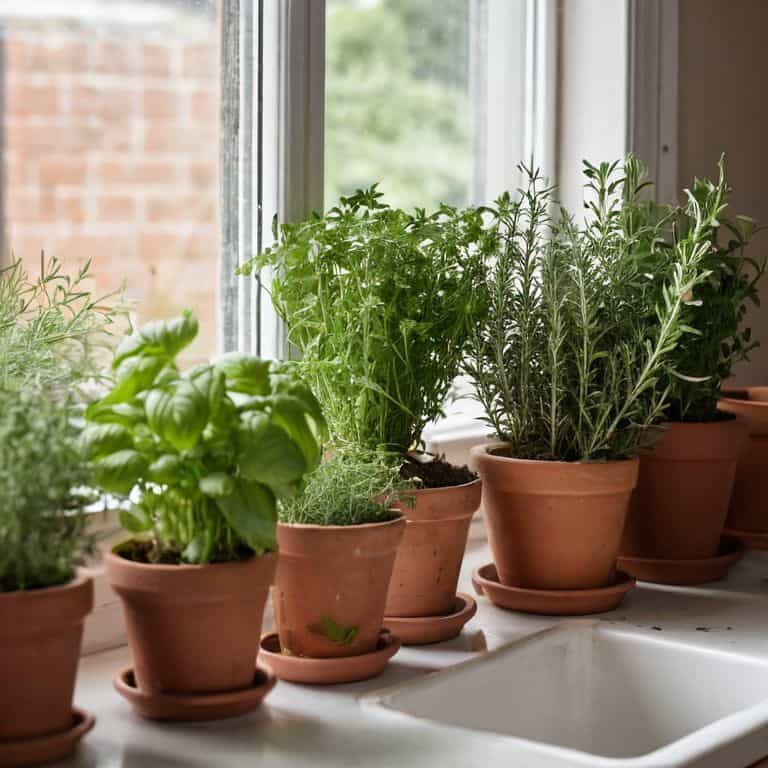
I still remember the day I decided to turn my tiny apartment into a culinary haven with a guide to a windowsill herb garden. It was a eureka moment, really – I realized that having a small space didn’t mean I had to sacrifice flavor or freshness. In fact, I’ve found that a well-curated windowsill herb garden can be a game-changer for any urban dweller looking to elevate their cooking. The myth that you need a sprawling backyard to grow your own herbs is just that – a myth. With a little creativity and the right guidance, anyone can create a thriving herb garden in even the coziest of spaces.
As someone who’s passionate about minimalist living, I’ve learned that it’s all about maximizing the potential of every inch. In this article, I’ll share my personal tips and tricks for creating a vibrant windowsill herb garden that will take your cooking to the next level. From choosing the right herbs for your space to troubleshooting common pitfalls, I’ll provide you with honest, no-hype advice on how to make the most of your windowsill. Whether you’re a seasoned gardener or a curious beginner, this guide is designed to help you unlock the full potential of your tiny apartment and start sowing your own stories – one delicious, fragrant herb at a time.
Table of Contents
Guide Overview: What You'll Need
Total Time: 1 hour 30 minutes
Estimated Cost: $20 – $40
Difficulty Level: Easy
Tools Required
- Trowel for potting soil
- Pruning scissors for trimming herbs
- Measuring tape for measuring windowsill space
- Pencil for marking planters
Supplies & Materials
- 6 inches deep planters with drainage holes
- Potting soil specifically designed for herbs
- Herb seeds or seedlings choose your preferred herbs
- Watering can for gentle watering
- Mulch or small rocks for decoration and moisture retention
Step-by-Step Instructions
- 1. First, choose the right herbs for your windowsill garden – I personally love a mix of basil, rosemary, and thyme, as they’re not only delicious but also relatively easy to care for. Consider the amount of sunlight your window gets and pick herbs that fit the bill, as some require more direct sunlight than others.
- 2. Next, select pots that fit your window’s style and have good drainage – I’m a fan of terra cotta pots because they’re not only aesthetically pleasing but also help regulate the soil’s moisture. Make sure the pots are at least 6-8 inches deep to give the roots of your herbs plenty of room to grow.
- 3. Now it’s time to prepare the soil – I like to use a high-quality potting mix that’s specifically designed for indoor plants. Avoid using soil from your garden, as it can compact and prevent proper drainage. Fill your pots with the potting mix, leaving about an inch at the top for watering.
- 4. Plant your herbs, making sure not to overcrowd the pots – less is more when it comes to the number of plants per pot. I usually plant one or two herb plants per pot, depending on their size. Water the soil gently but thoroughly after planting, and make sure the pots are in a spot where they’ll get the right amount of sunlight.
- 5. Water your herbs carefully – overwatering is a common mistake that can lead to root rot and other problems. Check the soil daily, and only water when it feels dry to the touch. I also like to use a watering can with a long spout to make it easier to water my plants without spilling.
- 6. Fertilize your herbs regularly to keep them healthy and thriving – I use a balanced, water-soluble fertilizer that’s specifically designed for indoor plants. Dilute the fertilizer to half the recommended strength to avoid burning the roots of your herbs. Apply the fertilizer once a week, and watch your herbs grow and flourish.
- 7. Finally, prune your herbs regularly to encourage bushy growth and prevent them from becoming leggy – pruning is an art that requires some practice, but it’s essential for keeping your herbs healthy and productive. Use scissors or pinch off individual leaves to encourage new growth, and enjoy the fresh flavors and aromas of your homegrown herbs.
A Guide to a Windowsill Herb Garden
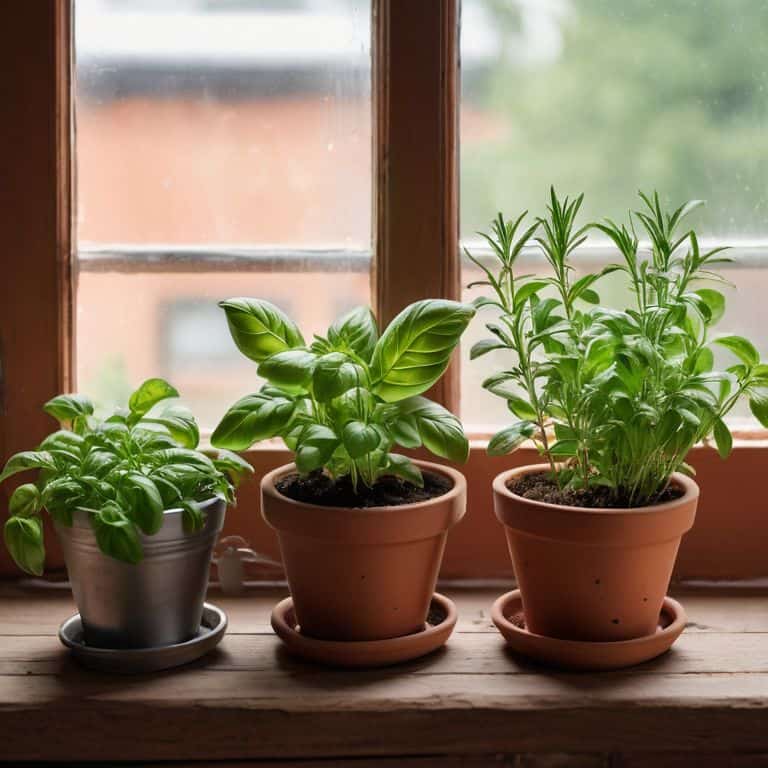
As I tend to my windowsill herb garden, I’m reminded of the joys of indoor herb gardening for beginners. It’s amazing how a few simple steps can lead to a thriving garden, even in the smallest of spaces. I’ve found that choosing the best herbs for windowsill gardens, such as basil and rosemary, can make all the difference in the success of my garden.
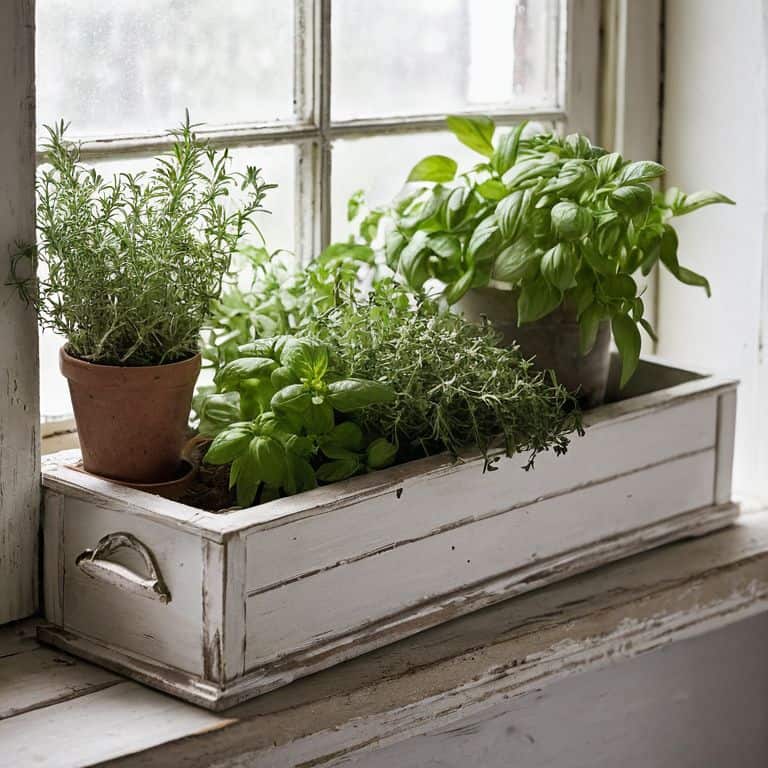
One of my favorite things about windowsill gardening is the opportunity to get creative with diy herb planters from recycled materials. I’ve used old mason jars, wooden crates, and even plastic bottles to create unique planters that add a personal touch to my garden. Not only is this approach eco-friendly, but it also allows me to express my personality and style.
To keep my garden thriving year-round, I’ve learned a few tips for growing herbs year round. One of the most important things is to ensure that my plants are receiving the right amount of sunlight and water. I’ve also had to deal with my fair share of common herb garden pests and solutions, but with a little patience and persistence, I’ve been able to keep my garden pest-free and flourishing.
Growing Year Round With Diy Flair
As I experiment with my windowsill herb garden, I’ve discovered that a little creativity can make it thrive year-round. I’ve started repurposing old jars and containers to create mini indoor greenhouses, perfect for nurturing delicate herbs during the colder months. This DIY approach not only adds a personal touch but also allows me to enjoy fresh flavors regardless of the season.
By embracing this DIY flair, I’ve found that my windowsill herb garden has become an integral part of my tiny apartment’s charm. It’s amazing how something as simple as a self-watering planter or a handmade trellis can elevate the entire space, making it feel more vibrant and alive. As I tend to my herbs, I’m reminded that even in the smallest of spaces, there’s always room for growth and innovation.
Sowing Sunshine in Small Spaces
Sowing Sunshine in Small Spaces
I’ve found that my windowsill herb garden brings more than just fresh flavors to my tiny apartment – it’s a mood booster. There’s something therapeutic about nurturing those little pots of green goodness. On gloomy days, the soft sunlight filtering through the leaves is like a warm hug. It’s amazing how a small strip of greenery can transform the ambiance of my 400 square feet into a cozy oasis. As I tend to my herbs, I feel connected to the outdoors, even when I’m snug inside.
Nurturing Nature on Your Windowsill: 5 Essential Tips
- I’ve found that using self-watering pots is a game-changer for my windowsill herb garden – it’s amazing how much stress it’s reduced on busy weeks
- Experimenting with different herb combinations has become a fun ritual for me, and I’ve discovered that pairing basil with rosemary creates this incredible aroma that fills my entire apartment
- Making the most of the space, I’ve started using a trellis system for my herbs, and it’s not only added a decorative touch but also maximized my window’s potential
- I’ve learned that pruning my herbs regularly doesn’t just keep them healthy, but it also encourages new growth – it’s a great metaphor for life, isn’t it?
- Hosting dinner parties in my tiny apartment has become so much easier with my windowsill herb garden; I can just snip off a few fresh leaves and add them to whatever dish I’m making, and it always impresses my guests
Nurturing Life in Small Spaces: 3 Key Takeaways
I’ve learned that a windowsill herb garden is more than just a decorative piece – it’s a gateway to a world of flavors and aromas that can elevate any meal, from a simple pasta dish to a complex curry, and bring people together in my tiny apartment
By embracing the DIY spirit and getting creative with recycled materials, I’ve found that it’s possible to create a thriving herb garden even in the smallest of spaces, and that the process of nurturing these plants can be just as rewarding as the end result
Whether you’re a seasoned gardener or a beginner, the joy of watching your herbs grow and flourish on a sunny windowsill is unparalleled, and it’s a reminder that even in the most urban of environments, we can still cultivate a sense of community and connection through our shared love of nature and good food
Sowing Wisdom
A windowsill herb garden is more than just a decorative touch – it’s a declaration of intention to nurture life, flavor, and community in even the smallest of spaces.
Noah Burton
Sowing the Seeds of Joy
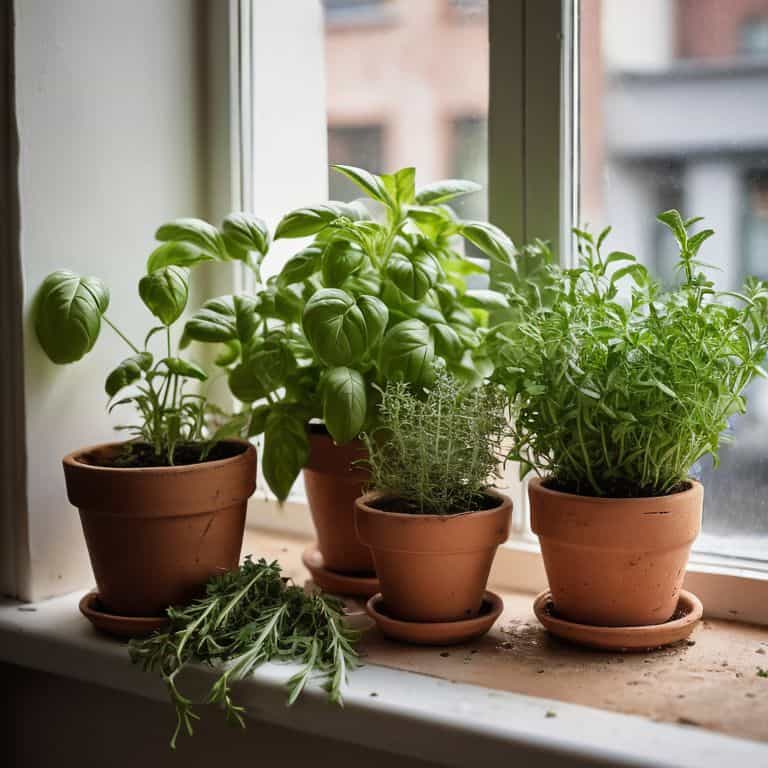
As I look back on our journey through creating a thriving windowsill herb garden, I’m reminded of the power of small spaces. We’ve covered the essentials: from choosing the right herbs to DIY hacks for year-round growth. My own experience with a tiny apartment has taught me that it’s not about the size of the space, but about how we utilize it. By embracing the concept of a windowsill herb garden, we can bring a touch of greenery into our lives, even in the most unlikely of places.
So, as you tend to your newly planted herbs, remember that it’s not just about the practical benefits – it’s about the sense of community and connection that comes with sharing a home-cooked meal with loved ones. My windowsill herb garden has become a staple of my dinner parties, and I’m confident that yours will do the same. Let’s celebrate the joys of small-space living and the endless possibilities that come with it, one delicious, herb-infused meal at a time.
Frequently Asked Questions
What are the most suitable herbs for a windowsill garden in a small apartment with limited sunlight?
In my tiny apartment, I’ve found that low-maintenance herbs like mint, parsley, and chives thrive in limited sunlight. They’re perfect for adding fresh flavor to dishes, and they’re incredibly forgiving if I forget to water them from time to time. Plus, they’re compact and can fit in small pots, making them ideal for a cozy windowsill garden.
How often should I water my windowsill herb garden to prevent overwatering or underwatering?
I water my windowsill herb garden when the top inch of soil feels dry to the touch, usually every 2-3 days. I also make sure not to get water on the leaves to avoid fungal diseases. It’s all about finding that sweet spot – my herbs thrive when I keep the soil consistently moist, but not waterlogged.
Can I grow a windowsill herb garden in a north-facing window, and if so, which herbs are best suited for low-light conditions?
I’ve had success with north-facing windows too – they just require a bit more planning. For low-light conditions, I recommend herbs like mint, parsley, and chives, which thrive in partial shade. Even in my tiny apartment, I’ve coaxed these hardy herbs into flourishing, adding freshness to my cooking all year round.