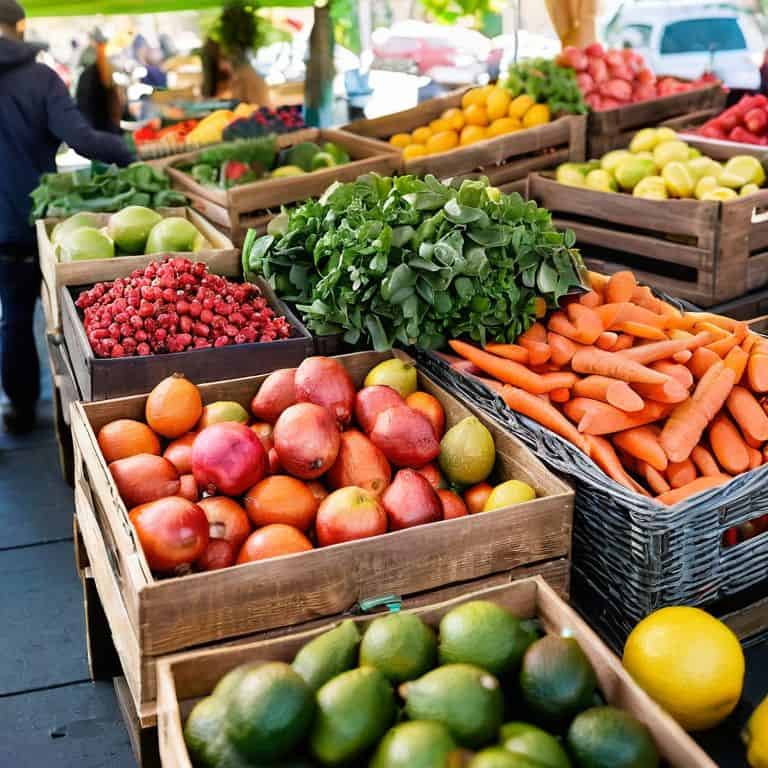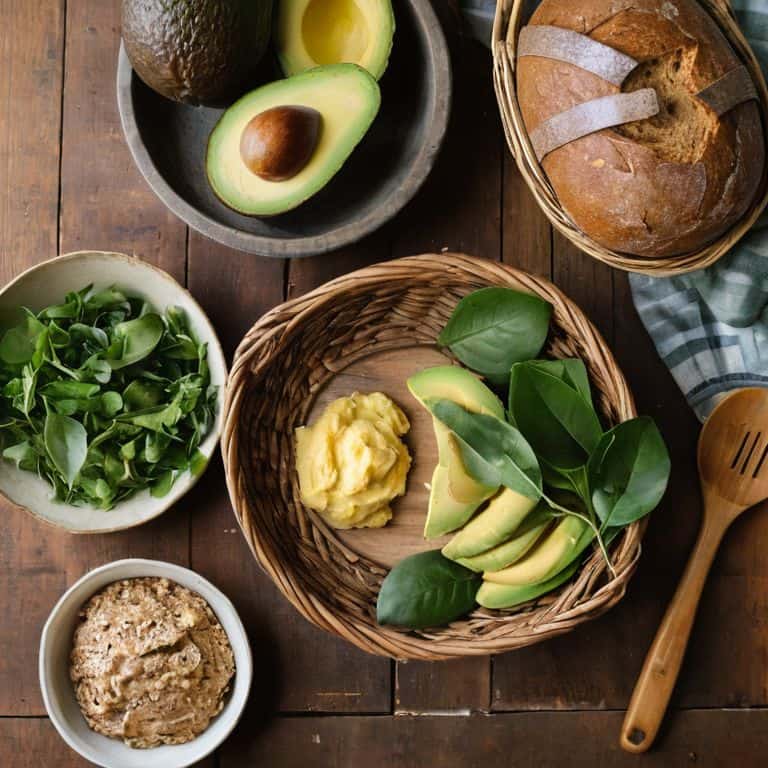
As a holistic nutritionist, I’ve seen many individuals struggle with creating a healthy grocery list for one on a budget. It’s a challenge that can be daunting, especially when living in a small space with limited kitchen storage. However, I firmly believe that nourishing your body shouldn’t have to compromise your financial stability or require a large kitchen. The key to overcoming this hurdle lies in being mindful of the ingredients we choose and how we utilize them.
In this article, I’ll share my top 5 essential items for a healthy grocery list for one on a budget. You’ll learn how to make the most of your grocery shopping trip, reducing food waste and saving money in the process. By incorporating these budget-friendly staples into your daily meals, you’ll be well on your way to creating delicious, nutrient-dense dishes that will leave you feeling satisfied and empowered to take control of your health. Get ready to discover the simplicity and joy of cooking with intention and making the most of your tiny kitchen.
Table of Contents
Fresh Picks for Pennies
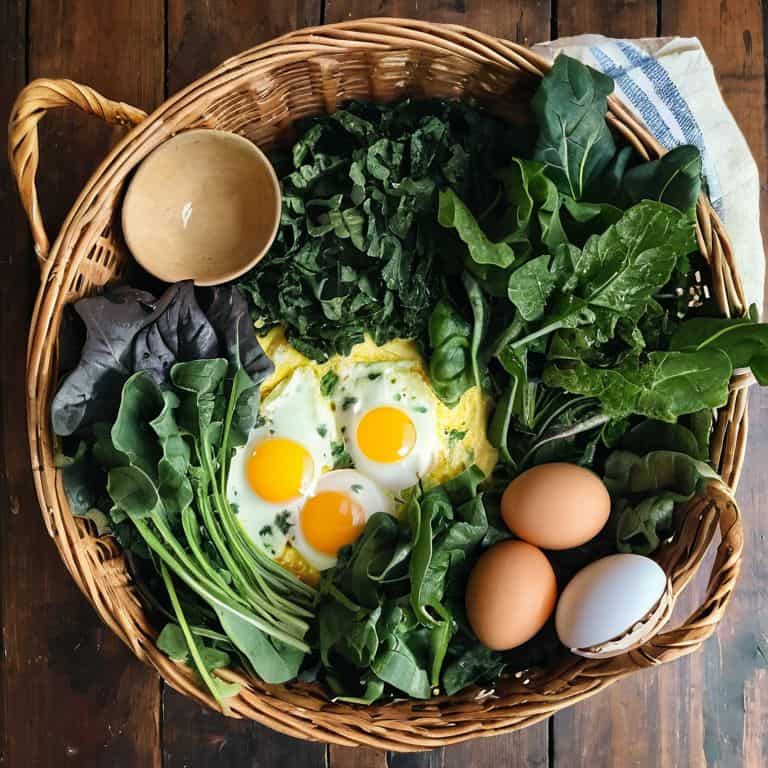
As a holistic nutritionist, I’m always on the lookout for affordable and nutritious options. One of my favorite items for a healthy grocery list on a budget is leafy greens like kale or spinach. These veggies are packed with essential vitamins and minerals and can be used in a variety of dishes, from smoothies to sautéed sides. I love adding them to my morning omelets or using them as a bed for my favorite proteins. Plus, they’re often priced lower than other greens, making them a great value for the nutritional punch they pack. By incorporating leafy greens into your diet, you can boost your energy levels and support overall health. I also like to use them in my root-to-stem cooking experiments, where I try to use every part of the ingredient to reduce waste and get the most out of my grocery budget.
Protein Power on a Budget
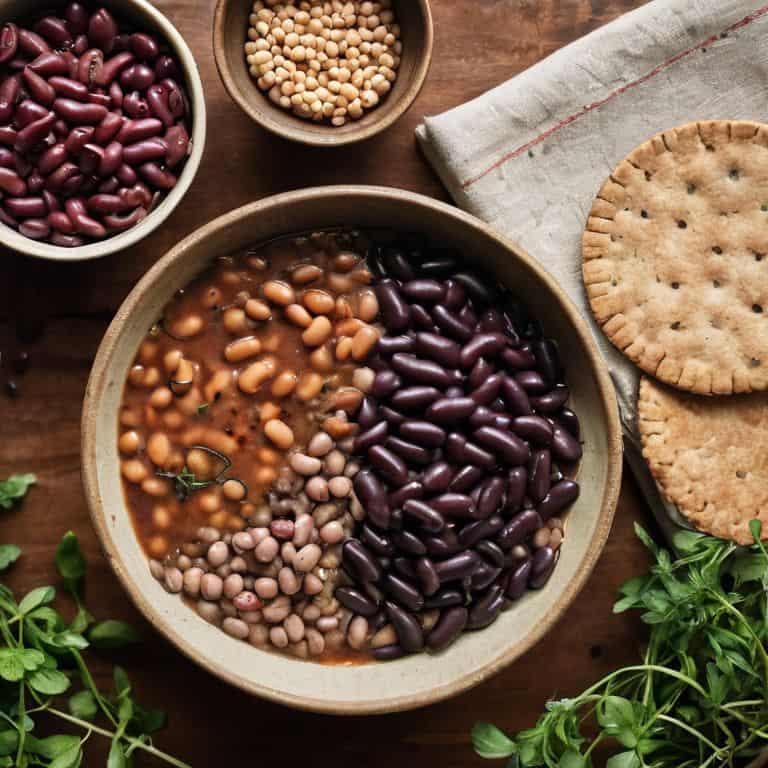
Another staple on my list is canned beans, which are an excellent source of protein and fiber. I like to stock up on black beans, chickpeas, and kidney beans, which can be used in everything from salads to stir-fries. Not only are they budget-friendly, but they’re also incredibly versatile, and can be seasoned in a variety of ways to add flavor to your meals. I often use them to make hearty stews or as a topping for my favorite whole grain dishes. By incorporating canned beans into your diet, you can support healthy digestion and reduce your environmental impact. Plus, they’re a great way to add some plant-based protein to your meals without breaking the bank. I also appreciate that they can be stored for long periods of time, making them a great option for tiny kitchens with limited storage space.
Whole Grain Wonders
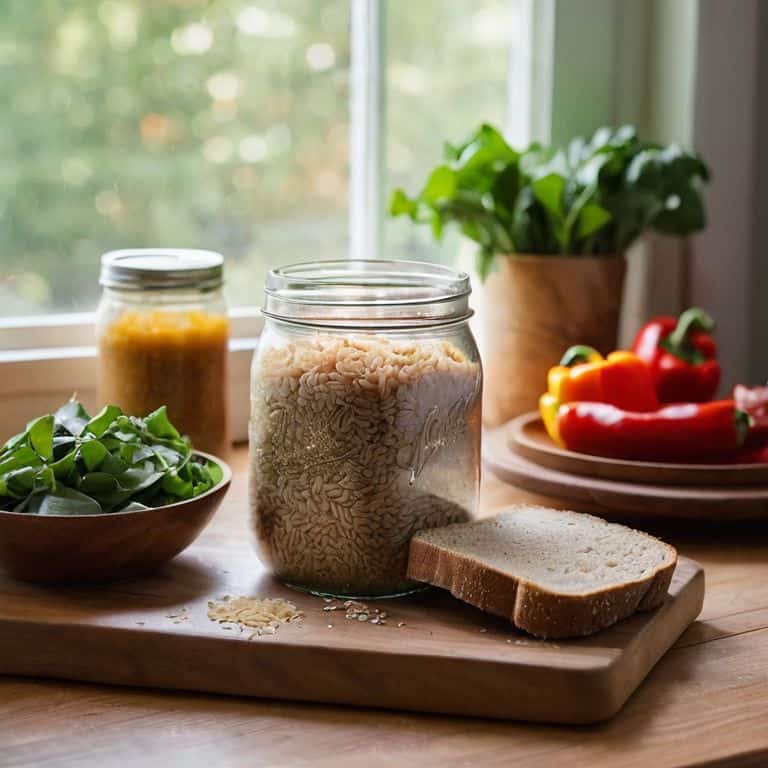
Whole grains like brown rice, quinoa, and whole wheat bread are nutrient-dense and budget-friendly options that should be on every healthy grocery list. I like to buy them in bulk and use them as the base for a variety of meals, from stir-fries to salads. Not only are they rich in fiber, but they’re also a great source of essential vitamins and minerals. By incorporating whole grains into your diet, you can support healthy digestion and reduce your risk of chronic diseases. I also appreciate that they can be used in a variety of dishes, from breakfast to dinner, making them a great value for the price. Plus, they’re often less expensive than refined grains, making them a great option for those on a budget. I like to use my mason jar to store them and keep them fresh for a longer period.
Healthy Fats for a Steal
Healthy fats like nuts and seeds are essential for brain function and can be found at a relatively low cost. I like to stock up on almonds, walnuts, and chia seeds, which can be used as a snack or added to oatmeal or yogurt for extra nutrition and crunch. Not only are they rich in healthy fats, but they’re also a great source of protein and fiber. By incorporating healthy fats into your diet, you can support heart health and reduce your risk of chronic diseases. I also appreciate that they can be stored for long periods of time, making them a great option for tiny kitchens with limited storage space. Plus, they’re a great way to add some healthy flavor to your meals without breaking the bank. I like to use them in my fermenting experiments, where I make my own nut-based cheeses and sauces.
Dairy Delights on a Dime
Finally, I like to include affordable dairy options like eggs and Greek yogurt on my list. These items are incredibly versatile and can be used in everything from omelets to smoothies. Not only are they a great source of protein and calcium, but they’re also relatively inexpensive compared to other dairy products. By incorporating dairy into your diet, you can support healthy bones and reduce your risk of chronic diseases. I also appreciate that they can be used in a variety of dishes, from breakfast to dinner, making them a great value for the price. Plus, they’re often less expensive than other protein sources, making them a great option for those on a budget. I like to use my mason jar to make my own yogurt-based sauces and dressings, which are not only delicious but also low-waste and budget-friendly.
Nourishing Takeaways
I’ve learned that even with a tiny kitchen, I can whip up a week’s worth of healthy meals with just a few intentional grocery purchases, proving that size really doesn’t matter when it comes to nourishing your body
By focusing on whole, unprocessed foods and getting creative with ‘root-to-stem’ cooking, I’ve not only reduced my food waste but also discovered a plethora of flavors and textures to enjoy, all while staying within my budget
Whether you’re a fellow tiny kitchen dweller or just looking to simplify your approach to healthy eating, remember that a well-stocked pantry is key – and it’s easier to achieve than you think, even with just one small shelf and a mason jar as your trusty sidekick
Nourishing Wisdom
A healthy grocery list for one on a budget isn’t just about saving money, it’s about investing in the simplicity and joy of nourishing your body with whole, delicious foods – one mason jar at a time.
Jenna Matthews
Nourishing Your Way: A Budget-Friendly Conclusion
As I reflect on the healthy grocery list for one on a budget that I’ve shared, I’m reminded that eating well doesn’t have to be expensive. By incorporating items like oats, bananas, carrots, canned black beans, and eggs into your diet, you can create a variety of nutrient-dense meals without breaking the bank. The key is to focus on whole foods, shop smart, and get creative with your cooking. Whether you’re a student, a busy professional, or simply someone looking to make a positive impact on your health and the environment, this list is a great starting point. By choosing to reduce food waste and opt for budget-friendly options, you’re not only nourishing your body but also contributing to a more sustainable future.
As you embark on your own journey towards healthy, budget-friendly eating, I encourage you to view your kitchen as a space for experimentation and growth. Don’t be afraid to try new recipes, get inspired by seasonal produce, and make the most of every ingredient. Remember, a well-stocked pantry is just the beginning, and the true magic happens when you combine simple, whole foods with a dash of creativity and a whole lot of love. By embracing this mindset, you’ll find that healthy eating is not only achievable but also incredibly rewarding, and that’s a recipe for a happy, healthy life.
Frequently Asked Questions
How can I ensure the groceries I buy won't go to waste if I'm only cooking for one?
To avoid waste, I plan my meals around what’s in season and buy smaller portions. I also love shopping at farmers’ markets, where I can often find single-serving sizes or split purchases with friends. My trusty mason jar is also great for storing leftovers and fermented goodies, ensuring nothing goes to waste in my tiny kitchen!
Are there any specific storage tips for keeping my small kitchen organized and my ingredients fresh?
For my tiny kitchen, I swear by mason jars for storing spices, grains, and even fermenting goodies like kimchi. Labeling and dating everything helps me keep track of what I have. I also love using the “first in, first out” rule to ensure older ingredients get used before they expire, reducing waste and keeping my kitchen organized and fresh.
Can I still follow a healthy grocery list on a budget if I have dietary restrictions, such as gluten-free or vegan?
Absolutely, with a little creativity, dietary restrictions like gluten-free or vegan can easily be accommodated on a budget. I always say, focus on whole foods like fruits, veggies, and whole grains, and get inspired by global cuisines that naturally fit your needs, like Indian or Middle Eastern for gluten-free, or Ethiopian for vegan – your taste buds and wallet will thank you!