I still remember the day I realized that a cluttered kitchen wasn’t just an eyesore, but a productivity killer. I was trying to cook a simple meal in my tiny apartment, but every move I made was hindered by a maze of misplaced utensils and a counter overflowing with unnecessary gadgets. That’s when I decided to apply my engineering background to create a guide to kitchen organization that would turn my small space into a well-oiled machine. I started by analyzing my workflow, identifying the most frequently used items, and designing custom storage solutions to keep them within easy reach.
As you read this article, you’ll get a firsthand look at my step-by-step approach to kitchen organization. I’ll share my favorite tips and tricks for optimizing your space, from maximizing vertical storage to implementing a “home for everything” policy. You’ll learn how to create a functional and efficient kitchen that works for you, not against you. My goal is to empower you with the knowledge and tools to transform your kitchen into a haven of productivity, regardless of its size. By the end of this guide, you’ll be equipped to create your own customized kitchen organization system, tailored to your unique needs and cooking style.
Table of Contents
- Guide Overview: What You'll Need
- Step-by-Step Instructions
- A Guide to Kitchen Organization
- 5 Game-Changing Tips to Supercharge Your Kitchen Organization
- Key Takeaways for a More Efficient Tiny Kitchen
- The Key to a Harmonious Kitchen
- Bringing It All Together: A Harmonious Kitchen
- Frequently Asked Questions
Guide Overview: What You'll Need
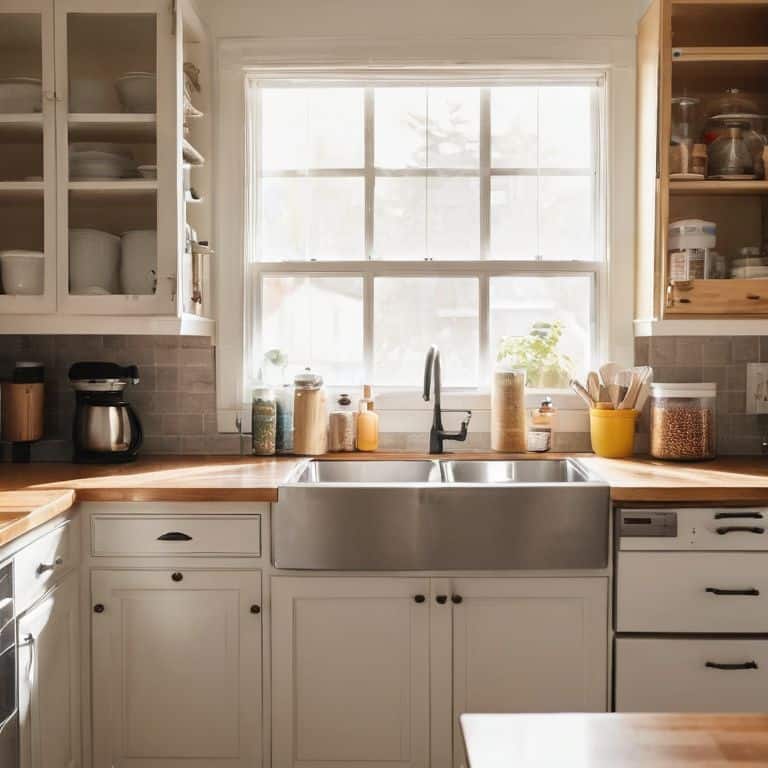
Total Time: 4 hours 30 minutes
Estimated Cost: $50 – $100
Difficulty Level: Intermediate
Tools Required
- Tape Measure for measuring kitchen spaces
- Level for ensuring shelves are straight
- Drill with screwdriver and drill bits
- Pencil for marking walls and surfaces
- Utility Knife for cutting adhesive strips or adhesive-backed hooks
Supplies & Materials
- Shelves custom or pre-made to fit specific kitchen areas
- Baskets for storing dry goods, snacks, or kitchen utensils
- Adhesive Strips for hanging lightweight items like spices or cleaning supplies
- Hooks for hanging pots, pans, or kitchen towels
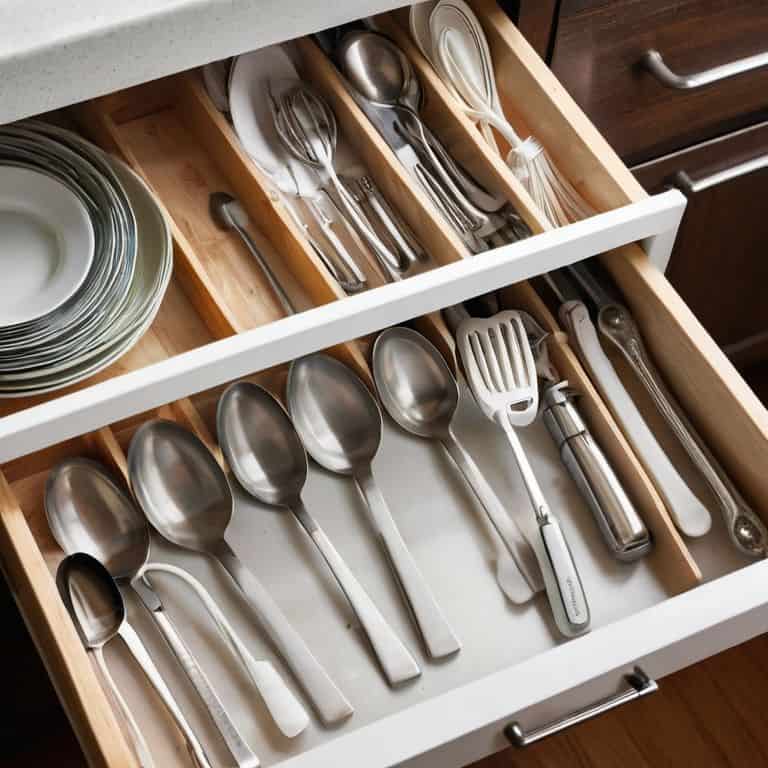
- Drawer Organizers for maximizing storage in kitchen drawers
- Spice Racks for organizing spices and seasonings
- Step Stool for reaching high shelves, approximately 2 feet in height
- Label Maker for labeling shelves, baskets, or containers
Step-by-Step Instructions
- 1. First, let’s start by purging the unnecessary items from your kitchen. This means getting rid of any broken appliances, expired food, or unnecessary gadgets that are just taking up space. Go through your cabinets, drawers, and countertops, and be ruthless – if you haven’t used it in the past year, it’s probably safe to get rid of it. As you’re doing this, think about the workflow of your kitchen and how you can improve it.
- 2. Next, let’s focus on categorizing and grouping similar items together. This means separating your kitchen into different zones, such as a cooking zone, a cleaning zone, and a food storage zone. Within each zone, group similar items together – for example, all your baking supplies should be stored in one area, while your cooking utensils should be stored in another. This will help you quickly find what you need when you need it, and will also help you avoid clutter.
- 3. Now that we have our zones and groups, let’s talk about assigning a home for each item. This means designating a specific place for each item in your kitchen, and making sure that it gets put back in that place after use. For example, your coffee mug should have a designated spot in the cabinet, and your kitchen towels should have a specific hook or drawer where they are stored. This will help keep your kitchen clutter-free and make it easier to find what you need.
- 4. To take our kitchen organization to the next level, let’s implement a few key systems. This might include a system for meal planning and grocery shopping, a system for cleaning and maintaining your kitchen, and a system for dealing with leftovers and food waste. By having these systems in place, you’ll be able to stay on top of your kitchen and keep it running smoothly, even when things get busy.
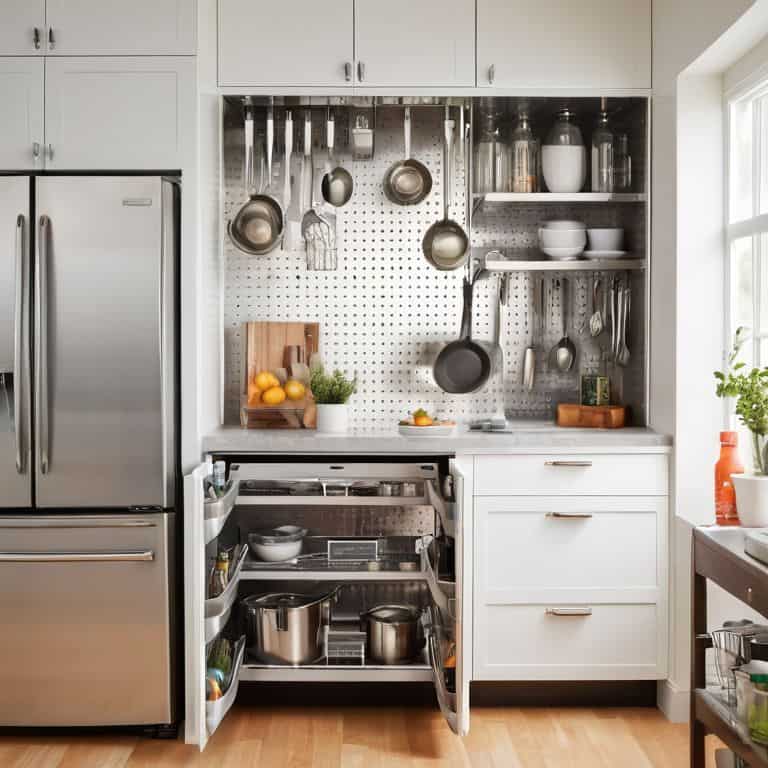
- 5. One of the most important things we can do to improve our kitchen’s functionality is to optimize our storage. This means using the space we have available to us in the most efficient way possible. For example, we can use wall-mounted shelves or hooks to store items that we don’t use frequently, and we can use dividers or baskets to separate items within our cabinets and drawers. By making the most of our storage space, we can keep our countertops clear and our kitchen feeling more spacious.
- 6. Let’s not forget about the importance of maintenance when it comes to our kitchen organization. This means setting aside time each week to tidy up and make sure everything is still in its assigned place. It also means being mindful of our kitchen’s workflow and making adjustments as needed. By staying on top of our kitchen’s organization, we can avoid clutter and keep our kitchen running smoothly.
- 7. Finally, let’s talk about making adjustments and improvements over time. As we use our kitchen and get a feel for how it’s working, we may realize that there are certain things that aren’t working for us. This might be a particular storage solution that’s not functioning as well as we’d like, or a system that’s not quite meeting our needs. By being open to making changes and adjustments, we can continue to refine and improve our kitchen’s organization and make it an even more functional and enjoyable space to cook and spend time in.
A Guide to Kitchen Organization
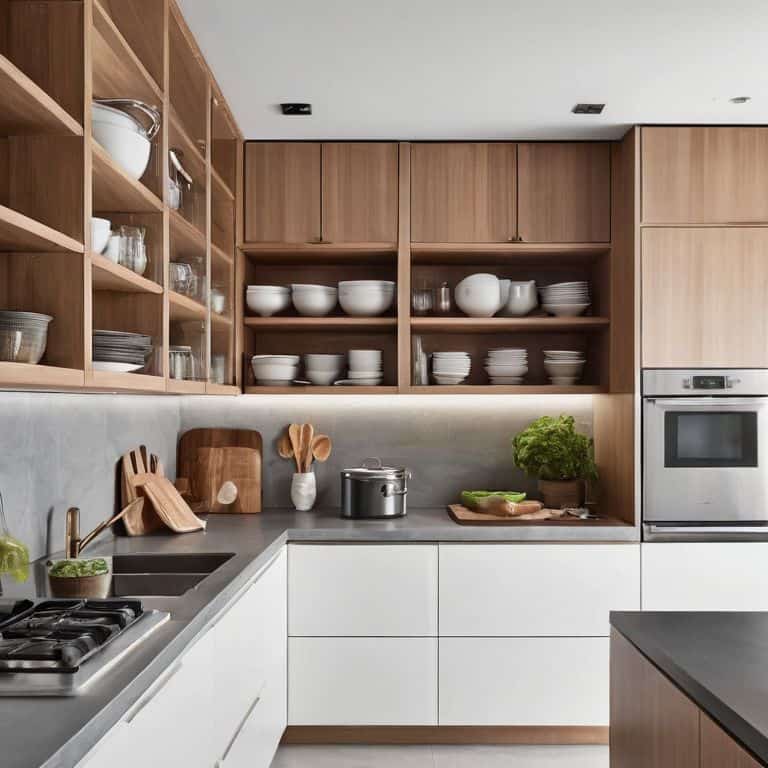
As I delve deeper into the world of kitchen optimization, I’ve come to realize that maximizing kitchen cabinet space is a crucial aspect of creating a functional tiny kitchen. By implementing a few simple strategies, such as using stackable containers and adjustable shelves, you can significantly increase your storage capacity. This, in turn, allows you to maintain a clutter-free environment, which is essential for a smooth kitchen workflow.
When it comes to designing an efficient kitchen layout, it’s all about creating a harmonious balance between form and function. I’ve found that adopting a “zone-based” approach, where you group similar activities together, can be incredibly effective. For instance, designating a specific area for food preparation can help streamline your cooking process. By doing so, you’ll be able to optimize your kitchen counter organization, making the most of the limited space available.
To take your kitchen optimization to the next level, consider optimizing kitchen pantry storage. This can be achieved by utilizing vertical space, installing pull-out shelves, or investing in a compact pantry organizer. By doing so, you’ll not only free up valuable counter space but also create a more streamlined kitchen workflow, allowing you to focus on the joy of cooking rather than navigating a cluttered kitchen.
Maximizing Cabinet Space Efficiently
To maximize cabinet space efficiently, I employ a few clever strategies. First, I use stackable containers and baskets to store dry goods, keeping them organized and easily accessible. I also install adjustable shelves to accommodate items of varying sizes, ensuring a snug fit and preventing wasted space. By doing so, I can store more items in less space, making the most of my cabinet’s vertical real estate.
I also label each container and shelf, allowing me to quickly locate what I need. This system enables me to maintain a clutter-free environment, even in the most compact of cabinets. By optimizing my cabinet space, I can focus on cooking and enjoying the process, rather than wasting time searching for misplaced items.
Optimizing Kitchen Layout for Workflow
To optimize your kitchen layout for workflow, consider the ‘work triangle’ concept. This involves positioning your sink, stove, and refrigerator in a triangular formation to minimize walking distance and maximize efficiency. I like to take it a step further by analyzing my own movement patterns in the kitchen, identifying bottlenecks, and adjusting my layout accordingly. By doing so, you can create a seamless workflow that makes cooking and cleaning a breeze.
In my own tiny kitchen, I’ve applied this principle by placing my most frequently used utensils and ingredients near the center of the triangle, within easy reach. This has significantly reduced my cooking time and stress levels. By applying the same logic to your kitchen, you can achieve a similar level of efficiency and enjoy a more streamlined cooking experience.
5 Game-Changing Tips to Supercharge Your Kitchen Organization
- Treat Your Countertops as a ‘Landing Strip’ – Designate a Specific Spot Near the Entrance of Your Kitchen as a ‘Landing Strip’ for Mail, Keys, and Other Items That Need to Be Put Away
- Implement the ‘Home for Everything’ Rule – Assign a Specific Place for Each Item in Your Kitchen, Making It Easier to Find What You Need and Put Things Back
- Optimize Your Cabinet Space with a ‘Zone’ System – Divide Your Cabinets into Zones Based on Frequency of Use, with Frequently Used Items in Easy-to-Reach Zones
- Invest in a ‘Cart or Island’ to Boost Counter Space and Add Storage – A Well-Designed Cart or Island Can Provide Additional Counter Space, Storage, and Even Seating
- Schedule Regular ‘Kitchen Audits’ to Maintain Your Newly Organized Space – Set Reminders to Regularly Review Your Kitchen’s Organization System, Making Adjustments as Needed to Keep Your Space Running Smoothly
Key Takeaways for a More Efficient Tiny Kitchen
By applying the principles of workflow optimization, you can turn your tiny kitchen into a highly functional space that rivals larger kitchens in terms of efficiency
Maximizing cabinet space and optimizing your kitchen layout are crucial steps in creating a lean, mean culinary machine that reduces stress and increases productivity
With the right mindset and a few clever tweaks, you can hack your tiny kitchen into a well-oiled machine that makes cooking easier, faster, and more enjoyable
The Key to a Harmonious Kitchen
A well-organized kitchen is not just about having a place for everything, but about creating a workflow that makes cooking a seamless dance, where every movement has a purpose and every tool is within arm’s reach.
Leo Vance
Bringing It All Together: A Harmonious Kitchen
As we’ve explored the world of kitchen organization, it’s clear that maximizing efficiency is key to a stress-free cooking experience. From optimizing cabinet space to streamlining your kitchen layout for better workflow, every detail counts. By applying these principles, you’ll not only save time but also create an environment that fosters creativity and enjoyment. Whether you’re a culinary novice or a seasoned chef, a well-organized kitchen is the foundation upon which memorable meals are built.
As you embark on your journey to transform your tiny kitchen into a lean, mean culinary machine, remember that it’s all about finding harmony in the details. Every movement matters, and by embracing this mindset, you’ll discover that even the smallest of spaces can yield enormous rewards. So, go ahead, take the first step, and watch your kitchen evolve into a symphony of efficiency and delight, where every moment spent cooking is a testament to the power of thoughtful design and intentional living.
Frequently Asked Questions
How can I determine the most efficient layout for my specific kitchen dimensions?
To determine the most efficient layout, I recommend creating a scaled floor plan of your kitchen and mapping out your typical workflow. Measure your space, note the locations of doors, windows, and fixtures, and then use graph paper or an online tool to test different layouts, considering the ‘work triangle’ between sink, stove, and fridge.
What are some creative ways to utilize the space above my kitchen cabinets?
One of my favorite hacks: the space above your cabinets is prime real estate. I like to use it for infrequently used items, like special occasion dishes or my homebrewing equipment. Install some floating shelves or a pegboard to maximize storage and keep your countertops clutter-free. It’s all about creating a functional ‘dead zone’ that becomes a valuable asset.
Are there any universal kitchen organization principles that can be applied to kitchens of all sizes?
Absolutely, I’ve found that the principles of workflow optimization and the ‘home for everything’ rule apply universally, regardless of kitchen size. By assigning a designated spot for each item and streamlining movement between tasks, you can boost efficiency in any kitchen, from compact to spacious.