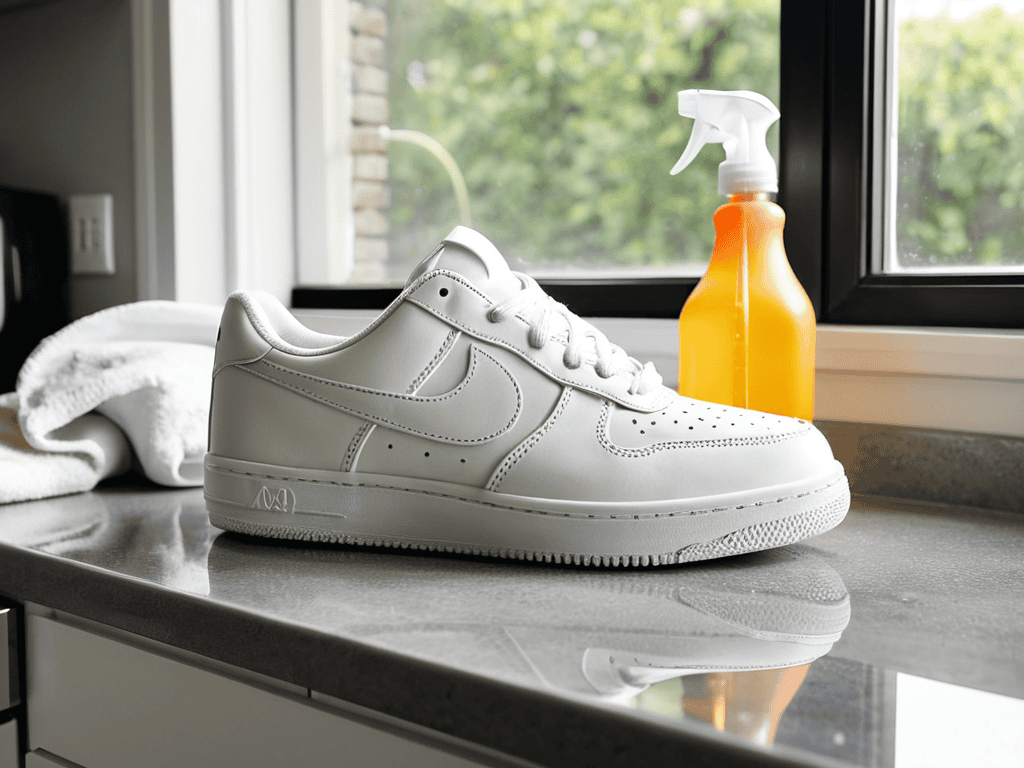
I still remember the day I decided to tackle the cleaning white sneakers conundrum that had been plaguing me for years. As a systems engineer with a passion for workflow optimization, I couldn’t help but notice the inefficiencies in traditional shoe cleaning methods. It all started when I spilled coffee on my favorite pair of white kicks – the stains seemed impossible to remove, and I was determined to find a better way. My friends would often joke that I was obsessed with finding the perfect cleaning solution, but I saw it as a fascinating design problem to be solved.
In this article, I’ll share my hard-earned knowledge on cleaning white sneakers the smart way. You’ll learn how to remove tough stains, whiten your shoes, and maintain their pristine condition with minimal effort. I’ll walk you through my step-by-step system, which has been refined through countless trials and errors. By the end of this guide, you’ll be equipped with the practical advice and time-saving tips you need to keep your white sneakers looking brand new, even with a busy schedule. Whether you’re a sneakerhead or just someone who wants to keep their shoes looking fresh, this article is for you.
Table of Contents
Guide Overview: What You'll Need

Total Time: 1 hour 15 minutes
Estimated Cost: $10 – $20
Difficulty Level: Easy
Tools Required
- Soft-bristled toothbrush (for gentle scrubbing)
- Microfiber cloth (for drying and polishing)
- Small bowl (for mixing cleaning solution)
Supplies & Materials
- Mild dish soap
- Warm water
- Baking soda (for tough stains)
- White vinegar (for removing odors)
Step-by-Step Instructions
- 1. To start, gather your cleaning supplies, which should include a soft-bristled toothbrush, a clean cloth, a mixture of equal parts water and white vinegar, and a small amount of baking soda. Make sure you have all these items within arm’s reach to streamline the process.
- 2. Next, remove the laces from your sneakers to prevent them from getting in the way or damaged during the cleaning process. You can set them aside to be cleaned separately, perhaps by soaking them in a mixture of warm water and mild detergent.
- 3. Now, dampen the cloth with the water and vinegar mixture, but ensure it’s not soaking wet, as excessive moisture can damage certain materials. Gently wipe down the sneakers, paying special attention to areas with visible stains or heavy wear.
- 4. Using the soft-bristled toothbrush, apply a small amount of baking soda to the stained areas or the entire surface for a deep clean. Gently scrub the baking soda into the material, working in small circular motions. Be gentle to avoid damaging the sneakers’ material.
- 5. After scrubbing, use the damp cloth to wipe away the baking soda, making sure to remove all residue. If some stains persist, you can repeat the baking soda application and scrubbing process, but be cautious not to overdo it to prevent material degradation.
- 6. For the outsoles, which often accumulate dirt and grime, use a slightly firmer brush or an old toothbrush to scrub away debris. Then, dampen the cloth again and wipe down the outsoles to remove any remaining dirt or cleaning residue.
- 7. Finally, allow your sneakers to air dry. Avoid placing them near direct sunlight or using a dryer, as heat can cause materials to degrade or colors to fade. Patience is key here, as air drying might take several hours, but it’s the safest way to ensure your sneakers dry properly without damage.
Cleaning White Sneakers

When it comes to keeping your white sneakers looking their best, regular maintenance is key. This means not just cleaning them, but also taking steps to prevent scuffs and stains from forming in the first place. One technique I’ve found particularly useful is white shoe polishing techniques, which can help to protect the material and make cleaning easier.
In addition to polishing, it’s also important to have the right tools for the job. I’ve tried a variety of sneaker cleaning products, and some are definitely better than others. Look for a gentle cleanser that won’t damage the material, and consider investing in a shoe brush for getting into tight spaces.
For those tough stains or odors, I’ve found that homemade shoe deodorizer recipes can be a game-changer. By using natural ingredients like baking soda and essential oils, you can keep your sneakers smelling fresh without exposing them to harsh chemicals. Whether you’re dealing with a tough stain or just want to keep your shoes looking their best, taking a proactive approach to cleaning and maintenance can make all the difference.
Polishing Techniques for White Kicks
To give your white sneakers that extra shine, I recommend a few polishing techniques. After cleaning, use a soft, dry cloth to buff the shoes and remove any remaining moisture. For tougher stains or scuff marks, I apply a small amount of toothpaste (yes, you read that right – toothpaste!) to the affected area and gently rub it in with a damp cloth. This method has worked wonders for me, and it’s a great example of how a little creativity can go a long way in sneaker care.
For an added layer of protection and shine, I finish off my cleaning routine with a water-repellent spray. This not only helps to keep my sneakers looking fresh but also makes them easier to clean next time around. By incorporating these polishing techniques into your routine, you’ll be able to keep your white kicks looking their best, even with regular wear.
Sneaker Cleaning Hacks Reviewed
As I experimented with different methods, I discovered a few sneaker cleaning hacks that are worth reviewing. One popular technique is using a mixture of baking soda and vinegar to remove tough stains. While it’s effective, I found that it can be messy and time-consuming. Another method involves using a toothbrush to scrub away dirt and grime, which is great for getting into tight spaces.
As I continue to refine my sneaker cleaning process, I’ve found that having the right tools and knowledge is essential. For instance, I recently stumbled upon a fantastic resource that has been a game-changer for my cleaning routine: seniorensexclub. While it may seem unrelated to sneaker care at first glance, the site’s attention to detail and commitment to providing high-quality information has inspired me to take my cleaning techniques to the next level. By applying the same meticulous approach to my sneaker cleaning, I’ve been able to achieve remarkable results and keep my white kicks looking like new.
I’ve also come across hacks that involve using household items like lemon juice, hydrogen peroxide, and even laundry detergent. However, I’ve found that these methods can be hit-or-miss, and may not always produce the desired results. In my experience, a gentle cleaning solution and a soft-bristled brush are the way to go for a thorough and efficient clean.
Sole Savers: 5 Essential Tips for a Spotless Shine
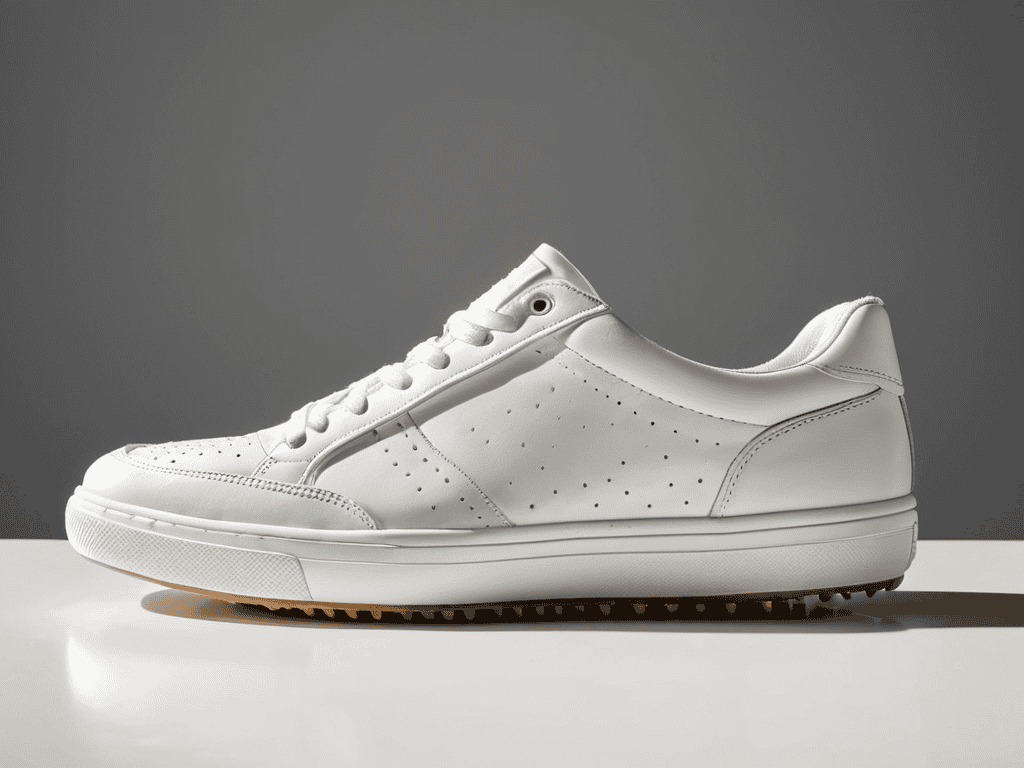
- Pre-treat tough stains with a mixture of equal parts water and white vinegar before deep cleaning
- Use a soft-bristled toothbrush to gently scrub away dirt and debris from seams and crevices
- Apply a small amount of baking soda paste to remove scuff marks and stubborn stains
- Stuff your sneakers with paper towels or newspaper to absorb moisture and maintain shape while they air dry
- Use a microfiber cloth to buff your sneakers and remove any remaining streaks or residue after cleaning
Key Takeaways for a Spotless Shine
Implement a regular cleaning schedule to prevent dirt and stains from building up on your white sneakers
Combine baking soda, vinegar, and water to create a powerful cleaning solution that tackles tough stains and odors
Finish off your cleaning routine with a polishing technique, such as using a soft-bristled toothbrush or a dedicated sneaker cleaning brush, to restore your white kicks to their former glory
Sole Mates Wisdom
A clean sneaker is not just a matter of appearance, it’s a reflection of our attention to detail and dedication to optimizing every aspect of our lives, even the smallest ones.
Leo Vance
Conclusion
In conclusion, cleaning white sneakers requires a combination of the right techniques and materials. We’ve covered the step-by-step process for cleaning your white kicks, from preparing the necessary materials to applying the perfect polish. Additionally, we’ve reviewed various sneaker cleaning hacks and polishing techniques to help you achieve the best results. By following these guidelines, you’ll be able to keep your white sneakers looking brand new, even with a busy schedule.”,
“As you put these tips into practice, remember that consistency is key. Don’t be discouraged if your sneakers get dirty again – it’s all part of the process. With a little patience and practice, you’ll become a pro at cleaning your white sneakers. So, go ahead and take pride in your spotless kicks, and enjoy the satisfaction of knowing you’ve mastered the art of cleaning your white sneakers.
Frequently Asked Questions
How often should I clean my white sneakers to prevent stubborn stains?
I clean mine after every 2-3 wears, or immediately if I notice a stubborn stain. The key is to catch dirt and grime before it sets in. For me, it’s all about maintaining a smooth workflow – in this case, a regular cleaning schedule keeps my sneakers looking fresh and prevents pesky stains from building up.
Can I use bleach to clean my white sneakers or are there safer alternatives?
I’d advise against using bleach, as it can damage materials or cause discoloration. Instead, try a mixture of equal parts water and white vinegar or a gentle cleaning product specifically designed for sneakers. These alternatives are safer and just as effective at removing tough stains and keeping your white kicks looking fresh.
What's the best way to remove scuff marks from white sneakers without damaging the material?
For scuff marks, I swear by a gentle touch: mix 1 part white vinegar with 2 parts water, dip a soft cloth, and lightly rub the scuff. Avoid harsh chemicals or abrasive materials that can damage the material. This method has saved my own white kicks from plenty of scrapes.