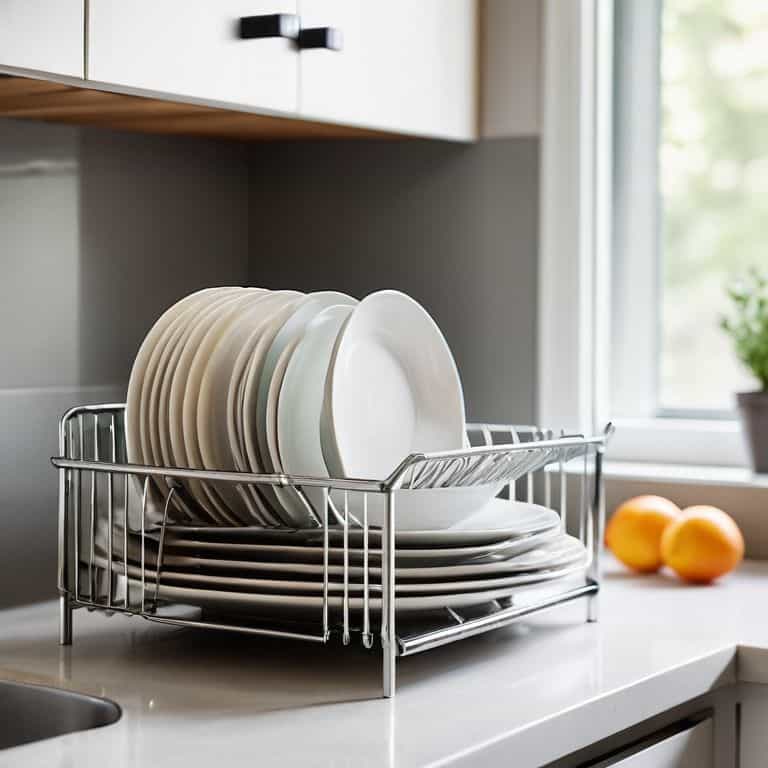
I still remember the day I realized that a cluttered kitchen cabinet was not just an eyesore, but a workflow killer. I was trying to cook a simple meal in my tiny kitchen, but I found myself wasting more time searching for utensils and ingredients than actually cooking. That’s when I decided to apply my engineering skills to create a guide to organizing your kitchen cabinets. As a systems engineer, I’ve always been fascinated by the challenge of optimizing small spaces, and my kitchen was the perfect laboratory. I started by mapping out my kitchen’s workflow, identifying the most frequently used items, and designing custom storage solutions to keep them within easy reach.
In this article, I’ll share my practical tips and tricks for transforming your kitchen cabinets into a well-oiled machine. You’ll learn how to purge unnecessary items, categorize and group similar items, and design a custom storage system that fits your unique needs. My goal is to provide you with a straightforward, step-by-step guide to help you create a more efficient kitchen workflow, even in the smallest of spaces. By the end of this article, you’ll be equipped with the knowledge to create a guide to organizing your kitchen cabinets that will make cooking and meal prep a breeze, and you’ll be amazed at how much more you can accomplish in your tiny kitchen.
Table of Contents
- Guide Overview: What You'll Need
- Step-by-Step Instructions
- A Guide to Organizing Your Kitchen Cabinets
- 5 Key Tips to Unlock Your Kitchen's Full Potential
- Key Takeaways for a Turbocharged Tiny Kitchen
- The Key to Kitchen Harmony
- Bringing It All Together: A More Efficient You
- Frequently Asked Questions
Guide Overview: What You'll Need
Total Time: 2 hours 30 minutes
Estimated Cost: $50 – $100
Difficulty Level: Intermediate
Tools Required
- Measuring Tape for measuring cabinet space
- Level for ensuring shelves are even
- Drill with screwdriver and drill bits
- Utility Knife (with extra blades)
- Pencil and Marker for labeling and marking
Supplies & Materials
- Shelf Liners for protecting shelves from spills
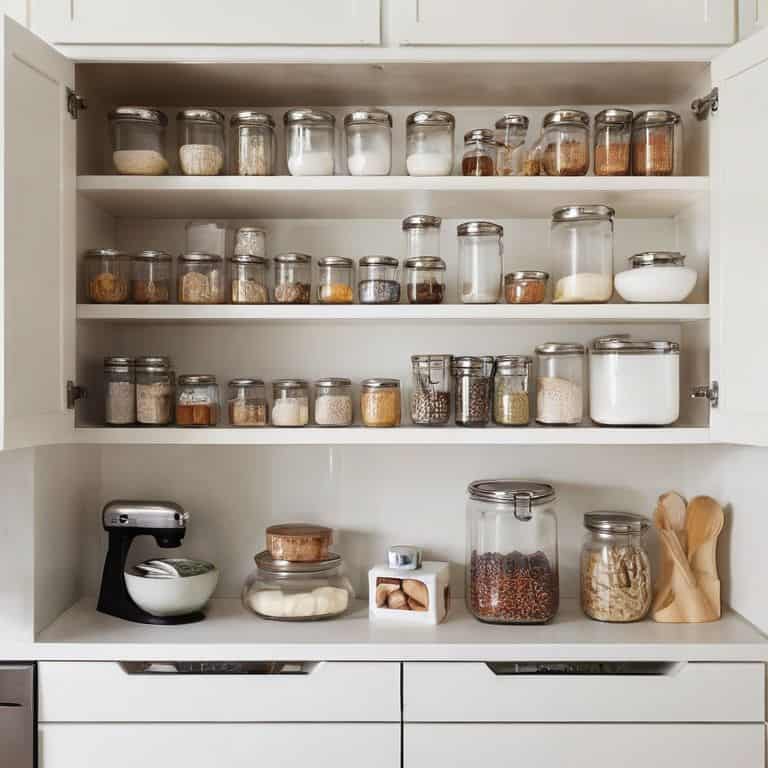
- Stackable Containers for storing food and kitchen items
- Adjustable Shelves for customizing cabinet space
- Drawer Dividers for organizing kitchen utensils
- Label Maker for labeling containers and shelves
Step-by-Step Instructions
- 1. First, let’s start by purging your kitchen cabinets of any unnecessary items. This means getting rid of expired food, broken dishes, and any kitchen gadgets that you haven’t used in the past year. Take everything out of your cabinets and sort items into three piles: keep, donate/sell, and throw away. This will give you a good idea of what you have and what you need to store.
- 2. Next, let’s focus on categorizing your kitchen items. Group similar items together, such as baking supplies, cooking utensils, and dinnerware. This will make it easier to decide where to store each item and ensure that you can find what you need when you need it. Consider the workflow of your kitchen and how you can store items in a way that minimizes walking distance and maximizes efficiency.
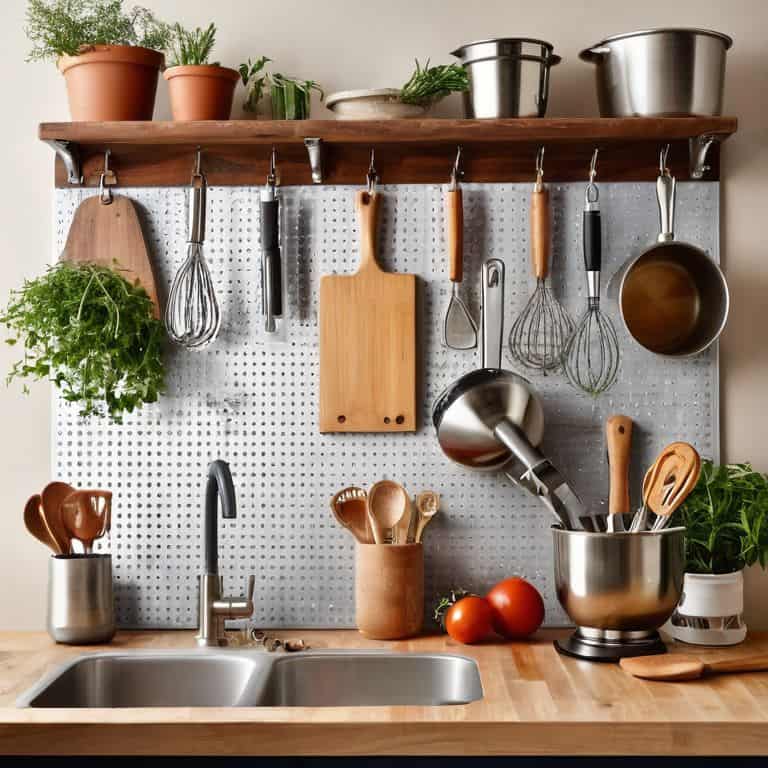
- 3. Now it’s time to measure your kitchen cabinets and decide on a storage system. Take note of the dimensions of your cabinets, including the width, height, and depth. Decide on a storage system that works for you, such as a pegboard for hanging items, a drawer organizer for utensils, or a shelf divider for plates and bowls. Consider the vertical space in your cabinets and how you can use stackable containers or shelves to maximize storage.
- 4. With your storage system in place, it’s time to start assigning homes for each of your kitchen items. Store items that you use frequently in easy-to-reach locations, such as the front of a shelf or in a drawer. Less frequently used items can be stored in harder-to-reach locations, such as the back of a shelf or in a high cabinet. Consider the frequency of use and store items accordingly.
- 5. To keep your kitchen cabinets organized, it’s essential to implement a maintenance routine. Set aside time each week to tidy up your cabinets and ensure that everything is in its assigned home. This will prevent clutter from building up and make it easier to find what you need when you need it. Consider scheduling a weekly kitchen tidy into your calendar to make it a habit.
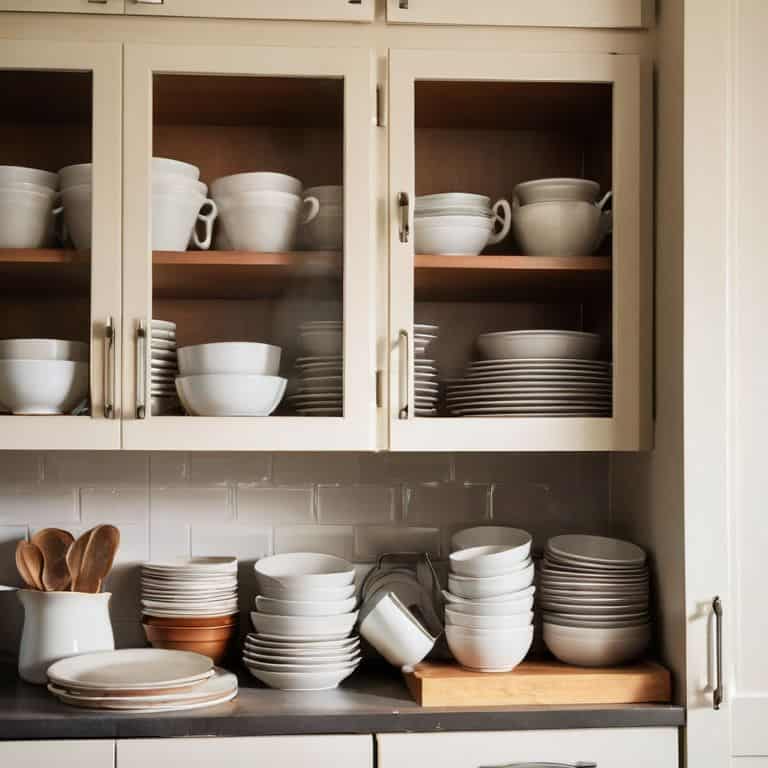
- 6. In addition to a maintenance routine, it’s also important to optimize your cabinet layout. Consider the workflow of your kitchen and how you can store items in a way that minimizes walking distance and maximizes efficiency. For example, store your coffee mugs near the coffee maker and your plates near the dishwasher. This will save you time and energy in the long run.
- 7. Finally, let’s talk about labels and signage. Labels can help you quickly identify what’s inside a cabinet or container, saving you time and reducing frustration. Consider using labels or signs to identify the contents of each cabinet or container, and make sure to update them as needed. This will help you stay organized and ensure that your kitchen cabinets remain a well-oiled machine.
A Guide to Organizing Your Kitchen Cabinets
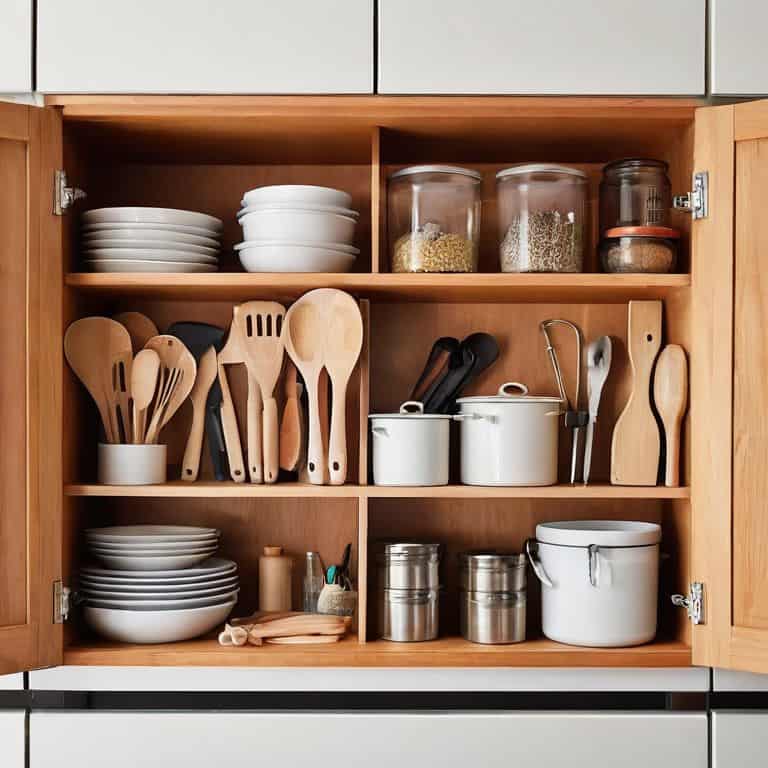
As I always say, a place for everything is key to maintaining a seamless workflow in your tiny kitchen. To further maximizing kitchen storage space, consider implementing custom cabinet organization ideas that cater to your specific cooking habits. For instance, you can use kitchen utensil organizers to keep your frequently used tools within easy reach.
When it comes to optimizing cabinet shelf layout, it’s essential to think about the items you use most often and assign them a designated spot. I like to use DIY kitchen cabinet dividers to separate my baking supplies from my cooking essentials, keeping everything tidy and easily accessible. By doing so, you’ll be able to streamline your cooking process and reduce clutter.
To keep your newly organized kitchen cabinets in top shape, don’t forget to incorporate kitchen cabinet cleaning tips into your routine. A simple wipe-down with a damp cloth can work wonders in maintaining a hygienic and efficient cooking environment. By combining these strategies, you’ll be well on your way to creating a tiny kitchen that’s not only functional but also a joy to cook in.
Maximizing Storage With Custom Cabinet Solutions
Maximizing Storage with Custom Cabinet Solutions
To take your kitchen cabinet organization to the next level, consider custom solutions tailored to your specific needs. As a systems engineer, I’m passionate about optimizing space, and custom cabinets can be a game-changer. By designing cabinets that fit your unique workflow, you can maximize storage and reduce clutter. For example, a custom spice rack or a built-in knife block can keep frequently used items within easy reach, streamlining your cooking process.
I’ve applied this principle in my own tiny kitchen, using 3D printing to create custom organizers that fit perfectly into my cabinet spaces. The result? A significant reduction in clutter and a noticeable increase in efficiency. By investing in custom cabinet solutions, you can create a kitchen that works smarter, not harder, and makes the most of your available space.
Optimizing Shelf Layout for Utensil Organizers
To optimize shelf layout for utensil organizers, I apply the same workflow principles I use in my 3D printing and backpacking adventures – every item should have a designated spot. By categorizing utensils into groups like baking, cooking, and prep work, you can assign a specific shelf or section for each category. This streamlined approach ensures that the utensils you need are always within easy reach, reducing movement and saving time.
I recommend using adjustable dividers or custom inserts to create a tailored fit for your utensil organizers. This not only maximizes storage but also prevents clutter from building up. By optimizing your shelf layout, you’ll be able to find what you need quickly, allowing you to focus on the cooking process rather than wasting time searching for a misplaced spatula or whisk.
5 Key Tips to Unlock Your Kitchen's Full Potential
- Designate a ‘landing strip’ near your kitchen cabinets for daily essentials, like keys and mail, to maintain a clutter-free workflow
- Implement a ‘first in, first out’ policy for stored food and ingredients to reduce waste and optimize cabinet space
- Use the ‘golden zone’ principle: store frequently used items between knee and shoulder height for effortless access and minimal strain
- Label and categorize your cabinets using a logical, hierarchical system to simplify navigation and reduce decision fatigue
- Incorporate vertical storage solutions, such as pegboards or magnetic strips, to maximize wall space and keep your countertops clear
Key Takeaways for a Turbocharged Tiny Kitchen
By applying lean manufacturing principles to your kitchen cabinet organization, you can reduce cooking time and increase overall workflow efficiency
Custom cabinet solutions, such as 3D printed utensil organizers, can be designed to maximize storage and minimize wasted space in your tiny kitchen
Optimizing shelf layout with a focus on frequency of use and task-based zones can help you create a kitchen that works smarter, not harder, and makes the most of your limited space
The Key to Kitchen Harmony
A well-organized kitchen cabinet is not just a storage solution, it’s a symphony of workflow optimization – where every utensil, gadget, and ingredient has its perfectly orchestrated place, making cooking a joyful dance, not a chaotic chore.
Leo Vance
Bringing It All Together: A More Efficient You
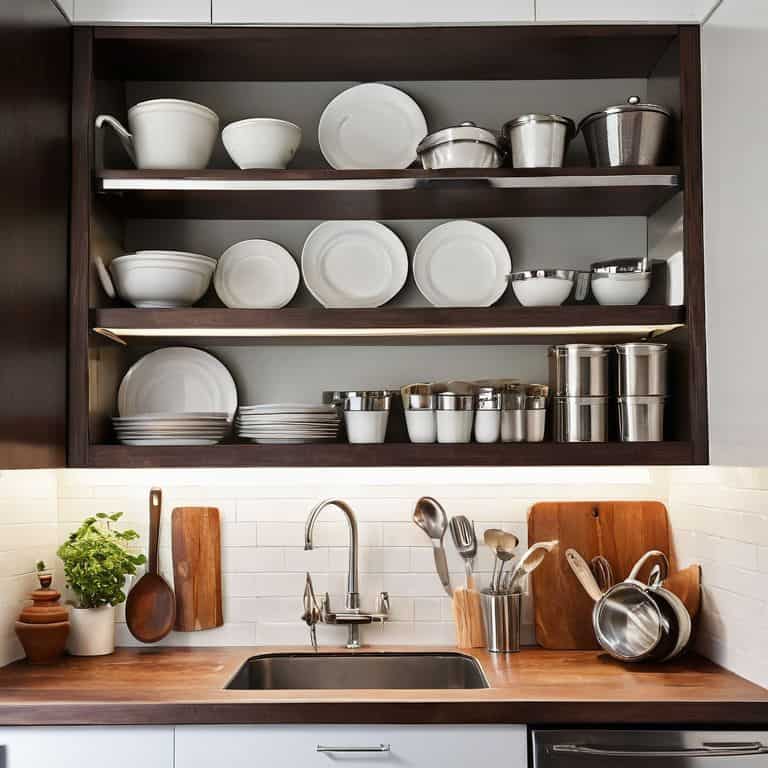
As we’ve worked through this guide to organizing your kitchen cabinets, we’ve covered some key areas to help you maximize storage and create a more efficient workflow. From custom cabinet solutions to optimizing shelf layouts for utensil organizers, it’s all about applying a little engineering magic to get your tiny kitchen humming. By implementing these strategies, you’ll be able to find what you need quickly, avoid clutter, and make the most of the space you have. Whether you’re a busy professional or an avid home cook, a well-organized kitchen is the foundation of a smoother, more enjoyable cooking experience.
So, as you finish up your cabinet organization project, remember that it’s not just about the cabinets themselves – it’s about creating a workflow that works for you. With a little creativity and a lot of attention to detail, you can turn even the smallest kitchen into a highly functional, efficient space that makes cooking a joy. Don’t be afraid to experiment, try new things, and make adjustments as you go – and most importantly, enjoy the process of transforming your kitchen into a true hub of your home.
Frequently Asked Questions
How can I measure my kitchen cabinets to determine the best layout for my custom organizers?
To measure your kitchen cabinets, start by recording the width, height, and depth of each cabinet. Don’t forget to note the location of any obstructions like hinges or shelves. I like to use a digital caliper for precise measurements. Next, create a simple diagram or sketch to visualize your cabinet’s interior space – this will help you design custom organizers that fit like a glove.
What types of materials are best for DIY custom cabinet solutions in a tiny kitchen?
For DIY custom cabinet solutions, I recommend using lightweight, durable materials like plywood, MDF, or bamboo. These materials are perfect for tiny kitchens, as they’re easy to work with and won’t overwhelm the space. Plus, they can be easily cut and shaped to fit your specific needs, making them ideal for optimizing your kitchen’s workflow.
Can I apply the same principles of workflow optimization to other areas of my small kitchen, such as the countertops or pantry?
Absolutely, the same workflow optimization principles can be applied to countertops and pantries. I call it ‘kitchen systems thinking’ – analyzing each area as a separate workflow, then streamlining it for maximum efficiency. By doing so, you can create a seamless cooking experience, from prep to plating, in even the smallest of kitchens.