I still remember the chaos of my sailboat’s galley after a long day of sailing – the clutter, the grime, and the overwhelming feeling of where to start. But I learned that with a solid plan, even the smallest of spaces can shine. That’s why I’m excited to share with you how to create a kitchen cleaning schedule that will keep your kitchen, no matter how small, sparkling and functional. It’s time to debunk the myth that a cleaning schedule has to be rigid or overwhelming – in reality, it’s all about finding a rhythm that works for you.
In this article, I’ll walk you through my simple, step-by-step approach to creating a kitchen cleaning schedule that fits your lifestyle. You’ll learn how to prioritize tasks, maximize your time, and maintain a clean and organized kitchen without feeling like you’re sacrificing your sanity. My goal is to empower you with practical advice and actionable tips, so you can enjoy cooking and spending time in your kitchen, even in the coziest of spaces. By the end of this guide, you’ll be equipped with the knowledge and confidence to create a cleaning schedule that brings you peace of mind and a sparkling clean kitchen.
Table of Contents
Guide Overview: What You'll Need
Total Time: 1 hour 15 minutes
Estimated Cost: $0 – $10
Difficulty Level: Easy
Tools Required
- Calendar or Planner (digital or physical)
Supplies & Materials
- Pens or Pencils
- Paper or Whiteboard (for notes and reminders)
Step-by-Step Instructions
- 1. First, let’s start by identifying your cleaning goals. What do you want to achieve with your kitchen cleaning schedule? Do you want to spend less time cleaning, or maybe create a more peaceful cooking environment? Take a few minutes to reflect on what a clean and organized kitchen means to you, and write down your top three goals. This will help you stay focused and motivated throughout the process.
- 2. Next, take a closer look at your kitchen and assess the layout. Consider the size of your kitchen, the number of people using it, and the types of meals you typically prepare. This will help you determine how often you need to clean different areas of your kitchen. For example, if you have a large family and cook meals three times a day, you’ll likely need to clean your kitchen more frequently than someone who lives alone and only cooks occasionally.
- 3. Now, let’s talk about frequency and timing. Decide how often you want to clean your kitchen, and at what times of the day or week. You might choose to clean your kitchen every morning after breakfast, or set aside one day a week for a deeper clean. Consider your schedule and lifestyle when making this decision, and be realistic about what you can commit to.
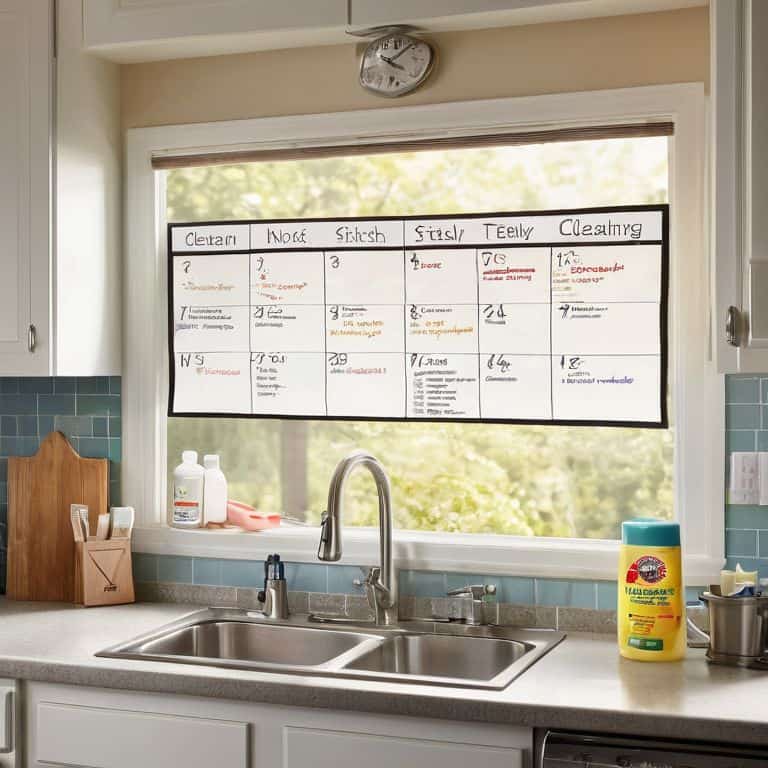
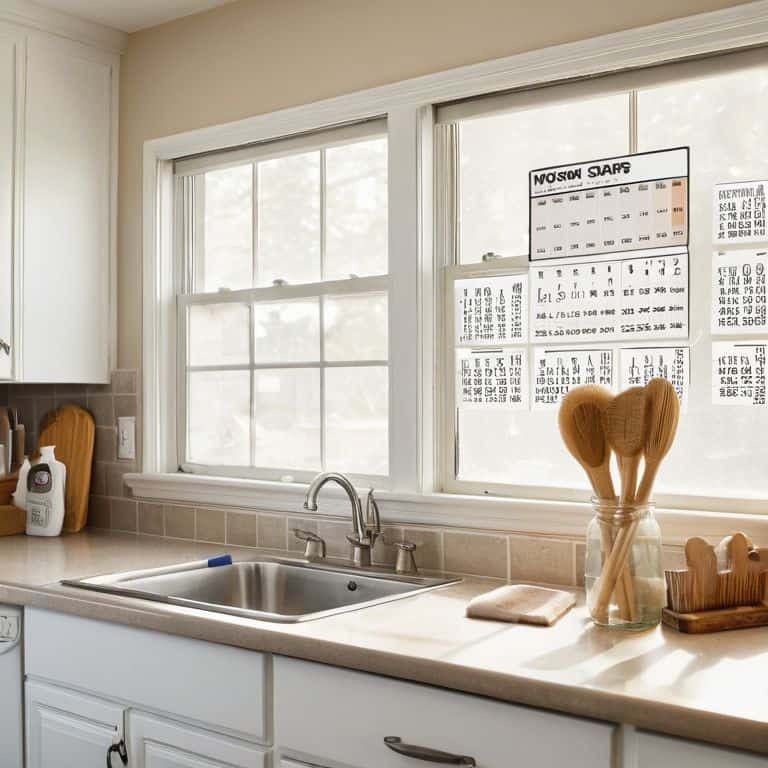
- 4. It’s time to create a routine. Break down your cleaning tasks into smaller, manageable chunks, such as wiping down the counters, sweeping the floor, or cleaning the sink. Assign each task to a specific day or time, and make sure to include some flexibility in case things don’t go as planned. You can use a planner, calendar, or app to stay organized and on track.
- 5. To make your cleaning schedule more efficient and effective, consider implementing a “zone cleaning” approach. Divide your kitchen into different zones, such as the counters, sink, and floors, and focus on one zone at a time. This will help you stay focused and ensure that each area of your kitchen receives the attention it needs.
- 6. Don’t forget to schedule deep cleaning tasks, such as cleaning the oven, refrigerator, or dishwasher. These tasks may not need to be done as frequently as daily or weekly cleaning, but they’re still important for maintaining a clean and hygienic kitchen. Consider setting aside one day a month for deeper cleaning tasks, or breaking them down into smaller tasks that can be completed over several days.
- 7. Finally, review and adjust your cleaning schedule regularly to make sure it’s working for you. Life can be unpredictable, and your cleaning schedule may need to adapt to changes in your schedule or lifestyle. Take a few minutes each month to review your schedule, make any necessary adjustments, and celebrate your progress. Remember, the key to a successful cleaning schedule is to be consistent, flexible, and patient, and to always keep your goals in mind.
Charting a Kitchen Cleaning Course

As I reflect on my time living on a sailboat, I realize that kitchen organization tips were crucial to maintaining a sense of calm in a small space. One of the most effective strategies I employed was to create a cleaning supply checklist to ensure I had everything I needed to keep my kitchen tidy. This simple step helped me stay on top of daily tasks and prevented clutter from building up.
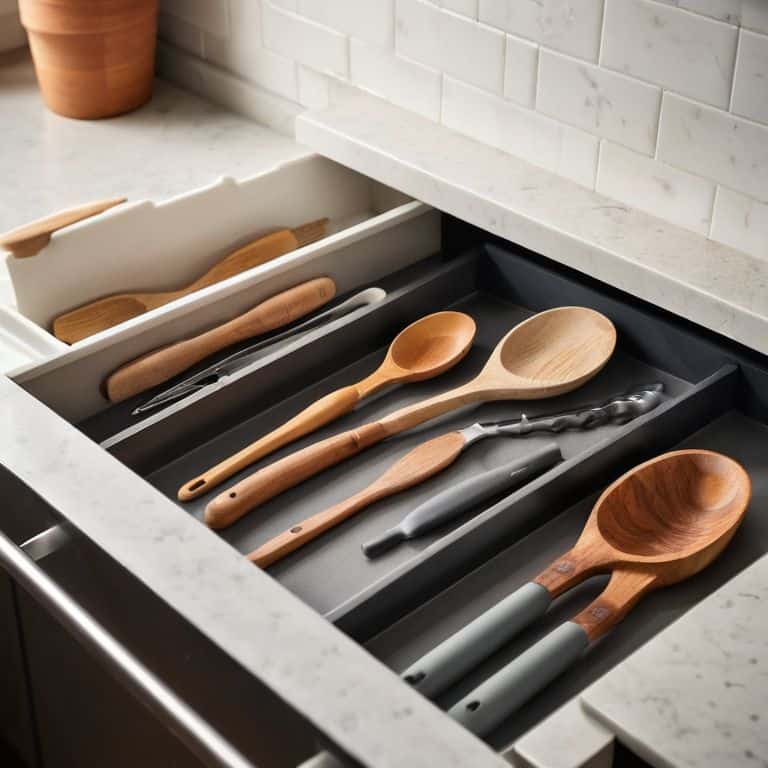
In small kitchens, it’s essential to maximize storage and keep frequently used items within easy reach. I’ve found that small kitchen storage ideas, such as using hooks and magnets to hang utensils and spices, can make a significant difference in maintaining a clutter-free environment. By implementing these strategies, you can create a daily kitchen maintenance routine that is both efficient and effective.
To take your kitchen cleaning to the next level, consider investing in kitchen cleaning tools for small spaces, such as a compact vacuum or a set of microfiber cloths. These tools can help you tackle tough messes and keep your kitchen sparkling, even in the coziest of spaces. By combining these tools with a well-planned kitchen deep cleaning checklist, you can ensure that your kitchen remains a peaceful and functional space that you’ll enjoy spending time in.
Daily Kitchen Maintenance Rhythms
To keep your kitchen in rhythm, I recommend establishing daily maintenance habits. This can be as simple as wiping down the counters after breakfast or loading the dishwasher immediately after dinner. By incorporating these small tasks into your daily routine, you’ll prevent clutter and grime from building up. I like to think of it as “swabbing the decks” – a quick once-over to keep everything shipshape.
For me, it’s about creating a flow that works with my daily schedule. I make sure to clean as I go, putting away utensils and ingredients after each meal. This not only saves time in the long run but also helps maintain a sense of calm in the kitchen. By finding your own daily maintenance rhythm, you’ll be amazed at how effortlessly your kitchen stays clean and organized, even in the smallest of spaces.
Small Space Kitchen Organization Tips
To keep your kitchen tidy, maximize vertical space with hooks and magnets for frequently used items. This simple trick helps maintain a clutter-free countertop. Consider a wall-mounted spice rack or pot lid organizer to make the most of your walls. By keeping essentials within easy reach, you’ll streamline your cooking process and reduce clutter.
In my own tiny kitchen, I’ve implemented a “one-in, one-out” rule to prevent overcrowding. This means that for every new item I bring in, an old one must be donated or discarded. It’s a simple yet effective way to maintain a balanced and organized space, even in the coziest of kitchens.
5 Essential Tips to Keep Your Kitchen Sparkling
- Start with a ‘one-touch’ rule: clean and put away items as soon as you’re done using them to avoid clutter and make cleaning easier
- Assign daily tasks like wiping down countertops and sweeping the floor to maintain a sense of rhythm and routine
- Designate a ‘landing strip’ near the entrance of your kitchen where family members can place their belongings to keep clutter at bay
- Incorporate vertical storage solutions like hooks and magnets to maximize your kitchen’s limited space and keep frequently used items within easy reach
- Schedule a weekly ‘deep clean’ session to tackle tougher tasks like oven cleaning and fridge organization, and make it a habit by incorporating it into your weekly routine
Key Takeaways for a Sparkling Kitchen
Create a personalized kitchen cleaning schedule that fits your lifestyle and available time, ensuring your small space remains functional and peaceful
Implement daily maintenance rhythms, such as wiping down countertops and washing dishes immediately after meals, to prevent clutter and grime buildup
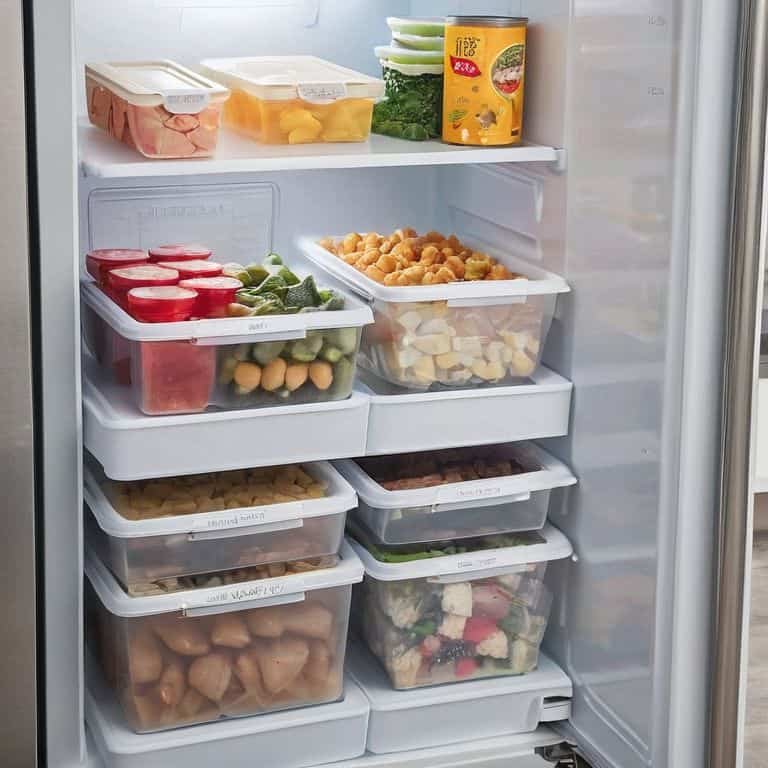
Utilize clever storage solutions and vertical space to maximize your kitchen’s potential, keeping frequently used items accessible and less-used items neatly stored away
Scheduling Sanity
A kitchen cleaning schedule is not just about scrubbing surfaces, it’s about crafting a rhythm that brings harmony to your daily routine and serenity to your smallest spaces.
Miles Corbin
Bringing it All Together: A Sparkling Kitchen Awaits
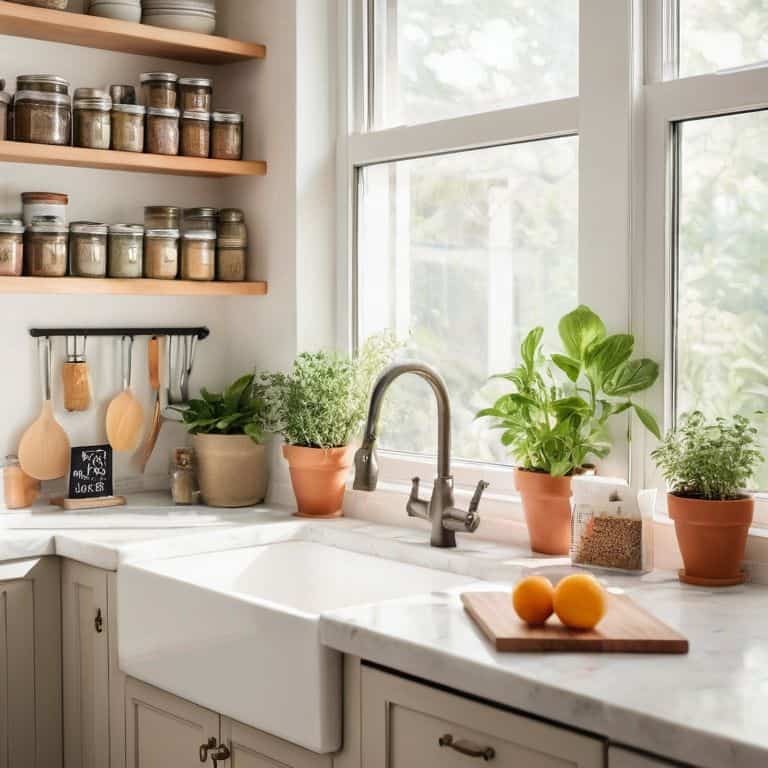
As we’ve navigated the process of creating a kitchen cleaning schedule, we’ve covered the essential steps to turn your kitchen into a functional oasis. From establishing a daily routine that sets the tone for a clean and organized space, to implementing clever storage solutions that maximize your kitchen’s vertical space, every detail matters. By incorporating these habits and tips into your daily life, you’ll find that maintaining a clean and organized kitchen is not only achievable but also a key part of practicing self-care in your own home.
Now, as you embark on this journey to a more organized, more peaceful kitchen, remember that it’s all about finding a balance that works for you. Don’t be too hard on yourself if you miss a day or two – simply get back on track and keep moving forward. With time and practice, your kitchen will transform into a space that inspires creativity and nourishes both body and soul. So, go ahead, take a deep breath, and let the joy of cooking and sharing meals with loved ones fill your heart and your home.
Frequently Asked Questions
How often should I clean my kitchen counters and sink to maintain a hygienic environment?
For a hygienic kitchen, I recommend wiping down counters and sink after every meal, and deep cleaning them at least once a week. This rhythm keeps germs at bay and prevents crumbs from building up. Trust me, it’s a game-changer for small spaces – a few minutes a day can make all the difference!
What are some essential cleaning products I should always have on hand for a small kitchen?
For a small kitchen, I swear by a few essentials: an all-purpose cleaner, a gentle scrubber, and some microfiber cloths. I also love having a dish soap that doubles as a hand soap, and a trusty bottle of white vinegar for tackling tough stains and smells. These multitaskers help keep my sailboat-honed space tidy and clutter-free!
Can I adapt a kitchen cleaning schedule to fit my busy lifestyle and irregular work hours?
Absolutely, I’ve worked with clients who have non-traditional schedules. We can tailor your kitchen cleaning schedule to fit your unique rhythms, whether that’s breaking tasks into smaller chunks or scheduling deeper cleans on your days off. Let’s work together to find a flow that works for you, even on the most chaotic of weeks.