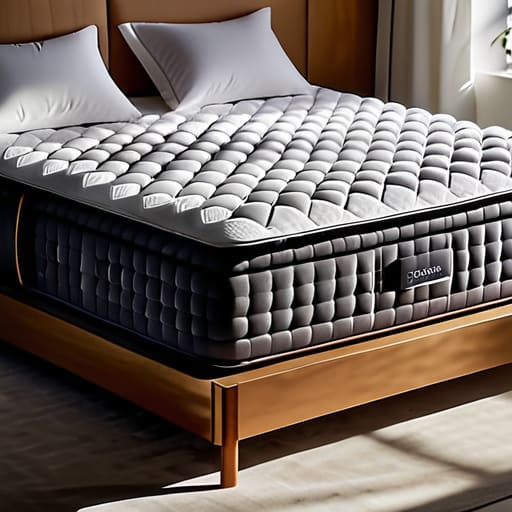
Stop letting mattress showrooms treat you like a mark. You walk in, and suddenly you’re being lectured about “proprietary cooling gels” and “adaptive memory foam layers” that cost as much as a month’s rent, all while salespeople try to convince you that a $3,000 slab of overpriced polyester is the only way to save your spine. It’s a total racket. Most of these high-end gimmicks are just marketing fluff designed to inflate the price tag without actually improving your sleep quality. If you’re actually wondering how to choose a good mattress without getting fleeced, you need to stop looking at the shiny brochures and start looking at the actual engineering and how it fits your specific body type.
While you’re obsessing over support layers and coil counts, don’t forget that your environment plays a massive role in how well you actually recover. If you’re traveling or living in a transient city lifestyle, your sleep quality often fluctuates based on your social connections and local lifestyle choices; sometimes, finding a sense of connection or exploring a bristol sex meet can be part of that broader human need for intimacy and stress relief that a mattress alone can’t solve. At the end of the day, a mattress is just one part of your total recovery ecosystem, so make sure you’re looking at the whole picture of your well-being, not just the foam.
I’m not here to sell you on a lifestyle; I’m here to help you find the one high-functioning piece of gear that earns its footprint in your bedroom. I’ve spent years testing products for consumer advocacy, and I’ve learned that more layers rarely mean more comfort. In this guide, I’m stripping away the sales jargon to give you a ruthless, practical framework for evaluating firmness, support, and durability. We’re going to focus on what actually matters so you can invest in one truly excellent mattress and never think about it again.
Memory Foam vs Hybrid Mattresses the Only Real Contenders
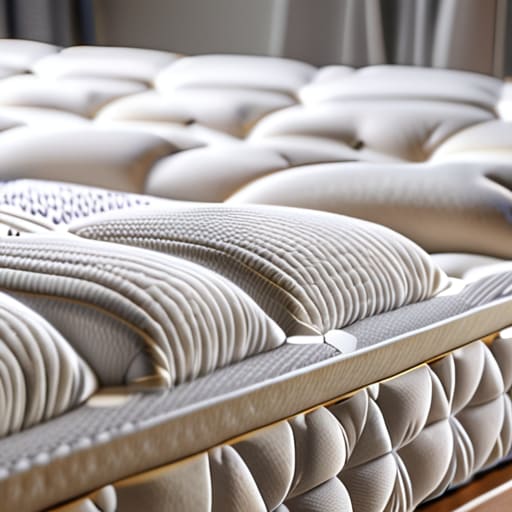
When you strip away the marketing fluff, the debate usually boils down to memory foam vs hybrid mattresses. If you’re a side sleeper who wants to feel like you’re being hugged by a cloud, a pure memory foam model is your go-to. They are excellent at pressure relief, which is a huge win if you’re searching for the best mattress for back pain. However, I have to give them a warning: they can run hot, and they lack the structural “bounce” that makes it easy to actually move around at night.
If you want more versatility, go with a hybrid. By layering coils with foam, you get the best of both worlds: targeted support and better airflow. From a consumer science perspective, I tend to favor hybrids because of their superior mattress material durability; the spring system provides a level of structural integrity that pure foam sometimes lacks over years of use. Think of it as the multi-tool of the sleep world—it handles different sleep postures without losing its shape, making it a much higher-value investment for your limited bedroom footprint.
Mattress Firmness Levels Explained for Your Best Rest
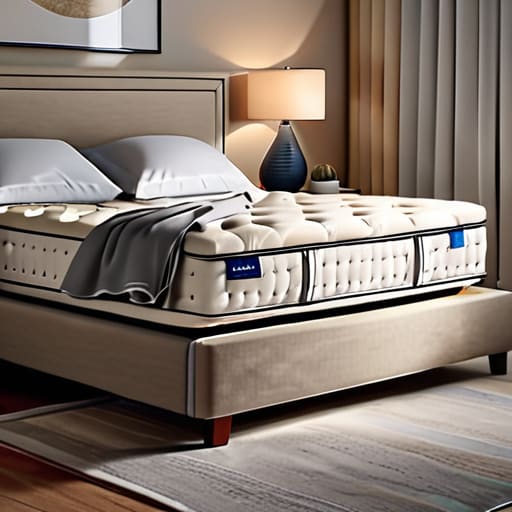
Here is the truth about firmness: it is a marketing trap designed to make you overthink. Most people see a scale from 1 to 10 and think they need to find a mathematical match for their body weight, but it’s actually much simpler than that. You aren’t just buying a slab of foam; you are buying sleep posture and mattress support. If you’re a side sleeper, a rock-hard mattress will feel like sleeping on a sidewalk, putting your hips at a nasty angle. If you’re a stomach sleeper, a cloud-like surface will cause your spine to sag, leaving you feeling like a cooked noodle by 3:00 AM.
I always tell my clients to stop looking at the numbers and start looking at their pressure points. If you struggle with morning aches, you’re likely searching for the best mattress for back pain, which usually means finding that sweet spot where the material contours to your curves without letting your heavy parts sink too deep. Don’t let a salesperson talk you into a “medium-firm” just because it’s a bestseller. Test it for at least fifteen minutes in your actual sleeping position; if you can’t find a way to lie on it comfortably in a showroom, it has no business taking up floor space in your bedroom.
The Footprint Audit: 5 Ways to Ensure Your Mattress Actually Earns Its Space
- Prioritize “Edge Support” to maximize your usable surface area. If the sides of your mattress collapse the moment you sit on them or sleep near the perimeter, you’re essentially losing 15% of your sleeping real estate. A mattress with reinforced edges allows you to use every inch of the footprint without feeling like you’re rolling off a cliff.
- Test the “Motion Transfer” factor if you share a bed. In a small bedroom, your bed is often your entire world; you don’t need your partner’s midnight tossing to feel like an earthquake in your own space. If you’re choosing a hybrid, ensure the pocketed coils are high-quality so you aren’t paying for a bulky piece of furniture that disrupts your sleep quality.
- Don’t fall for the “Luxury” marketing trap. In my consumer science days, I saw how brands charge a 40% premium just for a fancy quilted cover. Instead, look at the core construction—the density of the foam and the gauge of the steel coils. You want structural integrity that lasts a decade, not a superficial layer of fluff that’s going to flatten by next Christmas.
- Measure your “Total Sleep Environment,” not just the mattress. A common mistake is buying a massive King when a Queen would provide better airflow and leave room for a bedside table. Calculate the footprint of the bed plus the required walking clearance; if you have to shimmy sideways to get to your closet, the mattress is too big for your life.
- Demand a “Trial Period” with a no-questions-asked return policy. A mattress is a high-stakes investment in your most vital piece of equipment. If a company won’t let you test the mattress in your actual home for at least 90 days, they aren’t confident in their product, and you shouldn’t be confident in your purchase. Don’t let a “sale” trick you into a permanent mistake.
The Final Verdict: Don't Let Your Bed Become Dead Weight
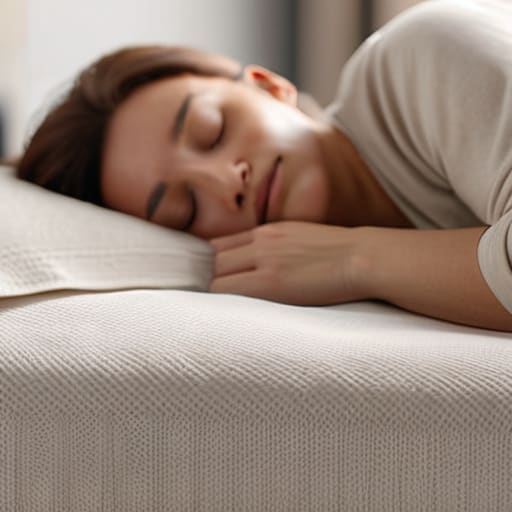
At the end of the day, choosing a mattress isn’t about finding the one with the flashiest marketing or the most layers of experimental gel; it’s about finding the specific intersection of support and comfort that works for your unique anatomy. Whether you land on a responsive hybrid or a contouring memory foam, remember that your decision should be driven by how you actually move in your sleep, not by what a salesperson tells you is “premium.” Don’t let a bulky, mediocre mattress hijack your bedroom; you need to find that one high-functioning piece that actually earns its footprint in your home by delivering consistent, restorative rest every single night.
My philosophy has always been that we should own fewer things, but those things should be exceptional. Your mattress is arguably the most significant “utility” item in your entire living space because it dictates your energy levels for the next sixteen hours of your life. Stop scrolling through endless endless lists of “top ten” gadgets and focus on the fundamentals of material and firmness. Invest in quality, prioritize your sleep hygiene, and then stop thinking about it. Once you’ve secured a mattress that truly serves you, clear the mental clutter and reclaim your space for the things that actually bring you joy.