I still remember the day I realized that a cluttered kitchen wasn’t just an eyesore, but a stress trigger. I was living on a sailboat at the time, and every inch of space mattered. As I embarked on a journey to create a guide to decluttering kitchen utensils, I discovered that the key to a peaceful kitchen wasn’t about having the latest gadgets, but about creating systems that worked. My experience taught me that a well-organized kitchen is not just a luxury, but a necessity for a calm and focused life.
In this article, I’ll share my practical tips for taming the chaos of kitchen utensils, gleaned from years of living in small spaces. You’ll learn how to sort, categorize, and store your utensils in a way that makes sense for your unique kitchen layout. From maximizing vertical space to implementing a “one-in, one-out” policy, I’ll walk you through a step-by-step process to create a kitchen that is both functional and beautiful. By the end of this guide to decluttering kitchen utensils, you’ll be equipped with the knowledge and inspiration to transform your kitchen into a haven of calm and productivity.
Table of Contents
- Guide Overview: What You'll Need
- Step-by-Step Instructions
- A Guide to Decluttering Kitchen Utensils
- Minimalist Kitchen Essentials for Beginners
- Optimizing Kitchen Drawer Space With Utensil Storage Solutions
- 5 Essential Tips to Tame the Utensil Chaos
- Key Takeaways for a Clutter-Free Kitchen
- Finding Serenity in the Kitchen
- Embracing a Clutter-Free Kitchen
- Frequently Asked Questions
Guide Overview: What You'll Need
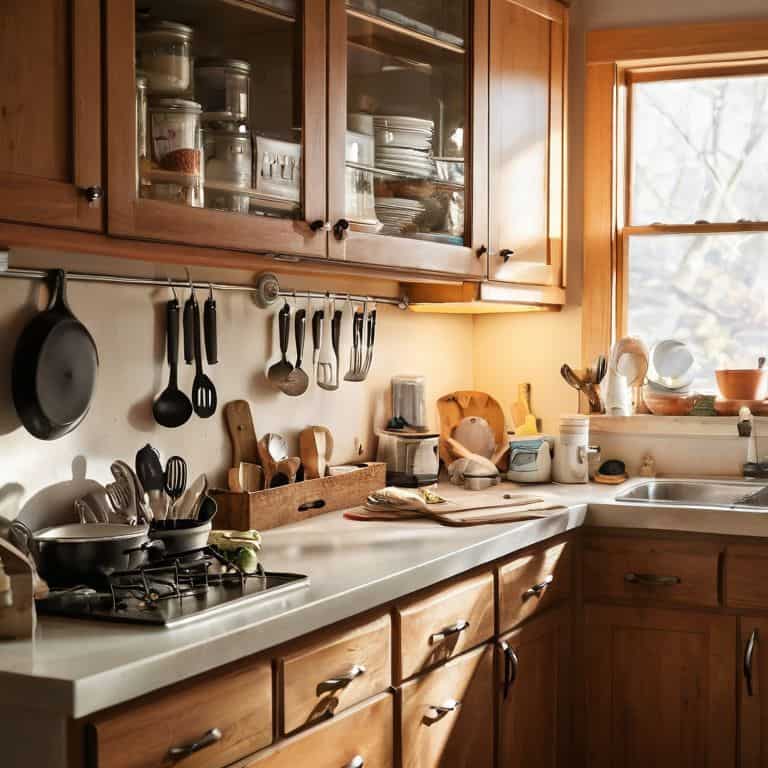
Total Time: 1 hour 30 minutes
Estimated Cost: $10 – $20
Difficulty Level: Easy
Tools Required
- Sorting bins (at least 3)
- Label maker (optional)
- Measuring tape (for measuring storage spaces)
Supplies & Materials
- Storage containers (various sizes)
- Drawer dividers (if needed)
- Adhesive hooks (for hanging items)
Step-by-Step Instructions
- 1. First, let’s start by clearing everything out of our kitchen utensil drawers and laying all the items on a flat surface, like a countertop or table. This will give us a good idea of what we’re working with and help us decide what to keep, what to donate, and what to throw away. As we’re doing this, I want you to think about the 80/20 rule, which states that 80% of the time, we only use 20% of our belongings.
- 2. Next, we need to categorize our utensils into groups, such as baking, cooking, and serving. This will make it easier to decide what we need to keep and what we can get rid of. For example, if we have multiple sets of measuring cups, we can keep only our favorite set and donate the rest. As we’re categorizing, let’s also think about the frequency of use, and be honest with ourselves about which utensils we use on a daily basis.
- 3. Now, let’s purge any unnecessary items from our collection. This includes broken or damaged utensils, duplicates, and items that are no longer useful. Be ruthless – if we don’t need it, let’s get rid of it. Remember, the goal is to simplify our space and make our lives easier. As we’re purging, let’s also think about the cost per use, and ask ourselves if an item is really worth keeping.
- 4. Once we’ve purged our collection, it’s time to clean and sanitize our utensils and storage containers. This will give us a fresh start and help prevent the spread of bacteria and other germs. Let’s wash all our utensils in warm soapy water, dry them thoroughly, and then sanitize them with a mixture of equal parts water and white vinegar. As we’re cleaning, let’s also think about the maintenance required for each item, and consider whether it’s really worth the effort.
- 5. Now that our utensils are clean and sanitized, it’s time to assign a home for each item. This means designating a specific place for each utensil, such as a hook for our favorite frying spatula or a drawer for our baking supplies. Let’s use hooks and magnets to maximize our vertical space and keep our countertops clear. As we’re assigning a home, let’s also think about the workflow of our kitchen, and try to place items in a logical and convenient location.
- 6. To keep our utensils organized and prevent clutter from building up again, let’s implement a “one-in, one-out” rule. This means that for every new utensil we bring into our kitchen, we need to get rid of an old one to make space for it. Let’s also schedule regular tidying sessions to maintain our newly organized space and prevent clutter from creeping back in. As we’re implementing this rule, let’s also think about the long-term benefits, and how a well-organized kitchen can improve our mental and physical health.
- 7. Finally, let’s take a step back and admire our handiwork. We’ve worked hard to declutter and organize our kitchen utensils, and it’s time to enjoy the fruits of our labor. Let’s take a moment to appreciate the sense of calm that comes with a well-organized space, and think about how we can apply these same principles to other areas of our home. As we’re admiring our newly organized kitchen, let’s also think about the possibilities for creativity, and how a clutter-free space can inspire us to try new recipes and experiment with new ingredients.
A Guide to Decluttering Kitchen Utensils
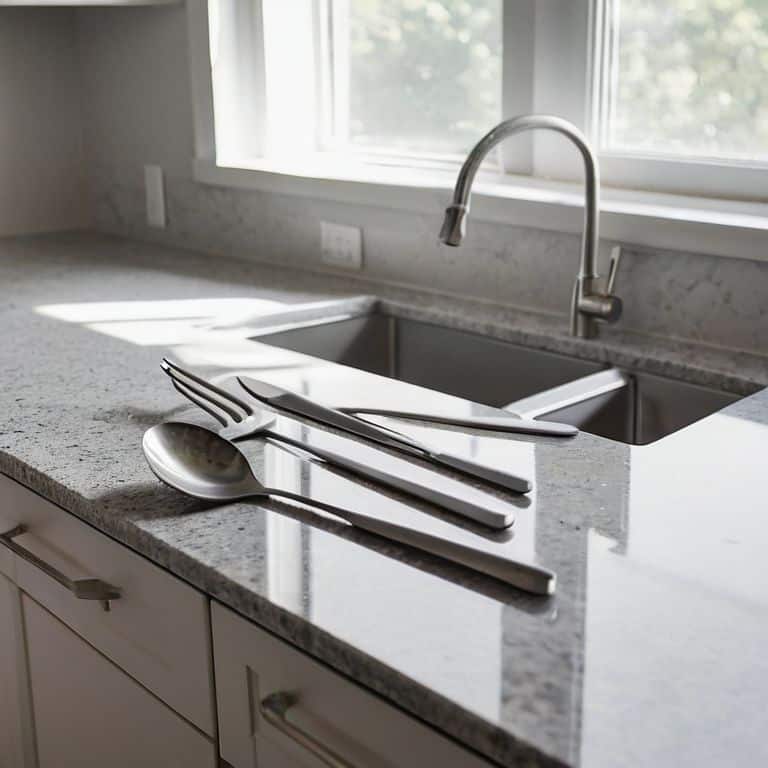
As I always say, kitchen organization ideas are all about simplicity and functionality. When it comes to decluttering kitchen utensils, it’s essential to focus on minimalist kitchen essentials. Ask yourself, do you really need three different types of spatulas? Probably not. By paring down your collection to only the most necessary items, you’ll be able to see what you have and make the most of your kitchen space.
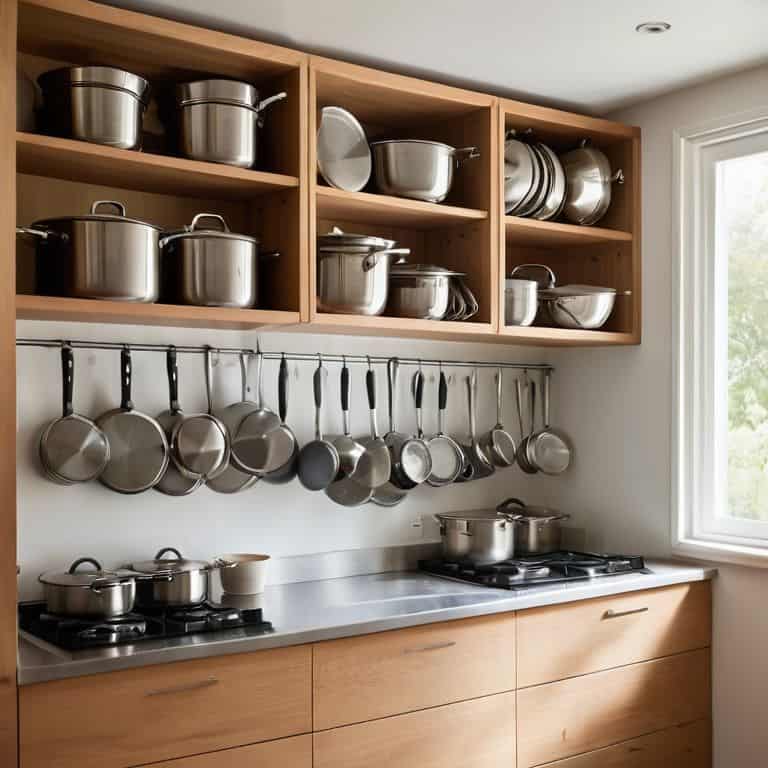
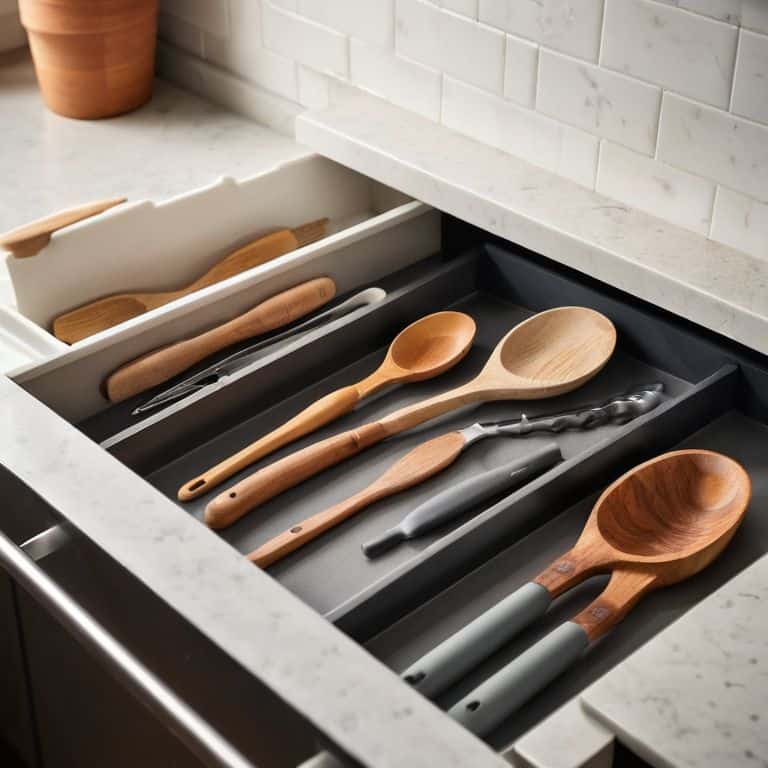
When it comes to storing your utensils, consider optimizing kitchen drawer space. This can be as simple as using a divider or installing a pegboard on the back of a cabinet door. By making the most of your vertical space, you can keep your countertops clear and your drawers organized. I also recommend exploring different kitchen utensil storage solutions, such as a utensil holder or a magnetic strip, to find what works best for you.
By implementing these strategies, you’ll be well on your way to creating a more efficient and peaceful kitchen environment. Remember, it’s all about finding a system that works for you and sticking to it. As a professional organizer, I’ve seen firsthand the impact that a well-organized kitchen can have on a person’s daily life. So, take a deep breath, grab a cup of coffee, and let’s get started on essential kitchen tools for beginners – you got this!
Minimalist Kitchen Essentials for Beginners
As a beginner, it’s essential to focus on the must-haves. I recommend starting with a core set of minimalist kitchen essentials: a good chef’s knife, a cutting board, and a versatile cooking pot. These basics will help you navigate any recipe and simplify your cooking process. By paring down to the essentials, you’ll be amazed at how effortless meal prep becomes.
I’ve found that adopting a ‘one-in, one-out’ policy helps maintain this streamlined approach. For every new item you bring into your kitchen, consider letting go of an old one. This mindset shift will help you avoid clutter and keep your kitchen organized, making the most of your vertical space with clever hooks and magnets to store your essentials within easy reach.
Optimizing Kitchen Drawer Space With Utensil Storage Solutions
To truly optimize your kitchen drawer space, consider investing in a utensil organizer or divider. This simple addition can help you maximize vertical space and keep your drawers clutter-free. I’m a big fan of using hooks and magnets to hang frequently used items, like oven mitts or utensils, on the back of a cabinet door or on the side of a drawer. This not only saves space but also makes them easily accessible. By implementing these storage solutions, you can create a peaceful and functional kitchen environment that makes cooking a joy.
5 Essential Tips to Tame the Utensil Chaos
- Start by emptying your kitchen drawers and sorting utensils into categories, like baking, cooking, and serving, to get a clear picture of what you have
- Purge any duplicates, broken, or unused items – remember, my ‘one-in, one-out’ rule is key to maintaining a clutter-free kitchen
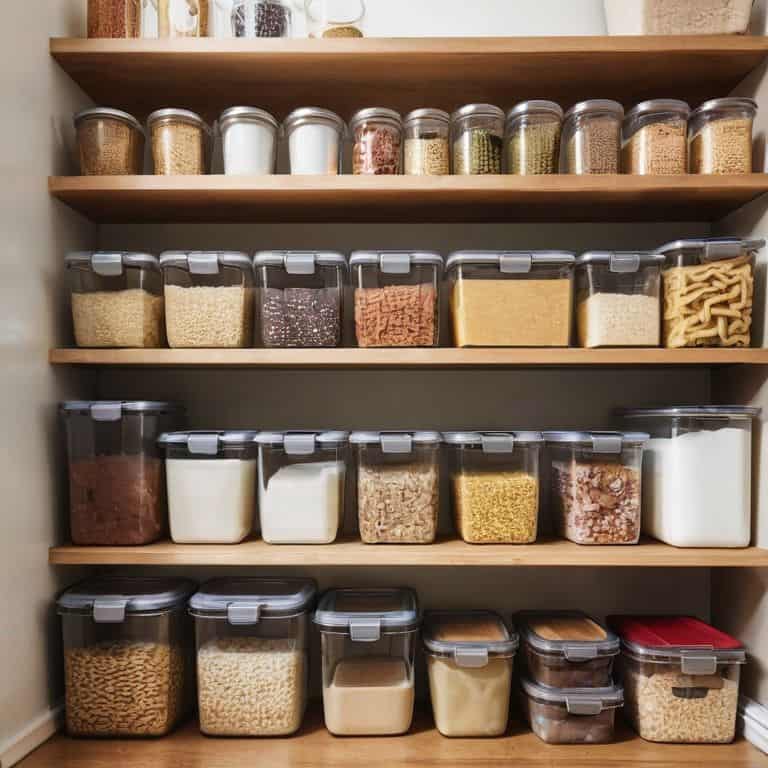
- Assign a home for each utensil, using vertical space and clever storage solutions like hooks, magnets, and adhesive strips to maximize your kitchen’s potential
- Implement a ‘clean as you go’ policy to prevent clutter from building up, and make cleaning a breeze by designating a spot near the sink for frequently used utensils
- Schedule regular ‘utensil audits’ to maintain your newly organized kitchen, and don’t be afraid to get creative with DIY storage solutions or repurposed items to keep your space functional and beautiful
Key Takeaways for a Clutter-Free Kitchen
Taming your kitchen utensils is all about creating a system that works for you, not against you – it’s time to rethink your storage and make the most of that vertical space
By adopting a ‘one-in, one-out’ rule and focusing on minimalist essentials, you can break free from the clutter cycle and find a sense of calm in your cooking space
Remember, it’s all about simplicity and functionality: with the right utensil storage solutions and a bit of creativity, you can turn even the smallest kitchen into a haven of efficiency and joy
Finding Serenity in the Kitchen
A clutter-free kitchen is not just a reflection of our physical space, but a gateway to a clearer mind – where every utensil, every gadget, and every inch of counter space tells a story of intention, simplicity, and joy.
Miles Corbin
Embracing a Clutter-Free Kitchen
As we’ve navigated this guide to decluttering kitchen utensils, we’ve covered the essential steps to transform your kitchen into a serene and functional space. From identifying the must-haves in your kitchen to implementing clever storage solutions, every step has been designed to help you regain control over your culinary domain. By applying the principles of minimalist kitchen essentials and optimizing your kitchen drawer space, you’re not only freeing up physical space but also mental energy. It’s about creating a space that inspires you to cook, to experiment, and to enjoy the process.
As you stand in your newly organized kitchen, surrounded by the simple joys of cooking, remember that maintaining this space is a journey, not a destination. It’s about embracing a mindset where every item has its place and every moment in the kitchen is a chance to find peace and creativity. So, go ahead, take a deep breath, and let the calmness of your kitchen envelop you. With time and practice, the habits you’ve formed will become second nature, and you’ll find that the kitchen, once a source of stress, has become your sanctuary. Let’s keep our kitchens clutter-free, one utensil at a time, and discover the beauty in the simplicity of a well-organized space.
Frequently Asked Questions
How do I decide which kitchen utensils to keep and which to discard if I'm not sure when I'll need them?
For me, it’s all about the ‘one-in, one-out’ rule. If you haven’t used a utensil in a year, it’s likely safe to let it go. Ask yourself, ‘Can I replace it if I need it again?’ or ‘Can I improvise with something else?’ Be honest, and let go of the guilt – it’s liberating, I promise!
What are some creative ways to repurpose old or broken kitchen utensils instead of throwing them away?
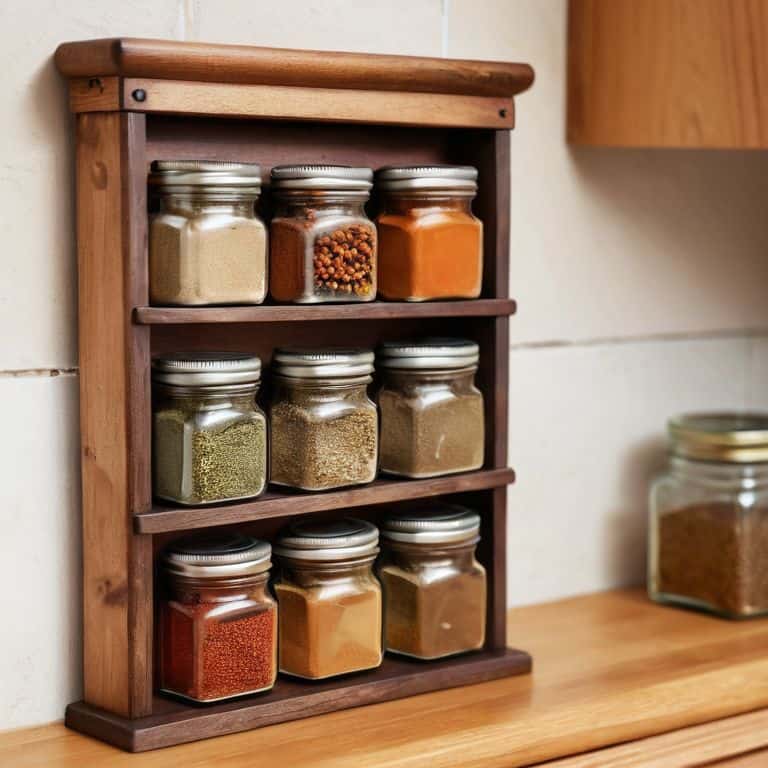
I love giving old utensils a new life. Try repurposing a broken whisk as a plant marker or transforming a worn-out spatula into a garden label. You can also upcycle old jars into spice containers or turn a rusty colander into a quirky planter. Get creative and breathe new life into those discarded kitchen gems!
Can you provide examples of how to implement a 'one-in, one-out' policy in a small kitchen with limited storage space?
For my ‘one-in, one-out’ policy, I swear by a simple swap: when I bring home a new kitchen gadget, I immediately remove or donate an old one to maintain balance. This rule helps me avoid clutter and makes the most of my limited kitchen storage space.