I still remember the day I had to purge my sailboat kitchen of all the unnecessary utensils and gadgets that had accumulated over the years. It was a daunting task, but I had to learn how to decide what kitchen utensils to get rid of in order to make the most of the limited space. As a professional organizer, I’ve seen many people struggle with the same issue, and I’m excited to share my expertise with you. If you’re tired of feeling overwhelmed by your cluttered kitchen, you’re in the right place. Let’s talk about how to decide what kitchen utensils to get rid of and create a more peaceful, functional space.
In this article, I’ll share my simple, step-by-step approach to decluttering your kitchen and getting rid of unnecessary utensils. You’ll learn how to let go of the guilt associated with getting rid of gifts or items that seem useful but never get used. I’ll also provide you with practical tips on how to maximize your kitchen’s vertical space and make the most of your storage options. By the end of this guide, you’ll be equipped with the knowledge and confidence to transform your kitchen into a joyful, efficient space that makes cooking and entertaining a breeze.
Table of Contents
Guide Overview: What You'll Need

Total Time: 1 hour 15 minutes
Estimated Cost: $0 – $10
Difficulty Level: Easy
Tools Required
- Box or Container (for donating or storing items)
- Marker or Label Maker (for labeling items to keep or donate)
Supplies & Materials
- Trash Bags (for disposing of items to throw away)
- Storage Bins or Baskets (for organizing items to keep)
Step-by-Step Instructions
- 1. First, let’s start by taking everything out of your kitchen drawers and cabinets. Yes, you read that right – everything! This will give you a good idea of what you’re working with and help you decide what to keep and what to discard. I like to call this the “kitchen utensil intervention” – it’s time to get real about what you need and what’s just taking up space.
- 2. Next, sort your kitchen utensils into categories, like baking, cooking, and serving. This will help you see where you have duplicates or triplicates of the same item and make it easier to decide what to keep. For example, do you really need three different types of whisks? Probably not.
- 3. Now, it’s time to get honest with yourself about each item. Ask yourself when you last used it and if it’s still in good condition. If you haven’t used it in the past year, it’s probably safe to say you won’t miss it if it’s gone. Be ruthless – if it’s broken or useless, it’s time to let it go.
- 4. Consider the 80/20 rule, which states that 80% of the time, you only use 20% of your belongings. This applies to kitchen utensils too – you likely only use a small fraction of them on a regular basis. Identify your most-used items and consider getting rid of the rest.
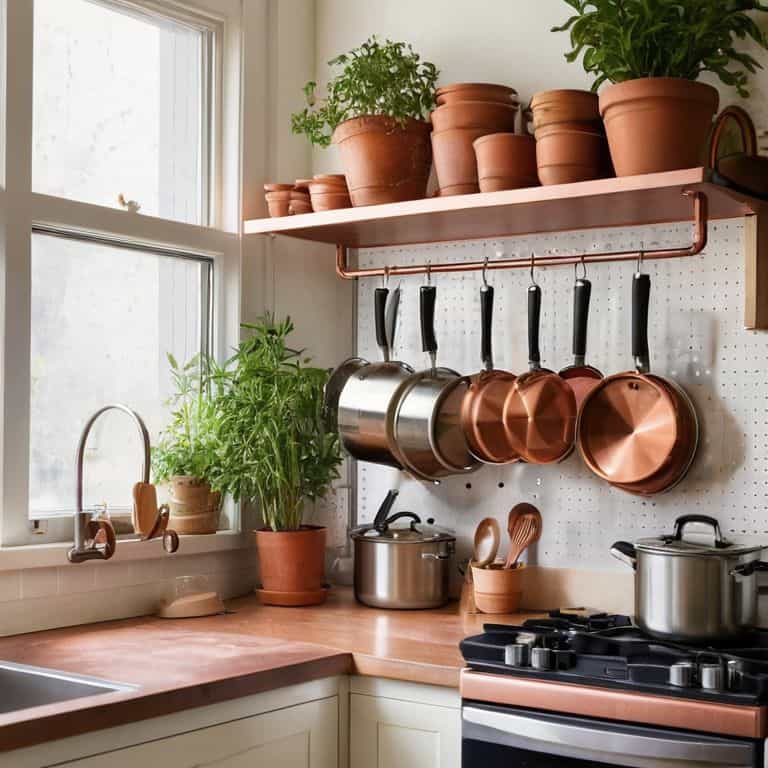
- 5. Think about the storage space you have available in your kitchen. If you have limited drawer or cabinet space, you’ll want to prioritize the items that are most important to you and get rid of anything that doesn’t fit or isn’t worth storing. Remember, vertical space is your friend – consider using wall-mounted hooks or magnets to store items like pots, pans, and utensils.
- 6. Now, let’s talk about sentimental value. We’ve all got that one kitchen gadget that was given to us by a loved one or holds some kind of sentimental value. If it’s not something you use regularly, consider taking a photo of it and letting it go. You can still cherish the memory without having to store the item.
- 7. Finally, implement the one-in, one-out rule in your kitchen. This means that for every new kitchen utensil you bring into your kitchen, you have to get rid of an old one. This will help you maintain a balanced amount of kitchen utensils and prevent clutter from building up again in the future. It’s all about finding that perfect balance between having what you need and not having too much.
Decluttering Kitchen Bliss

As I always say, kitchen decluttering tips are all about creating a sense of flow in your cooking space. When you’re surrounded by clutter, it’s hard to focus on the joy of cooking. That’s why I recommend streamlining kitchen gadgets to only the essentials. For me, that means keeping only my favorite chef’s knife, a sturdy cutting board, and a few well-loved pots and pans.
By simplifying kitchen tool collections, you’ll not only free up physical space, but also mental energy. Think about it: when you have fewer options, you’re more likely to use what you have, and use it well. I like to think of it as a form of minimalist cooking essentials – you don’t need a million gadgets to cook a great meal. And when you’re done, consider donating gently used kitchen items to someone who might appreciate them more.
As you work through the process of organizing kitchen drawers, remember that it’s okay to take your time. Simplifying your kitchen is a journey, not a destination. Focus on creating a space that feels peaceful and functional, and don’t be afraid to get creative with your storage solutions. I love using magnets and hooks to maximize my vertical space – it’s amazing how much of a difference it can make in a small kitchen!
Minimalist Cooking Essentials Uncovered
Now that we’ve tackled the clutter, let’s talk about the good stuff – the essentials that bring us joy in the kitchen. For me, it’s all about simplicity and functionality. I’ve found that having a few, high-quality utensils makes cooking a breeze. A good chef’s knife, a sturdy cutting board, and a versatile frying pan are my top picks. These minimalist cooking essentials allow me to whip up a storm without the chaos of clutter. By focusing on what truly adds value to our cooking experience, we can create a sense of freedom and creativity in the kitchen.
Streamlining Gadgets for Serenity
As I always say, a clutter-free kitchen is a serene kitchen. Now that we’ve uncovered the minimalist cooking essentials, let’s talk about streamlining those gadgets. I’m a big believer in the power of hooks and magnets to keep your kitchen organized. Consider installing a pegboard on a wall or the side of a cabinet to hang your most-used gadgets, freeing up valuable counter space. This simple trick can make a huge difference in the overall feel of your kitchen.
By paring down your gadgets to only the most necessary and convenient ones, you’ll be amazed at how much more peaceful your cooking experience becomes. Remember, every item you own should have a designated home – and if it doesn’t, it’s probably time to reconsider its place in your kitchen. With a little creativity and some clever storage solutions, you can turn your kitchen into a haven of tranquility and efficiency.
Utensil Liberation: 5 Tips to Help You Decide What to Let Go Of
- Let the one-year rule be your guide: if you haven’t used it in a year, it’s probably safe to say you won’t miss it
- Be honest with yourself about your cooking habits – if you’re a pasta lover, keep the spaghetti fork, but ditch the fondue set
- Consider the 80/20 rule: 80% of the time, you likely only use 20% of your utensils, so focus on keeping only the most used items
- Ask yourself if you have duplicates – do you really need three whisks or can you get by with just one?
- Imagine your ideal kitchen workflow: what utensils will make cooking easier and more enjoyable for you, and which ones are just getting in the way?
Key Takeaways for a Clutter-Free Kitchen
Let go of kitchen utensils that haven’t been used in a year to free up space and reduce decision fatigue
Prioritize minimalist cooking essentials and streamline gadgets to create a serene and functional kitchen environment
Implement a ‘one-in, one-out’ rule to maintain your newly organized kitchen and prevent clutter from building up again
Simplifying the Kitchen
The key to deciding what kitchen utensils to get rid of is to ask yourself, ‘Does it spark joy, or just spark clutter?’ If it’s the latter, it’s time to set your kitchen free and find a new home for that unused utensil, because a clutter-free kitchen is a recipe for a happier you!
Miles Corbin
Embracing a Clutter-Free Kitchen

As we’ve journeyed through the process of deciding what kitchen utensils to get rid of, we’ve uncovered the importance of minimalist cooking essentials and streamlining gadgets for a more serene cooking experience. By applying the one-in, one-out rule and being honest about our usage of each utensil, we can create a kitchen that is not only more organized but also more enjoyable to spend time in. Remember, it’s about creating a space that sparks joy and makes cooking a stress-free experience.
As you stand in your newly decluttered kitchen, surrounded by only the utensils and gadgets that bring you value, I hope you feel a sense of pride and accomplishment. You’ve taken the first step towards creating a kitchen that is truly a reflection of your culinary style and needs. So go ahead, take a deep breath, and let the calmness of your kitchen inspire you to create delicious meals and make lasting memories with your loved ones.
Frequently Asked Questions
What are some common kitchen utensils that people rarely use and can easily get rid of?
Let’s face it, friend – items like egg slicers, avocado pits, and that fancy schmancy pastry brush often collect dust. If you’re being honest, you probably haven’t used them in months. It’s time to let them go and free up some space for the essentials that bring you cooking joy!
How do I decide which utensils to keep if I have multiple items that serve the same purpose?
If you’ve got multiple utensils doing the same job, ask yourself: which one gets used most? Is it the most efficient? The most enjoyable to use? Let that be your guide. For me, it’s all about the ‘one-in, one-out’ rule – keep the best, let the rest sail away!
Are there any specific categories of kitchen utensils, like baking or cooking tools, that are more prone to clutter and should be prioritized for decluttering?
Let’s tackle those baking and cooking tools first – they tend to multiply quickly. I’ve found that utensils like pastry brushes, silicone spatulas, and specialized cooking gadgets are common culprits of clutter. Start by sorting these into categories and be honest, how often do you really use them?