I still remember the day I realized that a cluttered pantry was not just an eyesore, but a stress trigger. As someone who’s lived on a sailboat, I’ve learned to appreciate the value of a well-organized space. That’s why I’m excited to share with you a guide to creating a pantry inventory that will transform your kitchen into a haven of calm. For me, it all started with a simple question: what’s hiding in my pantry? By taking stock of what I had, I was able to create a system that made cooking and meal prep a breeze.
In this article, I’ll walk you through the step-by-step process of creating a pantry inventory that works for you. You’ll learn how to purge expired items, categorize your staples, and optimize your storage space. My goal is to provide you with practical advice that you can apply immediately, without any fancy gadgets or expensive renovations. By the end of this guide, you’ll have a clear plan to turn your pantry into a functional and peaceful space that makes cooking a joy. So, let’s get started on this journey to create a guide to creating a pantry inventory that will simplify your life and make your kitchen a happier place.
Table of Contents
Guide Overview: What You'll Need
Total Time: 1 hour 30 minutes
Estimated Cost: $10 – $20
Difficulty Level: Easy
Tools Required
- Pen (for writing labels)
- Pencil (for making notes)
- Eraser (for correcting mistakes)
Supplies & Materials
- Index Cards (for creating inventory cards)
- Clipboard (for organizing cards)
- Shelves or Storage Bins (for organizing pantry items)
- Labels and Label Maker (for labeling shelves and bins)
Step-by-Step Instructions
- 1. First, let’s clear the clutter and take everything out of your pantry. Yes, you read that right – everything. This will give you a chance to see what you’re working with and make a plan for what you want to keep, what you can donate, and what’s past its expiration date. Start by removing all the items from your pantry shelves and sorting them into categories, like grains, canned goods, and baking supplies.
- 2. Next, give your pantry a good deep clean. Wipe down the shelves, sweep and mop the floor, and throw away any trash or expired items. This is also a great opportunity to check for any signs of pests or moisture damage. Once your pantry is clean and dry, you can start thinking about how you want to organize your space.
- 3. Now it’s time to _categorize and purge_. Go through each category of food and get rid of anything that’s expired, stale, or just plain unnecessary. Be honest with yourself – if you haven’t used it in the past year, it’s probably safe to get rid of it. Consider donating unopened items to a local food bank or soup kitchen.
- 4. With your pantry cleaned out and your items categorized, it’s time to _assign a home_ for each item. This means deciding which shelves or containers will hold each type of food. Think about the items you use most frequently and try to place them at eye level or near the front of the pantry. Less frequently used items can be stored on higher or lower shelves.
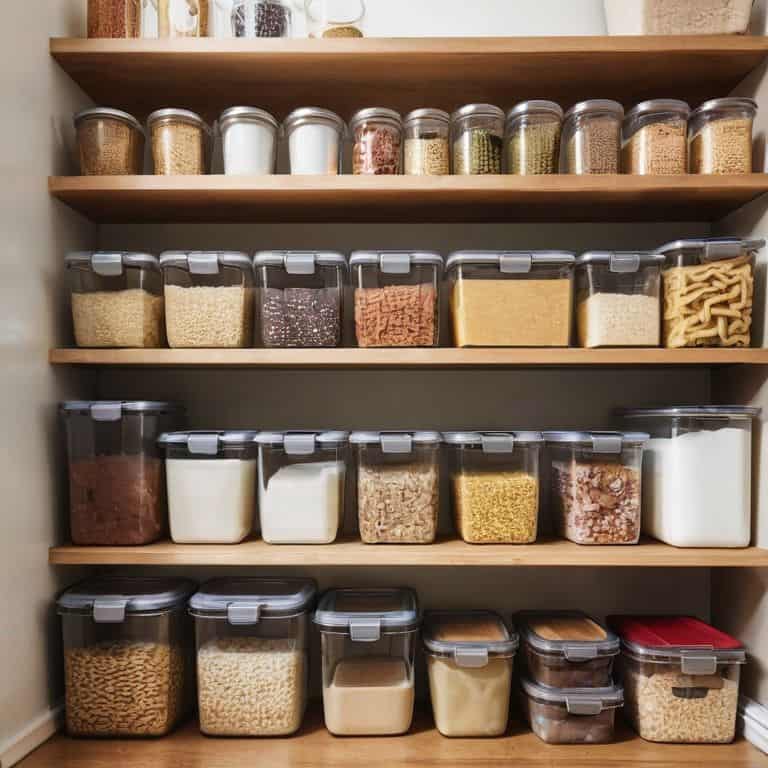
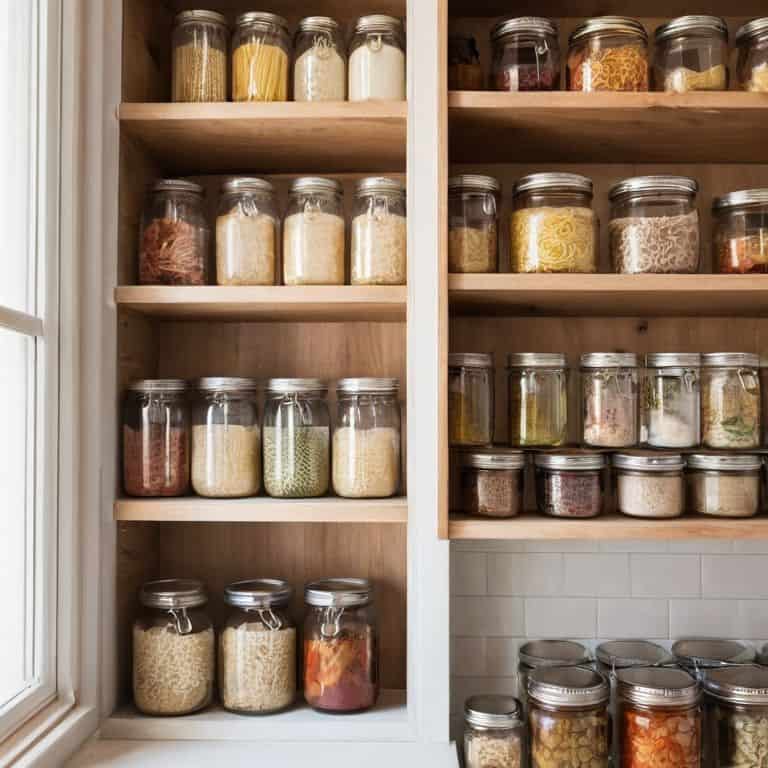
- 5. Once you have a plan for where everything will go, it’s time to create a storage system. This might involve investing in some baskets, bins, or shelves to help keep your items organized. Consider using _stackable containers_ to maximize your vertical space and keep similar items together. Label each container so you can easily find what you need.
- 6. Now that your pantry is organized, it’s time to make a list. Write down every item in your pantry, including the quantity and expiration date (if applicable). This will help you keep track of what you have and what you need to restock. You can use a notebook or spreadsheet to keep your list organized, or try using a pantry inventory app to make it easier.
- 7. Finally, set a maintenance schedule to keep your pantry organized and clutter-free. Set a reminder to review your pantry inventory every few months and get rid of anything that’s expired or no longer needed. Try to implement a “one in, one out” policy to prevent clutter from building up again. By following these steps and staying on top of your pantry organization, you can create a peaceful and functional kitchen space that makes cooking and meal prep a breeze.
Navigating Pantry Bliss
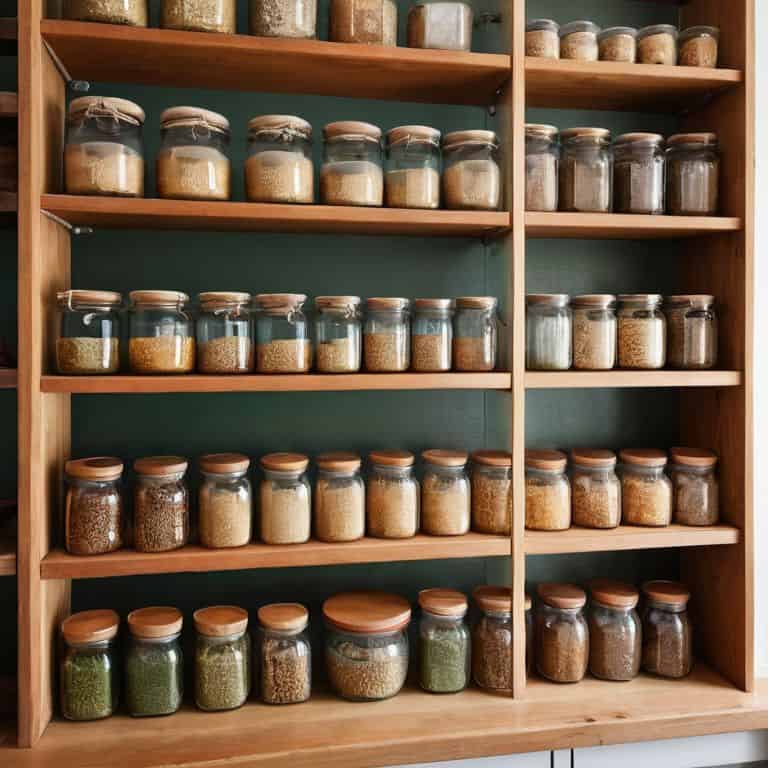
As you embark on this journey to effective pantry organization systems, remember that it’s all about creating a rhythm that works for you. I like to think of it as charting a course through your kitchen, where every item has its designated spot, making it easier to navigate and find what you need. By implementing a simple system, you’ll be able to manage your food expiration dates with ease, reducing waste and saving you money in the long run.
To take your pantry organization to the next level, consider strategies for reducing kitchen clutter. This can be as simple as implementing a “one-in, one-out” policy, where you get rid of an old item every time you bring a new one into your pantry. You can also utilize digital tools for inventory tracking, making it easier to keep tabs on what you have and what you need to restock. By streamlining your pantry, you’ll be able to focus on the fun part – cooking and enjoying delicious meals.
By creating a well-organized pantry, you’ll be able to create a grocery shopping budget that actually works for you. You’ll know exactly what you need to buy and when, reducing impulse purchases and saving you money. This, in turn, will allow you to focus on meal planning based on pantry staples, making cooking a breeze and reducing stress in the kitchen. With a little practice, you’ll be navigating your pantry like a pro, and enjoying the benefits of a calm and organized kitchen.
Charting Expiration Dates
As we navigate pantry bliss, it’s essential to keep track of expiration dates. I like to think of it as plotting a course through treacherous waters – you need to know what’s safe to consume and what’s best left behind. To do this, I recommend using a simple labeling system: write the date you opened or purchased an item on its packaging, and group similar items together. This way, you can easily see what’s nearing its expiration date and plan your meals accordingly.
By keeping tabs on expiration dates, you’ll reduce food waste and save money in the long run. Plus, it’s a great way to ensure you’re always cooking with fresh ingredients. I use a combination of labels, magnets, and a trusty notebook to stay on top of things – and I’ve found that it makes all the difference in maintaining a peaceful and functional pantry.
Simplifying Grocery Budgets
As I always say, a well-organized pantry is just the beginning. To truly navigate pantry bliss, you need to simplify your grocery budgets. I’ve found that having a clear picture of what you already have on hand helps you avoid duplicate purchases and reduces food waste. By referencing your pantry inventory, you can plan your grocery trips with precision, buying only what you need to complement what you already have.
This approach has been a game-changer for me, especially during my sailboat days when storage and budget were limited. Now, I apply the same principle to my clients’ kitchens, helping them save money and reduce stress. By streamlining your grocery budgets, you’ll be amazed at how much more manageable your kitchen becomes, and how much more enjoyable cooking and meal planning can be.
5 Key Tips to Navigate Your Pantry Inventory with Ease
- Take everything out: Start by removing all items from your pantry to get a clear view of what you have, and group similar items together to make the cataloging process simpler
- Use a ‘zone’ approach: Divide your pantry into zones, such as baking, snacks, or international foods, to make it easier to find what you need and to maintain your inventory
- Implement the ‘one-in, one-out’ rule: To prevent clutter from building up again, adopt a rule where you get rid of an old item every time you bring a new one into your pantry
- Invest in versatile storage: Utilize storage containers, baskets, and hooks to maximize your pantry’s vertical space and keep items off the floor, making the most of your space
- Schedule regular audits: Set a reminder to review your pantry inventory every few months to ensure everything is still organized, and to get rid of expired or unused items, keeping your pantry fresh and functional
Your Path to Pantry Serenity: 3 Key Takeaways
By taking stock of your pantry’s contents and tracking expiration dates, you’ll be able to reduce food waste and make meal planning a breeze
Implementing a ‘one-in, one-out’ policy and utilizing vertical space with hooks and magnets will keep your pantry organized and clutter-free
Creating a pantry inventory and simplifying your grocery budgets will empower you to make intentional purchasing decisions, saving you time and money in the long run
Pantry Wisdom
A well-crafted pantry inventory is more than just a list – it’s a map to culinary freedom, helping you navigate the waters of meal planning, budgeting, and waste reduction with ease and clarity.
Miles Corbin
Sailing into a More Organized Tomorrow
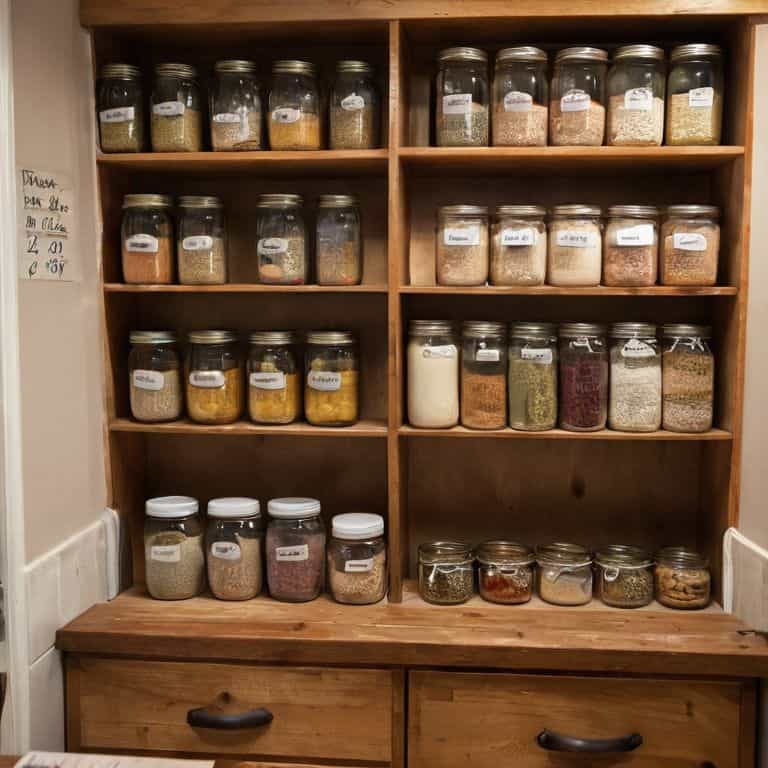
As we conclude our journey to creating a pantry inventory, let’s take a moment to reflect on the key steps we’ve covered. From taking stock of what’s hiding in your pantry to charting expiration dates and simplifying grocery budgets, each step has been designed to help you navigate your way to a more organized and peaceful kitchen space. By implementing these simple yet effective systems, you’ll be able to find what you need when you need it, reduce food waste, and make the most of your pantry’s potential.
So, as you set sail on your own organizational journey, remember that a well-organized space is a form of self-care. It’s not just about tidying up or finding a place for everything; it’s about creating an environment that nourishes your mind, body, and soul. With your newfound pantry inventory skills, you’ll be empowered to cook up a storm, try new recipes, and enjoy quality time with loved ones in a space that truly feels like your own.
Frequently Asked Questions
How often should I update my pantry inventory to ensure it remains accurate?
To keep your pantry inventory ship-shape, I recommend updating it every 1-2 months, or whenever you notice a significant change in your stock. This ensures you’re always aware of what you have on hand and can plan meals and grocery trips with ease.
What's the best way to categorize and group similar items in my pantry for easier tracking?
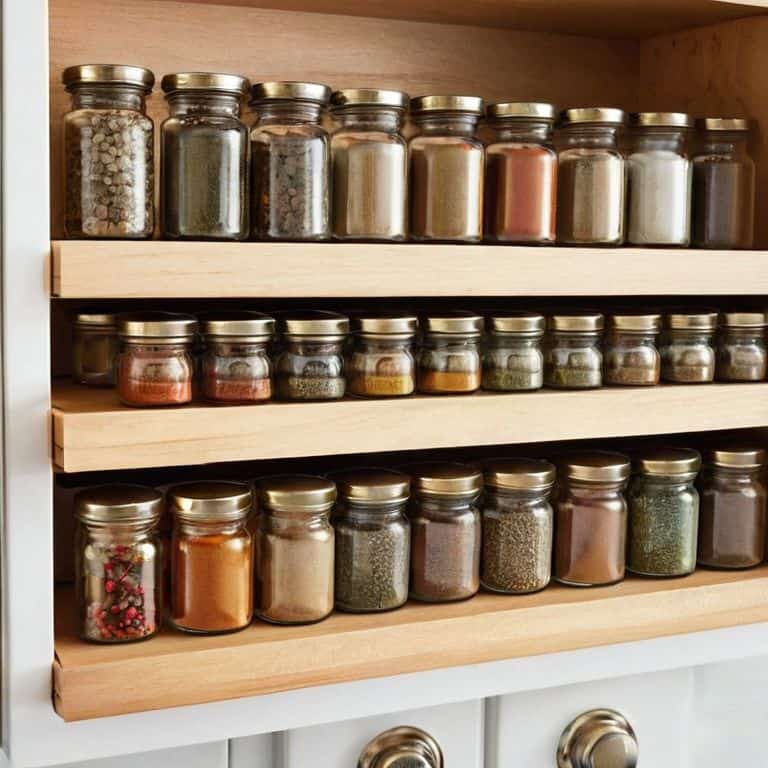
To categorize and group similar items, I recommend using a zone-based approach. Divide your pantry into sections like grains, canned goods, and spices. Within each zone, use baskets or bins to corral similar items, making it easy to find what you need and take stock of what’s running low.
Can I apply the same inventory principles to other areas of my kitchen, such as the fridge or freezer?
Absolutely, the same inventory principles can be applied to your fridge and freezer. I like to call it ‘mapping your chill zones’. By tracking what’s inside, you’ll avoid expired or forgotten items, and make meal planning a breeze. Try using stickers or a whiteboard to keep tabs on what’s stored, and remember, one-in, one-out is key to maintaining your newly organized kitchen spaces.