I still remember the frustration of trying to optimize my grocery shopping as a solo dweller in a tiny apartment. It seemed like every recipe was designed for families, and I’d end up with a fridge full of wilted leftovers and a guilty conscience. But I was determined to crack the code on a guide to grocery shopping for one. I started by analyzing my own eating habits, mapping out my meal prep routines, and experimenting with clever storage solutions to make the most of my limited kitchen space.
As someone who’s passionate about workflow optimization, I’ve learned that the key to successful solo grocery shopping lies in understanding your own habits and streamlining your supply chain. In this article, I’ll share my hard-won tips and tricks for navigating the grocery store as a solo shopper, from meal planning to food storage. You’ll learn how to make the most of your trips to the store, reduce food waste, and keep your tiny kitchen stocked with the good stuff. By the end of this guide, you’ll be equipped with the practical advice you need to take control of your grocery shopping and make the most of your solo culinary adventures.
Table of Contents
Guide Overview: What You'll Need

Total Time: 1 hour
Estimated Cost: $20 – $50
Difficulty Level: Easy
Tools Required
- Meal Planner (optional)
- Shopping List App (on your phone)
Supplies & Materials
- Reusable Shopping Bags (for carrying groceries)
- Containers for Leftovers (for storing food)
Step-by-Step Instructions
- 1. First, assess your pantry and take stock of what you already have at home. This will help you avoid buying duplicate items and reduce waste. Go through your kitchen and make a mental note (or better yet, a physical list) of the staples you have on hand, from spices and oils to grains and canned goods. This simple step will help you make more informed decisions when you’re at the store.
- 2. Next, plan your meals for the week ahead. This might seem like a no-brainer, but having a clear idea of what you want to cook will help you make a more focused grocery list. Consider your schedule, dietary preferences, and what’s in season to inspire your meal planning. You can even find recipes online or use a meal planning app to make this step easier.
- 3. Now, create a shopping list based on the meals you’ve planned. Be as specific as possible, including the quantities of each ingredient you’ll need. This list will be your roadmap at the store, helping you stay on track and avoid impulse buys. Consider organizing your list by store section (e.g., produce, dairy, etc.) to make your shopping trip more efficient.
- 4. When you’re at the store, shop the perimeter first. This is where you’ll typically find the fresh produce, meats, dairy products, and other whole foods that should form the basis of your diet. By hitting these sections first, you’ll be more likely to fill your cart with nutritious, whole foods rather than processed snacks and treats.
- 5. As you’re shopping, buy in bulk strategically. Just because you’re cooking for one doesn’t mean you can’t take advantage of bulk deals on non-perishable items like grains, nuts, or canned goods. Consider investing in a small storage container or two to keep these items fresh at home. Just be sure to calculate the cost per unit to ensure you’re really getting a deal.
- 6. For perishable items like dairy and eggs, consider buying smaller quantities or looking for products with longer shelf lives. This will help you avoid waste and ensure that you can use up these items before they expire. You might also look for stores that offer smaller packaging options or “mini” versions of your favorite products.
- 7. Finally, plan for leftovers and consider how you can repurpose last night’s dinner into tomorrow’s lunch. This will not only reduce food waste but also save you time and money in the long run. Think about investing in a small set of reusable containers to make packing and storing leftovers a breeze. By cooking in bulk and planning for leftovers, you can make your tiny kitchen feel more efficient and your meals more exciting.
A Guide to Grocery Shopping for One
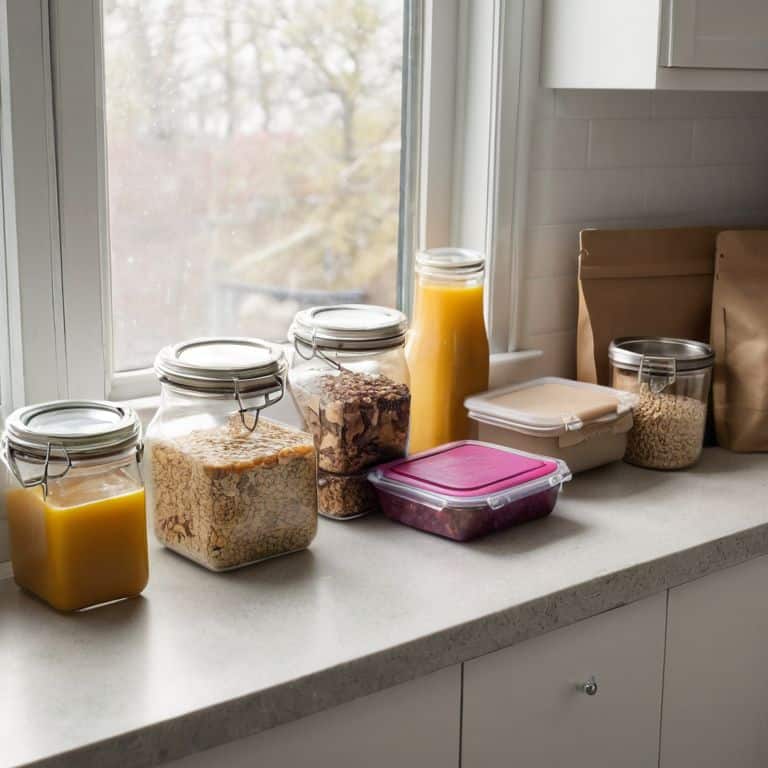
As I delve into the world of solo grocery shopping, I’ve come to realize that reducing food packaging waste is a crucial aspect to consider. When shopping for one, it’s easy to get caught up in buying single-serving items, but these often come with excessive packaging. To combat this, I’ve started opting for bulk purchases and using reusable containers to store my groceries. This not only helps minimize waste but also saves me money in the long run.
When it comes to affordable meal planning for one, I’ve found that planning my meals around what’s in season is a great way to save money. By doing so, I can create portions for solo diners that are not only cost-effective but also delicious. I’ve also started experimenting with single serving recipes that use up ingredients I already have on hand, reducing the likelihood of food going to waste.
To take my solo grocery shopping to the next level, I’ve started implementing a minimizing grocery bills strategy. This involves tracking my expenses and identifying areas where I can cut back. By being mindful of my spending habits and planning my meals accordingly, I’ve been able to reduce my grocery bills significantly.
Cooking for One on a Budget Portion Control
To cook for one on a budget, portion control is key. I’ve developed a system to measure out ingredients with precision, minimizing waste and saving me money in the long run. By using a digital scale and measuring cups, I can accurately portion out ingredients for a single serving. This approach also helps me avoid overbuying and reduces food waste.
In my tiny kitchen, I’ve implemented a “just-in-time” inventory system, where I only store what I need for the next few meals. This mindset shift has been a game-changer, allowing me to cook delicious meals without breaking the bank. By optimizing my ingredient quantities and storage, I’ve reduced my grocery bills and made cooking for one a breeze.
Solo Supply Chain Minimizing Waste
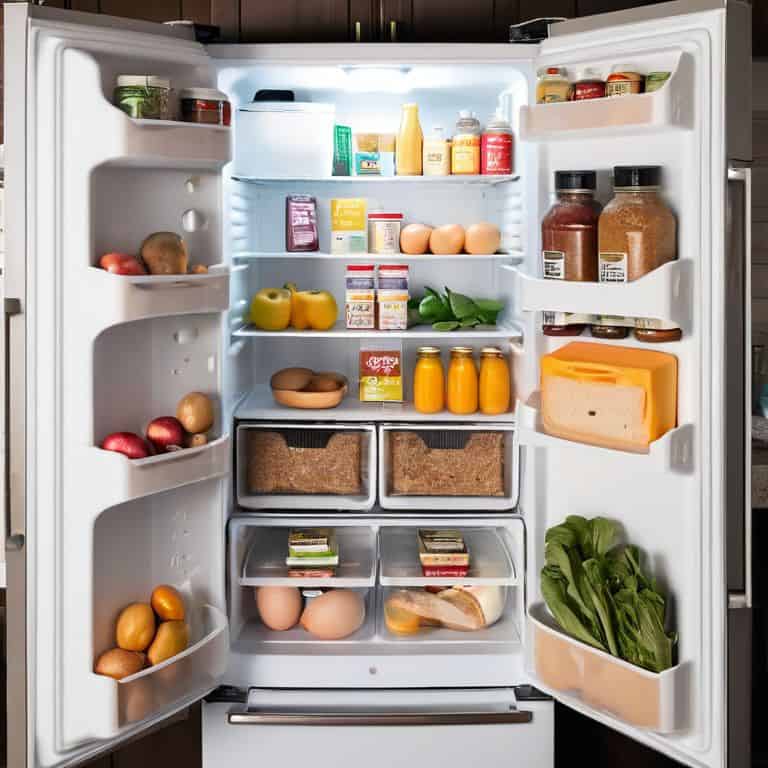
Minimizing waste is a crucial part of solo grocery shopping. To achieve this, I implement a “first-in, first-out” policy in my tiny kitchen. I label and date every stored item, ensuring older products are consumed before they expire. This simple system helps reduce food waste and saves me money in the long run. By being mindful of expiration dates and storage, I can enjoy my favorite foods without letting anything go to waste.
I also plan my meals around what’s already in my pantry, fridge, and freezer. This approach helps me use up ingredients before they spoil, reducing the likelihood of discarded food. By streamlining my grocery shopping and meal planning, I’ve significantly minimized waste in my tiny kitchen.
Smart Shopping Strategies for Solo Cooks
- Plan Your Meals Around What’s On Sale: Check the weekly ads for your local grocery stores and plan your meals around the items that are on sale
- Buy In Bulk (But Only What You’ll Use): Purchasing items like nuts, grains, and canned goods in bulk can save you money, but make sure you have a plan for using them before they expire
- Shop Your Pantry First: Before you head to the store, take stock of what you already have at home to avoid duplicate purchases and reduce waste
- Opt For Multi-Ingredient Items: Choose items like beans, eggs, and oats that can be used in multiple dishes to reduce food waste and save money
- Use The ‘First In, First Out’ Rule: Make sure you’re using the oldest items in your pantry and fridge before they expire by implementing a ‘first in, first out’ system for your groceries
Key Takeaways for Efficient Solo Grocery Shopping
Plan your meals and make a grocery list to avoid impulse buys and reduce food waste in your tiny kitchen
Shop smart by buying in bulk and using storage containers to keep your ingredients fresh and organized
Master the art of portion control by cooking in smaller batches and using creative recipes to make the most of your solo servings
Shopping Smart
The key to mastering grocery shopping for one isn’t about buying more, it’s about buying better – and that starts with understanding your own culinary workflow.
Leo Vance
Effortless Grocery Shopping for One: The Takeaway
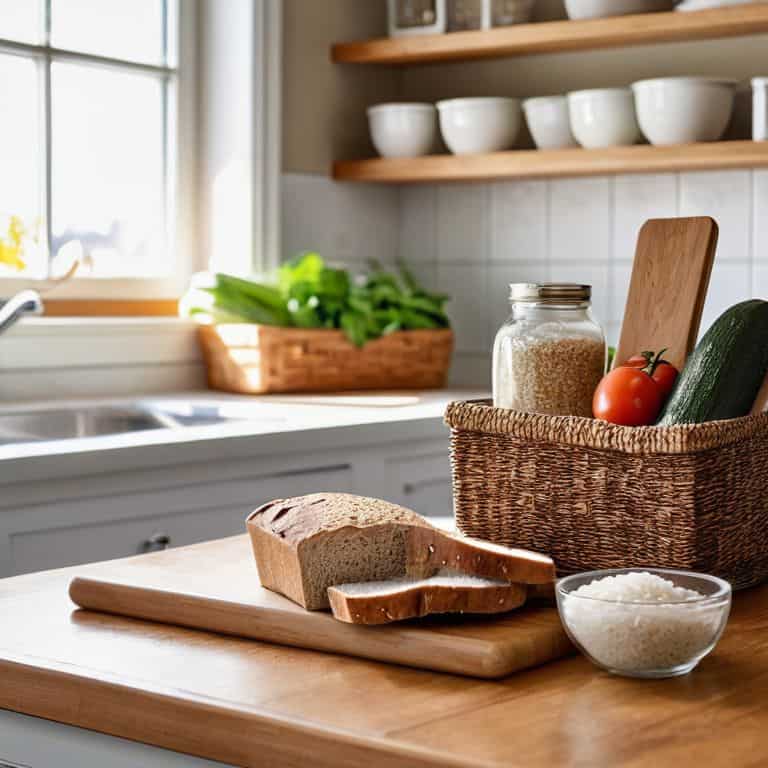
As we’ve explored in this guide to grocery shopping for one, the key to success lies in strategic planning and portion control. By understanding your eating habits, planning your meals, and shopping with a list, you can minimize waste and save money. We’ve also discussed the importance of cooking in bulk and using up leftovers to reduce food waste. By implementing these simple yet effective strategies, you’ll be well on your way to becoming a pro at grocery shopping for one.
So, the next time you’re standing in the grocery aisle, wondering what to buy for one, remember that every ingredient has a purpose. With a little creativity and workflow optimization, you can turn even the smallest kitchen into a culinary powerhouse. Don’t be intimidated by the challenges of grocery shopping for one – instead, see it as an opportunity to get creative, save money, and enjoy the process of cooking for yourself.
Frequently Asked Questions
How can I effectively plan my meals for the week to avoid buying too much food that might go to waste?
To plan meals like a pro, I use a ‘reverse engineering’ approach: I start with what’s already in my pantry, then choose recipes that use those ingredients. I also keep a ‘consume-by’ list to ensure older items get used before they expire. This workflow hack helps me avoid waste and saves me cash.
What are some strategies for buying groceries in bulk when cooking for one, without ending up with expired or spoiled items?
To buy in bulk without waste, I use a ‘first-in, first-out’ system and choose items with long shelf lives, like rice, pasta, or canned goods. I also invest in airtight containers and label them with purchase dates to keep track of storage time.
Are there any specific grocery store sections or aisles that I should focus on to find the most convenient and cost-effective options for solo servings?
For solo servings, I head straight to the bulk bins, canned goods, and frozen food sections. These areas often offer the most convenient and cost-effective options. I also keep an eye out for single-serve packaging or items that can be easily divided, like nuts or dried fruits. It’s all about finding those hidden gems that make cooking for one a breeze.