I still remember the day I opened my fridge to find a science experiment gone wrong – a fuzzy, green mold had taken over a leftovers container. It was a stark reminder that how to organize your fridge to reduce food spoilage is not just about cleanliness, but about making the most of the food you have. As someone who’s lived in tiny apartments in Tokyo and New York, I’ve learned that a cluttered fridge is not just a minor annoyance, but a reflection of a larger issue – a lack of intention and mindfulness in our daily lives.
In this article, I’ll share my personal strategies for taming the fridge chaos, from simple storage solutions to mindful meal planning. You’ll learn how to optimize your fridge space and develop habits that will help you reduce food waste and save money. My approach is not about restrictive rules or complicated systems, but about creating a culture of intention in your kitchen. By the end of this guide, you’ll have the tools and inspiration you need to transform your fridge from a source of stress to a hub of culinary creativity and community connection.
Table of Contents
Guide Overview: What You'll Need
Total Time: 1 hour 30 minutes
Estimated Cost: $20 – $40
Difficulty Level: Easy
Tools Required
- Measuring Tape (for measuring shelf space)
- Label Maker (for labeling containers)
- Cleaning Supplies (for cleaning the fridge)
Supplies & Materials
- Stackable Containers (for storing food)
- Adjustable Shelves (for customizing shelf space)
- Fridge Organizers (such as baskets or bins)
Step-by-Step Instructions
- 1. First, let’s start with the basics: purge and declutter your fridge. I like to think of it as a mini-spring cleaning, even if it’s not spring outside. Take everything out and sort items into three categories: keep, donate (if it’s still good but not something you’ll use), and toss (if it’s expired or has turned into a science experiment). This will give you a clean slate to work with and help you identify what you need to store.
- 2. Next, give your fridge a good cleaning. I use a mixture of baking soda and water to wipe down the shelves and walls, and then dry everything with a towel to prevent water spots. This might seem like a tedious step, but trust me, it’s essential for maintaining a fresh and clean environment that will help keep your food from spoiling.
- 3. Now it’s time to think about zoning your fridge. I like to divide mine into sections: one for drinks, one for leftovers, and one for fresh produce. This helps me (and my guests) quickly find what they’re looking for and prevents cross-contamination. Use baskets, bins, or even just sticky notes to label each zone.
- 4. The next step is to optimize your storage containers. I’m a big fan of using glass jars and containers with lids to store everything from sauces to snacks. Not only do they keep food fresh, but they also make it easy to see what’s inside, reducing the likelihood of something getting lost in the back of the fridge. Plus, they’re easy to clean and reuse.
- 5. Once you have your storage containers, it’s time to think about how to maximize your shelf space. I use a combination of stackable shelves and baskets to make the most of my fridge’s vertical space. This helps keep items from getting buried under each other and makes it easier to grab what I need when I’m cooking.
- 6. Now, let’s talk about the importance of labels. I use a label maker to keep track of what’s in each container and when it was stored. This might seem like a small thing, but it’s a game-changer for keeping your fridge organized and ensuring that you use items before they expire. Plus, it’s just plain satisfying to see everything neatly labeled.
- 7. Finally, make a habit of regularly checking your fridge for expired or spoiled items. I like to do this every week or two, just to make sure everything is still fresh and safe to eat. It’s also a good opportunity to plan your meals for the upcoming week and make a grocery list, which helps reduce food waste and saves you money in the long run.
Taming Fridge Chaos
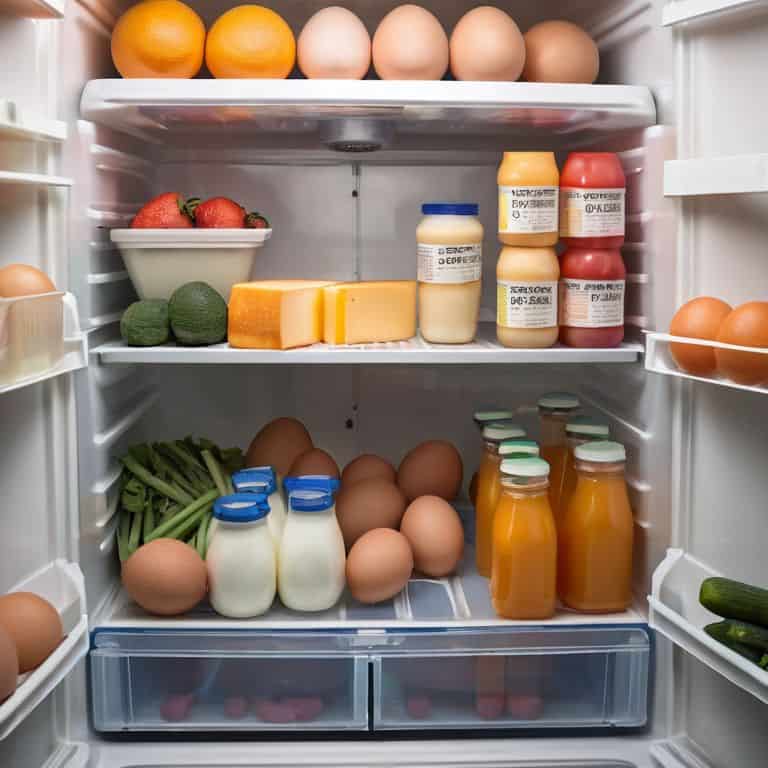
As I delve into the world of fridge layout optimization, I’ve come to realize that it’s not just about organizing your shelves, but also about creating a system that works for you. For me, it’s about designating specific zones for different types of food, like a “cook soon” section for items that are nearing their expiration date. This approach has been a game-changer in reducing food waste and making meal planning a breeze.
When it comes to storing food, I’m a big fan of food storage container ideas that are both functional and space-efficient. I use a mix of glass containers and reusable bags to keep my fridge organized and my food fresh. By implementing these simple storage solutions, I’ve been able to extend the shelf life of my groceries and reduce the amount of waste that ends up in my trash.
To take my fridge organization to the next level, I’ve started using labeling and tracking methods to keep tabs on what I have in stock and when it’s approaching its expiration date. This has been a huge help in planning my meals and making sure that I’m using up everything I buy. By combining these strategies, I’ve been able to create a fridge that’s not only organized, but also functional and efficient.
Fridge Layout Optimization Secrets
As I’ve learned from living in tiny apartments, every inch counts – and that includes the fridge. To optimize my fridge layout, I use a simple trick: categorize and contain. I group similar items like leftovers, drinks, and snacks into designated zones, and use stackable containers to keep them organized. This way, I can see what I have at a glance and avoid buried treasures that are past their prime. It’s amazing how much more manageable my fridge feels when everything has its own home.
By assigning a purpose to each shelf and drawer, I’ve reduced food waste and made cooking easier. My top shelf is reserved for frequently used condiments, while the bottom shelf is for less frequent items like special occasion wines. This thoughtful layout has become a game-changer in my tiny kitchen, allowing me to focus on the fun part – experimenting with new recipes and flavors.
Smart Food Storage Hacks Revealed
As I’ve learned from living in tiny apartments, smart food storage is key to taming fridge chaos. For me, it’s all about using stackable containers and labeling them, so I know exactly what’s inside. I also swear by the “first in, first out” rule, where I place newer items behind older ones to ensure everything gets used before it expires. It’s amazing how such a simple system can make a huge difference in reducing food waste and saving time.
I’ve also discovered the magic of repurposing everyday items, like using mason jars to store leftovers or turning an old egg carton into a holder for small fridge items. These hacks may seem small, but they add up to a more organized, peaceful fridge – and a more joyful cooking experience. By implementing these smart storage solutions, I’ve been able to free up mental energy for more exciting things, like planning my next neighborhood exploration or hosting a dinner party for friends.
Fresh Picks: 5 Tips to Tame Your Fridge and Reduce Food Spoilage
- My Fridge, My Rule: Implement a ‘first in, first out’ policy to ensure older items get used before they expire, and make sure to label leftovers with the date they were cooked
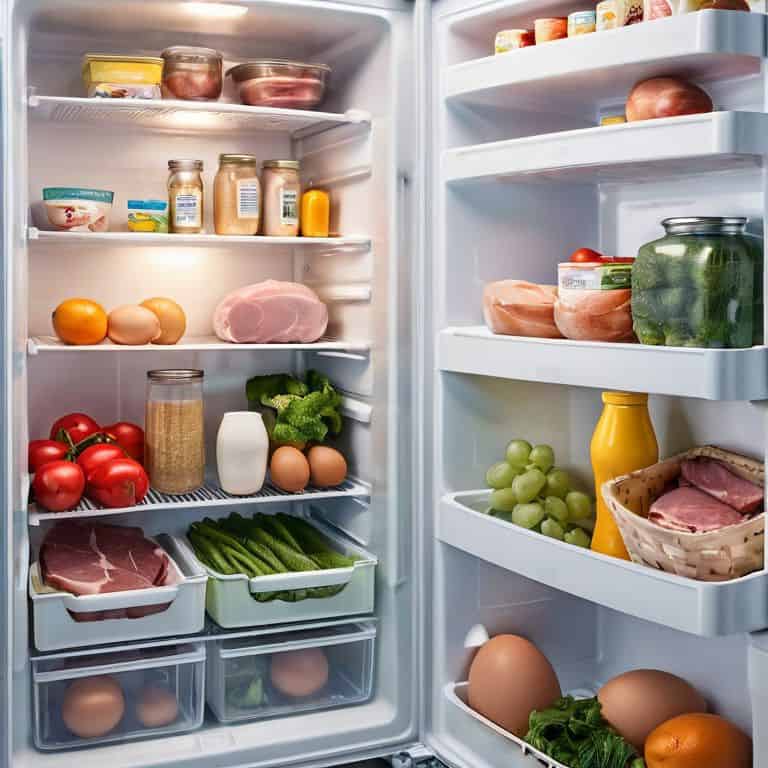
- Shelf Life Hacks: Store raw meat, poultry, and seafood on the bottom shelf to prevent cross-contamination, and keep ready-to-eat foods like fruits and veggies on higher shelves for easy access
- The Crisper Conundrum: Use the crisper drawers for their intended purpose – keeping fruits and veggies fresh – and avoid overcrowding them, which can lead to moisture buildup and spoilage
- Door Dealings: Store condiments, jams, and other non-perishable items on the door shelves, and consider using a turntable or Lazy Susan to keep them organized and easily accessible
- Freezer Frenzy: Don’t forget to organize your freezer, too – use airtight containers or freezer bags to store meals, label them with the date and contents, and consider implementing a ‘freezer inventory’ to keep track of what you have and when it was stored
Key Takeaways for a Tidy Fridge
I’ve learned that implementing a ‘first in, first out’ policy in my tiny fridge helps reduce food waste and saves me money in the long run
Optimizing my fridge layout with zones for different types of food has been a game-changer – it’s amazing how much more I can fit and how easily I can find what I need
By using stackable containers, labeling everything, and keeping my fridge organized, I’ve been able to free up more time for the things I love, like exploring new neighborhoods and hosting dinner parties in my small apartment
The Fridge Philosophy
A well-organized fridge isn’t just about tidy shelves, it’s about crafting a space that sparks curiosity and creativity, where every leftover tells a story and every ingredient holds the promise of a new adventure.
Noah Burton
Embracing the Art of Fridge Organization
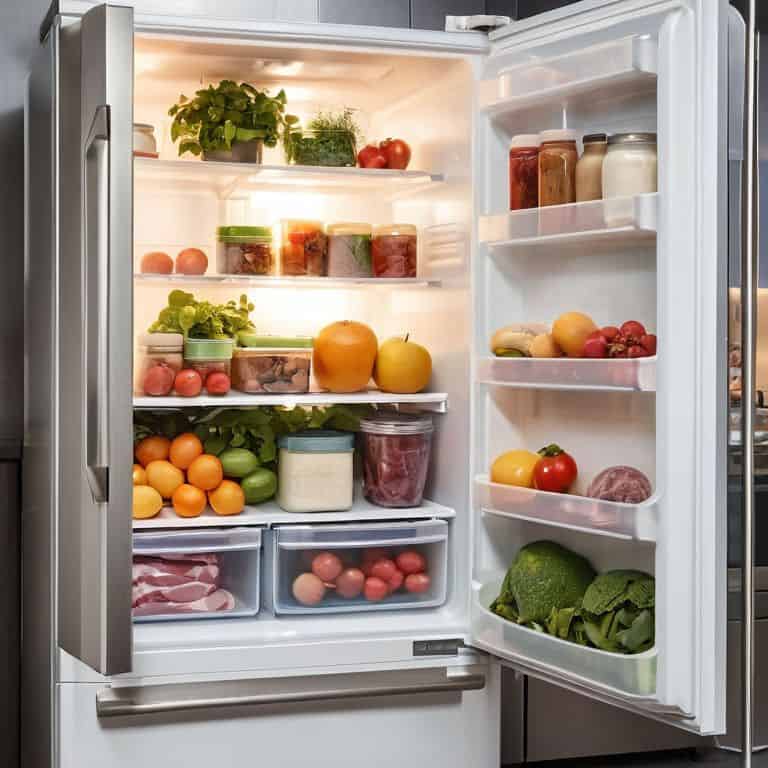
As we’ve explored the world of fridge organization, it’s clear that taming the chaos is just the beginning. From optimizing your fridge layout to implementing smart food storage hacks, every step counts in reducing food spoilage and making the most of your tiny kitchen. I’ve shared my own experiences of hosting dinner parties in my small apartment, and how a well-organized fridge is the unsung hero behind a successful gathering. By applying these strategies, you’ll not only save time and money but also create a more sustainable and enjoyable cooking experience.
So, the next time you open your fridge door, remember that it’s not just a storage space – it’s a launchpad for adventure. With a little creativity and intention, even the smallest of kitchens can become a hub for connection, community, and delicious food. As you continue on your own journey of fridge organization and urban living, I encourage you to focus on the experiences, not just the square footage. By doing so, you’ll find that the best stories often come from the coziest of spaces, and that a rich life is truly measured in memories, not mere meters.
Frequently Asked Questions
What are some common mistakes people make when organizing their fridge that can lead to food spoilage?
Honestly, I’ve been there – overbuying, not labeling, and shoving things to the back never to be seen again. These mistakes lead to a science experiment in the making, and trust me, you don’t want that.
How can I effectively use vertical space in my fridge to maximize storage without compromising accessibility?
I’m a huge fan of stacking and using vertical space in my tiny fridge. I swear by adjustable shelves and baskets to keep items from getting lost. For me, it’s all about creating a ‘zone’ system – veggies on top, leftovers in the middle, and juices on the bottom. It’s all about ease of access, you know?
Are there any specific foods that are more prone to spoilage and require special storage considerations?
You know, I’ve found that dairy, meats, and leafy greens are the usual suspects when it comes to spoilage. They require a little extra TLC – like storing them in airtight containers or at the right fridge temp. I make sure to check on them regularly to avoid any science experiments from forming!