
I still remember the night I had to get creative about how to deal with noisy neighbors. It was a Friday evening, and I was hosting a board game night in my small apartment. The music from the neighboring unit was blasting, and I thought to myself, “This is going to be a long night.” But, instead of letting the noise get the best of me, I decided to take matters into my own hands. I grabbed a few beers, walked over to their place, and introduced myself. We ended up chatting for hours, and they even joined our game night. It was a serendipitous moment that taught me the value of community and connection in small-space living.
In this article, I’ll share my personal experiences and practical tips on how to deal with noisy neighbors without losing your mind. You’ll learn how to transform potentially frustrating situations into opportunities for connection and growth. From communication strategies to creative solutions, I’ll provide you with honest, no-hype advice on navigating the challenges of urban living. By the end of this guide, you’ll be equipped with the tools and mindset to turn your small space into a cozy command center for a rich and fulfilling life, even in the midst of noisy neighbors.
Table of Contents
Guide Overview: What You'll Need
Total Time: 1 hour 30 minutes
Estimated Cost: $0 – $100
Difficulty Level: Intermediate
Tools Required
- Noise Meter (optional, for measuring decibel levels)
- Earplugs (for personal use)
- Paper and Pen (for documenting incidents)
Supplies & Materials
- White Noise Machine (optional, for masking noise)
- Door Draft Stopper (to block noise under the door)
- Soundproofing Materials (such as acoustic panels or mass loaded vinyl, for reducing noise transmission)
Step-by-Step Instructions
- 1. First, take a deep breath and try to understand where your noisy neighbors are coming from. Maybe they’re not even aware of the disturbance they’re causing, or perhaps they’re going through a tough time and don’t know how to deal with their emotions. I’ve found that having empathy for others can go a long way in resolving conflicts.
- 2. Next, keep a noise journal to track when the disturbances occur and how they affect you. This will help you identify patterns and provide evidence if you need to escalate the issue. I remember when I first moved into my micro-apartment, I had to deal with a noisy neighbor who would blast music at 3 am. I kept a journal and was able to talk to them about specific instances, which helped resolve the issue.
- 3. Now, it’s time to build a relationship with your neighbors. I know it sounds counterintuitive, but trust me, it’s essential. Invite them over for a housewarming party or a game night, and get to know them as people. This will make it easier to address the noise issue later on. I’ve had my fair share of hosting dinner parties in my small apartment, and it’s amazing how breaking bread together can bring people closer.
- 4. When you do need to talk to your neighbors about the noise, approach the conversation with kindness. Avoid being confrontational or aggressive, as this can escalate the situation. Instead, focus on finding a mutually beneficial solution. Explain how the noise is affecting you and ask if they can keep it down during certain hours. I’ve found that using “I” statements can help, as they make the conversation more about your personal experience and less about attacking your neighbor.
- 5. If talking to your neighbors directly doesn’t work, it may be time to seek mediation. Many apartment complexes and community centers offer mediation services that can help resolve disputes. This can be a neutral and safe space for both parties to discuss their concerns and find a resolution. I’ve seen it work wonders in my own community, and it’s often more effective than involving authorities or landlords.
- 6. In some cases, you may need to contact your landlord or property manager. If the noise is excessive and disrupting your peaceful enjoyment of your home, it’s their responsibility to help resolve the issue. Be sure to document everything, including dates, times, and details of the disturbances, as well as any conversations you’ve had with your neighbors. This will help build a strong case and ensure that your concerns are taken seriously.
- 7. Finally, take care of yourself during this process. Dealing with noisy neighbors can be stressful and exhausting, so make sure you’re getting enough rest, eating well, and engaging in activities that bring you joy and relaxation. For me, that means taking long walks around the neighborhood, practicing yoga, or hosting a game night with friends. Remember, your well-being is just as important as resolving the noise issue.
Taming Noisy Neighbors
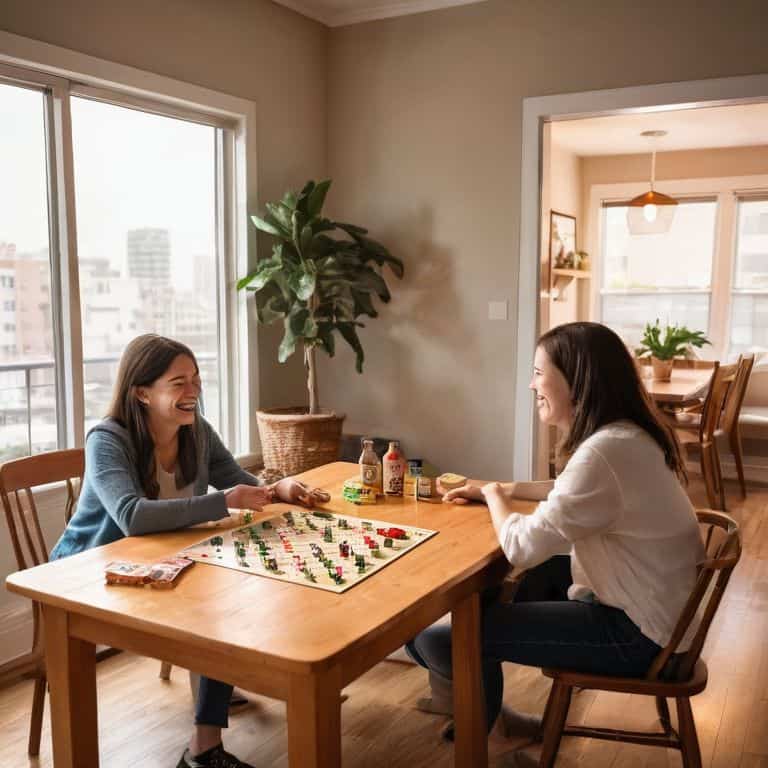
As I reflect on my own experiences with noisy neighbors, I’ve come to realize that building a positive relationship with them is key to resolving issues amicably. It’s not always easy, but taking the time to get to know them and understand their perspective can go a long way in diffusing tension. I recall one instance where I invited my noisy neighbor over for a game night, and we ended up having a great conversation about our shared interests. From then on, they were more considerate of the noise levels, and we even started a monthly board game club together.
When it comes to more serious disputes, mediation techniques can be incredibly effective. I’ve found that remaining calm and listening actively can help to resolve conflicts in a peaceful manner. It’s also essential to be aware of local noise ordinances and laws, as these can provide a framework for addressing excessive noise. By understanding the rules and regulations, you can approach the situation with confidence and authority.
In some cases, soundproofing apartment walls and floors may be necessary to minimize noise disturbance. While this can be a more expensive solution, it’s often worth the investment for a peaceful living environment. Additionally, learning how to write effective noise complaint letters can be useful when dealing with particularly stubborn or uncooperative neighbors. By being proactive and taking a thoughtful approach, you can create a more harmonious living space and enjoy the benefits of community living.
Mediation Mastery Conflict Resolution
When mediation is necessary, I’ve found that a calm and respectful approach is key. I recall a situation where a neighbor’s loud music was disrupting my evening board game nights. Instead of escalating the issue, I invited them to join us for a game, and we were able to find a mutually beneficial solution. By listening to their perspective and sharing my own, we were able to come to a harmonious agreement. It’s amazing how a little understanding and empathy can resolve even the most pressing conflicts. Effective mediation is about finding common ground and creating a win-win situation, rather than simply “winning” the argument.
Zen Noise Complaints Effective Letters
When it comes to putting your concerns into words, I’ve found that a well-crafted letter can work wonders. I like to call it a “Zen noise complaint” – it’s all about stating the issue, proposing a solution, and doing it all with a calm and respectful tone. For me, it’s about focusing on the specific behavior that’s causing the disturbance, rather than making a personal attack.
I’ve written my fair share of these letters, and I’ve learned that it’s all about being clear, concise, and open to finding a mutually beneficial solution. By taking the time to thoughtfully articulate your concerns, you can often resolve the issue without escalating things. It’s not about being confrontational, but about being a good neighbor and finding a way to peacefully coexist.
Harmony in Small Spaces: 5 Tips to Tame Noisy Neighbors
- Noisy Neighbor Ninja Move: Keep a Noise Journal to Track Patterns
- Beyond Earplugs: Soundproofing Hacks for the Resourceful Urbanite
- Community Matters: Building Bridges with Your Noisy Neighbors
- From Foe to Friend: The Power of Personalized Noise Complaints
- United We Stand: Organizing a Neighborhood Noise Coalition for Change
Key Takeaways for Harmonious Urban Living
Noisy neighbors don’t have to disrupt your peace – with proactive communication and a willingness to listen, you can turn potential conflicts into opportunities for connection
Effective conflict resolution is key to maintaining a positive living environment, and can be achieved through a combination of empathy, active listening, and creative problem-solving
By adopting a mindset that views small-space living as a catalyst for community engagement and creative problem-solving, you can transform your urban home into a hub of warmth, connection, and joy, regardless of its size
Finding Harmony in the Hush
The art of dealing with noisy neighbors isn’t about silencing the world outside your walls, but about creating a symphony of understanding and respect that resonates within them.
Noah Burton
Finding Harmony in the Hush
As I reflect on my own experiences with noisy neighbors, I’m reminded that effective communication is key to resolving conflicts. By following the steps outlined in this guide – from proactive problem-solving to mediation mastery – you’ll be well on your way to creating a more peaceful living environment. Whether it’s a politely worded letter or a calm, collected conversation, remember that your approach can greatly impact the outcome. So, take a deep breath, put on your best conflict resolution hat, and get ready to turn down the volume on noise and turn up the dial on community.
In the end, it’s not about the size of your space, but the size of your heart that matters. By choosing to embrace the chaos and find the beauty in unexpected moments, you’ll discover that even the noisiest of neighbors can become an opportunity for growth, connection, and a deeper appreciation for the world around you. As you close this chapter on noise and neighbors, I hope you’ll join me in embracing the beauty of imperfect harmony, and remember that the best stories often begin with a little bit of disruption.
Frequently Asked Questions
What are some creative ways to approach my noisy neighbors and start a conversation about the issue?
I’ve found that a warm smile and a plate of fresh-baked cookies can be a great icebreaker. Try inviting them over for a casual gathering, like a game night or potluck, to break the ice and build a connection. From there, you can naturally bring up the noise issue and work together to find a mutually beneficial solution.
How can I effectively document and record noise disturbances to support my complaint?
For documenting noise disturbances, I swear by a simple noise journal – just a notebook where I log dates, times, and descriptions of the noise. I also use a sound level meter app on my phone to track decibel levels. This concrete evidence has been a game-changer when talking to my landlord or neighbors about the issue.
Are there any local laws or regulations that I should be aware of when dealing with noisy neighbors in my area?
Before taking any action, it’s essential to familiarize yourself with local noise ordinances. Check your city’s website or visit the local council office to understand the specific laws and regulations in your area. This will help you navigate the situation effectively and avoid any potential missteps.