I still remember the first time I tried to navigate a bulk food store with my tiny kitchen in mind – it was a puzzle, to say the least. I had to figure out how to shop at a bulk food store for a small kitchen without ending up with a year’s supply of quinoa. As someone who’s passionate about workflow optimization, I knew there had to be a better way to approach bulk shopping in a small space. I started by analyzing my own kitchen’s time and motion patterns, looking for ways to streamline my cooking process and make the most of my limited storage.
In this article, I’ll share my hard-won knowledge on how to shop at a bulk food store for a small kitchen. You’ll learn how to shop smart, not hard, and make the most of your space. I’ll provide you with practical tips and clever hacks to help you navigate the bulk aisle like a pro, from measuring your storage space to choosing the right containers. By the end of this guide, you’ll be equipped with the know-how to turn your tiny kitchen into a well-oiled machine, and make bulk shopping a breeze.
Table of Contents
Guide Overview: What You'll Need
Total Time: 1 hour 15 minutes
Estimated Cost: $20 – $50
Difficulty Level: Easy
Tools Required
- Reusable Containers (various sizes)
- Measuring Cups (dry and liquid)
- Shopping List (to stay organized)
Supplies & Materials
- Bulk Food Bags (biodegradable or reusable)
- Labels and Markers (to identify stored foods)
- Shelf Organizers (to maximize small kitchen storage, approximately 12 inches wide)
Step-by-Step Instructions
- 1. Before heading to the bulk food store, take stock of your pantry and make a list of the essentials you need to restock. This will help you avoid overbuying and ensure that you’re only purchasing what you can store in your small kitchen. Consider the shelf life of each item and plan your shopping trip accordingly.
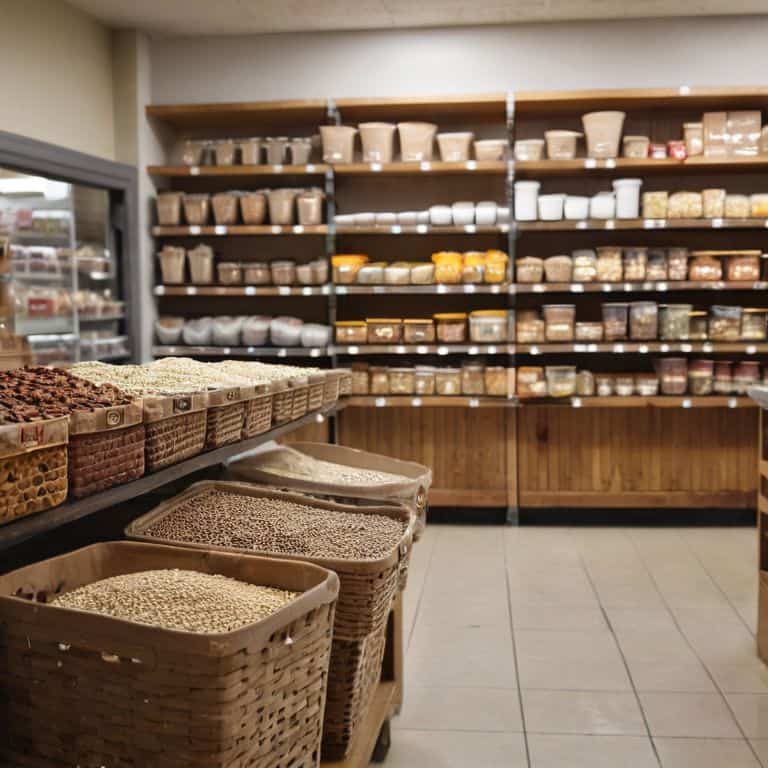
- 2. Once you arrive at the bulk food store, start with a plan. Begin by shopping the perimeter of the store, where the bulk bins and fresh produce are typically located. This will help you avoid the temptation of buying unnecessary items and stay focused on your list.
- 3. When shopping the bulk bins, use the scoop and container method to measure out exactly what you need. This will help you reduce waste and avoid overbuying. Be sure to label each container with its contents and the date it was purchased.
- 4. For items like nuts, grains, and dried fruits, consider buying in smaller bulk quantities. This will help you maintain a consistent stock without overwhelming your small kitchen’s storage capacity. Look for stores that offer smaller bulk bins or consider shopping with a friend to split larger quantities.
- 5. When shopping for spices and baking supplies, think about your recipes and plan your purchases around the ingredients you use most frequently. Optimize your spice rack by buying only what you need and considering alternative storage solutions, like magnetic spice strips or adjustable spice racks.
- 6. To make the most of your shopping trip, shop in categories. Group similar items, like grains, canned goods, and baking supplies, and shop for them in one area of the store. This will help you stay organized and ensure that you don’t forget anything on your list.
- 7. Finally, consider your storage options before making a purchase. Think about the vertical space in your kitchen and how you can use wall-mounted shelves, baskets, or containers to maximize your storage capacity. This will help you maintain a clutter-free kitchen and ensure that your bulk purchases don’t become a source of stress.
Shopping Smart in Bulk

When it comes to bulk food storage ideas, it’s essential to think about the space you have available in your small kitchen. I’ve found that using _reusable containers_ can be a game-changer for keeping your pantry organized. By measuring ingredients in bulk and storing them in airtight containers, you can ensure that your food stays fresh and your kitchen stays clutter-free.
To take your bulk shopping to the next level, consider creating a shopping list for bulk foods. This will help you avoid overbuying and reduce _food waste_ in your small kitchen. I like to plan my meals for the week and then make a list of the ingredients I need to buy in bulk. This approach has helped me save time and money, and it’s also reduced my environmental impact.
By implementing these strategies, you can make the most of your bulk shopping experience and keep your small kitchen running efficiently. I’ve also found that using _small kitchen pantry organization_ techniques, such as labeling and categorizing your storage containers, can help you quickly find what you need and avoid unnecessary purchases.
Measuring Ingredients With Ease
To take your bulk shopping to the next level, it’s essential to measure ingredients with ease. I’ve implemented a simple system in my own tiny kitchen using a digital scale and a set of measuring cups that double as storage containers. This allows me to quickly scoop and measure the exact amount of ingredients I need, reducing waste and saving time.
By investing in a few clever tools, you can streamline your ingredient measurement process. I recommend labeling your storage containers with their corresponding measurements, making it easy to grab what you need in a flash. This workflow optimization might seem minor, but it makes a significant difference in the efficiency of your cooking routine, especially when working with bulk ingredients.
Optimizing Storage for Small Kitchens
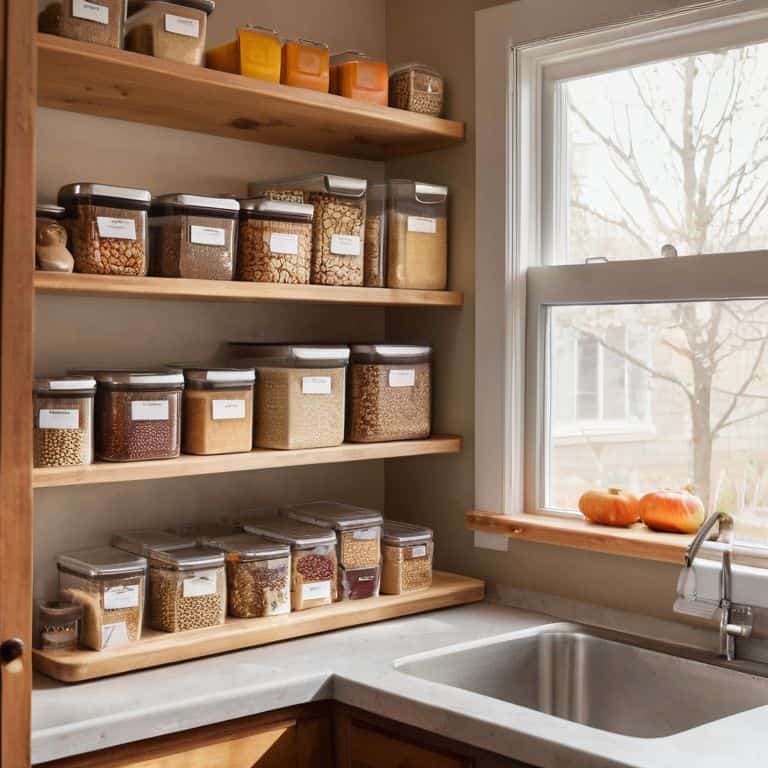
To make the most of your bulk purchases, it’s crucial to optimize storage in your small kitchen. I’m a big fan of using stackable containers and labeling each one, so I can easily find what I need. This approach also helps prevent clutter from building up. By designating a specific spot for each item, I can ensure that my kitchen remains organized and efficient.
I’ve also invested in a few clever storage solutions, such as a wall-mounted spice rack and a pull-out pantry. These allow me to maximize my kitchen’s vertical space and keep frequently used items within easy reach. By implementing these storage strategies, you can keep your small kitchen tidy and make the most of your bulk shopping hauls.
Mastering the Bulk Aisle: 5 Essential Tips for Small Kitchen Owners
- Plan Your Attack: Before heading to the bulk store, take stock of your pantry and make a list of what you need, ensuring you don’t overbuy and waste space
- Bring Your Own Containers: Invest in a set of reusable containers to measure and store your bulk purchases, reducing waste and optimizing your kitchen storage
- Shop in Seasons: Buy dry goods and spices in bulk, but consider the shelf life and your usage rate to avoid cluttering your small kitchen with expired items
- Decant and Organize: Once home, decant your bulk purchases into airtight containers, labeling each one for easy identification and storing them in a logical, accessible manner
- Calculate Your Savings: Keep a running tally of your bulk purchases to ensure you’re actually saving money and not just accumulating more stuff, adjusting your shopping list as needed to maintain your small kitchen’s efficiency
Key Takeaways for Bulk Shopping in Small Kitchens
Plan your bulk shopping trip with a ‘first-in, first-out’ inventory system to minimize waste and maximize storage efficiency
Utilize vertical storage solutions and airtight containers to optimize ingredient preservation and access in your small kitchen
Apply a ‘workflow optimization’ mindset when navigating bulk food stores, measuring ingredients, and organizing your kitchen to streamline cooking and reduce stress
Shopping with Intention
The key to mastering bulk shopping in a small kitchen isn’t about buying more, but about buying with precision – knowing exactly what you need, and how it fits into your culinary workflow.
Leo Vance
Effortless Bulk Shopping for Your Tiny Kitchen

As we’ve navigated the world of bulk shopping for small kitchens, we’ve covered some essential steps to make the most of your space. From measuring ingredients with ease to _optimizing storage_ solutions, each tip is designed to help you shop smarter, not harder. By applying these principles, you’ll be able to maximize your pantry’s potential, even in the smallest of kitchens. The key is to focus on _workflow optimization_, ensuring that every movement in your kitchen has a purpose and contributes to a seamless cooking experience.
In the end, shopping at a bulk food store for your small kitchen is all about finding a rhythm that works for you. By embracing efficient systems and a mindset of continuous improvement, you’ll not only make the most of your space but also discover a sense of freedom in the kitchen. So, go ahead, take on the bulk aisle with confidence, and remember, the right approach can turn even the tiniest kitchen into a _culinary powerhouse_.
Frequently Asked Questions
How do I avoid overbuying bulk items that may expire or go to waste in my small kitchen?
To avoid overbuying, I use a simple rule: buy only what you can store and consume within a set timeframe. For me, that’s usually a week or two. I also keep a ‘first-in, first-out’ system, ensuring older items get used before they expire. It’s all about balancing bulk savings with minimal waste.
What are the most essential bulk food items that I should prioritize for my small kitchen?
For a small kitchen, I prioritize staples like brown rice, quinoa, canned beans, and spices. These versatile ingredients can be used in a variety of dishes, minimizing waste and maximizing storage efficiency. I also recommend stocking up on nuts, seeds, and dried fruits for healthy snacks and added texture to meals.
Are there any specific bulk food store layouts or sections that I should focus on to maximize my shopping efficiency in a small kitchen?
When navigating a bulk food store, I recommend homing in on the dry goods and spices sections first. These areas often offer the most potential for space-saving purchases. Focus on staples like grains, nuts, and dried fruits, which can be easily stored in compact containers, maximizing your small kitchen’s storage capacity.