I still remember the first time I tried to dry fresh pasta without a rack in my tiny New York City kitchen – it was a disaster. I had just started experimenting with homemade pasta, and the thought of investing in a bulky drying rack seemed absurd. So, I embarked on a mission to figure out how to dry fresh pasta without a rack, and let me tell you, it’s been a game-changer. I’ve learned that with a few simple tricks, you can achieve perfectly dried pasta without sacrificing precious kitchen real estate.
In this article, I’ll share my honest, no-hype advice on drying fresh pasta without a rack. You’ll learn the secrets to successful drying, from clever uses of everyday kitchen items to the best techniques for minimizing mess and maximizing flavor. Whether you’re a fellow small-kitchen dweller or just looking to simplify your pasta-making process, this guide is for you. So, let’s dive in and explore the world of rack-free pasta drying – I promise you’ll be hooked from the very first step!
Table of Contents
Guide Overview: What You'll Need
Total Time: 2 hours 30 minutes
Estimated Cost: $0 – $10
Difficulty Level: Easy
Tools Required
- Clean Towels (for drying)
- Flat Surface (like a countertop or table)
- Cool Dry Place (away from direct sunlight)
Supplies & Materials
- Fresh Pasta
- Paper Towels or Clean Cloth (for absorbing excess moisture)
- 6 inches of Space (for laying out pasta to dry)
Step-by-Step Instructions
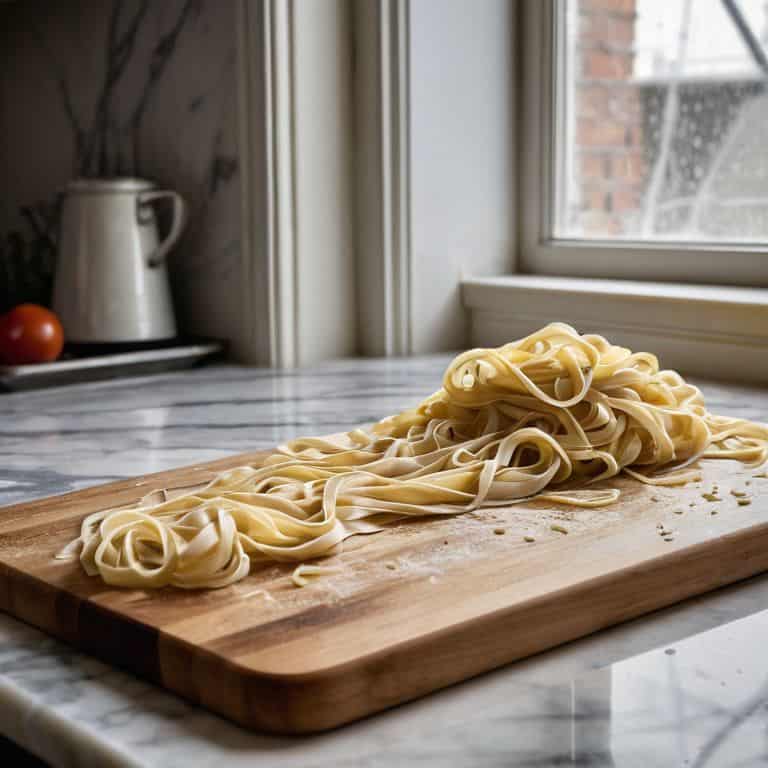
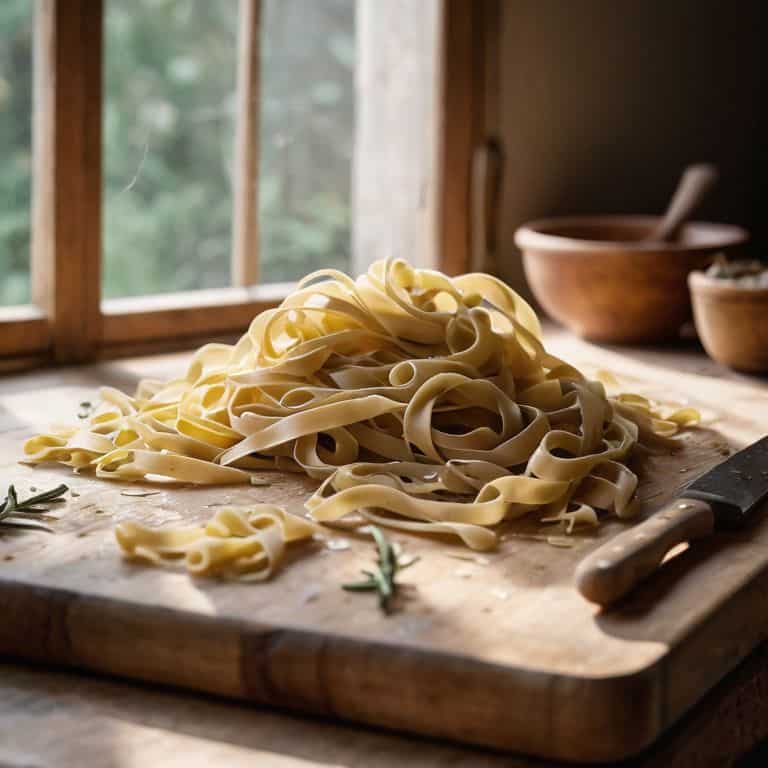
- 1. First, let’s get started with the basics – you’ve just made a batch of fresh pasta, and now it’s time to dry it. I like to begin by laying out a clean towel on my kitchen counter, making sure it’s nice and flat. This will be the foundation for our makeshift drying station.
- 2. Next, gently place your freshly made pasta on the towel, making sure not to overlap any of the strands. I find it helpful to use a bit of _gentle finesse_ when handling the pasta to prevent any breakage or sticking. Take your time, and don’t worry if it gets a bit messy – we can adjust as needed.
- 3. Now, take another clean towel and gently blot the pasta to remove any excess moisture. This step is crucial in preventing the growth of any unwanted bacteria or mold. Be careful not to press too hard, as we don’t want to damage our delicate pasta strands.
- 4. After blotting, it’s time to create a bit of air circulation around our pasta. I like to use a small _desk fan_ to gently blow air over the pasta, helping to speed up the drying process. If you don’t have a fan, don’t worry – you can simply leave the pasta to air dry, stirring occasionally to prevent sticking.
- 5. As the pasta begins to dry, you’ll start to notice it becoming less sticky and more manageable. At this point, you can start to reshape and reorganize the strands to prevent any tangles or knots. Take your time, and work gently to avoid breakage.
- 6. To further aid in the drying process, I recommend using a wire rack – but not just any wire rack. Since we’re ditching the traditional pasta drying rack, we can use a simple wire cooling rack, like the kind you’d use for baked goods. Place the rack over a baking sheet or tray, and gently lay the pasta strands over it. This will allow for maximum air circulation and help the pasta dry evenly.
- 7. Finally, let the pasta dry for at least 30 minutes to an hour, stirring occasionally to prevent sticking. As it dries, you can start to _preheat your cooking water_ and prepare any sauces or seasonings you’ll be using. Once the pasta is dry and slightly firmer to the touch, it’s ready to be cooked and enjoyed.
Tiny Kitchen Pasta Hacks
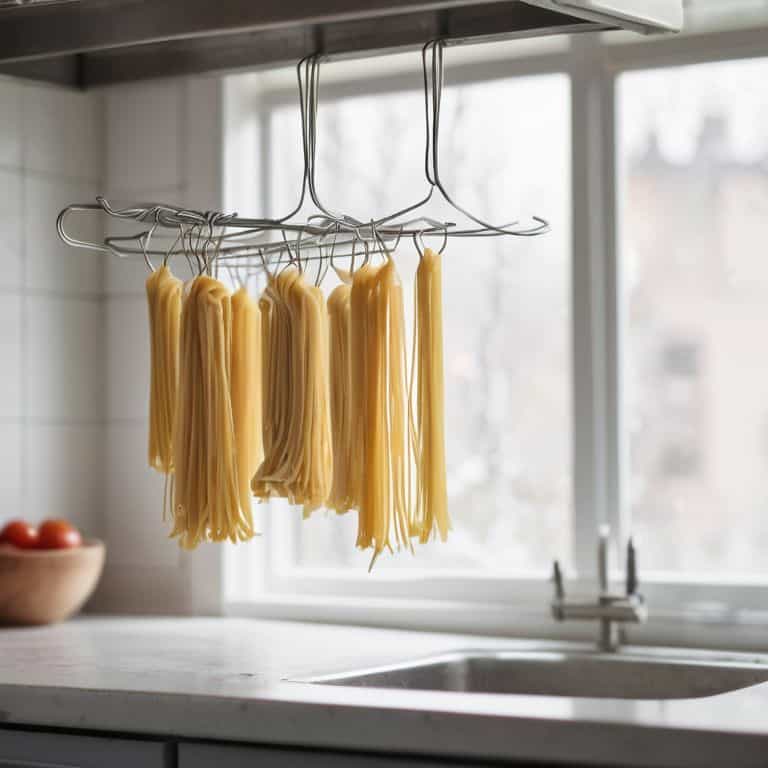
As a city cook, I’ve learned to appreciate the art of air drying pasta techniques. When you’re working with limited space, every trick counts. One of my favorite hacks is to use a simple wire hanger to dry my fresh pasta. Just shape the hanger into a makeshift drying rack and you’re good to go. This is especially useful when you’re dealing with small batch pasta drying and don’t want to clutter up your kitchen counter.
In addition to using unconventional drying racks, I also like to experiment with pasta drying alternatives. For example, you can try laying your fresh pasta out on a clean towel or sheet of parchment paper. This method works particularly well in humid environments, where traditional drying methods might not be as effective. By using a towel or parchment paper, you can help absorb excess moisture and prevent your pasta from becoming sticky or mushy.
When it comes to storing your freshly dried pasta, I recommend using homemade pasta storage solutions like glass jars or airtight containers. These will help keep your pasta fresh for longer and prevent it from absorbing any unwanted flavors or odors from your kitchen. Plus, they’re a great way to add a touch of rustic charm to your kitchen decor. By implementing these tiny kitchen pasta hacks, you’ll be well on your way to becoming a pro at kitchen counter pasta drying methods.
Air Drying Pasta Secrets
Now that we’ve covered the basics of drying fresh pasta without a rack, let’s dive into some air drying secrets that’ll take your pasta game to the next level. I swear by a simple yet effective method: laying out my freshly made pasta on a clean tea towel or a piece of parchment paper. This allows for maximum air circulation, which is key to preventing sogginess.
I also like to add a little trick I learned from my restaurant days: gently tossing the pasta strands with a bit of cornstarch or semolina before laying them out to dry. This helps absorb excess moisture and ensures your pasta stays separate and cooks evenly. Trust me, these small tweaks make all the difference in achieving perfectly cooked, rack-free pasta – even in the coziest of kitchens!
Small Batch Drying Alternatives
When it comes to drying fresh pasta in small batches, I swear by a few trusty alternatives. One of my favorites is to use a clean dishtowel or a piece of cheesecloth to gently cradle my pasta, letting it air dry on the countertop. This method is especially handy for tiny kitchens, as it doesn’t require any extra equipment or rack space. Simply lay out your towel or cheesecloth, arrange your pasta in a single layer, and let the air do its magic.
For even smaller batches, I like to repurpose a wire hanger as a makeshift drying rack. Just shape the hanger into a loop, hook it over a cabinet knob or door handle, and drape your pasta over the wire. It’s a quirky hack, but it works like a charm – and it’s a great way to add some extra drying space to even the coziest of kitchens.
Rack-Free Pasta Drying Hacks to Save Your Sanity
- Ditch the colander and use a clean tea towel or a large, thin kitchen towel to gently cradle your fresh pasta, allowing air to circulate and moisture to evaporate
- Utilize your kitchen’s ‘dead spaces’ like the top of a cabinet, a windowsill, or even the back of a chair to create a makeshift drying area for your pasta – just make sure it’s clean and dust-free!
- Invest in a silicone pasta drying mat or a clean, wire mesh tray to provide airflow and keep your pasta from sticking together – a total game-changer for small kitchens
- For smaller batches, try using a paper towel-lined plate or a bamboo steamer to dry your pasta – these space-saving methods work wonders and are perfect for one-person meals
- Speed up the drying process by gently patting your fresh pasta with a paper towel to remove excess moisture before laying it out to dry – this trick is especially useful when you’re short on time and need a quick dinner solution
3 Key Takeaways for Drying Fresh Pasta in a Tiny Kitchen
Ditch the rack and get creative with air drying: use a clean towel, a wooden spoon, or even a hanger to dry your fresh pasta
Small batch drying is your friend: divide your pasta into smaller portions and dry them in shifts to avoid overcrowding and sticking
Think outside the box (or kitchen): utilize your windowsill, a cooling rack, or even a clean plastic container to create a makeshift drying station for your fresh pasta
Drying Pasta with Ease
The key to drying fresh pasta without a rack is to think beyond the traditional methods – with a little creativity, you can turn any small space into a pasta-drying haven, and that’s what makes tiny kitchen cooking so liberating!
Ava Quinn
Drying Fresh Pasta Without a Rack: The Takeaway
So, you’ve made it through my guide on drying fresh pasta without a rack – congratulations! To recap, we’ve covered the essential steps to dry your fresh pasta with ease, even in the coziest of kitchens. From using everyday items to create a makeshift drying rack to employing air drying techniques, you’re now equipped with the knowledge to make delicious, homemade pasta dishes without needing any special equipment. We also explored some handy tiny kitchen pasta hacks, including small batch drying alternatives that will make your pasta-making process even more efficient.
As you continue on your pasta-making journey, remember that creativity is key when working in a small kitchen. Don’t be afraid to experiment and come up with your own space-saving solutions. With a little practice and patience, you’ll be whipping up delicious, fresh pasta dishes like a pro, all from the comfort of your own tiny kitchen. So go ahead, get creative, and happy cooking!
Frequently Asked Questions
Will drying fresh pasta without a rack affect its texture or flavor?
Don’t worry, friend – drying fresh pasta without a rack won’t compromise its texture or flavor. The key is to dry it quickly and evenly, so it doesn’t get soggy or develop off-flavors. With my methods, your pasta will still be perfectly al dente and full of flavor.
How long does it typically take for fresh pasta to air dry without a rack?
Honestly, it’s usually around 30 minutes to an hour for fresh pasta to air dry without a rack, depending on the humidity and thickness of the pasta. I like to dry mine on a clean towel or wire mesh tray, and I’ve found that flipping it halfway through helps it dry evenly. Give it a try, and you’ll be enjoying homemade pasta in no time!
Can I dry fresh pasta without a rack in a humid environment, or will it become soggy?
Humidity can be a challenge, but don’t worry, I’ve got you covered. To dry fresh pasta without a rack in a humid environment, try using a clean towel or paper towels to gently blot excess moisture. You can also use a dehumidifier or a fan to speed up the drying process – it’s all about air circulation, baby!