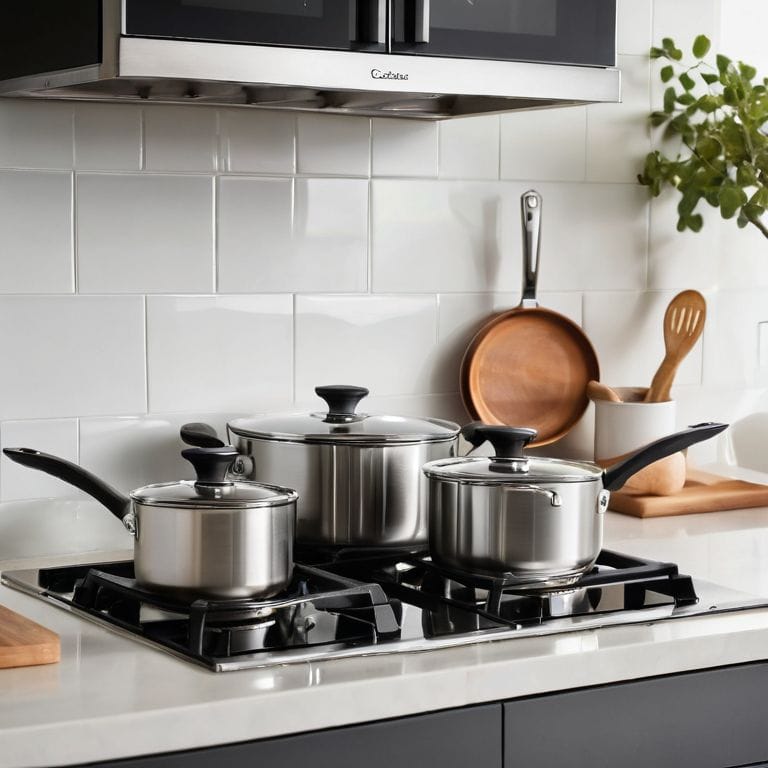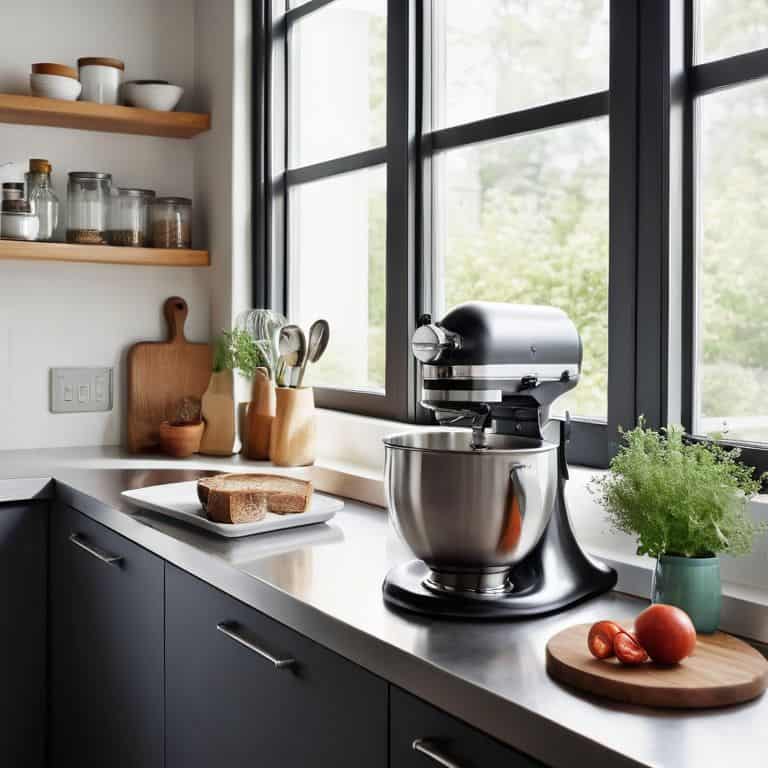
I still remember the day I realized that maximizing counter space wasn’t just about having more room to cook – it was about creating a seamless workflow in my tiny kitchen. I was trying to prep a simple meal, but every movement felt like a chore: reaching for utensils, struggling to find a spot for my cutting board, and constantly wiping down the counters to make space. It was then that I decided to apply my engineering background to how to maximize counter space and turn my kitchen into a well-oiled machine. I started by identifying the most common myths about kitchen design, like the idea that a larger kitchen is always more efficient.
As I delved deeper into the world of kitchen optimization, I discovered that it’s not about the size of your kitchen, but about optimizing every inch of counter space. In this article, I’ll share my personal, tried-and-tested strategies for how to maximize counter space, from clever storage solutions to workflow-boosting layouts. You’ll learn how to streamline your cooking process, eliminate clutter, and create a kitchen that works smarter, not harder. Whether you’re a fellow tiny kitchen dweller or just looking to revamp your cooking space, I’ll provide you with practical, no-nonsense advice to help you achieve a more efficient and enjoyable cooking experience.
Table of Contents
Guide Overview: What You'll Need
Total Time: 1 hour 45 minutes
Estimated Cost: $50 – $100
Difficulty Level: Intermediate
Tools Required
- Tape Measure (for accurate measurements)
- Level (to ensure even installation)
- Drill (with screwdriver and drill bits)
- Utility Knife (with extra blades)
- Wrench (for tightening bolts)
- Pencil (for marking surfaces)
Supplies & Materials
- Shelves (adjustable to fit your space)
- Wall Mounts (for hanging items)
- Adhesive Hooks (for hanging items without nails)
- Drawer Organizers (to maximize drawer space)
- Counter Top Tray (for small items like spices or cleaning supplies)
- 2-in x 4-in lumber (for creating custom shelves or supports)
Step-by-Step Instructions
- 1. First, let’s start by assessing your current counter space. Take a good hard look at your tiny kitchen’s countertops and identify any areas that are being underutilized or wasted. Consider the workflow of your kitchen – where do you spend most of your time, and what tasks do you perform most frequently? This will help you determine which areas to focus on optimizing.
- 2. Next, clear everything off your counters and sort items into categories (e.g., baking supplies, cooking utensils, appliances). This will give you a sense of what you need to accommodate in terms of storage and counter space. Be ruthless – if you don’t use it regularly, consider storing it elsewhere or getting rid of it altogether.
- 3. Now it’s time to think about vertical space. Consider installing a pegboard or a magnetic strip on a wall or the side of a cabinet to hang frequently used items like utensils, spices, or oils. This will help keep your counters clear while still keeping essential items within easy reach. Look for adjustable or modular systems that can be customized to fit your specific needs.
- 4. The next step is to optimize your appliance layout. Take stock of the appliances you use most frequently and consider relocating them to a more central location or investing in space-saving alternatives (e.g., a toaster oven instead of a full-sized oven). Be mindful of cord management to keep your counters clutter-free.
- 5. To make the most of your available counter space, consider implementing a “zone” system. Divide your counter into distinct areas for different tasks, such as a baking zone, a cooking zone, and a prep zone. This will help you stay organized and ensure that you have everything you need within easy reach. Use visual cues like trays, baskets, or dividers to define each zone.
- 6. Another key strategy for maximizing counter space is to use the “dead” space around your sink and stove. Consider installing a sink caddy or a stove-side shelf to provide additional storage for frequently used items like soap, sponges, or spices. Look for customizable solutions that can be tailored to fit your specific needs.
- 7. Finally, don’t forget to maintain your newly optimized counter space. Set aside time each week to wipe down your counters, tidy up any clutter, and ensure that everything is still in its assigned place. By following these steps and staying committed to your workflow optimization plan, you’ll be able to turbocharge your tiny kitchen’s productivity and make the most of your limited counter space.
Maximizing Counter Space
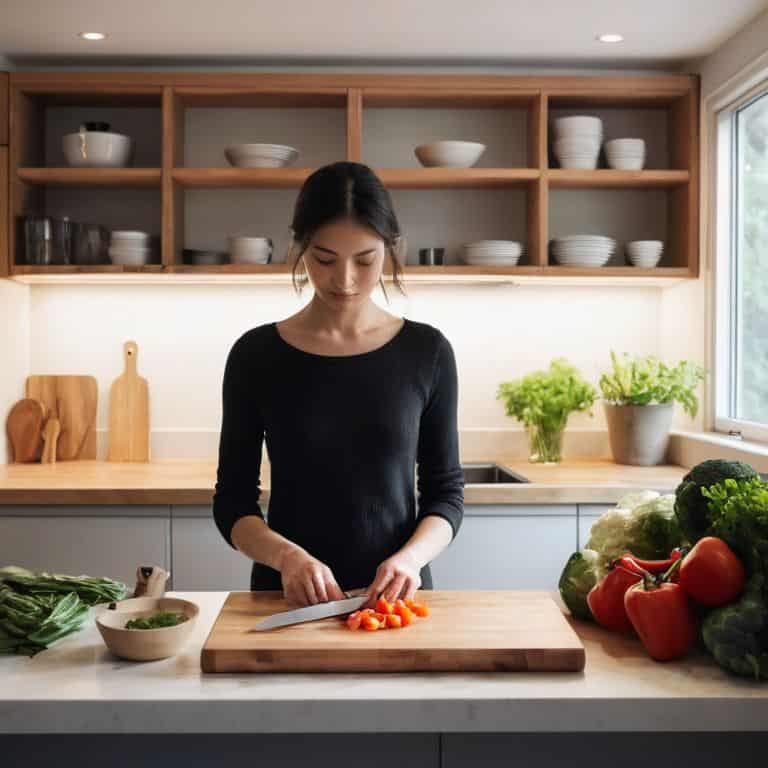
When it comes to optimal kitchen counter height, it’s essential to consider your personal comfort and workflow. I’ve found that having a counter that’s slightly lower than standard height allows me to work more efficiently, with less strain on my back. This is especially important in a tiny kitchen, where every movement counts. By optimizing your counter height, you can create a more streamlined workflow, making it easier to prepare meals and clean up afterwards.
In addition to optimizing your counter height, corner kitchen counter ideas can be a game-changer in small kitchens. I’ve used _space-saving_ solutions like corner carousels and fold-down shelves to make the most of this often-wasted space. These clever designs allow you to store frequently used items, keeping them within easy reach while maintaining a clutter-free counter. By utilizing your kitchen’s corners, you can create a more efficient workspace, perfect for food preparation and cooking.
To take your counter space to the next level, consider investing in a kitchen cart with storage. These versatile units provide additional counter space, storage, and often feature built-in organizational systems. I’ve used mine to store cooking essentials, like oils and spices, keeping them organized and within reach. By implementing these strategies, you can create a tiny kitchen that’s not only functional but also beautifully organized, making cooking and entertaining a breeze.
Optimizing Kitchen Counter Height
To truly maximize counter space, I’ve found that optimizing kitchen counter height is a crucial step. In my own tiny kitchen, I’ve implemented a multi-level counter system, with a lower section for food prep and a higher section for cooking. This not only creates more space but also reduces strain on my back from constant bending.
By adjusting the counter height to fit your specific needs, you can create a more efficient workflow. For example, installing a pull-out countertop or a foldable countertop extension can provide additional space when needed, while keeping the floor clear when not in use. This careful consideration of counter height can make a significant difference in the overall functionality of your tiny kitchen.
Turbocharging Counter Real Estate
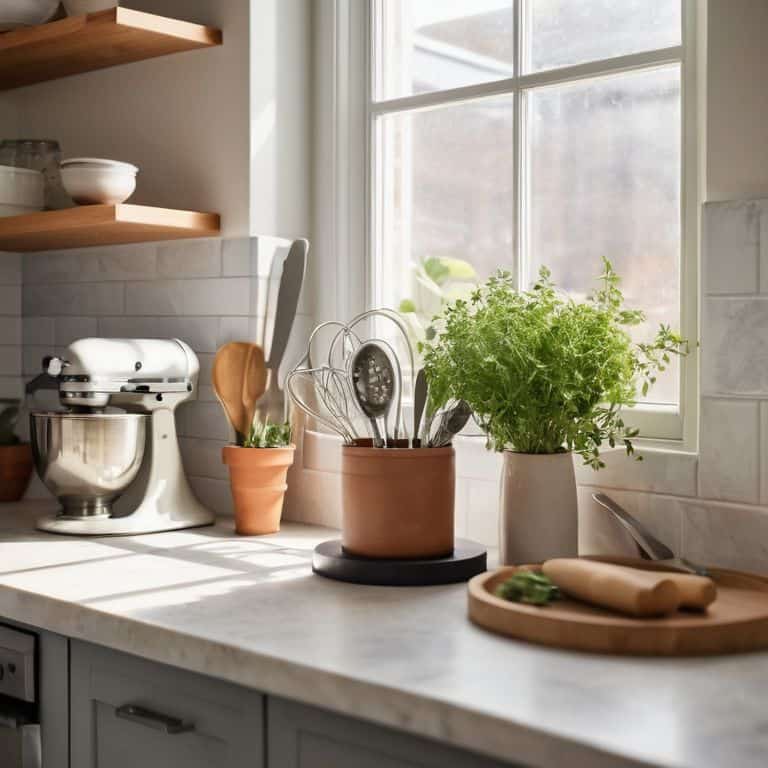
To turbocharge your tiny kitchen’s counter real estate, consider implementing a “zone defense” strategy. Divide your counter into distinct zones for specific tasks, such as food prep, cooking, and cleaning. This will help you make the most of your available space and reduce clutter. For example, designate a particular area for your stand mixer or food processor, and store related accessories nearby.
By creating these zones, you’ll be able to work more efficiently and avoid wasting time searching for utensils or ingredients. I like to think of it as a “workflow optimization” for your kitchen – every movement has a purpose, and every item has its designated spot. This approach may require some experimentation to get right, but trust me, it’s worth the effort. With a well-designed counter layout, you’ll be amazed at how much more you can accomplish in your tiny kitchen.
Counter Space Hacks to Change the Game
- Designate a ‘landing strip’ near the entrance of your kitchen to corral keys, mail, and other items that tend to clutter countertops
- Install a pegboard on a wall or the side of a cabinet to hang frequently used utensils and tools, keeping them within easy reach
- Utilize the often-wasted space above your counters with a pot rack, shelf, or storage unit to keep infrequently used items out of the way
- Implement a ‘zone defense’ strategy by grouping similar activities, such as food prep or cooking, in specific areas to minimize clutter and maximize efficiency
- Schedule regular ‘counter sweeps’ to clear off any unnecessary items and maintain your carefully optimized counter space, making adjustments as needed to ensure your kitchen remains a finely-tuned machine
Key Takeaways for Turbocharging Your Tiny Kitchen
By implementing a ‘zone-based’ kitchen layout, you can strategically allocate counter space to specific tasks, such as food prep or cooking, to maximize efficiency
Optimizing your kitchen counter height and investing in modular, space-saving accessories can help you reclaim valuable counter real estate and reduce clutter
Applying the principles of ‘workflow optimization’ to your kitchen routines can help you identify and eliminate unnecessary movements, freeing up more time and space to focus on the cooking experience
The Key to Kitchen Efficiency
The secret to maximizing counter space isn’t about having more of it, it’s about making every inch work in harmony with your workflow – it’s a symphony of function and design.
Leo Vance
Bringing it all Together: Maximizing Counter Space
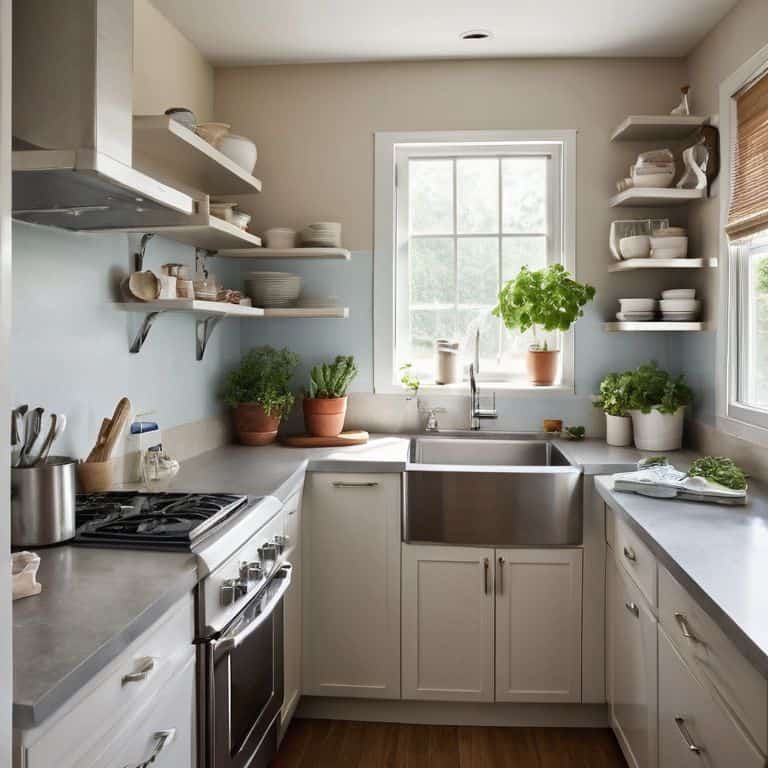
As we’ve explored throughout this guide, maximizing counter space in a tiny kitchen is all about workflow optimization and clever design choices. From the initial steps of assessing your space to the final touches of implementing a functional workflow, every decision counts. We’ve delved into the importance of turbocharging counter real estate, optimizing kitchen counter height, and other key strategies to make your tiny kitchen work smarter, not harder. By applying these principles, you’ll be well on your way to creating a space that feels larger than it actually is.
As you embark on your own journey to maximize counter space, remember that it’s not just about the physical space – it’s about creating a stress-free cooking environment that sparks joy and inspiration. By embracing the challenges of a tiny kitchen and applying a logical, systems-based approach, you’ll not only gain a more efficient workspace but also develop a deeper appreciation for the art of cooking itself. So, don’t be afraid to get creative, experiment with new layouts, and most importantly, enjoy the process of transforming your tiny kitchen into a culinary haven.
Frequently Asked Questions
How can I determine the ideal counter height for my tiny kitchen to maximize efficiency?
To determine the ideal counter height, I recommend a simple ‘elbow test’: stand with your feet shoulder-width apart and your arms relaxed at your sides. Bend your elbows at a 90-degree angle, and note the height of your hands. This natural position will give you the perfect counter height for efficient workflow in your tiny kitchen.
What are some creative ways to utilize the often-wasted space under my kitchen counters?
I’m a big fan of leveraging under-counter space. Consider installing sliding drawers or baskets to stash lesser-used items like special occasion dishes or kitchen gadgets. You can also use adhesive hooks or a magnetic strip to hang spices, oils, or cleaning supplies, keeping them out of the way but still accessible.
Can you provide examples of multi-functional appliances or tools that can help reduce clutter and increase usable counter space?
I’m a huge fan of multi-functional appliances, like toaster oven-air fryer combos or stand mixers with food processor attachments. These space-saving wonders can help declutter your counters and free up precious real estate for more important tasks – like cooking up a storm!