I still remember the day I decided to turn my tiny windowsill into a thriving herb garden – it was a game-changer for my small kitchen. I was determined to find a way to make the most of the limited space I had, and that’s when I stumbled upon the idea of using a windowsill to grow my own herbs. As I delved deeper into the world of a guide to growing herbs on a windowsill, I realized that it’s not as complicated as it seems. In fact, with the right tips and tricks, anyone can create a beautiful and functional herb garden, even in the smallest of spaces.
In this article, I’ll be sharing my personal experience and expertise on how to create a stunning herb garden on your windowsill. You’ll learn how to choose the right herbs for your space, how to prepare the soil, and how to maintain your garden with minimal effort. I’ll also be sharing some of my favorite budget-friendly tips for creating a beautiful and functional herb garden, so you can enjoy the benefits of fresh herbs without breaking the bank. By the end of this guide, you’ll be equipped with the knowledge and confidence to turn your windowsill into a thriving oasis, and start enjoying the many benefits of growing your own herbs at home.
Table of Contents
Guide Overview: What You'll Need

Total Time: 1 hour 30 minutes
Estimated Cost: $20 – $40
Difficulty Level: Easy
Tools Required
- Gardening Gloves (for handling soil and plants)
- Small Trowel (for planting and transplanting herbs)
- Watering Can (with a small spout for gentle watering)
- Pruning Shears (for trimming and shaping herbs)
- Ruler (for measuring windowsill space, approximately 12 inches wide)
Supplies & Materials
- Herb Seeds (choose your preferred herb varieties)
- Small Pots (approximately 6 inches in diameter and 6 inches deep)
- Potting Soil (a high-quality mix for indoor plants)
- Fertilizer (a balanced, water-soluble formula)
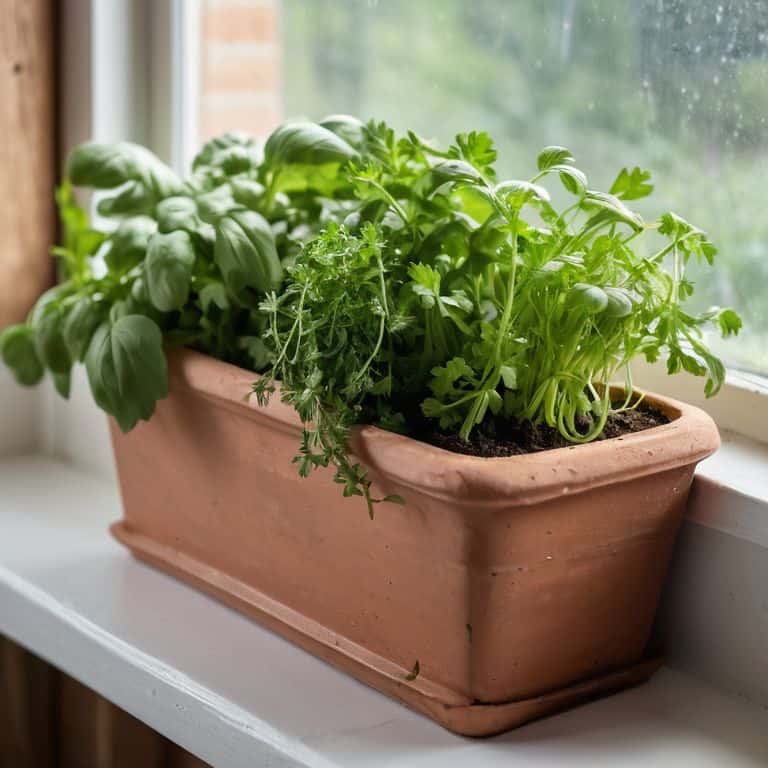
- Windowsill Planter Box (optional, approximately 24 inches long and 4 inches wide)
Step-by-Step Instructions
- 1. First, let’s start by assessing our windowsill space. Take a close look at the windowsill you plan to use for your herb garden. Consider the amount of sunlight it gets, as most herbs need at least 4-6 hours of direct sunlight per day. Also, think about the size of the space and how many plants you can comfortably fit.
- 2. Next, choose your herbs wisely. Not all herbs are created equal, and some do better in small spaces than others. I recommend starting with herbs like basil, mint, or cilantro, which are easy to grow and don’t require a lot of space. You can either start with seeds or purchase small herb plants from a local nursery.
- 3. Now, let’s talk about soil and drainage. Herbs don’t like wet feet, so it’s essential to use a well-draining potting mix to prevent waterlogged soil. You can purchase a pre-mixed potting soil or create your own mix using a combination of peat moss, vermiculite, and perlite.
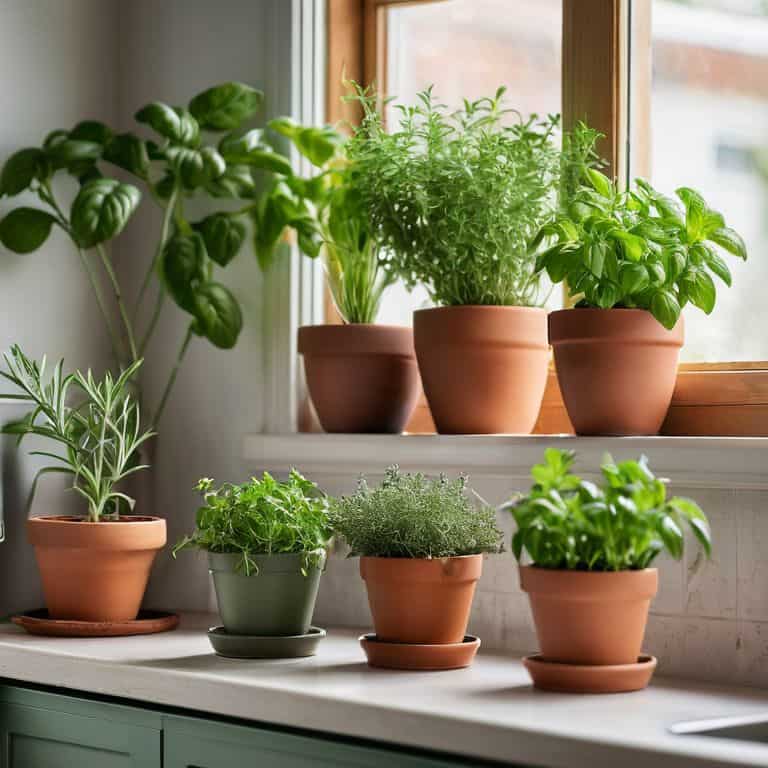
- 4. It’s time to select the right containers. You don’t need to break the bank on fancy pots, but make sure they have good drainage holes to prevent water from accumulating in the soil. I like to use small terracotta pots or repurposed containers like old mason jars or tin cans.
- 5. Once you have your containers and soil, it’s time to plant your herbs. Fill each container with the potting mix, leaving about an inch at the top for watering. Gently remove the herb plant from its packaging and place it in the container, making sure the soil level is the same as it was in the original pot.
- 6. Watering is key, but it’s also important not to overwater. Water your herbs when the top inch of soil feels dry to the touch. You can also use a watering can with a long spout to make it easier to reach the back of the windowsill without making a mess.
- 7. To keep your herb garden thriving, provide regular maintenance. This includes fertilizing your herbs once a month with a balanced fertilizer, pruning them regularly to encourage bushy growth, and keeping an eye out for pests like spider mites or mealybugs.
- 8. Finally, enjoy your harvest! Once your herbs are established, you can start using them in your cooking. Simply snip off the leaves or stems you need with scissors, and enjoy the fresh flavor of your homegrown herbs. Remember to keep your herb garden organized by labeling each container and keeping a record of when you planted and harvested each herb.
Sill Success Guide

As I’ve learned from my own experiences with indoor herb gardening for beginners, one of the most crucial aspects of maintaining a healthy and thriving herb garden is natural pest control. I’ve found that introducing beneficial insects, like ladybugs or lacewings, can be an effective way to keep pests at bay. Additionally, using neem oil or insecticidal soap can help prevent infestations.
When it comes to choosing the best herbs for small spaces, I always recommend opting for compact or dwarf varieties. These plants are specifically bred to thrive in tight spaces, making them perfect for windowsill herb planters. Some of my favorite herbs for small spaces include basil, mint, and parsley. To keep my herbs healthy and robust, I also make sure to fertilize them regularly, using a balanced fertilizer that promotes healthy growth.
To get the most out of my herb garden, I’ve developed a few key habits, including pruning herbs for optimal growth. By regularly trimming back my herbs, I’m able to encourage bushy growth and prevent them from becoming leggy. I also make sure to harvest my herbs regularly, which helps to promote new growth and prevent the plants from flowering. By following these simple tips, you can create a thriving and productive herb garden, even in the smallest of spaces.
Natural Pest Control Tips
To keep my tiny herb garden thriving, I’ve learned to ditch the chemicals and opt for natural pest control methods instead. One of my favorites is neem oil – it’s a total game-changer for keeping those pesky aphids and whiteflies at bay. I simply mix a few drops with water and spray it gently over my herbs. Another trick I swear by is introducing beneficial insects, like ladybugs or lacewings, to my windowsill garden. They feast on the bad guys, leaving my herbs happy and healthy.
I also make sure to inspect my plants regularly, gently wiping away any visible pests with a soft brush or a damp cloth. It’s all about finding that balance and working with nature, rather than against it. By using these natural methods, I’ve been able to keep my herb garden pest-free and thriving, even in the smallest of spaces.
Tiny Windowsill Herb Hacks
Now that we’ve covered the basics, let’s dive into some tiny windowsill herb hacks to take your herb garden to the next level. One of my favorite tricks is to use a trellis or a obelisk to train vining herbs like mint or lemongrass to grow upwards, maximizing space. I also love repurposing old containers like mason jars or tea tins to add a personal touch to my herb garden. By getting creative with your container choice, you can add a decorative element to your windowsill while keeping your herbs organized and within reach.
Sill Savvy: 5 Essential Tips for a Thriving Windowsill Herb Garden
- Choose the Right Herbs: Select herbs that thrive in indoor conditions and can tolerate the amount of light your windowsill receives, such as basil, mint, or parsley
- Prepare Your Soil: Use a well-draining potting mix specifically designed for indoor plants, and consider adding a fertilizer to promote healthy growth and flavor
- Water Wisely: Check the soil daily, and water only when it feels dry to the touch, avoiding overwatering which can lead to root rot and other problems
- Provide Proper Pruning: Regular pruning encourages bushy growth, prevents the herbs from flowering, and helps maintain the shape of the plants, so get out those scissors and start trimming
- Monitor the Temperature: Most herbs prefer daytime temperatures between 65-75°F (18-24°C) and nighttime temperatures around 55-65°F (13-18°C), so keep them away from drafts and heating vents for optimal growth
Sowing the Seeds of Success: 3 Key Takeaways
By transforming your tiny windowsill into a thriving herb garden, you can add a touch of greenery to your kitchen and fresh flavors to your cooking
With the right combination of natural light, water, and TLC, even the smallest of spaces can become a haven for herbs like basil, mint, and rosemary
By incorporating these simple and budget-friendly herb gardening hacks into your daily routine, you’ll be empowered to get creative with your cooking and make the most of your tiny kitchen’s often-wasted spaces
Sowing Wisdom
Growing herbs on a windowsill isn’t just about adding fresh flavor to your meals, it’s about cultivating life and beauty in the smallest of spaces – a reminder that even in the tiniest kitchens, we have the power to nurture and create.
Maya Torres
Sowing the Seeds of Success
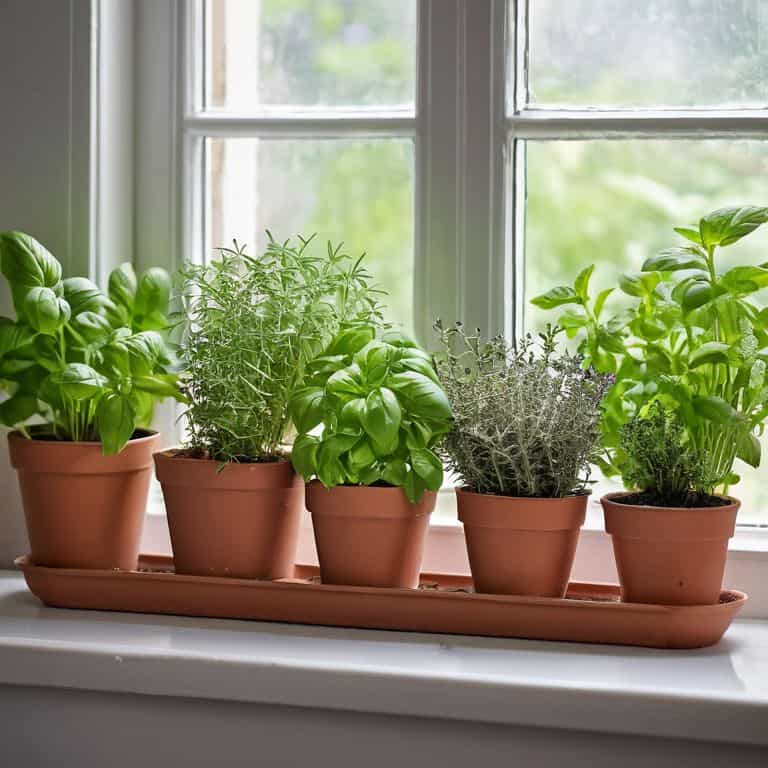
As we conclude this journey to turning your tiny windowsill into a thriving herb garden, let’s recap the key takeaways: choosing the right herbs, utilizing natural pest control methods, and making the most of your limited space. By following these simple steps and incorporating a few tiny windowsill herb hacks, you’ll be well on your way to harvesting fresh, fragrant herbs all year round. Whether you’re a seasoned gardener or a beginner, the sense of accomplishment that comes with nurturing your own little garden is incredibly empowering. So, don’t be afraid to get creative and experiment with different herb combinations and DIY projects to make your windowsill garden truly unique.
As you embark on this green-thumbed adventure, remember that growing herbs on a windowsill is not just about cultivating plants – it’s about cultivating a sense of community and connection with nature. So, go ahead, share your harvest with friends and family, and inspire others to join you in this rewarding journey. With a little patience, love, and care, your tiny windowsill can become a bountiful oasis, bringing joy and freshness to your kitchen and beyond. Happy growing, and don’t forget to show off your sill success on social media using our community hashtag!
Frequently Asked Questions
What are the best herbs to grow on a windowsill for a beginner?
For a beginner, I recommend starting with easy-to-grow herbs like basil, mint, and parsley. They’re perfect for a windowsill and can thrive in small spaces. Plus, they’re super versatile in cooking, so you’ll get plenty of use out of them!
How often should I water my windowsill herb garden to prevent overwatering?
Watering is all about balance! I water my windowsill herbs when the top inch of soil feels dry to the touch, usually every 2-3 days. But remember, it’s better to err on the side of caution – underwatering is easier to fix than overwatering, which can be deadly for those lovely herbs.
Can I grow herbs on a windowsill with limited direct sunlight, and if so, which herbs are most suitable?
Don’t worry if your windowsill doesn’t get direct sunlight all day – some herbs are perfectly happy with partial shade. Try growing mint, parsley, or chives, which can thrive with just a few hours of direct sunlight. They’re perfect for adding fresh flavor to your cooking, even in a tiny kitchen with limited sunlight.