I still remember the day I decided to take on my tiny kitchen’s biggest flaw: the lack of fresh herbs. I was determined to find the best herbs to grow indoors for cooking, and I was willing to experiment until I got it right. The common myth that you need a huge backyard or a green thumb to grow your own herbs is just that – a myth. With a little creativity and the right guidance, anyone can bring a touch of freshness to their cooking, even in the smallest of spaces.
In this article, I’ll share my honest, no-hype advice on how to get started with growing your own herbs indoors. I’ll walk you through the simple steps to choose, plant, and care for the best herbs to grow indoors for cooking, so you can start adding that extra burst of flavor to your meals. From basil to parsley, and all the way to more exotic options, I’ll give you the lowdown on what works and what doesn’t in a small kitchen like mine. Get ready to unleash your inner chef and make the most of your indoor space!
Table of Contents
Guide Overview: What You'll Need

Total Time: 1 hour 30 minutes
Estimated Cost: $20 – $40
Difficulty Level: Easy
Tools Required
- Small pots at least 6 inches deep
- Potting soil high quality
- Watering can with small spout
- Pruning scissors sharp and clean
Supplies & Materials
- Basil seeds sweet or genovese variety
- Mint seeds peppermint or spearmint variety
- Cilantro seeds slow bolt variety
- Parsley seeds curled or flat leaf variety
- Chives seeds onion or garlic variety
- Indoor growing lights optional, but recommended for low light areas
Step-by-Step Instructions
- 1. First, let’s start with the basics: choosing the right herbs for your indoor garden. I recommend selecting a mix of herbs that are easy to grow and can thrive in low-light conditions, such as basil, mint, and parsley. You can either start with seeds or purchase small herb plants from a local nursery.
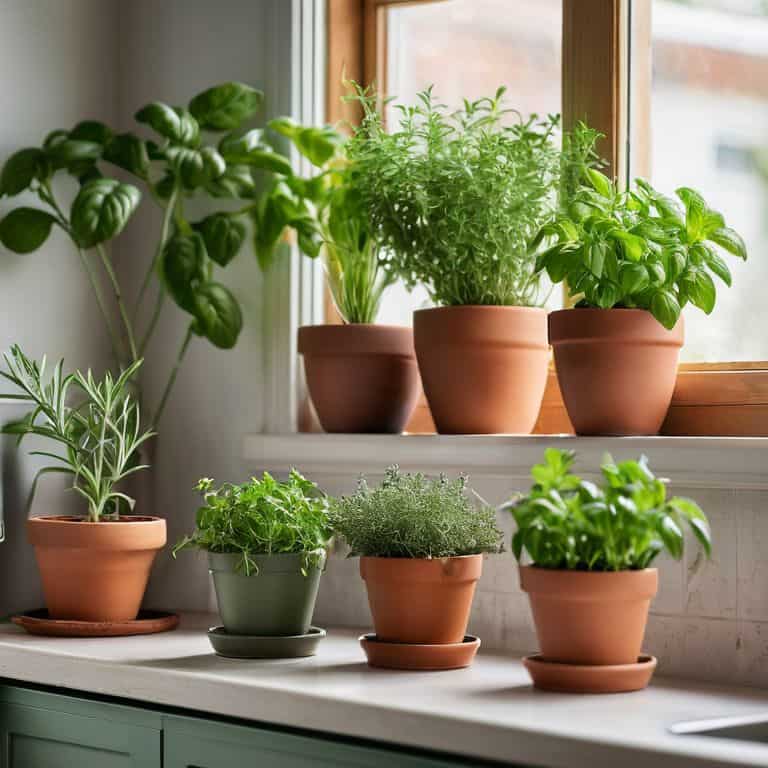
- 2. Next, prepare your containers by cleaning and disinfecting them. I like to use small ceramic pots or wooden planters that fit perfectly on my kitchen windowsill. Make sure they have good drainage holes to prevent waterlogged soil.
- 3. Now it’s time to get your hands dirty and plant your herbs. Fill your containers with a well-draining potting mix, leaving about an inch at the top for watering. Gently remove the herb plants from their packaging and plant them in the soil, making sure not to compact the soil too much.
- 4. After planting, water thoroughly to settle the soil and provide enough moisture for your herbs to establish themselves. I like to use a watering can with a long spout to reach all my plants without making a mess. Water your herbs when the top inch of soil feels dry to the touch.
- 5. To ensure your herbs receive the right amount of light, place them in a bright and sunny spot, such as a south-facing windowsill or under grow lights. Most herbs require at least 4-6 hours of direct sunlight per day to photosynthesize and grow.
- 6. Fertilize your herbs regularly to promote healthy growth and maximize their flavor. I use a balanced, water-soluble fertilizer that’s specifically designed for indoor plants. Dilute the fertilizer to half the recommended strength to avoid burning your herbs’ roots.
- 7. Finally, prune and harvest your herbs regularly to encourage bushy growth and prevent them from flowering. Use scissors or pinch off individual leaves to harvest your herbs, and trim back leggy stems to maintain a compact shape. This will also help to prevent your herbs from becoming too pot-bound and reduce the need for frequent repotting.
Best Herbs to Grow Indoors for Cooking
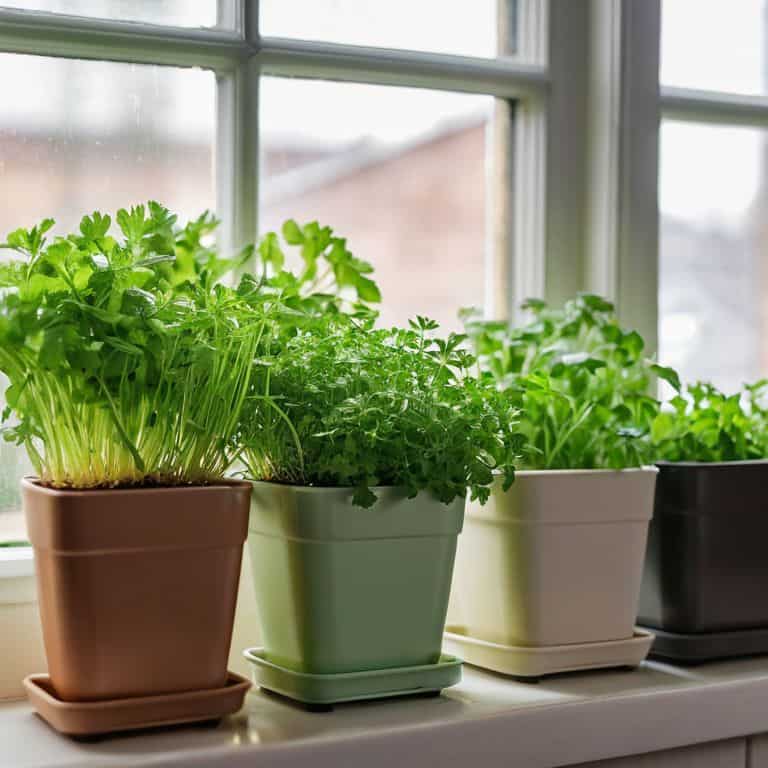
When it comes to low light herb gardening, some herbs are more forgiving than others. I’ve found that mint, parsley, and chives can thrive in spots with limited natural light, making them perfect for indoor gardens. To give them a boost, I like to use indoor herb garden kits that include grow lights, which provide the necessary spectrum for healthy growth.
For a truly space-efficient solution, consider using herb planters for indoor use that can be mounted on a wall or placed on a windowsill. This not only saves counter space but also allows for maximum sunlight exposure. I’ve had great success with growing basil and rosemary on my windowsill, and with the right planter, you can enjoy fresh herbs year-round.
To achieve year round indoor herb growth, it’s essential to maintain a consistent temperature and watering schedule. I recommend checking the soil daily and watering only when necessary to prevent root rot. By following these tips and choosing the right herbs for your indoor space, you can enjoy a bountiful harvest of fresh flavors and aromas, even in the smallest of kitchens.
Sowing Flavor in Low Light Spaces
Sowing Flavor in Low Light Spaces
When it comes to growing herbs indoors, I’ve found that low light areas can be just as thriving as sunny spots. For my own tiny kitchen, I’ve had success with herbs like mint, parsley, and chives, which can tolerate partial shade. These hardy herbs can add fresh flavor to a variety of dishes, from teas to salads. To make the most of low light spaces, consider using grow lights or placing herb planters near north-facing windows.
By getting creative with lighting, you can enjoy a bountiful harvest even in the coziest of kitchens. I love experimenting with different herb combinations to find the perfect blend for my favorite recipes. With a little patience and the right conditions, you can be sipping mint tea or sprinkling fresh parsley on your pizza, all from the comfort of your own low-light kitchen oasis.
Year Round Harvest With Small Space Herb Cultivation
With a little planning, you can enjoy a year-round harvest of fresh herbs, even in the smallest of spaces. I’ve found that using a combination of window boxes and indoor planters allows me to grow a variety of herbs, from basil to rosemary, no matter the season. By rotating my herb selection based on the time of year, I can ensure a constant supply of fresh flavors to add to my cooking.
I love that small space herb cultivation lets me get creative with my harvest schedule. For example, I’ll start seeds for warm-weather herbs like mint and lemongrass in the spring, and then switch to cooler-weather herbs like parsley and thyme in the fall. This way, I always have a fresh crop of herbs to choose from, and my cooking never gets boring.
Harvesting Success: 5 Essential Tips for Growing Herbs Indoors
- Choose the Right Containers: Select pots that are at least 6-8 inches deep to give your herbs’ roots room to grow, and make sure they have good drainage holes to prevent waterlogged soil
- Lighting is Key: Most herbs need bright, indirect light to thrive, so place them near a sunny window or use grow lights to supplement the natural light
- Water Wisely: Check the soil daily, and water your herbs only when the top inch of soil feels dry to the touch, to prevent overwatering and root rot
- Fertilize for Flavor: Feed your herbs with a balanced, water-soluble fertilizer to promote healthy growth and maximize their flavor and aroma
- Prune for Prosperity: Regular pruning encourages bushy growth, prevents your herbs from becoming leggy, and helps to maintain their shape and flavor, so get out those scissors and start snipping
Key Takeaways for a Thriving Indoor Herb Garden
By choosing the right herbs for your indoor space, such as basil, mint, and parsley, you can enjoy fresh flavors year-round without needing a large garden
With proper care, including sufficient light and watering, your indoor herb garden can be a constant source of fresh herbs for cooking and recipes
Even in the smallest of kitchens, creative use of space, such as using wall-mounted planters or a window sill garden, can allow you to cultivate a thriving and productive indoor herb garden
Sowing Wisdom
Growing your own herbs indoors isn’t just about adding fresh flavor to your cooking – it’s about claiming your space, no matter how small, and making it a haven for creativity and nourishment.
Maya Torres
Sowing the Seeds of Flavor
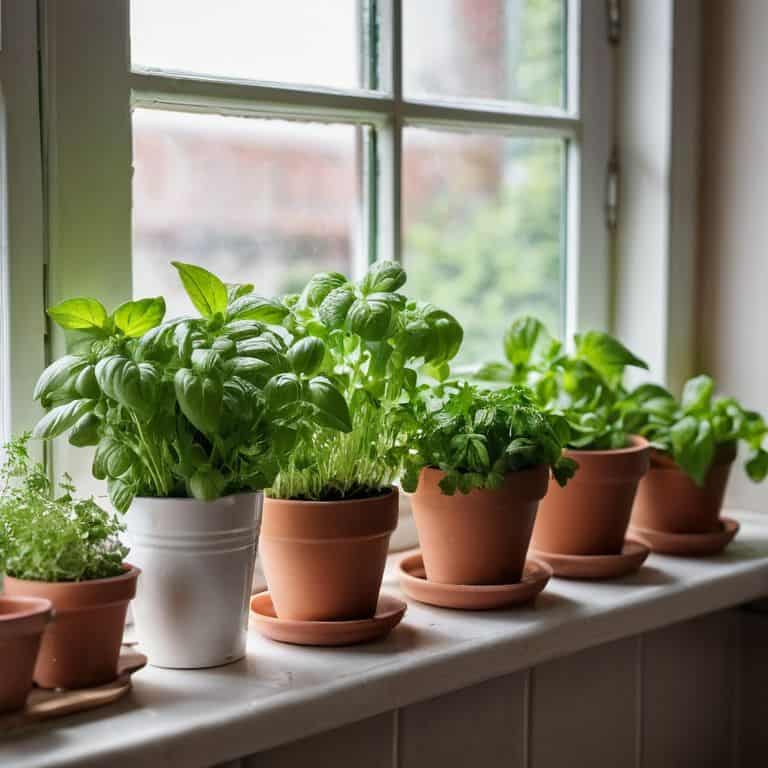
As we’ve explored the best herbs to grow indoors for cooking, it’s clear that with a little creativity, even the smallest of spaces can become a thriving garden. From sowing flavor in low light spaces to enjoying a year-round harvest with small space herb cultivation, the possibilities are endless. By choosing the right herbs for your indoor garden, such as basil, mint, or parsley, and following a few simple steps, you can bring fresh, fragrant flavors into your kitchen all year round. Whether you’re a seasoned gardener or a beginner, the process of nurturing your herbs from seed to plate can be a truly rewarding experience, and one that will leave you feeling empowered to take on even more DIY projects.
As you embark on your own indoor herb gardening journey, remember that it’s not just about growing plants – it’s about creating a more beautiful and functional space that reflects your personality and style. So don’t be afraid to get creative, experiment with different herbs and containers, and make your indoor garden a true reflection of your unique taste and flair. With a little patience and practice, you’ll be enjoying fresh, homegrown herbs in no time, and savoring the flavor of your own success. Happy gardening, and don’t forget to share your own indoor herb gardening adventures with me – I’d love to see what you’re working on!
Frequently Asked Questions
What are the most beginner-friendly herbs to grow indoors for cooking?
For beginners, I swear by basil, mint, and parsley – they’re practically impossible to kill and thrive in indoor conditions. Plus, they’re super versatile in recipes and can be grown in tiny pots or planters, making them perfect for small kitchens like mine!
How often should I water my indoor herb garden to ensure optimal growth?
Watering is all about balance! I water my indoor herb garden when the top inch of soil feels dry to the touch. For most herbs, that’s every 1-2 days in summer and less often in winter. Just be sure to check the moisture by sticking your finger in the soil – it’s the best way to avoid overwatering and ensure your herbs stay happy and healthy!
Can I grow herbs indoors without a lot of natural light, and if so, what are the best options?
Don’t worry about low light – I’ve got you covered. Certain herbs like mint, parsley, and chives can thrive in partial shade. Try placing them near an east- or west-facing window, and supplement with grow lights if needed. You can still enjoy fresh flavors, even in a dimly lit kitchen!