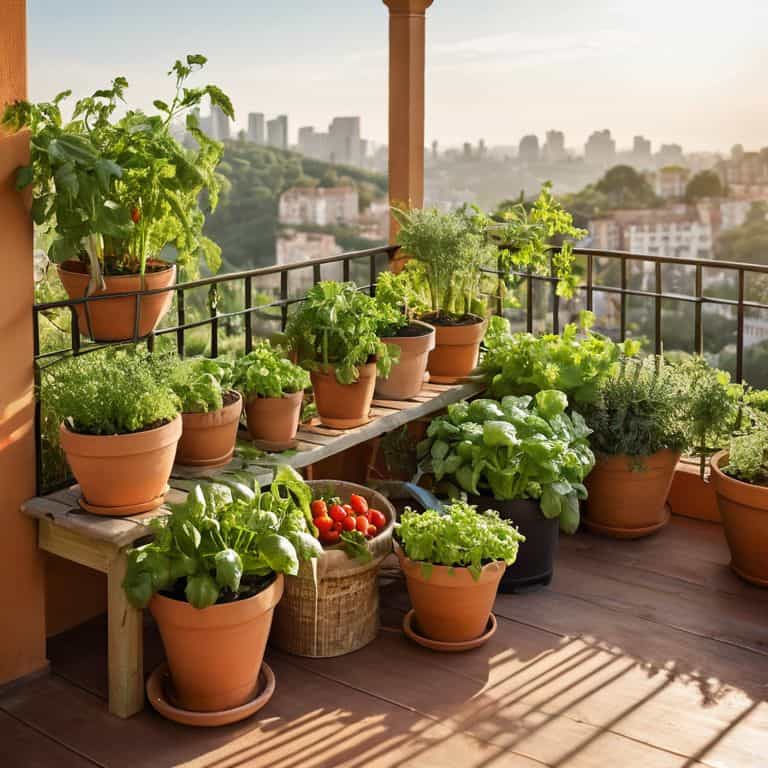
I still remember the day I turned my tiny balcony into a lush garden, and it completely changed my perspective on best vegetables to grow on a balcony. What I discovered was that it’s not about having a large space, but about choosing the right plants that can thrive in small areas. I used to think that growing my own food in the city was a luxury only reserved for those with big backyards, but I was wrong. With a little creativity and the right guidance, anyone can turn their balcony into a productive garden, and I’m excited to share my journey with you.
In this article, I’ll be sharing my top picks for best vegetables to grow on a balcony, along with some practical tips on how to get started. I’ll show you how to make the most of your space, regardless of its size, and provide you with a list of easy-to-grow vegetables that will give you a bountiful harvest. My goal is to empower you with the knowledge and confidence to create your own balcony garden, and to reap the rewards of fresh, homegrown produce right in the heart of the city. Whether you’re a seasoned gardener or a beginner, I hope to inspire you to give balcony gardening a try and experience the joy of growing your own food.
Table of Contents
- Guide Overview: What You'll Need
- Step-by-Step Instructions
- Best Vegetables to Grow on a Balcony
- Harvesting Joy in Small Spaces: 5 Tips for Thriving Balcony Vegetables
- Key Takeaways for Thriving Balcony Gardens
- Cultivating Joy in Small Spaces
- Cultivating Joy in Small Spaces
- Frequently Asked Questions
Guide Overview: What You'll Need
Total Time: 1 hour 30 minutes
Estimated Cost: $20 – $40
Difficulty Level: Easy
Tools Required
- Gardening Gloves (for protection)
- Trowel (for planting)
- Watering Can (with small spout)
Supplies & Materials
- Container Boxes (at least 6 inches deep)
- Potting Soil (specifically designed for containers)
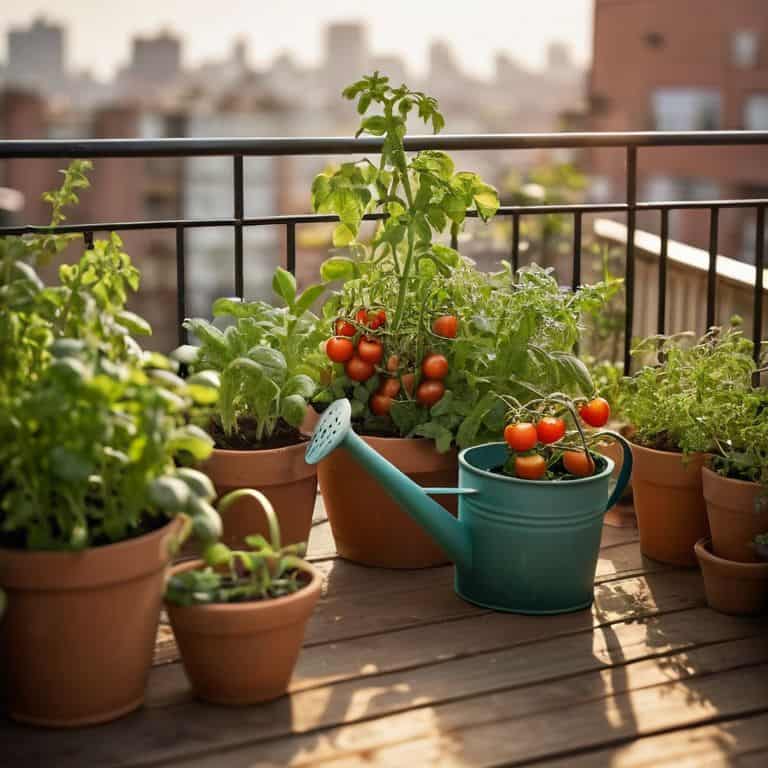
- Seeds or Seedlings (choose from recommended vegetables: cherry tomatoes, leaf lettuce, herbs, peppers, or carrots)
- Balcony Rail Planter (optional, for extra space)
- Fertilizer (balanced, water-soluble)
Step-by-Step Instructions
- 1. First, assess your balcony’s conditions to determine which vegetables will thrive in your unique space. Consider the amount of sunlight your balcony receives, the direction it faces, and the average temperature. I’ve found that even the smallest balconies can have a variety of microclimates, so take note of any areas that might be more shaded or windy.
- 2. Next, choose the right containers for your vegetables. I’m a big fan of repurposing old planters or using self-watering containers to make the most of my space. Make sure your containers have good drainage holes to prevent waterlogged soil, and consider using a trellis or other support system for vining plants like tomatoes or peas.
- 3. Now it’s time to select the best vegetables for your balcony garden. I’ve had great success with compact varieties like cherry tomatoes, leaf lettuce, and herbs like basil and cilantro. These plants are not only delicious, but they’re also relatively low-maintenance and can thrive in small spaces. Look for varieties that are specifically bred for container gardens or small spaces.
- 4. Once you’ve chosen your vegetables, it’s time to prepare the soil. I like to use a high-quality potting mix that’s specifically designed for containers. You can also add your own compost or fertilizer to give your plants an extra boost. Just be sure to follow the instructions on the package and don’t over-fertilize, as this can damage your plants.
- 5. With your containers and soil ready, it’s time to plant your vegetables. Make sure to follow the specific planting instructions for each variety, and don’t be afraid to get creative with your layout. I like to plant a mix of tall and short plants to add visual interest to my balcony garden. Water your plants well after planting, and keep the soil consistently moist during the first few weeks.
- 6. As your plants grow, provide support and pruning as needed. This might include staking tall plants, trimming back overgrown branches, or providing a trellis for vining plants to climb. I’ve found that a little bit of pruning can go a long way in keeping my plants healthy and encouraging them to produce more fruit.
- 7. Finally, enjoy the harvest and don’t be afraid to experiment with new recipes and cooking methods. I love trying out new dishes with my freshly picked vegetables, and I’ve found that the flavor and texture of homegrown produce is unbeatable. Consider sharing your harvest with friends and neighbors, or preserving some of your bounty through canning or freezing to enjoy during the off-season.
Best Vegetables to Grow on a Balcony
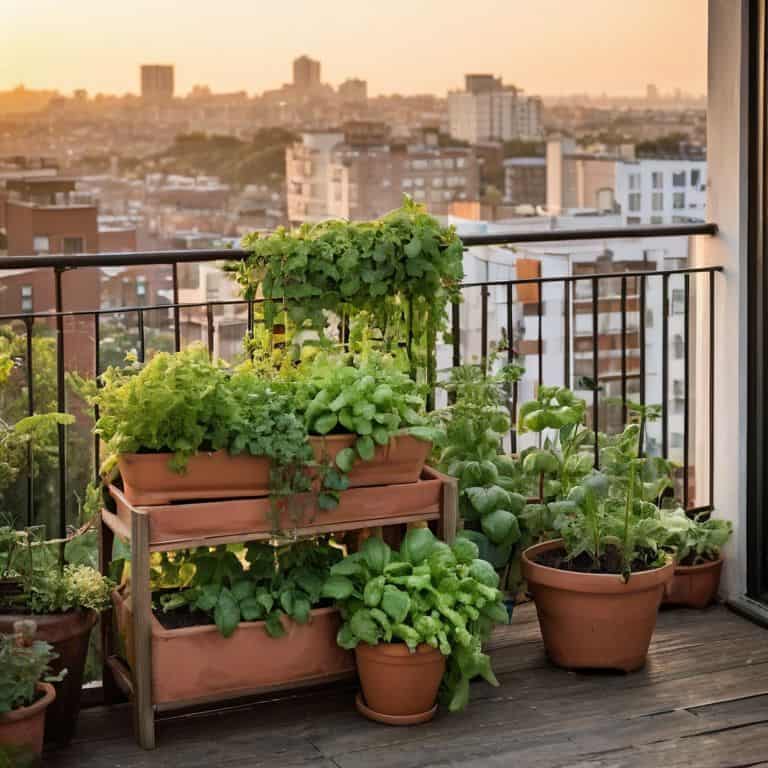
As I delve into the world of small space vegetable gardening, I’ve discovered that choosing the right vegetables is crucial. I’ve had my fair share of trial and error, but one thing that’s worked wonders for me is opting for compact or dwarf varieties. These not only take up less space but also mature faster, giving me a sense of accomplishment and encouraging me to continue exploring the possibilities of container gardening for beginners.
When it comes to selecting vegetables for my balcony, I consider the amount of shade it receives. Since my balcony gets partial shade, I’ve learned to select best balcony plants for shade, such as leafy greens and herbs. These are not only easy to grow but also add a fresh touch to my cooking. I’ve also experimented with vertical gardening ideas, using trellises and wall-mounted planters to maximize my space and create a unique balcony garden design.
To make the most of my balcony garden, I’ve invested in self watering planters for vegetables, which have been a game-changer. These planters allow me to water my plants less frequently, giving me more time to focus on other aspects of my life. With a little creativity and the right tools, I’ve been able to create a thriving oasis in the midst of the city, and I’m excited to share my experiences with others who are just starting out with small space vegetable gardening.
Sowing Stories in Small Spaces
As I step out onto my balcony, surrounded by the hustle and bustle of city life, I’m reminded that even the smallest spaces can hold big stories. My tiny plot of land is where I grow my favorite vegetables, and it’s amazing how a simple act like gardening can bring people together. I’ve had neighbors stop by to admire my tomatoes, and before I know it, we’re swapping recipes and sharing laughter.
For me, it’s not just about growing food – it’s about cultivating community. I’ve found that cherry tomatoes, leafy greens, and herbs like basil and mint are perfect for balcony gardens. They’re easy to care for, and they add a burst of freshness to any dish. Plus, they’re great conversation starters when I’m hosting dinner parties or game nights in my cozy apartment.
Vertical Gardening for Urban Delights
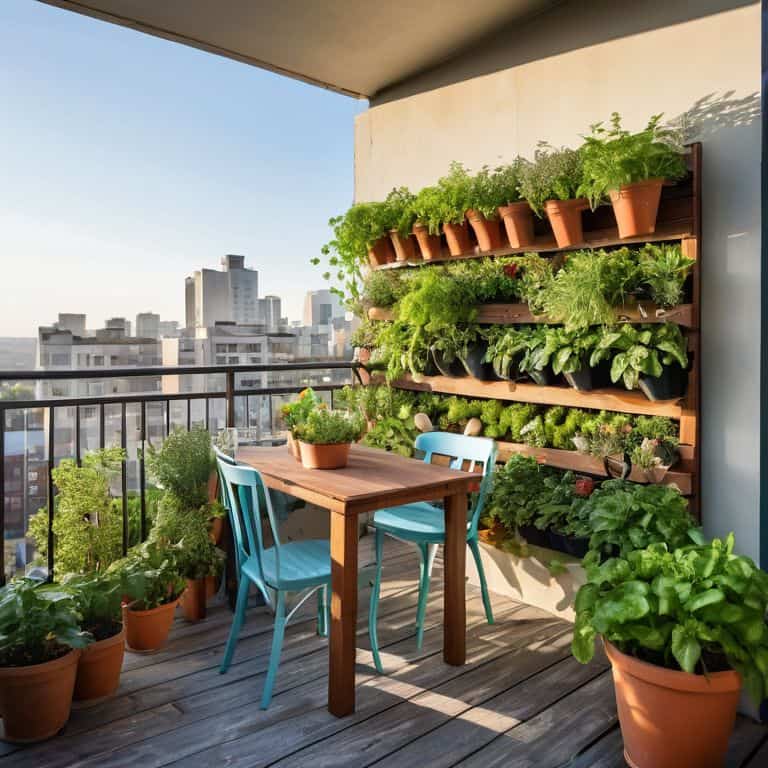
I’ve fallen in love with vertical gardening – it’s a total space-saver and adds a touch of green magic to my balcony. By using wall-mounted planters or a trellis, I can grow vining vegetables like peas, cucumbers, or tomatoes, making the most of my compact outdoor space. This technique not only maximizes yield but also creates a stunning display of foliage and flowers, attracting pollinators and adding to the urban charm. As I tend to my vertical garden, I feel like I’m defying the limitations of my small balcony, turning it into a lush oasis that brings me joy and fresh produce all season long.
Harvesting Joy in Small Spaces: 5 Tips for Thriving Balcony Vegetables
- Choose varieties that are compact or dwarf, perfect for small spaces and requiring minimal support
- Make the most of your vertical space with trellises, arbors, or wall-mounted planters to maximize growth
- Select vegetables that thrive in partial shade, as balconies can often receive limited direct sunlight
- Utilize self-watering planters or containers with built-in water reservoirs to minimize maintenance and ensure healthy roots
- Experiment with succession planting to enjoy a continuous harvest, planting new seeds every 1-2 weeks for a constant supply of fresh produce
Key Takeaways for Thriving Balcony Gardens
I’ve learned that with the right vegetables, even the smallest balconies can become lush oases, providing a sense of community and connection to nature
By choosing varieties like leafy greens, cherry tomatoes, and herbs, urban gardeners can enjoy a bountiful harvest and the satisfaction of growing their own food
Whether you’re a seasoned green thumb or a beginner, the act of nurturing your own balcony garden can be a powerful catalyst for a more mindful, adventurous, and fulfilling life in the city
Cultivating Joy in Small Spaces
The best vegetables to grow on a balcony are not just the ones that thrive in small spaces, but the ones that bring us closer to our communities, our stories, and ourselves – for in the simplest of harvests, we often find the greatest of joys.
Noah Burton
Cultivating Joy in Small Spaces
As I look back on our journey through the world of balcony gardening, I’m reminded that it’s all about embracing the possibilities of small-space living. We’ve explored the best vegetables to grow, from leafy greens to cherry tomatoes, and delved into the magic of vertical gardening. By choosing the right plants and making the most of our space, we can create a thriving oasis in even the coziest of balconies. It’s not just about growing food, but about nurturing a sense of community and connection to the natural world.
So as you embark on your own balcony gardening adventure, remember that it’s the little things that count. The joy of watching a seedling grow, the satisfaction of harvesting a homegrown meal, and the pleasure of sharing it all with loved ones – these are the things that make life rich and full. Don’t be limited by the size of your space; instead, let it be a catalyst for creative living and a deeper appreciation for the world around you.
Frequently Asked Questions
What are the most space-efficient ways to arrange vegetables on a small balcony?
I’ve found that using trellises, wall-mounted planters, and tiered gardens are total space-savers on my balcony. I can fit a surprising amount of veggies in a small footprint, and it’s amazing how much flavor you can pack into a tiny space!
How often should I water my balcony vegetables to ensure they thrive in a urban environment?
I’ve learned that watering my balcony veggies depends on the weather and soil moisture. As a rule of thumb, I water them when the top inch of soil feels dry to the touch, usually every 2-3 days in summer and less often in cooler months. It’s all about finding that sweet spot to keep them happy and thriving in our urban jungle.
Are there any specific vegetables that are more resistant to pests and diseases in a balcony garden?
I’ve found that veggies like cherry tomatoes, peppers, and cucumbers are pretty resilient to pests and diseases on my balcony. They’re also super easy to care for, making them perfect for urban gardeners like myself. Plus, they’re a great starting point for a thriving balcony garden that’s full of life and flavor!