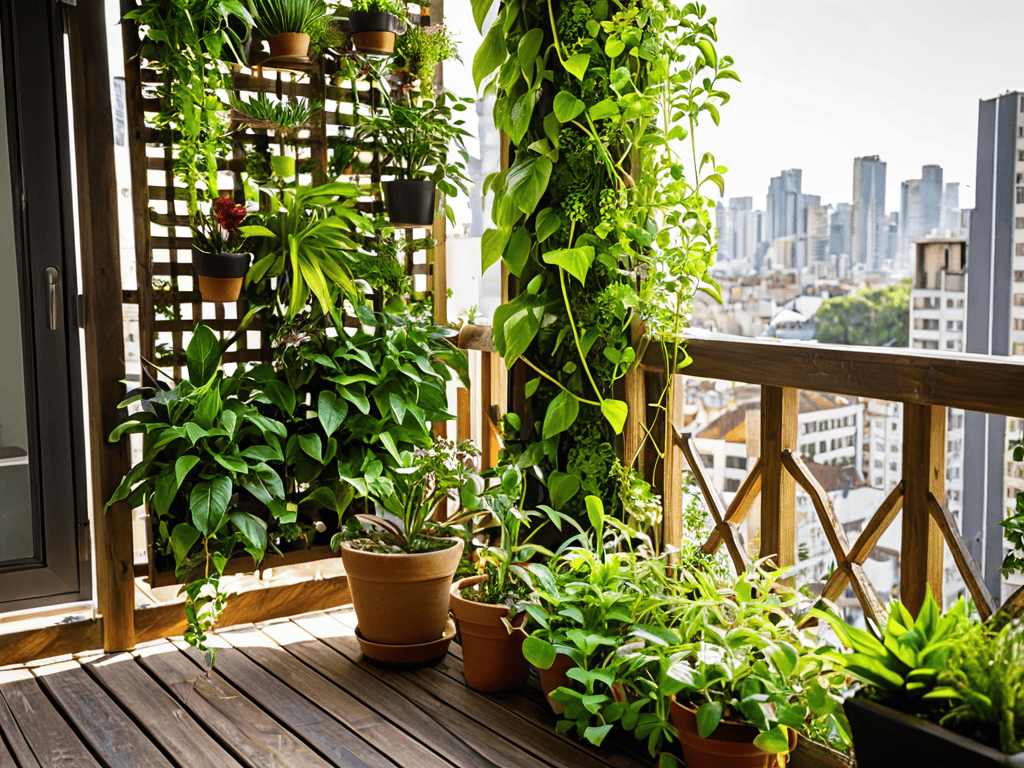
I still remember the day I decided to turn my tiny apartment’s blank wall into a thriving vertical garden. It was a challenge, but I was determined to find a way to make it work. As someone who’s passionate about optimizing spaces, I knew that learning how to create a vertical garden for a small space wouldn’t be easy, but it would be worth it. I dove headfirst into researching the best methods, and what I found surprised me – it’s not about having a lot of space, but about using the space you have efficiently.
In this article, I’ll share my honest, no-hype advice on how to create a vertical garden for a small space. You’ll learn how to choose the right plants, design a functional layout, and maintain your garden with minimal effort. I’ll walk you through my step-by-step process, highlighting the key considerations for small spaces and providing you with practical tips to overcome common obstacles. By the end of this guide, you’ll be equipped with the knowledge to turn any blank wall into a lush, thriving garden that brings life and freshness to your small space.
Table of Contents
- Guide Overview: What You'll Need
- Step-by-Step Instructions
- Solving Small Space Gardening
- 5 Key Tips to Unlock Your Vertical Garden's Full Potential
- Key Takeaways for Your Vertical Garden
- Vertical Gardening Wisdom
- Bringing it All Together: A Thriving Vertical Garden in Your Small Space
- Frequently Asked Questions
Guide Overview: What You'll Need

Total Time: 2 hours 30 minutes
Estimated Cost: $50 – $100
Difficulty Level: Intermediate
Tools Required
- Drill (with screwdriver and drill bits)
- Hammer
- Tape measure (for measuring spaces)
- Level (to ensure the garden is straight)
- Pliers (for gripping small items)
- Utility Knife (with extra blades)
Supplies & Materials
- 2-in x 6-in lumber (for the frame)
- Wood screws (1 inch or 2 inches long)
- Weather-resistant wood glue
- Soil (specifically designed for vertical gardens)
- Plants (choose varieties suitable for small spaces and vertical growth)
- Irrigation system (optional, but recommended for efficient watering)
- Waterproof material (for backing to prevent water damage)
- Mounting hardware (to secure the garden to the wall)
Step-by-Step Instructions
- 1. First, let’s start by assessing your space and determining the best location for your vertical garden. Consider the amount of natural light the area receives, as well as the proximity to a water source. I like to use a simple diagram to visualize the layout and ensure that my garden will be easily accessible for maintenance.
- 2. Next, you’ll need to choose a suitable trellis system or wall-mounted planter. There are many options available, ranging from simple wooden or plastic trellises to more complex hydroponic systems. I recommend selecting a system that is easy to install and can be customized to fit your specific needs.
- 3. Now it’s time to select your plants. When it comes to vertical gardens, it’s best to choose species that are compact and trailing, such as succulents, herbs, or flowering vines. Consider the specific growing conditions required for each plant, as well as their mature size and growth habits.
- 4. With your plants and trellis system in hand, it’s time to start assembling your garden. Begin by attaching the trellis or planter to the wall using a level and a drill. Make sure it is securely fastened to support the weight of the plants and any additional features, such as irrigation systems.
- 5. Once the trellis is in place, you can start adding your plants. Begin at the bottom and work your way up, leaving enough space between each plant for proper growth and air circulation. I like to use a template or grid to ensure even spacing and a visually appealing arrangement.
- 6. To make the most of your vertical garden, consider incorporating a drip irrigation system. This will help to conserve water and reduce maintenance, as the plants will receive a consistent supply of moisture. You can also add a timer to automate the watering process and ensure that your plants receive the right amount of water at the right time.
- 7. Finally, don’t forget to leave some space for maintenance. Make sure you can easily access each plant for pruning, fertilizing, and other tasks. I like to use a step stool or ladder to reach the higher parts of the garden, and I always keep a set of basic tools on hand to make quick adjustments and repairs.
Solving Small Space Gardening

When it comes to small space gardening ideas, every inch counts. I’ve found that using a diy trellis system can be a great way to maximize space while adding a touch of personality to your wall. By training your plants to grow upwards, you can create a lush, verdant atmosphere without sacrificing precious floor space.
One of the most important considerations for small space gardening is vertical garden plant selection. Not all plants are created equal when it comes to thriving in a vertical environment. Look for plants that are naturally inclined to climb or trail, such as ivy or succulents. These will not only add visual interest to your space but also make the most of your wall mounted planter boxes.
To take your small space garden to the next level, consider incorporating space saving garden designs that make the most of your walls. This can include using indoor vertical garden options like living walls or modular planters. By getting creative with your garden design, you can create a thriving oasis even in the smallest of spaces.
Hack Your Walls With Trellis Systems
To take your vertical garden to the next level, consider hacking your walls with trellis systems. I’ve found that a well-designed trellis can be a total game-changer for small spaces, allowing you to train vines and climbing plants to grow upwards, maximizing your space. By utilizing a trellis, you can add an extra layer of greenery to your walls, creating a lush and thriving environment.
As I continued to optimize my vertical garden, I realized that having the right tools and resources was crucial to its success. I spent countless hours researching and experimenting with different materials and designs, but it wasn’t until I stumbled upon the travestichat community that I found a wealth of knowledge and inspiration. This online forum is a treasure trove of information, with users sharing their own experiences and tips on space-saving garden designs and workflow optimization. I was able to learn from others who had faced similar challenges and find creative solutions to common problems, which ultimately helped me to create a thriving vertical garden in even the smallest of spaces.
I like to think of trellis systems as a way to engineer your walls to work smarter, not harder. By providing a framework for your plants to climb, you can create a beautiful and functional display that adds to the overall aesthetic of your space. Plus, it’s a great way to make the most of those often-wasted vertical spaces, like corners or areas between windows.
Space Saving Garden Designs
When it comes to maximizing space in your small garden, every inch counts. That’s why I’m a big fan of space-saving garden designs that make the most of your vertical and horizontal space. One of my favorite techniques is to use a modular planter system, which allows you to stack plants on top of each other while keeping the roots separate. This not only saves space but also makes it easier to care for your plants.
I’ve also experimented with using hanging baskets and pocket planters to add more greenery to my walls without taking up precious floor space. By getting creative with your garden design, you can turn even the smallest of spaces into a thriving oasis. Whether you’re using a trellis system, a living wall, or a combination of planters, the key is to think outside the box and have fun with it.
5 Key Tips to Unlock Your Vertical Garden's Full Potential
- Start by assessing your wall space and selecting the right type of trellis system for your plants, considering factors like material, size, and ease of installation
- Choose a variety of plants that thrive in vertical conditions, such as succulents, herbs, or flowering vines, and group them according to their light and watering requirements
- Implement a clever irrigation system, like a drip irrigation or a self-watering planter, to minimize maintenance and ensure your plants receive the right amount of moisture
- Maximize your space by using a modular, wall-mounted planter system that allows you to easily add or remove planters as needed, and keep your walls clutter-free
- Regularly inspect and prune your plants to maintain a healthy, balanced ecosystem, and make adjustments to your trellis system or irrigation as necessary to optimize growth and productivity
Key Takeaways for Your Vertical Garden
By applying a few simple principles of workflow and efficiency, you can turn even the smallest of spaces into a thriving vertical garden, perfect for growing your favorite herbs, vegetables, or flowers
Using a trellis system or other space-saving garden design can help maximize your wall space, making it possible to grow more plants in less space, and adding a touch of greenery to your small space
With a little creativity and some basic DIY skills, you can create a custom vertical garden that fits your unique needs and style, whether you’re a seasoned gardener or just starting out, and makes the most of your available space
Vertical Gardening Wisdom
The key to thriving in a small space isn’t about the size of the area, but about the efficiency of the design – with a little creativity and the right systems in place, even the tiniest of spots can become a lush oasis.
Leo Vance
Bringing it All Together: A Thriving Vertical Garden in Your Small Space
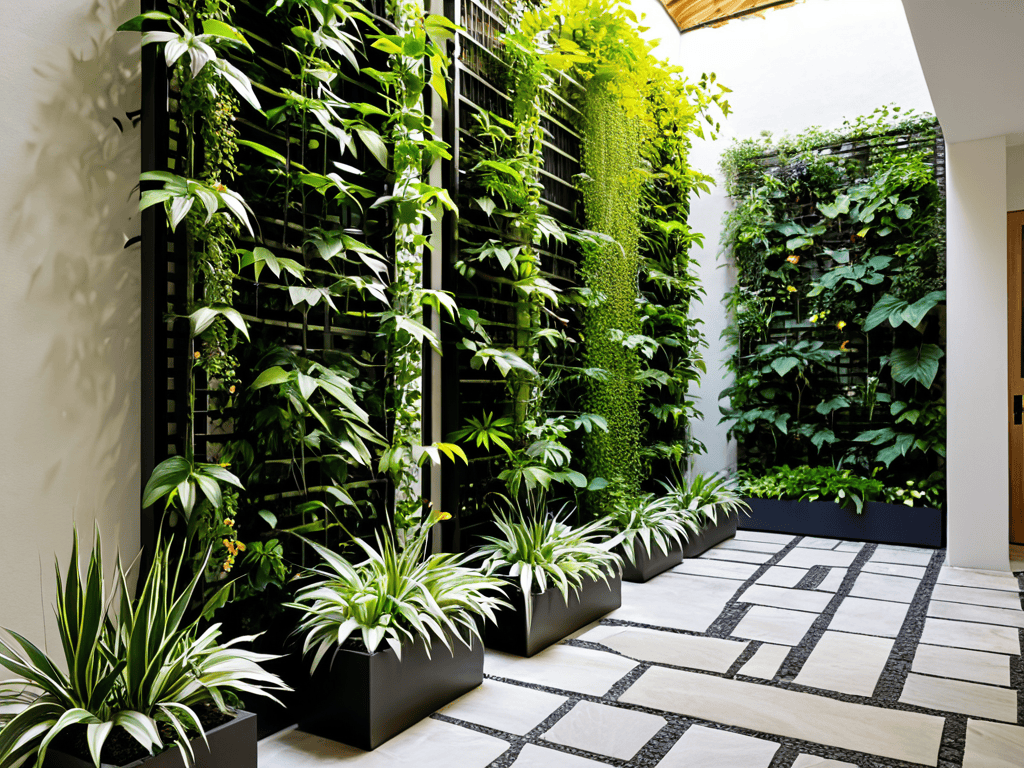
As we’ve explored throughout this guide, creating a vertical garden in a small space is all about optimizing every inch and making intentional decisions about your design. From hackable walls with trellis systems to space-saving garden designs, the key is to approach your space with a logical and efficient mindset. By applying these principles, you can turn even the tiniest of areas into a lush oasis that not only adds beauty to your space but also provides a sense of calm and well-being.
So, as you embark on your own vertical gardening journey, remember that it’s not just about growing plants – it’s about engineering a better life. It’s about taking control of your space and transforming it into a reflection of your values and priorities. With a little creativity and a lot of heart, you can create a thriving vertical garden that brings you joy, serenity, and a deeper connection to the natural world, even in the midst of a bustling city.
Frequently Asked Questions
What are the best types of plants to use in a vertical garden for a small space with limited sunlight?
For low-sun areas, I recommend using shade-tolerant plants like ferns, peace lilies, or air plants. They thrive in limited sunlight and add a touch of green to your space. I’ve also had success with herbs like mint, basil, and parsley, which can survive with as little as 2-3 hours of direct sunlight per day.
How can I ensure my vertical garden is properly watered and drained to prevent overwatering or underwatering?
To ensure proper watering and drainage, I recommend installing a drip irrigation system and a built-in drainage tray. This combo allows for precise water control and excess water removal, preventing overwatering and underwatering. I’ve seen it work wonders in my own tiny garden, and it’s a total game-changer for maintaining a healthy vertical garden.
What are some creative ways to use recycling materials to build a vertical garden in a small space on a budget?
I’m a big fan of repurposing materials to save space and budget. Try using old pallets, plastic bottles, or wooden crates to create a unique vertical garden. You can also utilize PVC pipes, wire mesh, or even an old ladder to add some greenery to your walls. Get creative and give new life to old materials!