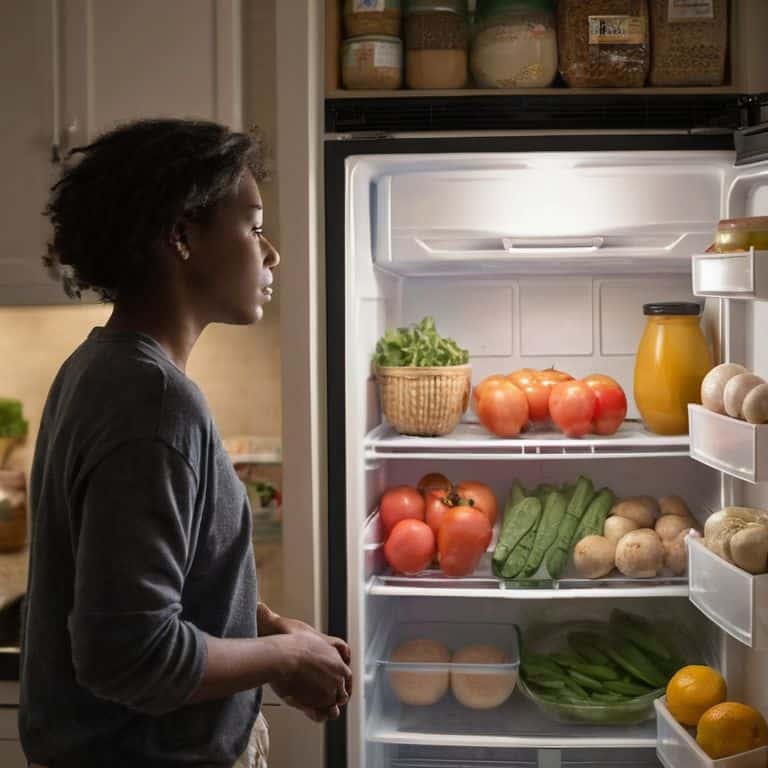
I still remember the frustration of throwing away a bag of wilted lettuce, only to realize I had bought it just a week ago. It was a recurring problem that got me thinking about how to reduce food waste in my own tiny kitchen. As an engineer, I’m obsessed with optimizing workflows, and it dawned on me that reducing food waste is essentially a logistical challenge. I began to apply my systems-based approach to my kitchen, and the results were astonishing. By streamlining my meal planning and grocery shopping, I was able to significantly cut down on waste.
In this article, I’ll share my practical strategies for how to reduce food waste, gleaned from my own experiments and successes. You’ll learn how to plan your meals with precision, shop smart, and store food to maximize its shelf life. My goal is to empower you with actionable tips that will help you reduce food waste and make the most of your kitchen space. By the end of this guide, you’ll be equipped with the knowledge to transform your kitchen into a well-oiled machine, where every ingredient has a purpose and nothing goes to waste.
Table of Contents
Guide Overview: What You'll Need
Total Time: 1 hour 30 minutes
Estimated Cost: $0 – $10
Difficulty Level: Easy
Tools Required
- Pen and Paper (for meal planning)
- Measuring Cups (for accurate measurements)
- Storage Containers (for organizing leftovers)
Supplies & Materials
- Reusable Bags (for grocery shopping)
- Food Diary (for tracking food waste)
- Shelf Organizers (for maximizing storage space)
Step-by-Step Instructions
- 1. First, let’s start by assessing our kitchen habits and identifying the areas where food waste tends to occur. Take a week to track your food purchases, meals cooked, and leftovers discarded. This will give you a clear understanding of your consumption patterns and help you pinpoint the sources of waste.
- 2. Next, plan your meals in advance to avoid buying unnecessary ingredients. I like to sit down on Sundays and map out my meals for the week, making a grocery list accordingly. This simple step has significantly reduced my food waste and saved me from last-minute takeout orders.
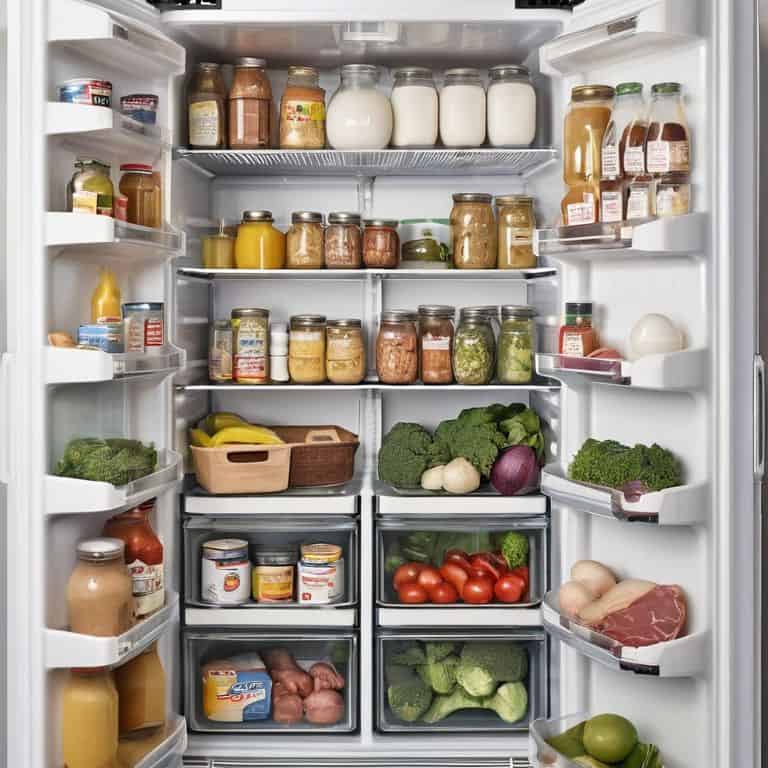
- 3. Now, it’s time to organize your pantry and fridge. Discard any expired or spoiled items, and implement a “first-in, first-out” policy to ensure older items are consumed before they go bad. I use a combination of baskets, bins, and labels to keep my pantry tidy and visible.
- 4. When grocery shopping, buy in bulk and opt for items with longer shelf lives. Consider purchasing “ugly” produce, which is often cheaper and just as nutritious as its perfectly shaped counterparts. I also try to avoid shopping when I’m hungry, as this tends to lead to impulse buys and subsequent waste.
- 5. To make the most of your ingredients, cook with intention. Look for recipes that use up multiple items at once, and get creative with leftovers. I like to make a big batch of rice or grains on the weekends and use them throughout the week in various dishes. This not only reduces waste but also saves time during the week.
- 6. Invest in quality storage containers to keep your ingredients fresh for longer. I swear by my glass containers with tight-fitting lids, which have significantly reduced the amount of food that goes bad in my fridge. Look for containers that are airtight, easy to clean, and can be used for both storage and reheating.
- 7. Finally, get comfortable with imperfection and learn to love the “ugly” produce. It may not look perfect, but it tastes just as good and will help reduce waste in your kitchen. I also try to use up every last bit of an ingredient, whether it’s scraping the sides of a jar or using up leftover veggie scraps in a soup or stir-fry.
Solving Food Waste
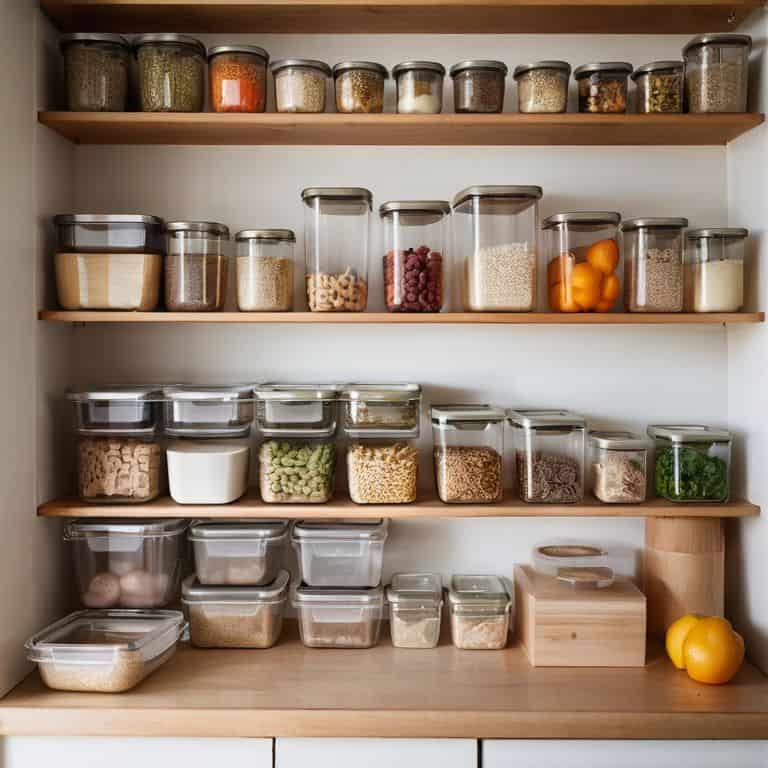
As I delve into the world of food storage containers for small kitchens, I realize that having the right tools can make a significant difference in maintaining a clutter-free and efficient kitchen. This, in turn, helps in keeping track of the food we have, thereby reducing the chances of it going to waste. For instance, using stackable containers can help maximize the vertical space in our kitchens, allowing us to store more food while keeping it organized and easily accessible.
When it comes to leftovers, I’ve found that creative ways to use leftover vegetables can be a game-changer. It’s all about thinking outside the box and finding new recipes that can incorporate these leftovers, reducing the amount of food that ends up in the trash. By doing so, we not only reduce waste but also get to enjoy a variety of dishes without having to spend extra on ingredients. This approach also encourages meal planning, which is essential for reducing food waste.
To take it a step further, I recommend exploring composting at home for food scraps. This simple practice can significantly reduce the amount of waste that ends up in landfills, and it also provides a natural fertilizer for our gardens. By adopting such zero waste cooking techniques, we can create a more sustainable kitchen environment that benefits both our planet and our wallets.
Food Storage Hacks
To take my food waste reduction strategy to the next level, I’ve implemented some key food storage hacks. I’ve designed a custom 3D printed container system for my fridge, allowing me to maximize vertical space and keep frequently used items front and center. This not only saves me time when cooking, but also helps me keep track of what needs to be used up soon.
By assigning a specific home for each type of food, I can quickly identify when something is approaching its expiration date. My “first in, first out” system ensures that older items are used before newer ones, reducing the likelihood of expired or spoiled food. With these simple yet effective storage solutions, I’ve been able to significantly reduce food waste in my tiny kitchen.
Meal Planning Mastery
To take my food waste reduction to the next level, I’ve implemented a meal planning system. I plan my meals for the week, making a list of the ingredients I need and checking what I already have in stock. This simple step has significantly reduced my trips to the grocery store and helped me avoid buying unnecessary items. By knowing exactly what I need, I can also buy in bulk and plan my recipes around what’s already in my pantry.
I’ve even created a diagram to visualize my meal plan, ensuring that I’m using up all the ingredients I buy. This workflow optimization has made a huge difference in my kitchen, allowing me to cook with precision and reduce food waste to nearly zero.
Kitchen Hacks for the Win: 5 Tips to Slash Food Waste
- Plan Your Meals Like a Boss: Take 10 minutes each week to map out your meals, make a grocery list, and stick to it – I save at least 30 minutes of ‘what’s for dinner’ stress each day
- Shop Your Fridge First: Before you head to the store, take stock of what you already have at home to avoid buying duplicate items and reduce waste
- Store Food with a Purpose: Implement a ‘first in, first out’ policy for your fridge and pantry, and use airtight containers to keep ingredients fresh for longer
- Get Creative with Leftovers: Challenge yourself to create new meals using last night’s leftovers – it’s amazing what you can whip up with a little creativity
- Freeze for the Future: If you can’t use it now, freeze it for later – from soups to casseroles, freezing is a great way to preserve food and reduce waste
Key Takeaways to Minimize Food Waste
Plan your meals and make a grocery list to avoid buying unnecessary items and reduce expired food waste
Implement a ‘first-in, first-out’ system in your pantry and fridge to ensure older items are consumed before they expire
Use airtight containers and label them to store leftovers and keep track of what you have in stock, reducing the likelihood of forgotten or spoiled food
Optimizing Your Kitchen for Zero Waste
By applying the same principles of workflow optimization I use in my engineering work, I’ve found that a well-designed kitchen can reduce food waste to nearly zero – it’s all about creating a system where every ingredient has a purpose and every movement has a function.
Leo Vance
Reducing Food Waste: The Ultimate Win-Win
By implementing these strategies, you’ll not only be reducing your environmental footprint but also streamlining your kitchen workflow. We’ve covered the essential steps to reduce food waste, from planning your meals and making a grocery list to using food storage hacks and meal planning mastery. These small changes can add up to make a significant impact on reducing waste and saving you money in the long run. It’s all about creating a system that works for you and your unique kitchen needs.
As you embark on this journey to reduce food waste, remember that every small action counts, and it’s the cumulative effect that will lead to significant positive change. By being more mindful of your food usage and taking a few extra minutes to plan and organize, you’ll be well on your way to creating a more sustainable kitchen. So, go ahead, take the first step, and watch how these small changes can add up to make a real difference in your kitchen and beyond.
Frequently Asked Questions
What are some creative ways to use up leftovers and reduce food waste?
I’m a big fan of repurposing leftovers into entirely new meals. For instance, last night’s roast chicken becomes today’s chicken salad or tomorrow’s chicken soup. I also love using my 3D-printed kitchen organizers to keep track of what’s in the fridge, so nothing gets forgotten and ends up in the trash. It’s all about workflow optimization, even with leftovers!
How can I effectively organize my pantry to keep track of expiration dates and avoid throwing away expired food?
To tackle pantry organization, I use a first-in, first-out system. I label each item with its expiration date and store them in airtight containers. My 3D printed shelf dividers keep similar items together, making it easy to spot what’s nearing expiration. This workflow optimization hack has been a game-changer in reducing food waste in my tiny kitchen.
Are there any specific meal planning strategies that can help me avoid buying too much food and ending up with waste?
For me, it’s all about the ‘first-in, first-out’ rule and planning meals around what’s already in the fridge. I also swear by the ‘cook-once, eat-twice’ approach, where I prep a protein or grain that can be used in multiple dishes. It’s all about minimizing excess and maximizing usage.