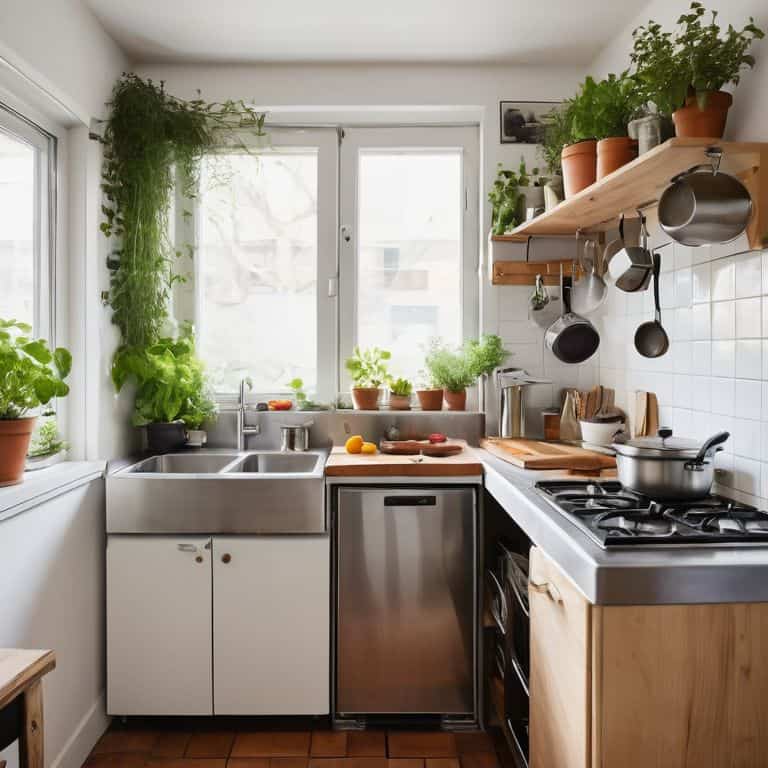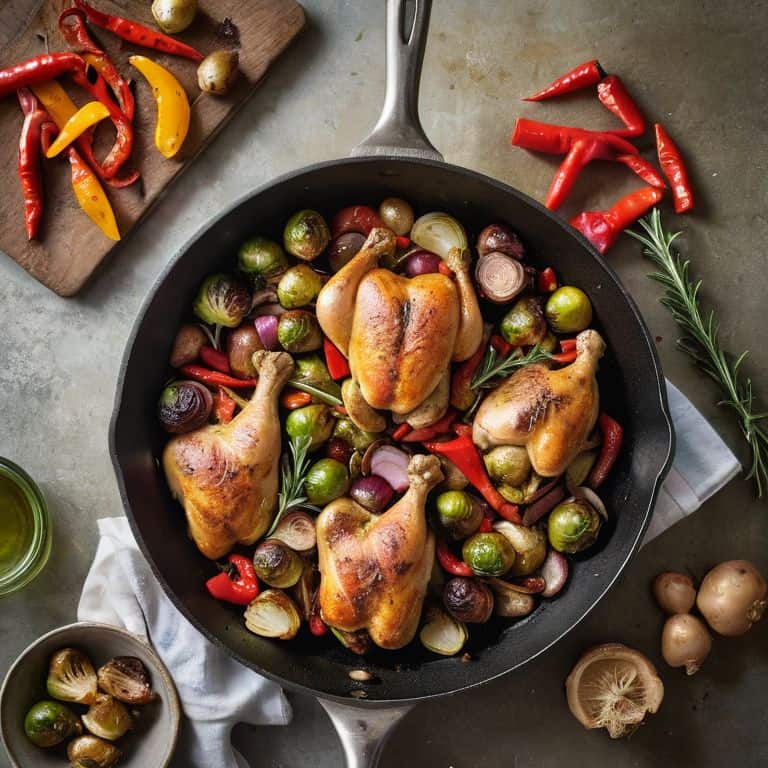
I still remember the first time I had to scale down a recipe in my tiny New York City kitchen. I was determined to make my favorite three-layer cake, but I only had a handful of guests coming over. The problem was, the original recipe made enough for a small army. I didn’t want to waste ingredients or end up with a mountain of leftovers, so I set out to learn how to scale down a recipe without sacrificing any of that amazing flavor. It wasn’t easy, but I discovered that with a few simple tricks and a bit of creativity, I could make any dish in a smaller batch.
In this article, I’ll share my hard-won secrets for scaling down recipes with ease. You’ll learn how to calculate ingredient ratios, adjust cooking times, and make substitutions without affecting the final result. I’ll also give you my top tips for minimizing waste and maximizing flavor, even when working with smaller quantities. By the end of this guide, you’ll be empowered to tackle any recipe, no matter how large or complex, and shrink it down to size without losing any of the love. Whether you’re a busy city dweller like me or just someone who loves to cook, I promise you’ll find these tips and tricks indispensable for how to scale down a recipe and making delicious food in even the smallest of kitchens.
Table of Contents
Guide Overview: What You'll Need
Total Time: 30 minutes to 1 hour
Estimated Cost: $0 – $10
Difficulty Level: Easy
Tools Required
- Calculator (for math calculations)
- Pen and Paper (for writing down calculations)
Supplies & Materials
- Original Recipe (to scale down)
- Measuring Cups and Spoons (for accurate measurements)
Step-by-Step Instructions
- 1. First, let’s get started by choosing the recipe you want to scale down. Pick a favorite dish that you know and love, and that you’re excited to shrink down to a more manageable size. Consider the number of servings you need and the ingredients you have on hand. I like to think of this step as the fun part – it’s like a puzzle to solve, figuring out how to make something delicious with what you have.
- 2. Next, take a close look at the ingredient list and identify the key components. What are the essential flavors and ingredients that make this dish tick? Are there any ingredients that can be easily substituted or omitted if needed? For example, if a recipe calls for a bunch of fresh herbs, maybe you can get away with using just a few sprigs of rosemary or thyme instead.
- 3. Now it’s time to do the math. Take the original recipe and calculate the ingredient ratios. If a recipe serves 8-10 people, but you only need to serve 2-3, you’ll want to divide the ingredient quantities accordingly. This can be a bit tricky, but don’t worry – with a little practice, you’ll get the hang of it. Just remember to scale down slowly, checking your calculations as you go to avoid any mistakes.
- 4. Once you have your scaled-down ingredient list, it’s time to think about cooking techniques. Some recipes may require adjustments to cooking time or temperature when scaled down. For example, if you’re making a smaller batch of cookies, they may cook more quickly than a larger batch. Keep an eye on your dish as it cooks, and be prepared to make adjustments on the fly if needed.
- 5. As you’re cooking, remember to use your senses. Taste and adjust seasoning as you go, and don’t be afraid to add a little more of this or that if needed. Smell the aromas and listen to the sounds of your dish cooking – these can be great indicators of when something is done or needs a bit more attention. And don’t worry if things don’t turn out perfectly at first – it’s all part of the learning process, and you’ll get better with practice.
- 6. Now, let’s talk about equipment and tools. When scaling down a recipe, you may not need to use the same large pots and pans as the original recipe. Consider using smaller saucepans or skillets, or even a toaster oven or air fryer to cook your dish. These can be great space-savers and can help you achieve the same delicious results with less hassle.
- 7. Finally, don’t be afraid to get creative and make the recipe your own. Scaling down a recipe is a great opportunity to try new ingredients or flavor combinations that you might not have tried before. Maybe you’ll discover a new favorite dish or cooking technique – the possibilities are endless, and that’s what makes cooking in a small kitchen so much fun.
Scaling Down Recipes
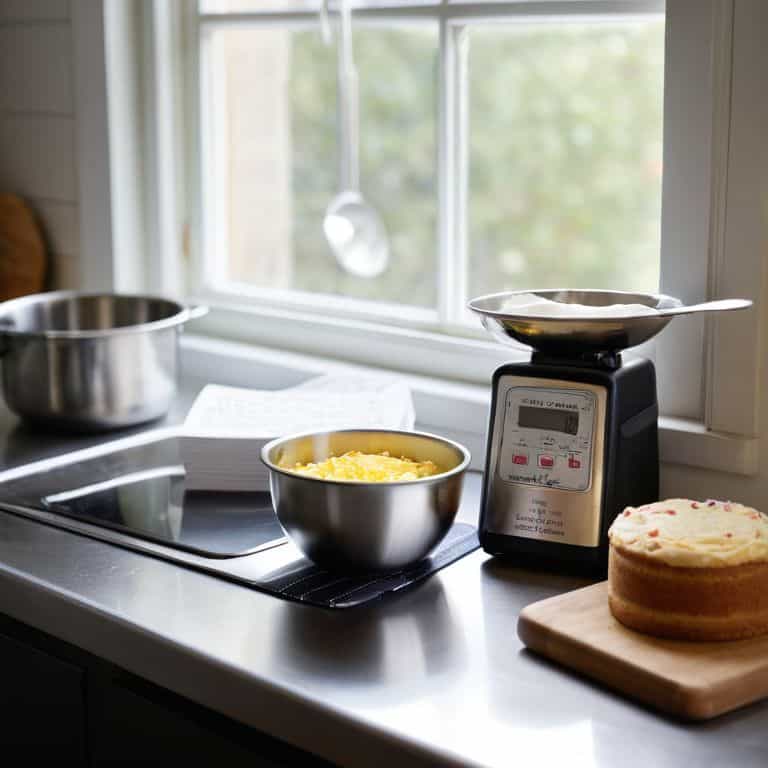
When it comes to reducing ingredient quantities, it’s essential to consider the cooking time adjustments for small batches. This is especially crucial when scaling down recipes for baked goods, as the ratio of ingredients can greatly impact the final product. I’ve found that adjusting seasoning for smaller recipes is also vital, as the flavor profile can become unbalanced if not done correctly.
One common mistake people make when halving recipes is not accounting for the decreased cooking time. This can result in overcooked or burnt food, which is a shame, especially when you’re working with limited ingredients. To avoid this, I recommend converting large batch recipes to individual servings and adjusting the cooking time accordingly. This way, you can ensure that your dish turns out perfectly cooked and full of flavor.
By being mindful of these factors, you can successfully scale down your favorite recipes without sacrificing any of the delicious flavor. Remember, scaling down measurements for baking requires precision, so take your time and double-check your calculations. With a little practice, you’ll become a pro at scaling down recipes and enjoying your favorite dishes in the comfort of your own tiny kitchen.
Adjusting Seasoning for Smaller Batches
When scaling down a recipe, it’s essential to adjust the seasoning to avoid overpowering the dish. I like to think of it as a flavor rebalance. For smaller batches, start by reducing the amount of salt, pepper, and any other strong spices or seasonings by about half. Then, taste as you go and add more to taste. This way, you can ensure that your dish is flavorful without being overwhelming. Remember, it’s always easier to add more seasoning than it is to remove excess.
Reducing Ingredient Quantities
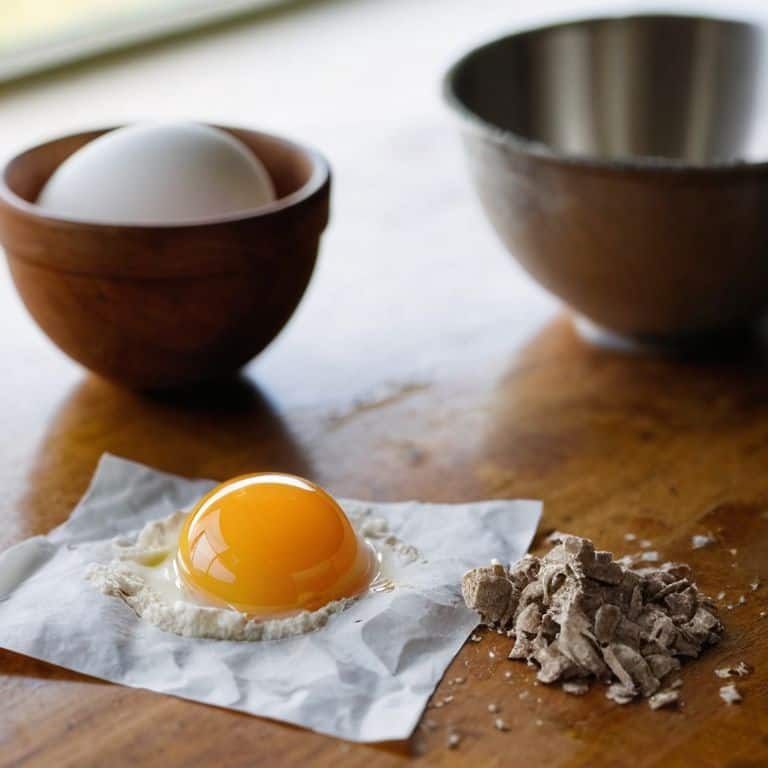
Reducing ingredient quantities is where the magic happens. When scaling down a recipe, it’s not just about halving or quartering the ingredients – it’s about understanding how they interact with each other. I like to think of it as a puzzle, where each piece needs to fit perfectly to create a harmonious flavor profile. To get it right, I start by identifying the core ingredients that make the dish tick, and then adjust the quantities accordingly. This might mean using just one egg instead of two, or reducing the amount of liquid to prevent a soggy mess. By making these adjustments, I can ensure that the finished dish is just as flavorful and satisfying as the original, but perfectly proportioned for my tiny kitchen.
Tiny Kitchen Hacks: 5 Essential Tips for Scaling Down Recipes
- Start with a clear understanding of the original recipe’s flavor profile and ingredient ratios to ensure your scaled-down version tastes just as amazing
- Choose the right tools for the job, like a digital kitchen scale and measuring spoons, to accurately measure out smaller quantities of ingredients
- Don’t be afraid to get creative with substitutions and omissions – sometimes less is more, especially in tiny kitchen cooking
- Keep an eye on cooking times and temperatures, as they can vary significantly when working with smaller batches of food
- Remember, scaling down a recipe is all about balance, so taste and adjust as you go to maintain that perfect harmony of flavors in your miniature masterpiece
Key Takeaways for Tiny Kitchen Chefs
Scaling down recipes is all about balance – reducing ingredient quantities while maintaining the perfect blend of flavors and textures
Adjusting seasoning is crucial when cooking for one or two, as smaller batches can quickly become overpowered by salt, spices, or herbs
By mastering the art of scaling down, you’ll unlock a world of culinary possibilities in even the smallest of kitchens, from hearty one-pan meals to decadent desserts
Scaling Down with Flair
The art of scaling down a recipe isn’t just about cutting ingredients in half, it’s about preserving the essence of the dish and letting its true flavors shine, even in the coziest of kitchens.
Ava Quinn
Scaling Down with Confidence
As we’ve explored the world of scaling down recipes, it’s clear that with a few simple adjustments, you can enjoy your favorite dishes in any quantity you desire. From reducing ingredient quantities to adjusting seasoning for smaller batches, the key is to understand the balance of flavors and textures in your recipe. By applying these principles, you’ll be able to create delicious, scaled-down versions of your favorite meals without sacrificing any of the love or flavor that goes into making them. This approach not only saves time and reduces waste but also opens up a world of culinary possibilities, even in the smallest of kitchens.
So, the next time you’re faced with a recipe that seems too big for your tiny kitchen, don’t be intimidated. Remember, scaling down is all about flexibility and creativity. With these tips and a bit of practice, you’ll be whipping up perfectly portioned meals in no time. The true magic happens when you realize that a small kitchen isn’t a limitation, but an opportunity to get creative and make every ingredient count. Happy cooking, and let’s make some amazing food in our tiny kitchens!
Frequently Asked Questions
How do I know which ingredients can be reduced proportionally without affecting the final flavor and texture?
When reducing ingredients, I like to think of it as a balancing act. For most recipes, you can scale down dry ingredients like flour, sugar, and spices proportionally, but be cautious with liquids and fats, as they can affect texture and flavor.
What if I'm scaling down a recipe that includes yeast or other leavening agents – do I need to adjust the rising time or temperature?
When scaling down recipes with yeast or leavening agents, don’t stress too much about adjusting rising time or temperature. Just keep an eye on your dough or batter – it’ll still rise, just smaller and faster. Think of it as a fun science experiment in your tiny kitchen!
Can I scale down a recipe that involves cooking methods like braising or roasting, and if so, how do I adjust the cooking time and liquid levels?
Absolutely, you can scale down braising or roasting recipes – I do it all the time in my tiny kitchen. Just keep an eye on the cooking time and liquid levels, as they’ll need to be adjusted for the smaller batch. A good rule of thumb is to reduce the cooking time by about a third and use less liquid to prevent a soggy mess.