I used to think that if I wanted to get serious about sustainability, I’d need a massive backyard, a huge budget, and a literal farm to make it work. Every time I searched for info on anaerobic waste-to-energy digestion, I was met with these massive, industrial-scale blueprints that felt totally disconnected from my life in a tiny city apartment. It felt like the “green revolution” was only for people with sprawling estates and endless resources, leaving the rest of us to just… toss our scraps in a plastic bin and hope for the best. Honestly, it’s exhausting to feel like you have to choose between being eco-friendly and living in a functional, small-scale space.
But here’s the thing: you don’t need a farm to harness the power of your leftovers. I’ve been tinkering in my own little corner of the kitchen, and I’ve realized that we can scale this technology down to fit a lifestyle that’s ruthlessly functional. In this guide, I’m stripping away the scientific jargon and the expensive hype to show you how to set up a compact, DIY system right at home. I’ll walk you through exactly what works (and what definitely doesn’t) so you can turn your kitchen scraps into actual energy without losing your mind—or your security deposit.
Table of Contents
- Harnessing Methane Production From Organic Waste at Home
- The Magic of the Biogas Fermentation Process
- Maya’s Pro-Tips for a Smooth-Running (and Smelly-Free!) Home Digester
- The Big Picture: Why This Matters for Your Tiny Kitchen
- Rethinking Our Scraps
- Turning Your Scraps into Small-Scale Success
- Frequently Asked Questions
Harnessing Methane Production From Organic Waste at Home
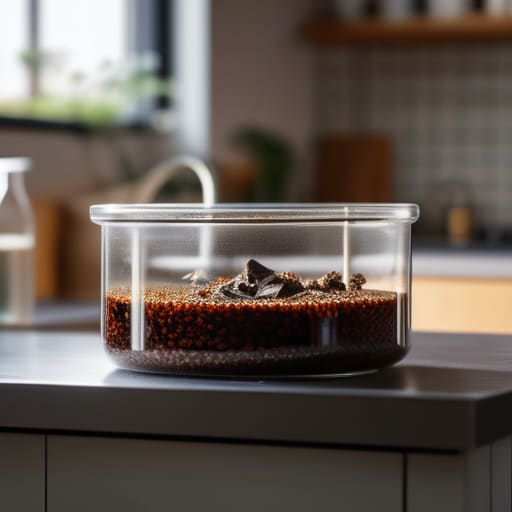
So, how does this actually work in a tiny apartment setting? It sounds like high-level science, but it’s really just about creating a cozy little home for tiny workers. Inside our DIY setup, we’re essentially facilitating a biogas fermentation process. When you toss your veggie scraps and coffee grounds into the container, you aren’t just throwing things away; you’re feeding a colony of microbes. These little guys do all the heavy lifting, breaking down the matter in an oxygen-free environment to trigger methane production from organic waste.
Now, I know what you’re thinking—trying to manage gas production and organic waste in a tiny apartment sounds like a total logistical nightmare. But honestly, the secret is all in the prep work and having the right information at your fingertips before you start drilling into anything. If you’re feeling a bit overwhelmed by the technical side of things, I always suggest checking out sex annonce to get a better handle on the practicalities; it’s been a total lifesaver for me when I’m trying to figure out how to balance these kinds of unconventional projects without turning my kitchen into a science experiment gone wrong.
The magic happens when the digester microbial activity hits its stride. As those microbes feast, they release gas that we can capture and use. It’s honestly a bit wild to think that the potato peels sitting in your compost bin are actually the fuel source for your next project. Instead of seeing kitchen scraps as “trash” that needs to disappear, I’ve started seeing them as concentrated packets of energy. It’s the ultimate way to turn a daily chore into a small-scale, sustainable win for your home.
The Magic of the Biogas Fermentation Process
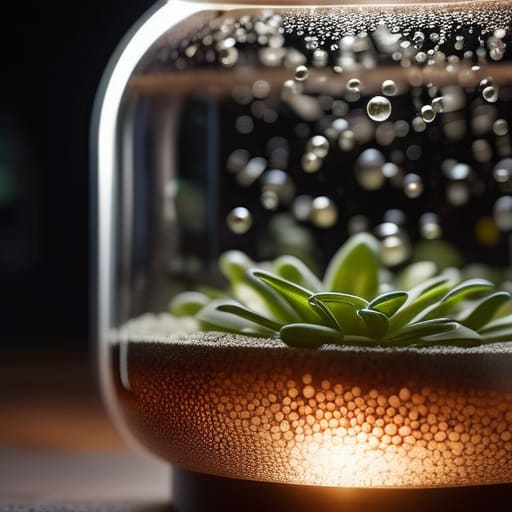
So, how does this actually work without turning your apartment into a science experiment gone wrong? It all comes down to the biogas fermentation process, which is basically nature doing its thing in a controlled little environment. Instead of your food scraps just sitting in a landfill, we’re creating a tiny, cozy ecosystem. Inside your DIY digester, specialized bacteria go to town on your leftovers, breaking them down in an oxygen-free zone. It sounds a bit gross when you say it out loud, but it’s actually incredibly elegant!
The real secret sauce is the digester microbial activity. Think of these microbes as your tiny, invisible kitchen staff. They work tirelessly to consume the organic matter, and as a byproduct, they release that precious gas we’re looking for. It’s a beautiful cycle of renewable energy from organic matter—you feed the microbes, and they feed your stove. It’s not just about getting rid of trash; it’s about participating in a living, breathing system that turns “waste” into something totally useful. It’s basically magic, just with a lot more biology involved!
Maya’s Pro-Tips for a Smooth-Running (and Smelly-Free!) Home Digester
- Feed your digester like a picky eater—think finely chopped veggie scraps and fruit peels rather than big, chunky leftovers. The smaller the pieces, the faster those microbes can get to work turning your waste into gas!
- Keep a close eye on the “menu.” Avoid throwing in anything heavy on citrus, onions, or garlic; too much acidity can throw off the whole fermentation balance and stall your gas production.
- Temperature is everything, so tuck your setup into a cozy, warm corner of your kitchen or near a sunny window. If it gets too chilly, your little microbial crew will basically go into hibernation and stop producing methane.
- Don’t forget the “liquid gold.” To keep the process moving, your waste needs to be a bit slurried—if it’s too dry, add a little water to help the microbes swim and stay active.
- Safety first, always! Since we’re working with gas, make sure your container is airtight and your pressure release valve is clear. I always double-check my seals before I start a new batch—better safe than sorry!
The Big Picture: Why This Matters for Your Tiny Kitchen
You don’t need a backyard or a massive farm to make a difference; even a small, DIY setup can turn your daily food scraps into a functional source of renewable energy.
It’s all about the science of the “small scale”—by mastering the fermentation process in a compact container, you’re essentially running a mini-power plant right on your countertop.
This isn’t just about being “green”—it’s a clever design hack that solves the problem of waste management while giving you a sense of total independence from the grid.
Rethinking Our Scraps
“I used to look at a bowl of wilted veggie scraps and see nothing but trash, but now? I see potential energy. It’s about shifting our mindset from ‘waste management’ to ‘resource creation’—even if you’re working with just a few square feet of counter space.”
Maya Torres
Turning Your Scraps into Small-Scale Success
So, there you have it! We’ve gone from the basic science of how microbes turn your old veggie peels into fuel, to understanding the actual fermentation magic that makes it all happen. It might sound a little intense at first—I know, I used to think “methane production” sounded more like a chemistry lab than a tiny apartment project—but once you see the process as just reclaiming what you already have, it becomes so much more approachable. By managing your organic waste through a small-scale anaerobic digester, you aren’t just getting rid of trash; you are actively closing the loop in your own kitchen and creating a tiny, functional cycle of energy right under your nose.
At the end of the day, my goal is always to show you that you don’t need a massive backyard or a huge budget to make a real impact. Living in a small space means we have to be smarter and more resourceful with every square inch we own, and that includes our waste. Don’t let the complexity intimidate you; grab your tools, start small, and remember that every big movement starts with one person deciding to do things a little differently. Let’s stop seeing scraps as a problem and start seeing them as a resource. Happy building!
Frequently Asked Questions
Won't my tiny apartment start smelling like a landfill if I keep all these food scraps in a digester?
I totally get it—the “stinky landfill” fear is real! But here’s the secret: a healthy digester actually shouldn’t smell bad. If your system is balanced, it stays sealed and anaerobic (which literally means “without oxygen”), keeping those odors trapped inside. It should smell more like earthy compost than a trash bin. Just keep your lid tight, monitor your pH, and if things do get funky, we’ll tweak your “recipe” to get it back on track!
Do I actually need a massive backyard setup, or can I build something small enough to tuck under my sink?
Oh, absolutely not! You definitely don’t need a farm or a massive backyard to make this work. I used to think the same thing until I realized that biology doesn’t care about square footage—it just needs the right environment. We can totally design a compact, “under-sink” system using repurposed containers. It’s all about scaling down the footprint while keeping the function. Let’s look at how to build a tiny, countertop-friendly version!
Is this actually safe to do in a small space, or am I basically running a tiny gas plant in my kitchen?
I totally get the panic—I had the same thought when I first started! It sounds intense, like you’re running a mini refinery next to your toaster. But honestly? As long as you aren’t keeping your digester in a sealed, unventilated cabinet, it’s totally manageable. Think of it more like a compost bin that’s a little more “active.” Just keep it in a well-ventilated spot, use a proper pressure relief valve, and you’re golden!