I still remember the first time I tried to make pasta from scratch in my tiny New York City apartment kitchen – it was a game-changer. I had always been intimidated by the thought of how to make pasta without a machine, but I was determined to figure it out. With a little creativity and some trial and error, I discovered that making delicious homemade pasta is totally possible, even without any fancy equipment. In fact, I’ve found that the lack of space can actually be a catalyst for innovative cooking solutions.
As someone who’s passionate about cooking in small spaces, I’m excited to share my expertise with you. In this article, I’ll walk you through the simple, no-nonsense steps to create amazing pasta from scratch, all without breaking the bank or cluttering up your kitchen with unnecessary gadgets. You’ll learn how to mix, knead, and shape your dough to perfection, and I’ll also share some of my favorite tips and tricks for making the process easy and enjoyable. By the end of this guide, you’ll be empowered to start making your own delicious pasta at home, even in the tiniest of kitchens.
Table of Contents
Guide Overview: What You'll Need
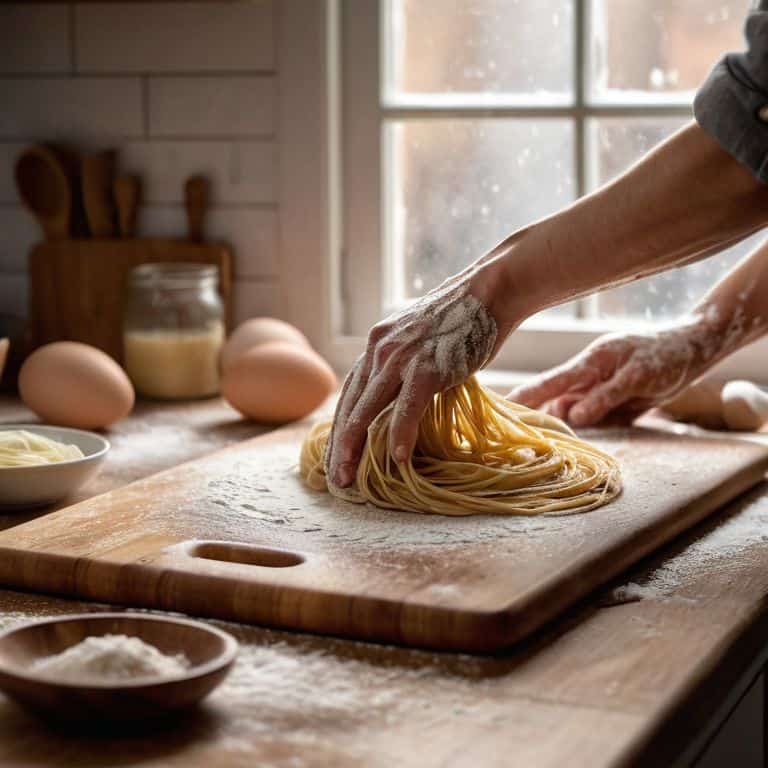
Total Time: 1 hour 15 minutes
Estimated Cost: $10 – $20
Difficulty Level: Intermediate
Tools Required
- Rolling Pin (for rolling out dough)
- Sharp Knife (for cutting pasta shapes)
- Clean Surface (for kneading and rolling dough)
- Measuring Cups and Spoons (for accurate ingredient measurement)
Supplies & Materials
- All-Purpose Flour 2 cups
- Eggs 2 large eggs
- Salt 1/4 teaspoon
- Water as needed
- Olive Oil for preventing dough from sticking
Step-by-Step Instructions
- 1. First, let’s start with the basics: you’ll need to gather your ingredients, which include flour, eggs, and salt. I like to use caputo flour for its high protein content, which gives my pasta that perfect chew. Make sure you have a clean and lightly floured surface to work on, as we’ll be getting our hands dirty soon.
- 2. Next, create a flour well on your surface by piling the flour into a mound and making a hollow center. Crack your eggs into the center of the well, and add a pinch of salt. I find that using room temperature eggs helps the dough come together more easily. Now, it’s time to get your hands in there and start mixing.
- 3. Using a fork, gently start to incorporate the flour into the eggs, beginning from the inner rim of the well. As you mix, be careful not to break the walls of the flour well, or you’ll end up with a mess on your hands. Once you’ve incorporated enough flour to form a shaggy dough, it’s time to get a little more aggressive with your mixing.
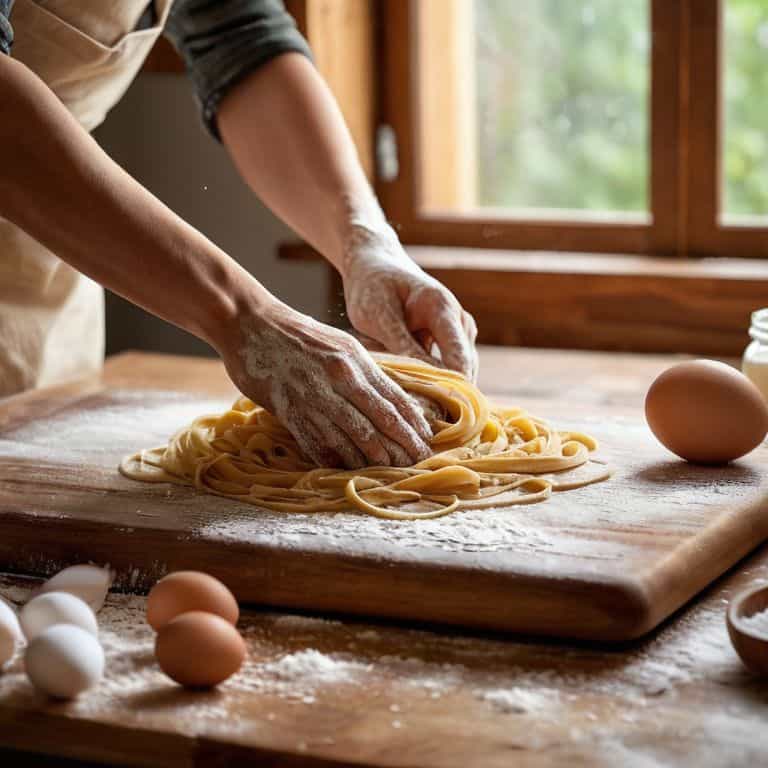
- 4. Turn the dough out onto your floured surface and start kneading. This is where the magic happens, and your dough starts to come together. Use the heel of your hand to push down on the dough, and then fold it back up onto itself. Repeat this process for about 10 minutes, until your dough is smooth and elastic.
- 5. Now that your dough is ready, it’s time to rest it. Wrap it in plastic wrap or a damp towel, and let it sit at room temperature for at least 30 minutes. This will allow the gluten to relax, making it easier to roll out your pasta later. While your dough is resting, you can start to think about the shape you want your pasta to take.
- 6. Once your dough has rested, it’s time to roll it out. I like to use a pasta rolling pin, but you can also use a regular rolling pin if that’s what you have on hand. Start by rolling out your dough to a thickness of about 1/16 inch, and then use a pasta cutter or a sharp knife to cut it into your desired shape.
- 7. Finally, it’s time to cook your pasta. Bring a large pot of salted water to a boil, and then gently add your freshly made pasta. Cook for 2-4 minutes, or until your pasta is al dente, and then drain it in a colander. You can now top it with your favorite sauce and enjoy the fruits of your labor.
Pasta Without Machines
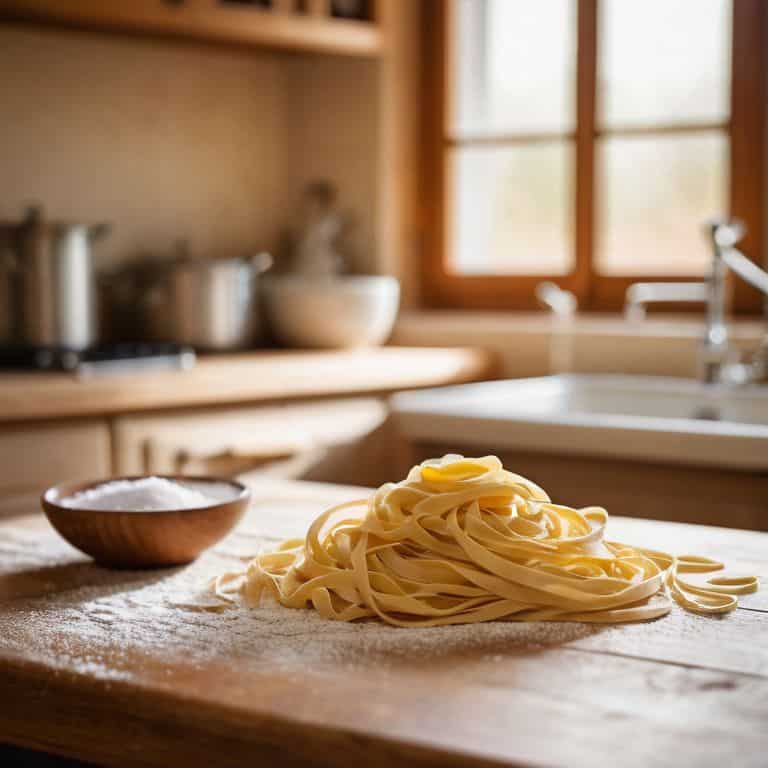
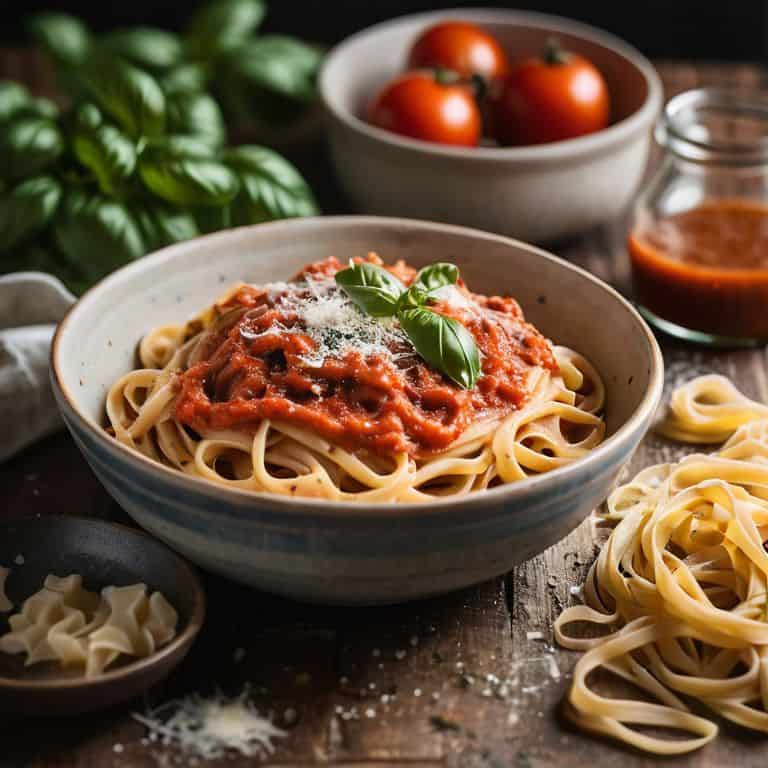
As I dive deeper into the world of homemade fettuccine recipe, I’ve discovered that the key to success lies in the quality of the simple pasta dough ingredients. Using just flour, eggs, and salt, you can create a delicious and authentic Italian dish. The traditional Italian pasta making process may seem intimidating, but trust me, it’s worth the effort. With a little practice, you’ll be a pro at creating hand-rolled pasta in no time.
When it comes to shaping your pasta, don’t worry if you don’t have any fancy kitchen tools for pasta production. A simple rolling pin and a sharp knife can work wonders. The pasta shaping without machinery technique may take some time to get used to, but the end result is well worth it. I’ve found that the process of hand-rolling pasta can be quite therapeutic, and it’s a great way to unwind after a long day.
To take your pasta game to the next level, try experimenting with different flavors and ingredients. You can add herbs, spices, or even vegetables to your dough to create unique and delicious variations. With a little creativity, you can create a wide range of dishes using your hand rolled pasta technique. Whether you’re in the mood for something classic and simple or adventurous and new, the possibilities are endless.
Hand Rolled Pasta Techniques
To get started with hand-rolled pasta, you’ll need just a few simple tools: a clean surface for rolling, a sharp knife or pasta cutter, and a bit of elbow grease. I like to use a large, wooden cutting board as my rolling surface – it provides just the right amount of grip for my dough. Begin by dividing your pasta dough into smaller, manageable pieces, and then start rolling each one out into a long, thin sheet. Don’t worry if it’s not perfect – a little imperfection is what makes handmade pasta so charming.
As you roll, you can use your fingers or a pasta cutter to create your desired shape. I adore making delicate, hand-rolled fettuccine – there’s something therapeutic about the process. To achieve the perfect texture, be sure to roll your pasta thin, but not so thin that it tears. With a little practice, you’ll be a pro at hand-rolled pasta in no time, and you’ll wonder how you ever settled for store-bought noodles.
Homemade Fettuccine Secrets
To take your homemade pasta game to the next level, I’m sharing my favorite secrets for making divine fettuccine. First, it’s all about the egg-to-flour ratio – I swear by using large eggs and “00” flour for the silkiest noodles. When mixing the dough, don’t overwork it, or your fettuccine will be tough as shoe leather.
I also like to let my dough rest for at least 30 minutes, which allows the gluten to relax, making it easier to roll out thin, beautiful sheets. And here’s a pro tip: use a sharp knife or pastry cutter to cut your fettuccine into uniform strands – it makes all the difference in the world. With these simple tricks, you’ll be twirling homemade fettuccine like a pro in no time!
Pasta Hacks for the Win: 5 Tips to Get You Started
- Keep it simple, stupid – use just ’00’ flour, eggs, and a pinch of salt to make your pasta dough
- Ditch the mixer and get your hands dirty: kneading by hand develops the gluten for a perfect chew
- Resting is key: let your dough relax for at least 30 minutes to make it easier to roll out
- Don’t overwork it: stop rolling when your pasta reaches your desired thickness, any more and it’ll be tough as shoe leather
- Cutting is an art: use a sharp knife or a pasta cutter to get clean, even cuts – and don’t be afraid to get creative with your shapes
Tiny Kitchen Takeaways
I can whip up handmade pasta in my tiny kitchen without any fancy machinery, and you can too – it’s all about getting creative with simple tools
With a few clever techniques, like hand-rolling and using a sharp knife, I can create delicious, authentic pasta dishes that rival those from any Italian restaurant
By embracing the limitations of my small kitchen, I’ve discovered a world of big flavors and satisfying meals, and I’m excited to share these space-saving secrets with fellow urban cooks
The Liberated Pasta Maker
The beauty of making pasta without a machine lies not in the absence of equipment, but in the presence of passion and creativity – every hand-rolled strand is a testament to the joy of cooking in the smallest of spaces.
Ava Quinn
Embracing the Joy of Homemade Pasta
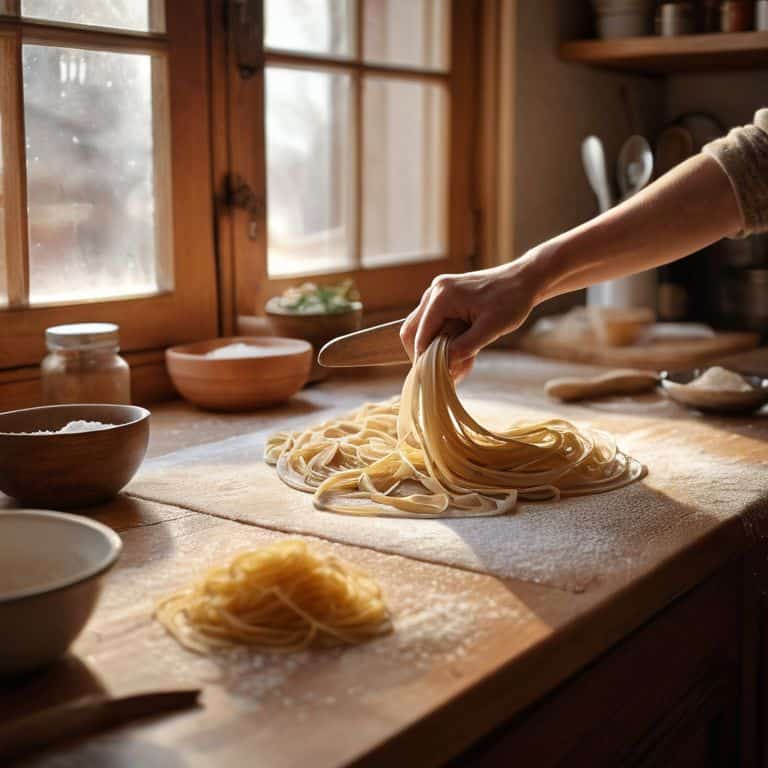
As we’ve explored the world of making pasta without a machine, I hope you’ve discovered that it’s not just about the end result, but about the fun and creativity that comes with it. From understanding the importance of proper technique to mastering the art of hand-rolled pasta, each step is a journey that brings us closer to a truly satisfying culinary experience. Whether you’re a seasoned chef or a curious beginner, the process of creating homemade fettuccine or any other type of pasta is incredibly rewarding. It’s about embracing the imperfections and enjoying the ride, all within the comfort of your tiny kitchen.
So, the next time you’re tempted to reach for that packet of dried pasta, remember that you have the power to create something truly special with just a few simple ingredients and some elbow grease. Don’t be afraid to get a little messy, to experiment with new flavors, and to push the boundaries of what you thought was possible in your small cooking space. With a positive attitude, a willingness to learn, and a dash of creativity, you’ll be well on your way to becoming a pasta-making pro, and the joy of homemade pasta will be yours to savor.
Frequently Asked Questions
How do I achieve the right consistency for my homemade pasta without a machine?
For perfect consistency, I swear by the ‘fold and rest’ method: mix your dough, knead for 10 minutes, then let it rest for 30. Repeat this process a few times until the dough feels smooth and elastic. Trust me, it’s all about developing that gluten – and a little patience!
Can I use a food processor or blender to help with the kneading process?
Absolutely, you can use a food processor or blender to give your pasta dough a head start on kneading. Just be sure to pulse it in short bursts and keep an eye on the consistency – you want it to come together in a ball, not turn into a sticky mess. Then, finish it off with some good old-fashioned elbow grease for that perfect texture.
What are some tips for drying and storing handmade pasta to maintain its freshness?
To keep my handmade pasta fresh, I swear by air-drying it on a clean towel or pasta rack, then storing it in airtight containers. For longer storage, I freeze it – it’s a game-changer for tiny kitchen cooks like me!