I still remember the day I realized my freezer had become a black hole for leftovers and forgotten meals. As someone who’s passionate about a guide to freezer-safe food storage, I was determined to find a better way to organize my frozen foods without sacrificing precious counter space. The common myth that you need a plethora of containers and labels to store food safely in the freezer is simply not true. In fact, with a few simple tricks and the right mindset, you can enjoy the convenience of frozen meals without the clutter.
In this article, I’ll share my ruthless editing approach to freezer storage, which has helped me streamline my kitchen and reduce waste. You’ll learn how to choose the most essential items for your freezer, how to store them efficiently, and how to ensure that your frozen foods remain safe and tasty for months to come. By the end of this guide, you’ll be equipped with the practical knowledge to transform your freezer into a well-oiled machine, providing you with a steady supply of healthy meals and saving you time, money, and stress in the process.
Table of Contents
Guide Overview: What You'll Need

Total Time: 30 minutes to 1 hour
Estimated Cost: $10 – $30
Difficulty Level: Easy
Tools Required
- Marker (for labeling containers)
- Measuring Cups (for portioning food)
- Spoons and Spatulas (for handling food)
Supplies & Materials
- Airtight Containers (various sizes)
- Freezer Bags (gallon and quart sizes)
- Freezer Tape (for sealing bags)
- Labels and Stickers (for dating and identifying containers)
Step-by-Step Instructions
- 1. First, purge your freezer of any expired or unidentifiable items – let’s be real, if you don’t know what it is, it’s probably not worth keeping. Take everything out and sort items into three piles: keep, donate (if still usable), and discard. This will give you a clean slate to work with and help you understand what you actually need to store.
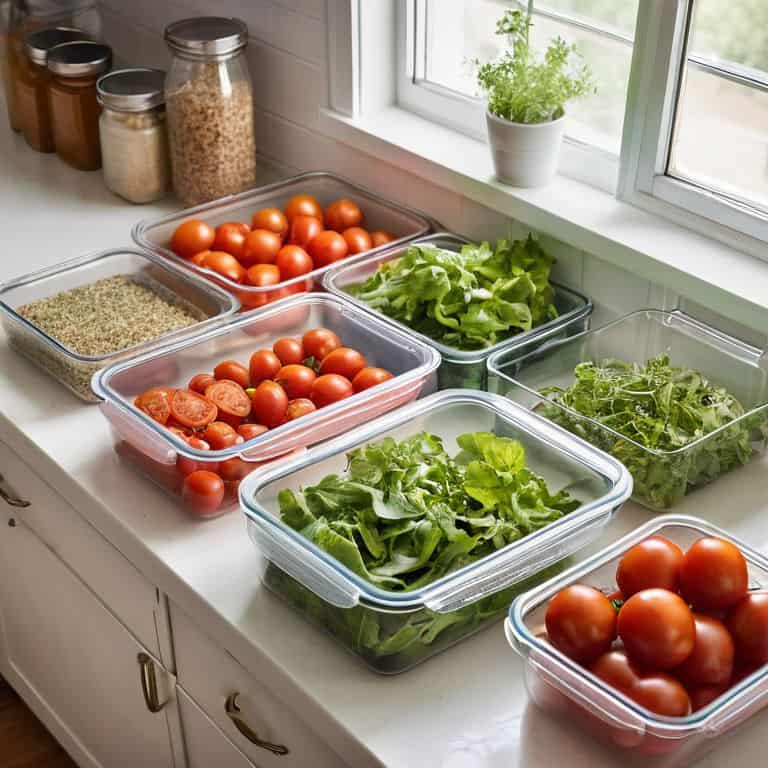
- 2. Next, assess your container situation and get rid of any that are damaged, unnecessary, or just plain annoying to use. I’m a big fan of simple, airtight containers that can be used for a variety of foods – they’re a great example of multi-use items that can help reduce clutter in your kitchen. Consider investing in a few high-quality containers that will make your life easier in the long run.
- 3. Now it’s time to label and categorize your frozen foods. This might seem like a tedious task, but trust me, it’s worth it in the long run. Use a marker to label each container with its contents and the date it was frozen, and consider grouping similar items together (e.g., meats, vegetables, leftovers). This will make it much easier to find what you need when you need it.
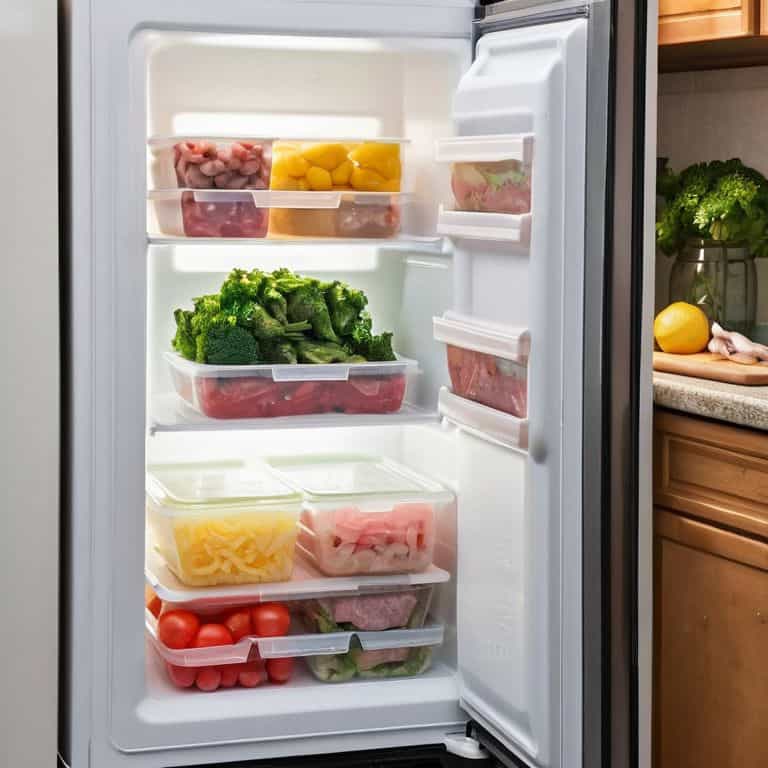
- 4. When it comes to actually storing your food, think vertically. Make the most of your freezer’s limited space by using stackable containers or baskets to keep items organized and easy to access. I like to use a mix of small and large containers to maximize space and keep frequently used items front and center.
- 5. To prevent freezer burn and keep your food fresh, use the right storage materials. For example, if you’re freezing meat or fish, consider using airtight containers or freezer bags to prevent moisture from getting in. For vegetables, you can use simple freezer bags or containers with a tight-fitting lid. The key is to keep air out and maintain a consistent temperature.
- 6. Another key to successful freezer storage is to keep it consistent. Try to freeze foods in consistent quantities and shapes, making it easier to stack and store them. For example, if you’re freezing individual portions of soup or leftovers, consider using uniform containers to make the most of your freezer space. This will also make it easier to grab what you need on the go.
- 7. Finally, set a maintenance schedule to keep your freezer organized and clutter-free. Set a reminder to clean out your freezer every few months, and take the time to check expiration dates and get rid of any items that are no longer usable. This will help you avoid the frustration of having to sort through a cluttered freezer and ensure that your food remains safe and fresh.
Freezer Storage Simplified
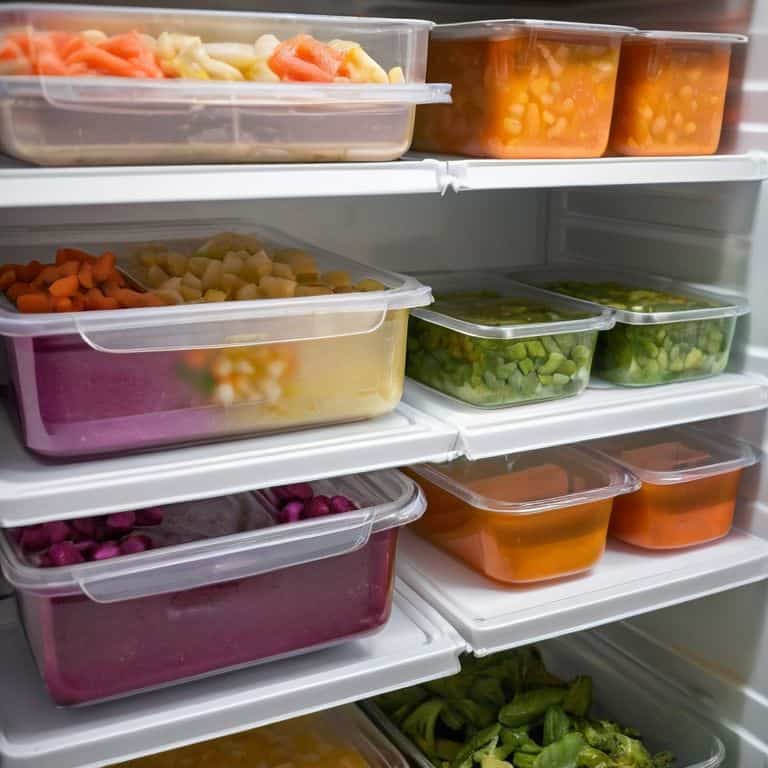
When it comes to freezer organization systems, I’m a firm believer in keeping things simple. I’ve tried those fancy freezer bins and baskets, but let’s be real, they just take up more space. Instead, I opt for a few sturdy, freezer-safe container materials like glass or stainless steel. These can be used for everything from soups to leftovers, and they’re easy to stack and store.
To maximize freezer space efficiency, I like to think vertically. I use stackable containers and make sure to label each one with its contents and the date it was frozen. This way, I can easily see what I have in stock and make sure that older items get used before they expire. Labeling and dating frozen foods is a game-changer when it comes to reducing waste and making the most of your freezer space.
By following a few best practices for freezing leftovers, you can keep your freezer running efficiently and prevent freezer burn prevention methods from becoming a necessity. I swear by freezing leftovers in portions, so they’re easy to thaw and reheat when I need them. This approach has saved me so much time and hassle in the long run, and it’s helped me make the most of my tiny kitchen’s limited storage space.
Freezer Burn Prevention for the Win
To prevent freezer burn, I swear by airtight containers and freezer bags. They’re a game-changer for keeping food fresh. I’ve tried various brands, but my go-to is a simple, affordable option that gets the job done. By removing as much air as possible before sealing, you can significantly reduce the risk of freezer burn. It’s all about minimizing space and maximizing freshness.
I’ve also found that labeling and dating containers is a must. It helps me keep track of what’s been in the freezer for too long and ensures I use the oldest items first. This system has been a lifesaver in my tiny kitchen, where counter space is precious.
Maximizing Space With Freezer Organization Systems
To take your freezer storage to the next level, consider implementing a freezer organization system. I’m obsessed with these stackable freezer bins that keep everything from frozen veggies to leftovers tidy and easy to find. They’re a game-changer for small freezers, as they make the most of your vertical space. Plus, they’re incredibly easy to clean and maintain.
I’ve also experimented with freezer labels and baskets, but these bins are my top pick for their durability and versatility. By using them, you can double your storage space and keep your freezer clutter-free. Trust me, it’s a total lifesaver for tiny kitchens like mine.
Freezer Hacks to Save Your Sanity (and Space)
- Use airtight containers that can be stacked to maximize vertical space in your freezer, and make sure they’re easy to label so you don’t end up with a mystery freezer
- Portion control is key: divide large quantities of food into smaller, freezer-safe bags or containers to avoid having to thaw and refreeze, which can lead to ice crystal formation and reduced flavor
- Freezer inventory management is a thing – keep a list of what’s in your freezer and when it was stored to ensure you use the oldest items first and avoid freezer burn
- Designate a ‘first in, first out’ zone in your freezer to make it easier to keep track of what needs to be used soon, and consider using a small basket or bin to corral loose items like frozen veggies or meats
- Labeling and dating everything is crucial, but so is making sure the labels are easy to read – use a marker that won’t smudge or fade over time, and consider color-coding different types of food for easy identification
Freezer Storage Essentials: 3 Key Takeaways
I’ve narrowed down the must-haves for efficient freezer storage to a few simple, multi-use containers that won’t clutter your kitchen counters
By implementing a basic freezer organization system, you can prevent freezer burn and ensure that your food stays fresh for months – all without breaking the bank on fancy gadgets
My ‘footprint score’ approach to evaluating kitchen gadgets has taught me that sometimes, the best investment is a simple, airtight container that can be used for everything from freezing leftovers to storing dry goods, making it a valuable addition to even the most minimalist of kitchens
The Freezer Philosophy
The key to mastering freezer-safe food storage isn’t about accumulating more gadgets, it’s about editing your habits and your kitchen to make space for what truly matters – the food, not the containers.
Clara Finch
Freezing with Ease: A Minimalist's Triumph
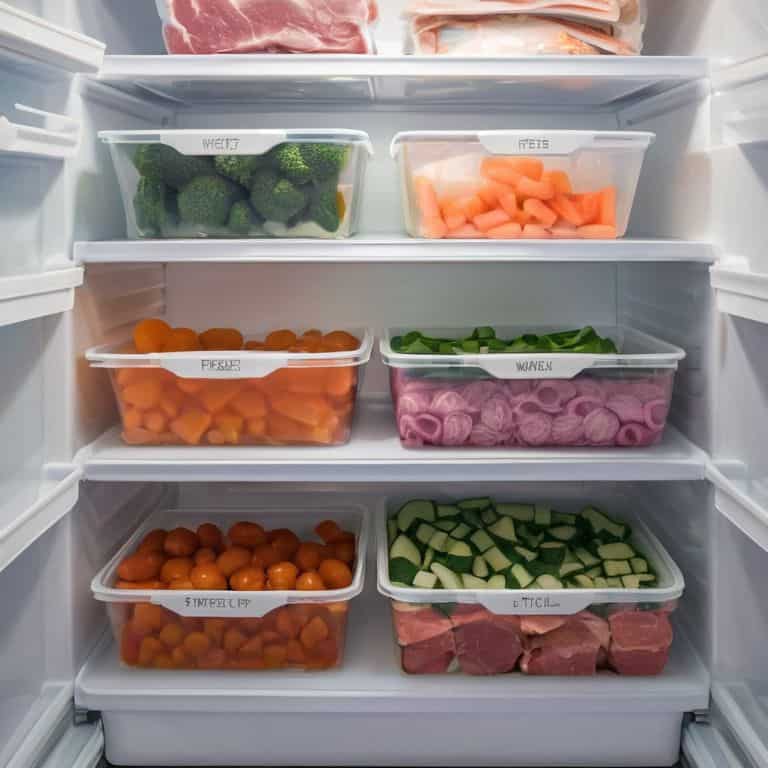
In wrapping up this guide to freezer-safe food storage, let’s recap the essential takeaways: we’ve covered the best practices for storing food, from using airtight containers to labeling and dating everything. We’ve also dived into the world of freezer organization systems, which can be a total game-changer for maximizing space. And, of course, we’ve touched on the importance of preventing freezer burn to keep your food fresh for longer. By implementing these simple strategies, you’ll be well on your way to streamlining your freezer and making the most of this valuable kitchen resource.
As you embark on your own journey to minimalist freezer mastery, remember that it’s all about finding a system that works for you and sticking to it. Don’t be too hard on yourself if things don’t get perfectly organized right away – the key is to make progress, not to create more stress. With a little practice and patience, you’ll be enjoying the benefits of a well-stocked, efficiently run freezer in no time. So go ahead, take a deep breath, and let the frozen chaos begin to thaw – your kitchen (and your sanity) will thank you!
Frequently Asked Questions
What's the best way to label and track the contents of my freezer so I don't forget what's in there?
I’m obsessed with my label maker for freezer organization. I use it to mark containers with dates and contents, and I also keep a tiny notebook on the fridge to track what’s inside. It’s old-school, but it works – and it saves me from having to dig through a million mystery meals.
How long can I safely store different types of food in the freezer before they go bad?
Honestly, it depends on the food. Frozen veggies typically last 8-12 months, while meats can go for 6-12 months. Frozen meals and leftovers are usually good for 3-4 months. I keep a cheat sheet on my fridge with these timelines to ensure I use things before they go bad.
Are there any specific freezer-safe containers or bags that you recommend for storing leftovers and meals?
I swear by these simple, BPA-free containers and freezer bags from Muji – they’re airtight, space-saving, and won’t break the bank. For leftovers, I use their 1L containers, and for meals, their quart-sized freezer bags are a staple. They’re durable, easy to label, and take up minimal counter space, which is a must for me.