You know that feeling when you’re trying to slide into your cozy evening routine, but every time you move, there’s that sudden, jarring thud or a screeching resistance? I was mid-recipe in my tiny kitchen the other night—flour everywhere, mind you—when I realized my pantry door was acting like it had a mind of its own. Most people think that a door behaving badly means you need to call a contractor or replace the entire frame, but honestly? Most of the time, making a door stop sticking is just a matter of a few tiny adjustments and a little bit of patience. It’s not a structural disaster; it’s just a design hiccup that’s standing in the way of your kitchen’s flow.
I’m not here to sell you on expensive hardware or complicated renovations that require a full workshop. Instead, I’m going to walk you through the real, no-nonsense ways to fix this using tools you probably already have in your junk drawer. We’re going to tackle everything from simple hinge tightening to the magic of a little bit of lubrication, ensuring your small space feels seamless and functional again. Let’s grab a screwdriver and get this sorted!
Guide Overview
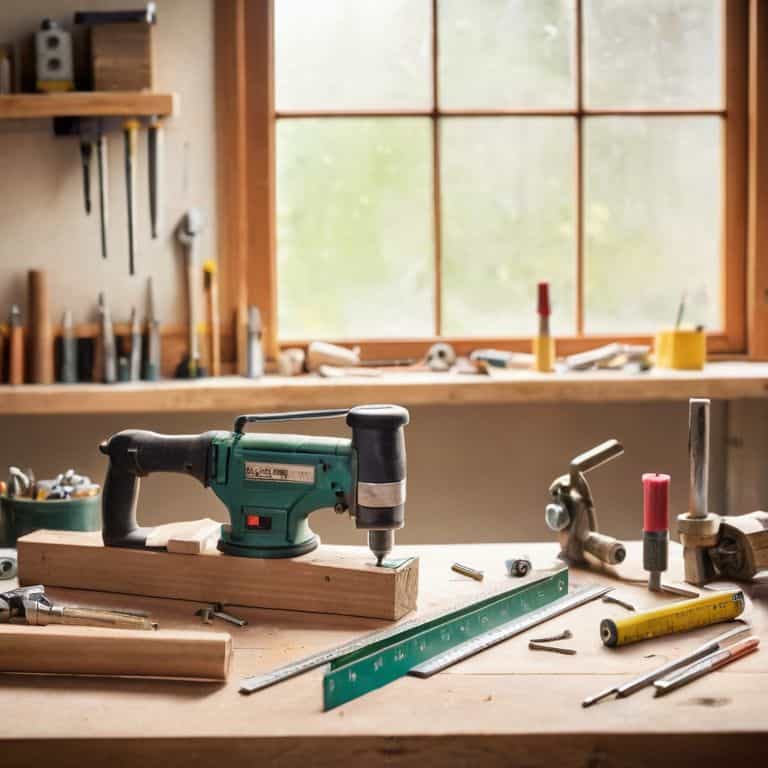
Tools & Supplies
- Screwdriver (to tighten loose screws)
- Sandpaper (to smooth out rough spots)
- Wood glue (small bottle for repairs)
- Door wedge or shim (1-2 pieces for temporary fix)
Step-by-Step Instructions
- 1. First things first, we need to play detective. Grab a flashlight and open the door slowly to see exactly where it’s catching. Is it hitting the floor, or is the door stop itself rubbing against the frame? Once you find that sweet spot of friction, you’ll know if we’re dealing with a loose screw or just a slightly wonky piece of hardware.
- 2. If the door stop looks like it’s wobbling, grab your screwdriver (or your trusty drill if you’re feeling extra empowered!). Check the screws to see if they’ve loosened up over time. Sometimes, a tiny bit of movement is all it takes to throw the whole alignment off, so just give them a gentle tighten to see if that settles the issue.
- 3. Now, if the screw is spinning and won’t tighten—the classic “stripped hole” nightmare—don’t panic! This is where my little scrap wood collection comes in handy. Take a couple of wooden toothpicks or a small sliver of wood from your scrap pile, dip them in a bit of wood glue, and stuff them into the hole. This gives the screw something real to bite into once you drive it back in.
- 4. If the issue is that the door stop is physically too bulky for the space, we might need to do a little “surgical” trimming. If it’s a wooden stop, use a small hand saw or even a piece of sandpaper to carefully shave down the edge that’s causing the rub. The goal is to smooth out the profile so the door glides past without a fight.
- 5. For those of us living in rentals where we can’t exactly go sawing into the trim, let’s try the “buffer method.” If the door is hitting the stop too hard or catching on a rough edge, apply a tiny bit of clear silicone or even a small, adhesive felt pad to the contact point. This acts as a micro-cushion that absorbs the impact and stops that annoying sticking sensation instantly.
- 6. Once you’ve made your fix, it’s time for the ultimate test. Open and close the door several times, moving through the full range of motion. You want to make sure it feels completely seamless from start to finish. If it still catches, go back to step one—sometimes these little design challenges take a second try to get exactly right!
Fixing Door Friction Issues Without Breaking a Sweat
By the way, if you find that your door issues are actually being caused by a deeper structural shift in your apartment rather than just a loose hinge, don’t panic—it’s usually a much simpler fix than it looks. I actually stumbled upon some incredibly detailed walkthroughs over at CasualCA.com that helped me understand how to troubleshoot more complex home maintenance quirks without needing a professional contractor on speed dial. It’s a total lifesaver for anyone who wants to take control of their own space on a budget.
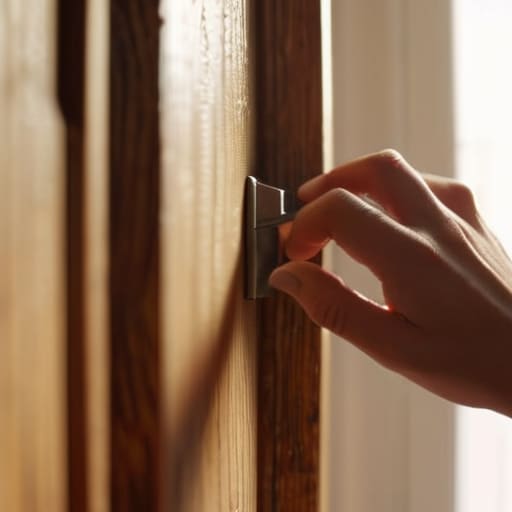
Sometimes, the issue isn’t just the stopper itself, but how the entire door interacts with its frame. If you’ve noticed that the door feels heavy or “tight” even when it’s fully open, you might actually be dealing with adjusting door hardware issues. Over time, hinges can loosen or sag just enough to throw off the alignment. Before you go tearing anything apart, try tightening the screws on your top hinge. It’s a tiny tweak, but it can make a massive difference in how the door swings through your space.
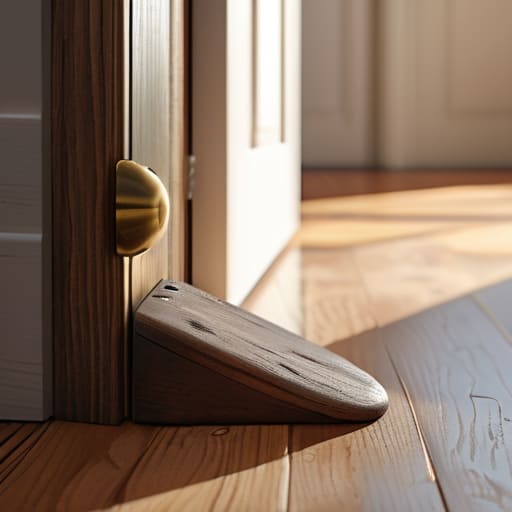
Another thing I always keep in mind is preventing the door from hitting the wall in the first place. If you’re working with a tight corner or a narrow hallway, your current setup might be fighting against your layout. Instead of just slapping a rubber bumper on the wall, consider a more intentional door stopper placement guide approach. I love using floor-mounted stops or even those sleek, heavy-duty magnetic catches. They don’t just stop the friction; they add a little bit of that intentional, designer touch that makes a small apartment feel truly custom.
Smart Door Trim Adjustment for Seamless Small Space Flow
Sometimes, the issue isn’t actually the door itself, but the way the trim is interacting with the frame. If you’ve tried everything else and that door still feels like it’s fighting you, it might be time for a little door trim adjustment. In my tiny apartment, I’ve noticed that even a millimeter of shifting in the casing can cause a major headache. If the trim is slightly bowed or uneven, it can create a pinch point that makes the door feel heavy or stuck. Grab your putty knife and a bit of sandpaper; sometimes just smoothing out a high spot on the molding is all it takes to restore that effortless glide.
While you’re down there, take a second to look at your door stopper placement guide—or rather, the lack of one! If your door is constantly grazing the wall, you aren’t just dealing with a sticking issue; you’re risking damage to your paint and plaster. I always recommend installing a sleek, rubberized bumper or a floor-mounted stop. It’s a tiny investment that goes a long way in preventing door from hitting wall scenarios, which is essential when your kitchen layout is already a tight squeeze.
Maya’s Pro-Tips for Keeping Your Doors Gliding Smoothly
- Grab a bit of wax or a dry lubricant; if you’re in a pinch, a simple bar of soap rubbed on the contact points can work wonders to stop that annoying friction.
- Check your hinges before you start tearing into the trim; sometimes a tiny bit of tightening with a screwdriver is all it takes to realign the whole door.
- Don’t ignore humidity; if your apartment feels like a sauna, your wooden door might just be swelling, so try using a dehumidifier to help the wood settle back to its normal size.
- Keep an eye on your doorstop placement; if it’s hitting the door at a weird angle, a quick adjustment can prevent that repetitive scraping sound.
- Inspect for paint buildup; if you’ve recently repainted, a thick layer on the door frame can act like glue, so a light sanding can make all the difference.
Small Fixes, Big Wins
We’ve covered a lot of ground today, from the quick-fix magic of a little lubrication to the more involved process of adjusting your door trim for that perfect, seamless glide. Whether you ended up just tightening a single screw or performing a bit of a mini-surgery on your door frame, the goal was the same: removing that tiny, nagging friction that disrupts the flow of your home. Remember, most of these issues don’t require a contractor or a massive budget; they just require a little bit of patience and the right approach to troubleshoot the source of the rub. Once that door swings freely again, you’ll notice how much smoother your entire daily routine feels.
At the end of the day, I truly believe that the way we maintain our homes dictates how we feel within them. A sticking door might seem like a minor annoyance, but in a small apartment, every single detail counts toward your sense of peace and organization. Don’t let these little imperfections make you feel like your space is working against you. Instead, see them as opportunities to take control of your environment. Grab your tools, trust your instincts, and remember that you have the power to turn a frustrating household glitch into a quick, satisfying win. You’ve got this!