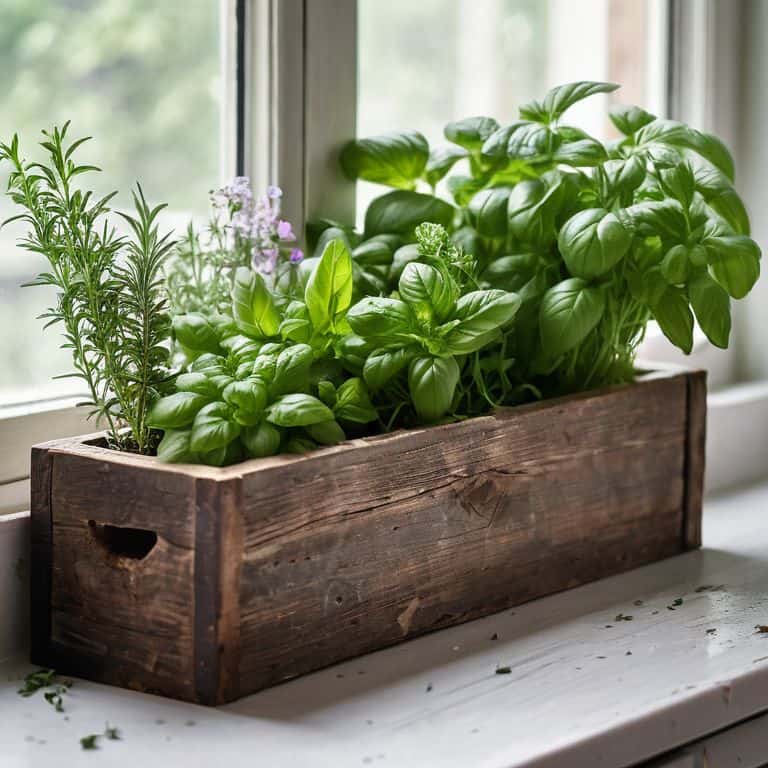
I still remember the day I decided to turn my tiny kitchen window into a lush herb garden – it was a game-changer for my cooking and my mood. I was tired of believing the myth that you need a huge backyard to grow your own herbs, so I set out to learn how to create a kitchen herb garden that would thrive in even the smallest of spaces. As it turns out, all you need is a little creativity and some clever planning to bring the freshness of the outdoors into your kitchen.
In this article, I’ll share my favorite tips and tricks for creating a beautiful and functional kitchen herb garden, no matter how tiny your kitchen is. You’ll learn how to choose the right herbs for your space, how to repurpose everyday items into planters, and how to keep your herbs happy and healthy. I’ll show you that with a little bit of effort, you can have a thriving herb garden that will add freshness and flavor to all your meals, and make your kitchen feel more like home. So, let’s get started on this journey to create a kitchen herb garden that will bring you joy and inspiration every day.
Table of Contents
- Guide Overview: What You'll Need
- Step-by-Step Instructions
- How to Create a Kitchen Herb Garden
- Best Herbs for Indoor Gardens and Self Watering Hacks
- Sowing Joy in Small Spaces With Herb Garden Plans
- Thrive in Tiny Spaces: 5 Essential Tips for Your Kitchen Herb Garden
- Key Takeaways for a Thriving Kitchen Herb Garden
- Cultivating Life in Small Spaces
- Bringing Your Kitchen Herb Garden to Life
- Frequently Asked Questions
Guide Overview: What You'll Need
Total Time: 1 hour 30 minutes
Estimated Cost: $20 – $40
Difficulty Level: Easy
Tools Required
- Gardening Gloves (for plant handling)
- Trowel (for planting and soil mixing)
- Pruning Shears (for trimming herbs)
- Measuring Tape (for measuring planters)
- Watering Can (for watering herbs)
Supplies & Materials
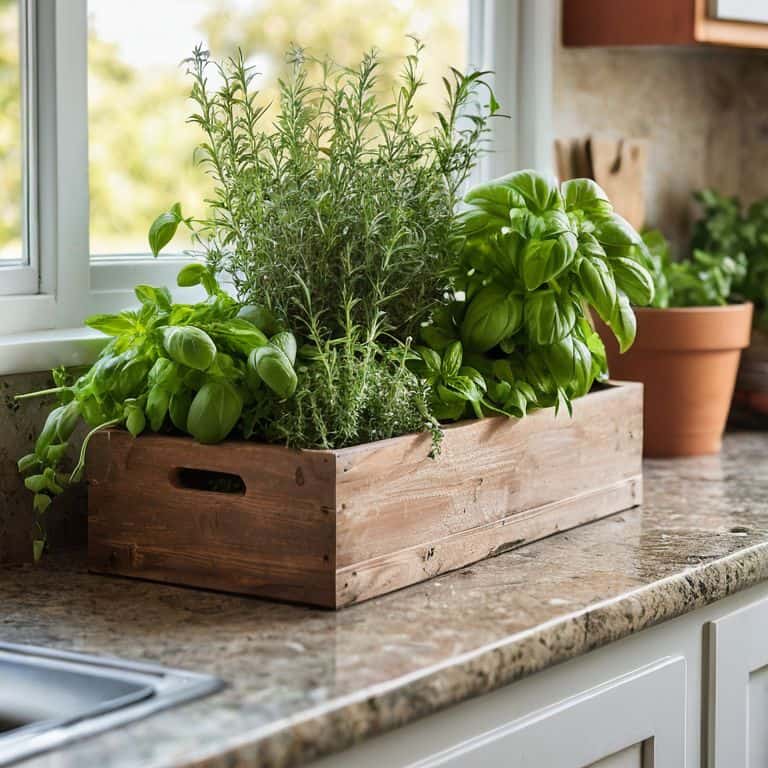
- Wooden Planter Box (approximately 6 inches by 12 inches by 6 inches)
- Potting Soil (enough to fill the planter box)
- Herb Seeds or Seedlings (choose your desired herbs, e.g., basil, rosemary, thyme)
- Fertilizer (balanced, water-soluble fertilizer)
- Gravel or Small Rocks (for drainage at the bottom of the planter box)
Step-by-Step Instructions
- 1. First, let’s start by assessing our space and determining the best location for our kitchen herb garden. Consider the amount of sunlight your kitchen receives and choose a spot that gets at least 4-6 hours of direct sunlight per day. If your kitchen is like mine, with limited natural light, don’t worry! We can still make it work with some creative planning.
- 2. Next, we need to decide on the type of containers we’ll use for our herb garden. I love using upcycled materials like old mason jars, wooden crates, or even plastic bottles. Not only is it eco-friendly, but it also adds a touch of personality to our garden. Make sure your containers have drainage holes to prevent waterlogged soil and root rot.
- 3. Now it’s time to choose our herbs! Select a variety of herbs that thrive in indoor conditions and fit your personal cooking style. Some popular herbs for indoor gardens include basil, mint, cilantro, and parsley. Consider the mature size of each herb and leave enough space for them to grow. I like to group my herbs by their lighting requirements to ensure each one gets the right amount of sunlight.
- 4. Let’s move on to preparing our containers. Fill each container with a high-quality potting mix that’s specifically designed for indoor plants. Leave about an inch at the top for watering. If you’re using a wooden container, make sure to line it with a plastic bag or a waterproof membrane to prevent rot and damage.
- 5. It’s time to plant our herbs! Gently remove the herb seedlings from their packaging and plant them in their respective containers. Water thoroughly and make sure the soil is moist but not waterlogged. I like to use a watering can with a long spout to reach all my plants without making a mess.
- 6. To add some extra functionality to our herb garden, let’s create a trellis system using a wooden or plastic trellis. This will help our herbs grow upwards, maximizing our space and adding a decorative element to our kitchen. Simply place the trellis behind the containers and gently twine the stems around it as they grow.
- 7. Finally, let’s talk about maintenance and care. Water your herbs when the top inch of soil feels dry to the touch, and fertilize them regularly with a balanced, water-soluble fertilizer. Prune your herbs regularly to encourage bushy growth and prevent them from becoming leggy. With a little love and attention, our kitchen herb garden will thrive and provide us with fresh, fragrant herbs all year round.
How to Create a Kitchen Herb Garden
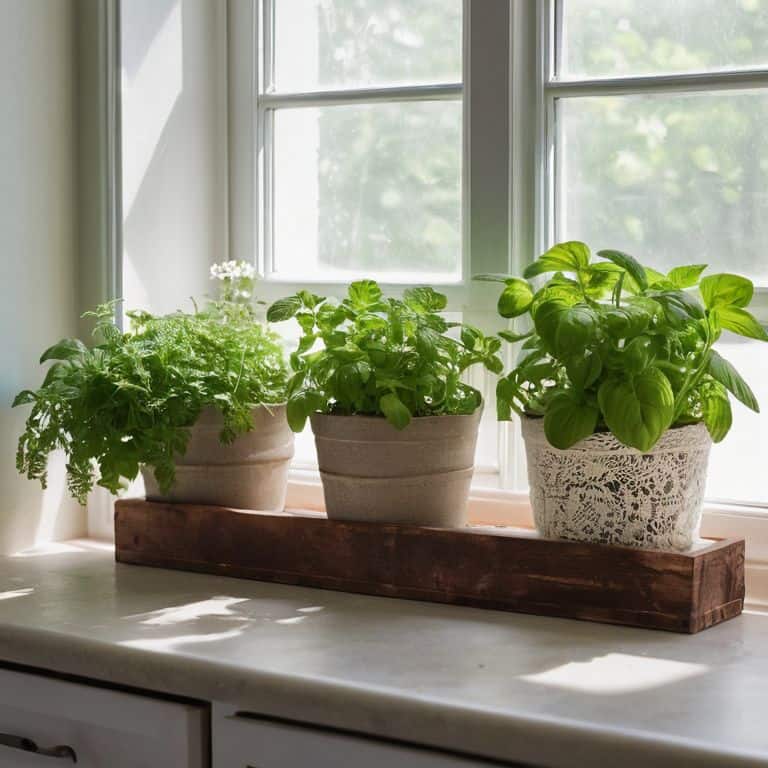
As I dive into the world of kitchen herb gardens, I’m excited to share some herb garden plans for beginners that have worked wonders for me. One of the most important things to consider is the type of herbs you want to grow. I’ve found that basil, mint, and cilantro are great for indoor gardens, and they’re perfect for adding fresh flavor to your cooking. When choosing your herbs, think about the amount of light they need and the temperature of your kitchen.
For small space gardening, it’s all about making the most of your windowsill. I’ve invested in a few self-watering herb planters that have been a game-changer for my kitchen herb garden. These planters allow me to go on vacation without worrying about my herbs drying out, and they’re perfect for busy people who don’t have a lot of time to tend to their plants. Plus, they’re a great way to add some greenery to your kitchen without taking up too much space.
To keep your kitchen herb garden thriving, it’s essential to focus on kitchen herb garden maintenance. This includes watering your herbs regularly, fertilizing them occasionally, and pruning them to encourage new growth. I also like to use herb garden kits for windowsills to get started, as they usually come with everything you need to get growing. By following these tips, you’ll be well on your way to creating a beautiful and functional kitchen herb garden that will bring joy and freshness to your cooking.
Best Herbs for Indoor Gardens and Self Watering Hacks
When it comes to choosing the best herbs for your indoor kitchen garden, I always say: keep it simple, yet flavorful. Basil, mint, and parsley are my top picks – they’re easy to grow, look gorgeous, and add a burst of freshness to any dish. Plus, they’re perfect for small spaces, requiring minimal maintenance and care. For a self-watering hack, try using a DIY planter with a built-in water reservoir, or upcycle an old jar with a water-absorbing material like cotton rope. This way, your herbs will stay hydrated and happy, even when you’re away.
Sowing Joy in Small Spaces With Herb Garden Plans
As I delve into the world of herb gardening, I’m excited to share my favorite plans for maximizing space. For tiny kitchens like mine, vertical gardens are a game-changer. I’ve used wooden trellises, repurposed pallets, and even a wooden ladder to create a lush oasis on my balcony. These space-saving solutions allow me to grow a variety of herbs, from basil to rosemary, without sacrificing precious counter space.
My go-to herb garden plan involves using small pots and a wooden crate, which I upcycled from a flea market find. I arrange the pots in a way that allows for proper drainage and air circulation, ensuring my herbs thrive. This plan is not only budget-friendly but also renter-friendly, as it doesn’t require any permanent installation. With a little creativity, even the smallest kitchen can become a haven for fresh herbs and home-cooked meals.
Thrive in Tiny Spaces: 5 Essential Tips for Your Kitchen Herb Garden
- Choose herbs that thrive in small spaces and partial shade, like basil, mint, and parsley, to ensure a lush and fragrant kitchen garden
- Maximize your space by using vertical planters, trellises, or stackable pots to make the most of your kitchen’s walls and corners
- Invest in a self-watering system or create your own using recycled materials like plastic bottles or terra cotta pots to keep your herbs hydrated and happy
- Select a location with plenty of natural light, but also consider using grow lights to supplement the sunlight and promote healthy growth
- Don’t forget to fertilize and prune your herbs regularly to encourage bushy growth and prevent them from becoming leggy or pot-bound, and enjoy the satisfaction of harvesting your homegrown herbs
Key Takeaways for a Thriving Kitchen Herb Garden
By repurposing small spaces, such as windowsills or balcony rails, you can create a lush herb garden that not only adds freshness to your cooking but also brings a touch of greenery to your tiny kitchen
Selecting the right herbs for indoor conditions and implementing self-watering hacks can significantly reduce maintenance, making it easier to enjoy the benefits of your kitchen herb garden all year round
With a little creativity and the right DIY approach, you can turn even the most compact kitchen into a haven for herb gardening, proving that size is no barrier to growing your own herbs and enjoying the satisfaction of a home-grown harvest
Cultivating Life in Small Spaces
A kitchen herb garden is not just about growing plants, it’s about growing possibilities – with every sprout, you’re proving that even the tiniest spaces can nurture life, beauty, and deliciousness!
Maya Torres
Bringing Your Kitchen Herb Garden to Life
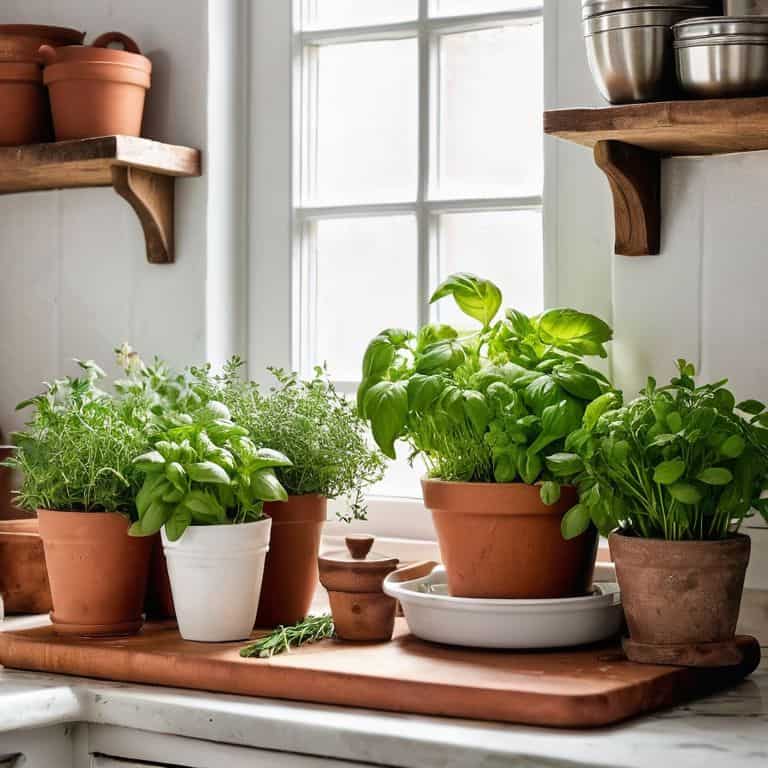
As we’ve explored the world of kitchen herb gardens, I hope you’ve seen how easy it is to turn even the smallest space into a lush oasis. From choosing the best herbs for indoor gardens to implementing clever self-watering hacks, we’ve covered the essentials to get you started. Remember, the key to a thriving herb garden is not just about the plants, but about creating a space that brings you joy and makes cooking more exciting. Whether you’re a seasoned gardener or a beginner, the process of nurturing your herbs can be incredibly rewarding.
As you embark on your kitchen herb garden journey, I want to leave you with a final thought: empowerment through creation is a powerful thing. Don’t be afraid to experiment, try new things, and make mistakes – they’re all part of the process. With every snip of the scissors and every watering can filled, you’re not just growing herbs, you’re cultivating a sense of pride and accomplishment in your tiny kitchen. So go ahead, get creative, and watch your kitchen transform into a vibrant hub of flavor and life.
Frequently Asked Questions
What are the most essential herbs to start with for a beginner's kitchen herb garden?
For a beginner’s kitchen herb garden, I always recommend starting with the classics: basil, mint, and cilantro. These three are super easy to grow, and you’ll use them in tons of recipes. Plus, they’re great for small spaces and can thrive in indoor conditions with a little love and care. Trust me, you won’t go wrong with these three!
How often should I water my indoor herb garden to ensure the plants thrive?
For my indoor herb garden, I water when the top inch of soil feels dry to the touch. Overwatering is a common mistake, so I check daily and water sparingly – usually every 2-3 days in summer and less often in winter. It’s all about finding that sweet spot!
Can I grow a kitchen herb garden on a windowsill with limited natural light?
Absolutely, you can still grow a thriving kitchen herb garden on a windowsill with limited natural light. Choose low-light tolerant herbs like mint, parsley, or basil, and consider supplementing with grow lights to give them a boost. I’ve had success with this in my own tiny kitchen, and I’d be happy to share more tips on making it work!