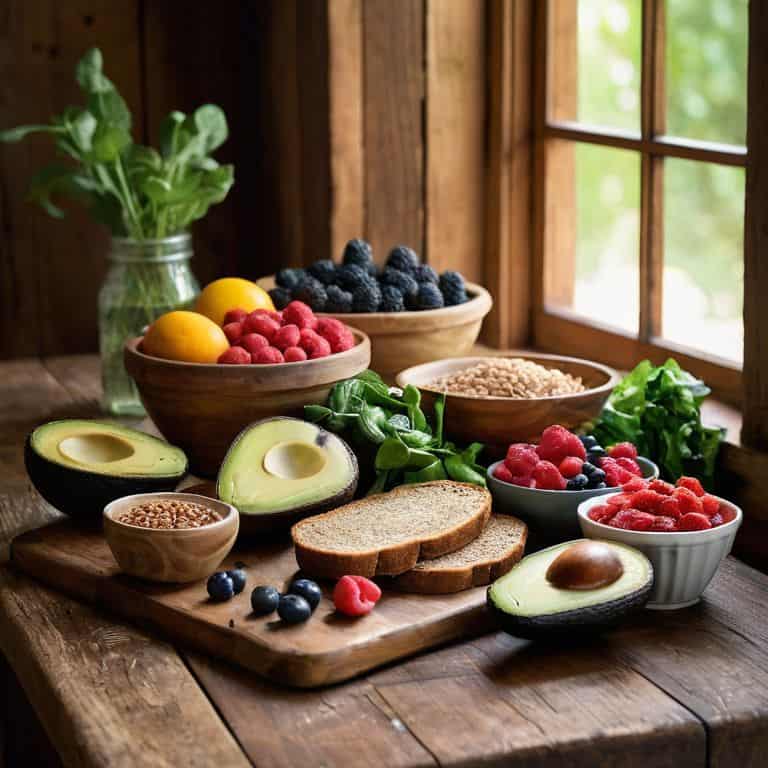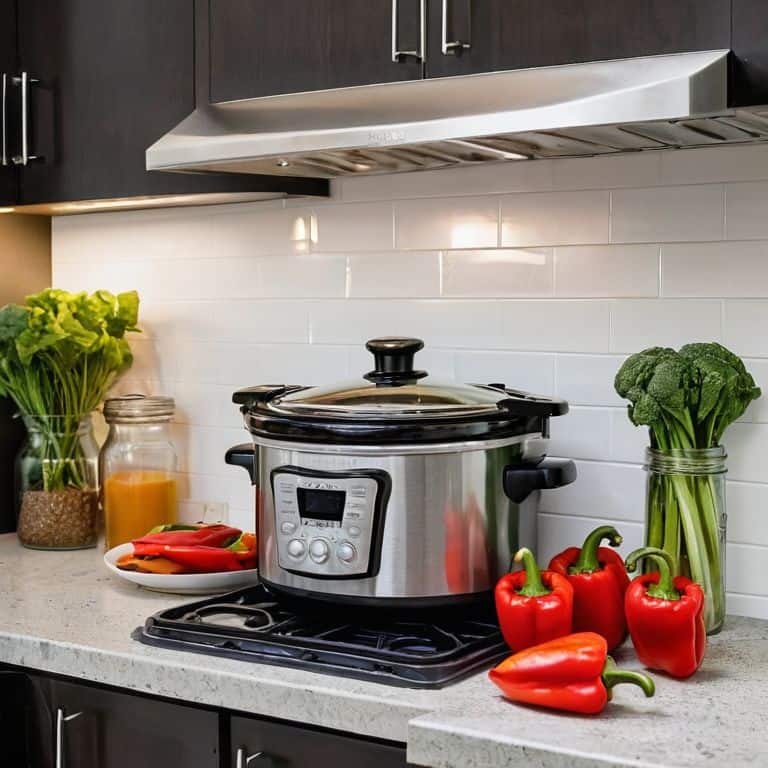
I still remember the Sunday mornings I used to spend in my tiny kitchen, frantically trying to meal prep for the week ahead. I’d scour the internet for a reliable guide to meal prepping, only to find recipes that required a ton of ingredients and equipment I didn’t have. It was overwhelming, to say the least. But I was determined to make healthy eating work, even on a tight budget and with limited space. That’s when I stumbled upon the joy of using what you have, and my approach to a guide to meal prepping was forever changed.
As a holistic nutritionist, I’ve learned that the key to successful meal prepping is not about following some fancy recipe or buying expensive gadgets. It’s about keeping it simple and reducing food waste. In this article, I’ll share my top tips for creating a personalized guide to meal prepping that works for you, no matter how small your kitchen may be. From root-to-stem cooking to clever ways to reuse leftovers, I’ll show you how to make healthy eating a breeze, even on the busiest of days. Get ready to transform your relationship with food and make meal prep a joyful, sustainable habit.
Table of Contents
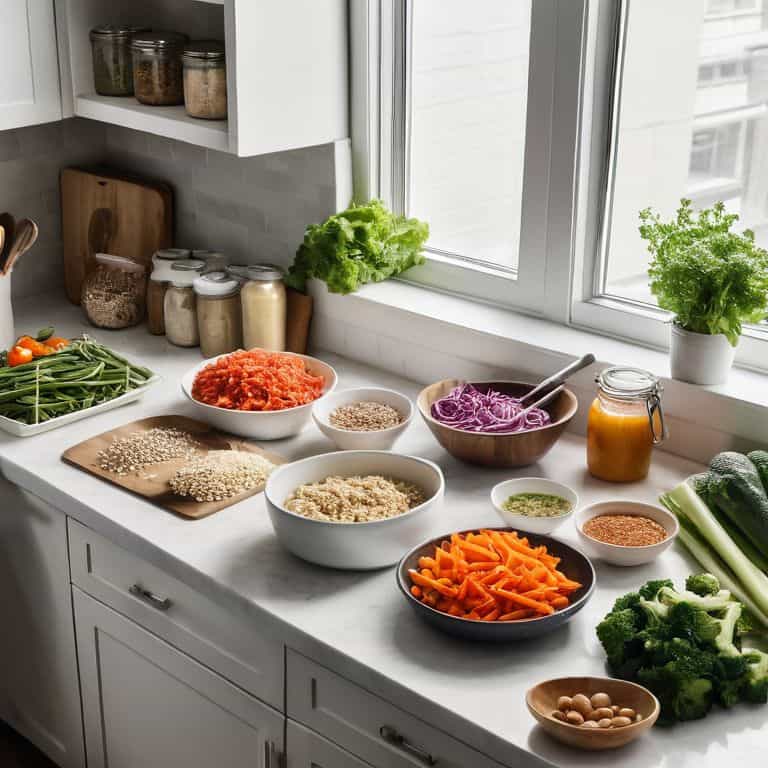
Guide Overview: What You'll Need
Total Time: 1 hour 30 minutes to 3 hours
Estimated Cost: $20 – $100
Difficulty Level: Easy
Tools Required
- Refrigerator for storage
- Oven for cooking
- Stove for cooking
- Microwave for reheating
- Cutting Board for food preparation
- Knife for cutting ingredients
- Measuring Cups for accurate measurements
- Measuring Spoons for accurate measurements
- Containers for storing meals
Supplies & Materials
- Proteins such as chicken, beef, or tofu
- Vegetables such as broccoli, carrots, or bell peppers
- Fruits such as apples, bananas, or berries
- Grains such as brown rice, quinoa, or whole wheat bread
- Dairy or Dairy Alternatives such as milk, yogurt, or almond milk
- Spices and Herbs for added flavor
- Oils for cooking and dressing salads
- Snacks such as nuts, seeds, or energy bars
Step-by-Step Instructions
- 1. First, let’s start with planning your meals – this is the foundation of successful meal prepping. I like to take some time on the weekend to think about what I want to cook for the week ahead, considering what ingredients I already have at home and what’s in season at my local farmers’ market. This helps me create a shopping list and ensures I’m not buying too much or too little of anything.
- 2. Next, I head to the farmers’ market or my local grocery store to pick up the ingredients I need. I always try to buy whole foods whenever possible, as they tend to be cheaper and less wasteful than pre-packaged items. I also love shopping the sales and planning my meals around what’s on offer – it’s a great way to save money and get creative with new ingredients.
- 3. Once I’m back in my tiny kitchen, I start by prepping my ingredients. This means chopping vegetables, cooking proteins, and portioning out grains. I like to use my trusty mason jar to store things like cooked beans, quinoa, or roasted vegetables – it’s amazing how much you can fit into one little jar! I also make sure to label each jar so I can easily see what’s inside.
- 4. Now it’s time to start cooking. I usually make a big batch of something like lentil soup or roasted vegetables that can be used as the base for several meals throughout the week. I love using my slow cooker for this, as it’s so easy to just throw all the ingredients in and let it do its magic. While that’s cooking, I’ll often prep some overnight oats or salad jars for quick and easy breakfasts or lunches.
- 5. As I’m cooking, I’m also thinking about how I can reduce food waste. This means using up every last bit of an ingredient, whether that’s turning vegetable scraps into broth or using leftover meat to make a soup or stew. I also like to get creative with fermentation – making things like kimchi or sauerkraut is a great way to use up veggies that are past their prime and create a healthy, probiotic-rich snack.
- 6. With my ingredients prepped and my meals cooked, it’s time to assemble my meal prep containers. I like to use reusable containers or mason jars to store my meals, as they’re eco-friendly and can be used again and again. I’ll often add a splash of flavor with things like herbs, spices, or a squeeze of fresh lemon juice to keep my meals interesting and delicious.
- 7. Finally, I take a step back and admire my handiwork – I’ve got a week’s worth of healthy meals ready to go, and I know I’ve done my part to reduce food waste and save money. I love the feeling of knowing exactly what I’m eating and when, and I find that meal prep really helps me stay on track with my healthy eating goals, even on the busiest of days.
A Guide to Meal Prepping
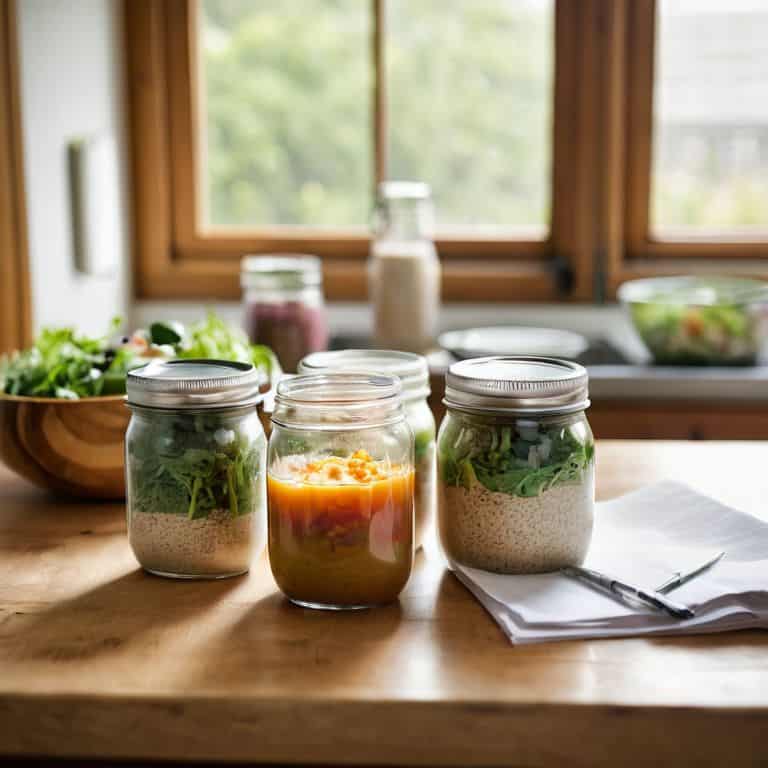
As I always say, meal prep for beginners can be as simple as starting with one or two meals a week. I like to begin with a weekly meal planning session, where I sit down and think about what I want to cook for the next few days. This helps me avoid food waste and ensures that I’m using up all the ingredients I have on hand. I also love using mason jars to prep my meals – they’re perfect for portioning out salads, soups, or even overnight oats.
When it comes to healthy meal prep ideas, I’m all about keeping things simple and delicious. I love roasting a big batch of vegetables on the weekend and using them throughout the week in different meals. I also make a big jar of fermented kimchi or sauerkraut to add a burst of flavor and nutrition to my meals. And let’s not forget about the importance of meal prep containers – I swear by my reusable containers to keep my meals fresh and organized.
For those with small kitchen meal prep solutions in mind, don’t worry – you can still meal prep like a pro! I like to use every available space in my kitchen to store my meal prep containers and ingredients. I also make sure to plan my meals around what’s in season to ensure that I’m getting the freshest ingredients at the best price. This helps with meal prep budgeting advice, as it reduces food waste and saves me money in the long run.
Meal Prep for Beginners Simple Tips
As a beginner, meal prep can feel overwhelming, but trust me, it’s easier than you think. I started with simple steps like cooking a big batch of rice or quinoa on Sundays and using it throughout the week. I’d also roast a tray of vegetables and add them to different meals. These small habits made a huge difference in my meal prep journey.
My favorite tip for beginners is to start with one or two ingredients and build from there. For example, try meal prepping with just sweet potatoes and eggs. You can roast sweet potatoes and use them in salads, as a side dish, or as a base for breakfast bowls with scrambled eggs. Keep it simple, and you’ll be amazed at how quickly you can create healthy, delicious meals.
Small Kitchen Meal Prep Solutions
In my own tiny kitchen, I’ve learned to get creative with space and ingredients. I swear by my mason jars for storing and preparing meals in advance. For small kitchens, it’s all about maximizing vertical space and using multi-functional tools. Consider investing in a compact slow cooker or Instant Pot to whip up hearty meals with minimal fuss.
I also love repurposing leftovers to reduce waste and save time. Roasted vegetables can become tomorrow’s salad topping or a nutritious soup. By embracing a ‘root-to-stem’ approach, you’ll not only reduce your environmental footprint but also discover new flavors and textures to spice up your meal prep routine.
My Top 5 Meal Prep Hacks for a Healthier, Happier You
- Start small and focus on one meal a day, like packing a healthy lunch or prepping a big batch of overnight oats
- Get familiar with your fridge and pantry, and plan your meals around what’s already in stock to reduce food waste
- Invest in a few essential containers, like mason jars or glass containers, to make meal prep a breeze and keep your food fresh
- Experiment with ‘root-to-stem’ cooking and find creative ways to use up every part of your ingredients, like turning broccoli stems into a delicious slaw
- Make meal prep a self-care ritual, not a chore – put on your favorite music, light some candles, and enjoy the process of nourishing your body and soul
My Top 3 Takeaways for Stress-Free Meal Prep
I’ve learned that starting small is key – even just prepping one or two meals a week can make a huge difference in reducing food waste and saving time
Embracing a ‘root-to-stem’ approach to cooking has been a game-changer for me, using every part of the ingredient to create nutritious and delicious meals
By stocking my tiny pantry with just a few versatile staples, I can whip up a week’s worth of healthy meals – it’s all about being creative and resourceful in the kitchen
Nourishing Wisdom
The art of meal prepping isn’t about having a perfect kitchen or a plethora of ingredients, it’s about embracing the beauty of simplicity and making the most of what you have, one delicious and nutritious meal at a time.
Jenna Matthews
Embracing the Joy of Meal Prepping
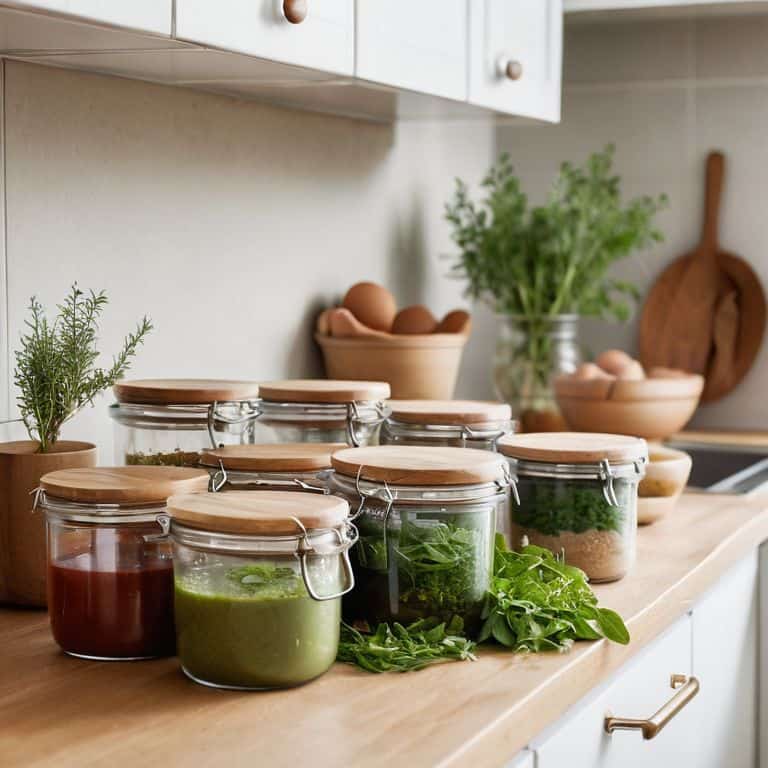
As we’ve explored throughout this guide, meal prepping is all about embracing simplicity and making the most of what you have. From turning leftovers into new meals to finding creative solutions for small kitchens, it’s clear that meal prepping is not just about cooking – it’s about adopting a mindset that values resourcefulness and reduces waste. By implementing the tips and tricks outlined in this guide, you’ll not only be saving time and money but also taking a significant step towards a more sustainable lifestyle.
So, as you embark on your meal prepping journey, remember that it’s okay to start small and that every little bit counts. Don’t be too hard on yourself if you don’t get it right immediately – the key is to have fun and be gentle with yourself as you explore new recipes and techniques. With patience, practice, and a willingness to learn, you’ll find that meal prepping becomes an integral part of your self-care routine, nourishing both your body and soul.
Frequently Asked Questions
How can I ensure I'm using up all my ingredients before they go bad to reduce food waste while meal prepping?
I swear by planning meals around what’s already in my fridge and pantry. Before shopping, I take stock of what’s nearing expiration and get creative with recipes to use it all up. My favorite trick is making a ‘fridge dump’ soup or stir-fry with whatever veggies are left. It’s amazing how a little planning can turn would-be waste into a delicious meal!
What are some creative ways to repurpose leftovers into new meals to keep my meal prep interesting?
I love getting creative with leftovers. One of my favorite hacks is turning last night’s roasted veggies into a hearty soup or stir-fry for lunch the next day. I also like to use leftover grains to make a fresh salad or bowl. And don’t even get me started on using mason jars to whip up a quick and easy leftover remix!
Can you provide some tips on how to organize my small kitchen to make meal prep more efficient and less stressful?
For me, it all starts with a well-stocked pantry, even if it’s just one tiny shelf. I use mason jars to store spices, grains, and nuts, keeping them within easy reach. Labeling and categorizing my ingredients helps me quickly whip up a meal, and I love repurposing containers to reduce clutter and waste.