As I sit in my cozy micro-apartment, surrounded by the essentials of a life well-lived, I’m reminded of the journey that brought me here. Embracing minimalist living wasn’t just about downsizing my space, but about upgrading my lifestyle. However, I’ve learned that there are common minimalist living mistakes to avoid that can make all the difference between a life of freedom and one of frustration. It’s a topic that’s near and dear to my heart, and one that I believe is crucial for anyone looking to adopt a more streamlined approach to living.
By sharing my own experiences and insights, I hope to provide a roadmap for avoiding the pitfalls that can trip up even the most well-intentioned minimalist. In the following list, you’ll discover the top 5 common minimalist living mistakes to avoid, from over-zealous purging to underestimating the importance of community. You’ll learn how to strike a balance between simplicity and satisfaction, and how to create a life that’s rich in experience, not just sparse in possessions. By the end of this article, you’ll be equipped with the knowledge and confidence to create a minimalist lifestyle that truly thrives, rather than just survives.
Table of Contents
- Forgetting to Edit, Not Just Minimize
- Not Investing in Multi-Functional Furniture
- Focusing Too Much on Aesthetics
- Not Creating a Maintenance Routine
- Comparing Yourself to Others
- Embracing the Freedom of Minimalism: Key Takeaways
- A Minimalist's Wisdom
- Embracing the Freedom of Minimalism
- Frequently Asked Questions
Forgetting to Edit, Not Just Minimize
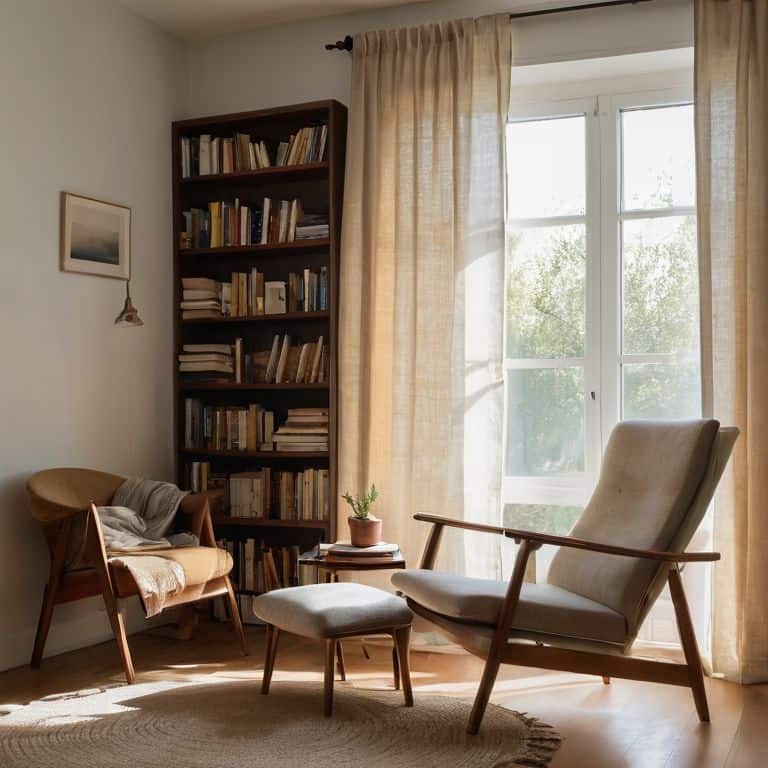
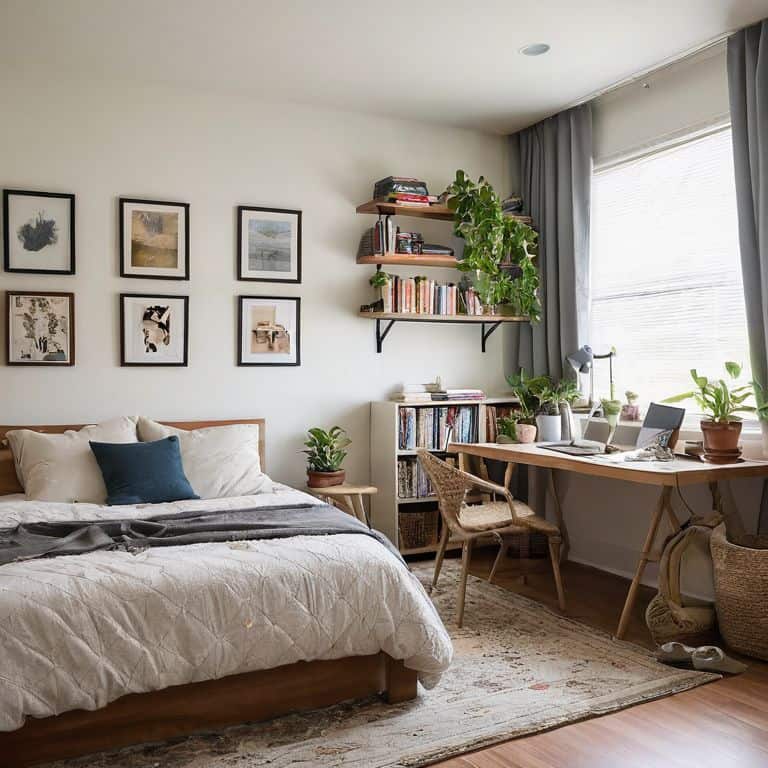
I’ve learned the hard way that editing your belongings is just as important as minimizing them. When I first started downsizing, I thought that simply getting rid of a few items would be enough. But what I realized was that I needed to be more intentional about what I was keeping, not just what I was getting rid of. This meant taking the time to really think about each item and whether it was truly bringing value to my life. It’s not just about having fewer possessions, it’s about having the right possessions. By being more mindful of what I own, I’ve been able to create a space that truly reflects my values and priorities. For instance, I used to have a big collection of books that I thought defined me as a person, but when I took a closer look, I realized that most of them were just collecting dust and taking up valuable space. By editing my collection and keeping only the books that truly resonated with me, I was able to create a more curated and intentional space.
Not Investing in Multi-Functional Furniture
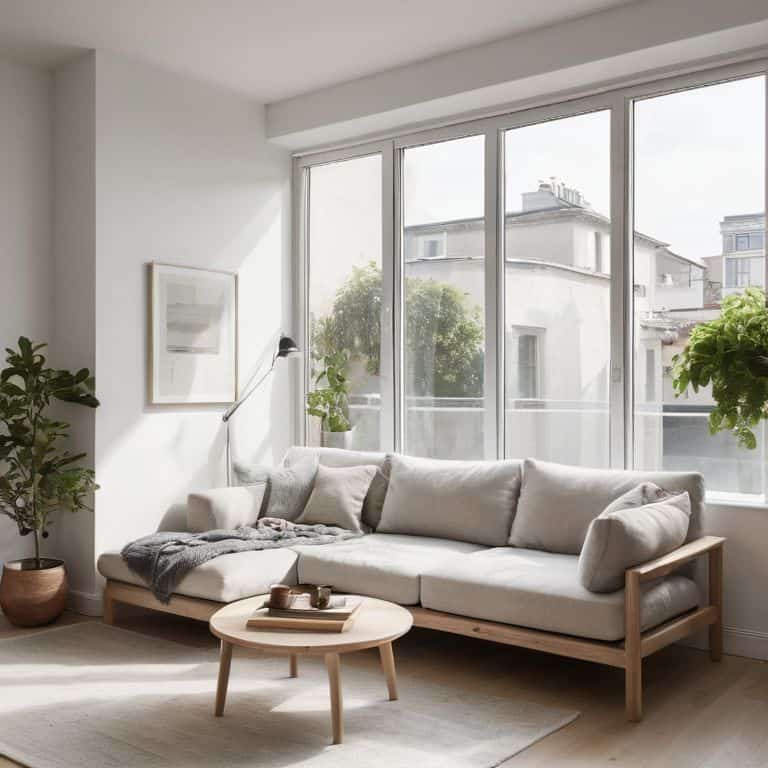
One of the biggest mistakes people make when adopting a minimalist lifestyle is not investing in multi-functional furniture. As someone who’s lived in small spaces for most of my adult life, I can attest to the importance of having furniture that serves multiple purposes. Not only does it help to reduce clutter and save space, but it also makes it easier to entertain and live a more flexible and spontaneous life. For example, my sofa bed is not only a comfortable place to sleep, but it’s also a great spot to lounge and read a book or watch a movie. By investing in furniture that can be used in multiple ways, I’ve been able to create a space that feels larger than it actually is. And, as an added bonus, it’s also helped me to reduce waste and live more sustainably. I’ve learned to look for pieces that are not only functional, but also beautiful and well-made, so that they can be enjoyed for years to come.
Focusing Too Much on Aesthetics
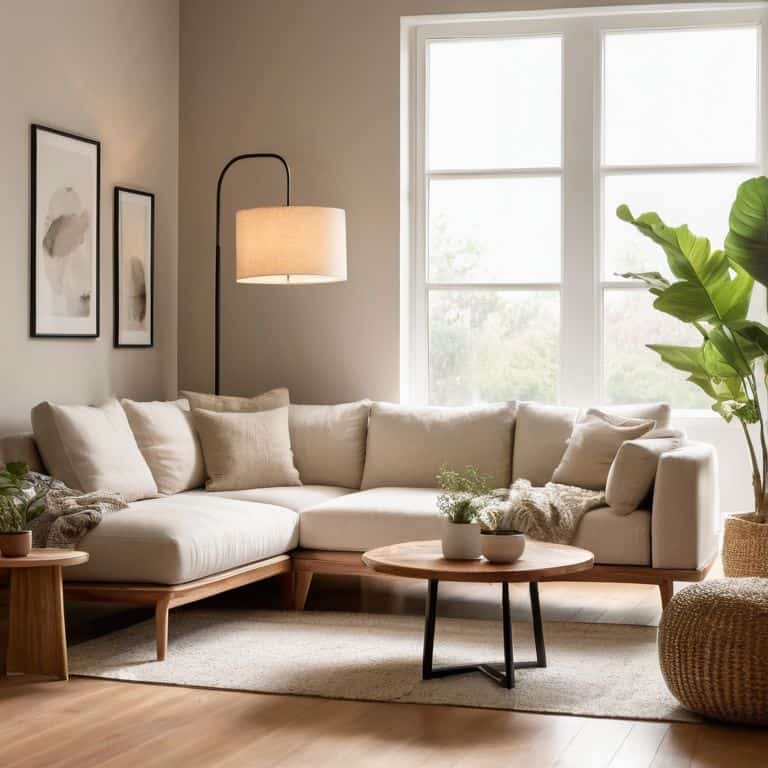
While aesthetics are certainly important, I’ve found that functionality and practicality should always come first. When I was first starting out on my minimalist journey, I got caught up in the idea of creating a space that looked a certain way. I spent hours scouring design blogs and Pinterest for inspiration, and I ended up with a space that looked great, but didn’t necessarily function well. It wasn’t until I took a step back and re-evaluated my priorities that I realized what was truly important to me. I started to focus on creating a space that was functional and comfortable, rather than just visually appealing. This meant investing in a few high-quality, practical pieces of furniture, rather than a lot of cheap, decorative items. By prioritizing functionality, I’ve been able to create a space that truly supports my well-being and happiness.
Not Creating a Maintenance Routine
One of the biggest challenges of minimalist living is maintaining your space over time. It’s easy to get caught up in the initial decluttering and organizing process, but it’s just as important to create a routine that will help you stay on track. For me, this means setting aside a few minutes each day to tidy up and make sure everything is in its place. It also means scheduling regular deep cleaning sessions to keep my space feeling fresh and clean. By creating a maintenance routine, I’ve been able to reduce stress and anxiety and keep my space feeling peaceful and calm. I’ve also found that it’s helpful to review and adjust my routine regularly, to make sure it’s still working for me. By being intentional about my maintenance routine, I’ve been able to create a space that truly supports my well-being.
Comparing Yourself to Others
Finally, one of the biggest mistakes people make when adopting a minimalist lifestyle is comparing themselves to others. It’s easy to get caught up in the idea that you need to be living a certain way, or that your space needs to look a certain way, in order to be considered a ‘true’ minimalist. But the truth is, everyone’s journey is different, and what works for someone else may not work for you. I’ve found that it’s much more helpful to focus on my own goals and priorities, rather than comparing myself to others. This means letting go of the need for perfection and embracing the fact that my space is unique and imperfect. By focusing on my own journey, I’ve been able to create a space that truly reflects my values and priorities, and that brings me joy and fulfillment. I’ve also learned to celebrate my own successes, no matter how small they may seem, and to be kind to myself when I make mistakes.
Embracing the Freedom of Minimalism: Key Takeaways
I’ve learned that minimalism is not just about decluttering your space, but about creating a life that’s rich in experiences and connections, not just possessions
By avoiding common mistakes like holding onto ‘just in case’ items and neglecting the importance of community, you can unlock a more fulfilling life in even the smallest of spaces
Ultimately, embracing minimalism is about embracing a mindset that values freedom, creativity, and joy over material wealth, and with the right approach, anyone can turn their tiny apartment into a launchpad for adventure
A Minimalist's Wisdom
The biggest mistake in minimalist living isn’t the lack of space, but the lack of intention – it’s not about what you cut out, but about what you fill your life with instead.
Noah Burton
Embracing the Freedom of Minimalism
As I reflect on the common mistakes to avoid in minimalist living, I’m reminded that embracing simplicity is a journey, not a destination. We’ve explored how to sidestep the pitfalls of over-purging, neglecting self-care, failing to create functional spaces, underestimating the power of community, and being too rigid with our minimalist goals. By being mindful of these potential missteps, we can cultivate a more intentional lifestyle that truly enriches our lives.
So, as you continue on your own path to minimalist living, remember that the true beauty of this journey lies not in the physical space you inhabit, but in the freedom to live life on your own terms. By focusing on experiences, connections, and personal growth, you’ll find that a smaller space can actually be the catalyst for a bigger, more meaningful life – one that’s filled with purpose, joy, and a deep appreciation for the world around you.
Frequently Asked Questions
How can I ensure that I'm not sacrificing too much comfort in the process of adopting a minimalist lifestyle?
For me, it’s about striking a balance between simplicity and coziness. I prioritize multi-functional furniture and invest in a few high-quality, comfortable pieces that bring me joy. It’s not about depriving yourself, but about curating a space that sparks connection and community – like my infamous board game nights, where a plush couch is a must!
What are some common pitfalls to watch out for when trying to apply minimalist principles to a small apartment or shared living space?
When embracing minimalist living in small spaces, I’ve found it’s crucial to avoid common pitfalls like prioritizing aesthetics over functionality, neglecting communal areas, and underestimating the need for intentional storage solutions – all of which can shrink your adventures, not just your space.
Are there any specific mistakes that are particularly common among beginners to minimalist living, and how can I avoid them?
I’ve seen friends stumble into common pitfalls like holding onto ‘just in case’ items or feeling pressured to purge everything at once. My advice? Start small, focus on what adds value to your life, and don’t be too hard on yourself – it’s a journey, not a competition.