I still remember the day I realized that working from home in a studio wasn’t a recipe for distraction, but an opportunity for focused productivity. I had just moved into a tiny apartment in Tokyo, and my friends back in New York thought I was crazy for trading in my spacious loft for a micro-apartment. But as I settled into my new space, I discovered that the key to staying focused wasn’t about the size of my apartment, but about creating a command center that worked for me. That’s why I’m excited to share my tips on how to stay focused when working from home in a studio, so you can turn your small space into a productivity powerhouse.
In this article, I’ll cut through the noise and share my no-nonsense advice on how to create a distraction-free zone in even the coziest of spaces. You’ll learn how to prioritize your tasks, minimize interruptions, and maximize your productivity. Whether you’re a remote worker, a freelancer, or an entrepreneur, you’ll discover that staying focused is not about the space you’re in, but about the systems and habits you create. So, if you’re ready to turn your studio into a hub of productivity, keep reading for my top tips on how to stay focused when working from home in a studio.
Table of Contents
Guide Overview: What You'll Need
Total Time: 1 hour 15 minutes
Estimated Cost: $0 – $20
Difficulty Level: Easy
Tools Required
- Comfortable Desk Chair (for proper posture)
- Noise-Cancelling Headphones (optional)
- Whiteboard or Calendar (for scheduling and organization)
Supplies & Materials
- Minimal Decor (to reduce distractions)
- Plants (for air quality and ambiance)
- Ergonomic Accessories (e.g., footrest, document holder)
Step-by-Step Instructions
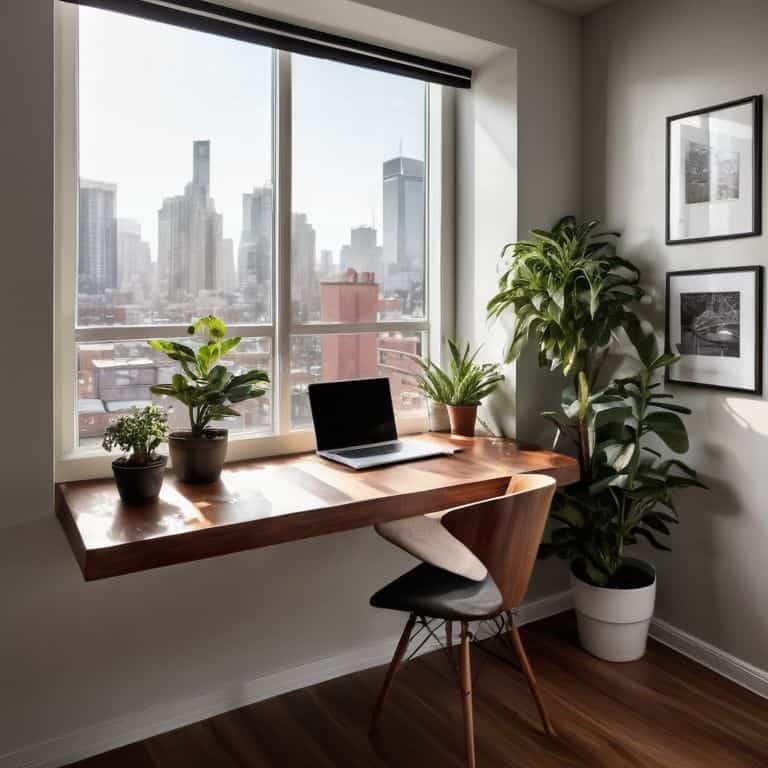
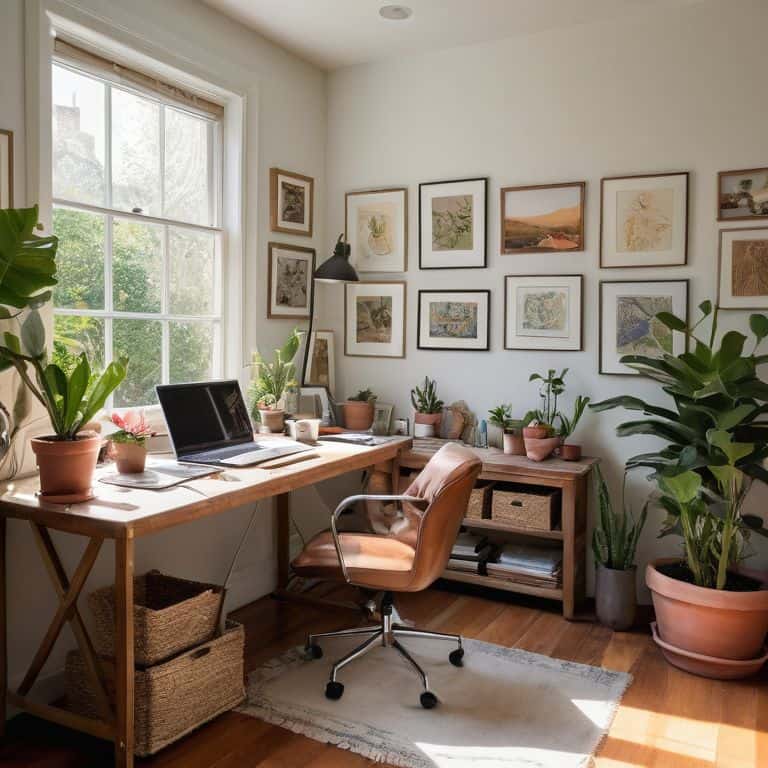
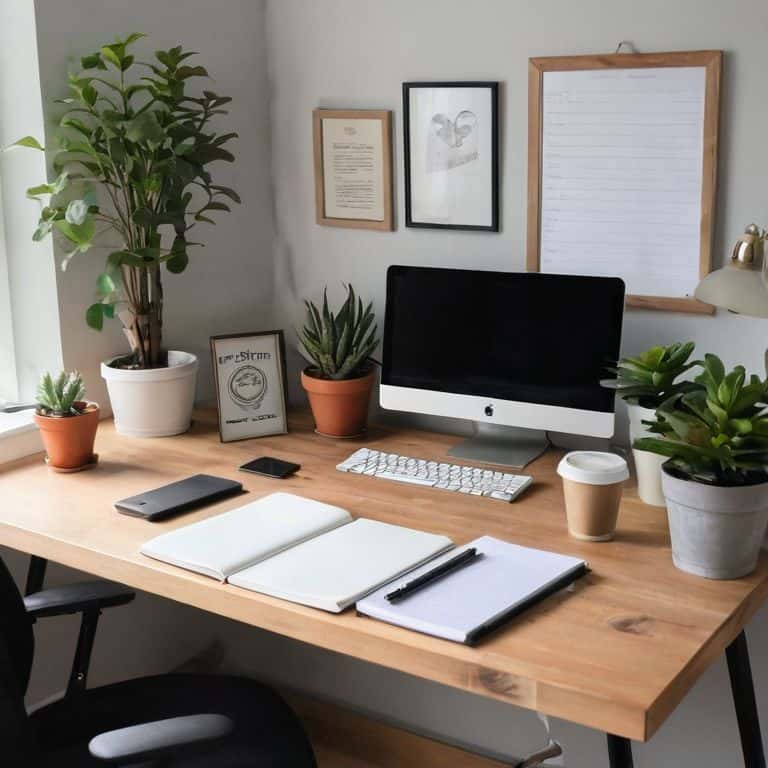
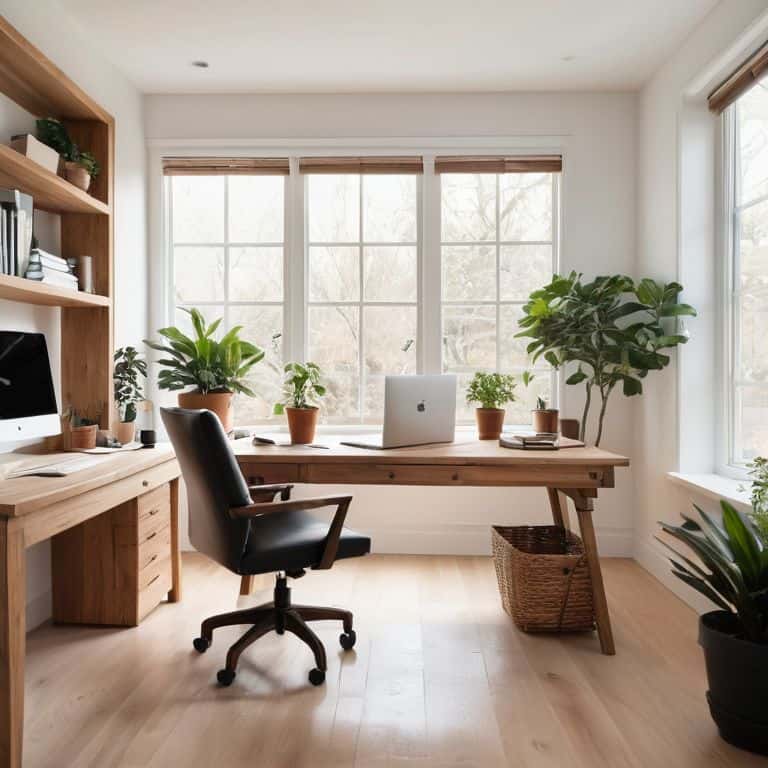
- 1. First, let’s talk about setting up your home office. When you’re working from a studio, it can be tempting to just plop down on the couch with your laptop, but trust me, that’s a recipe for disaster. Instead, designate a specific area of your studio as your workspace and make it comfortable and functional. For me, that means having a small desk in the corner of my room, with a good chair and a few plants to keep me company.
- 2. Next, you need to minimize distractions. This can be tough when you’re working from home, especially if you live in a bustling city like I do. One thing that helps me is using noise-cancelling headphones to block out any external noise. I also try to schedule my work for times when I know my neighbors will be out, and I avoid checking my phone or email too frequently.
- 3. Now, let’s talk about time management. When you’re working from home, it can be easy to get sucked into the trap of thinking you have all the time in the world. But the truth is, you need to be just as disciplined as you would be in an office. I use a planner to keep track of my schedule and set specific goals for what I want to accomplish each day. I also try to take regular breaks to stretch and move around, which helps me stay focused.
- 4. Another key to staying focused is to eliminate multitasking. I know it can be tempting to try to do multiple things at once, but the truth is, you’ll be more productive if you focus on one task at a time. For me, that means closing all the extra tabs on my computer and just focusing on the task at hand. I also try to avoid eating or watching TV while I’m working, as these can be big distractions.
- 5. It’s also important to have a pre-work routine to get you in the right mindset. For me, that means making a cup of coffee and doing a quick meditation session to clear my head. I also try to get some natural light, even if it’s just by opening the curtains or taking a quick walk outside. This helps me feel more alert and focused.
- 6. Next, let’s talk about boundaries. When you’re working from home, it can be easy for your work and personal life to blend together. But it’s essential to set some boundaries to maintain your sanity. For me, that means not checking work email or taking work calls after a certain time of day. I also try to schedule time for self-care, whether that’s reading a book, taking a walk, or practicing yoga.
- 7. Finally, it’s essential to have a wrap-up routine to help you transition out of work mode. For me, that means taking a few minutes to review what I’ve accomplished and making a to-do list for the next day. I also try to do something creative, like writing in my journal or working on a puzzle, to help my brain unwind. This helps me feel more relaxed and prepared for the next day.
Studio Focus Mastery
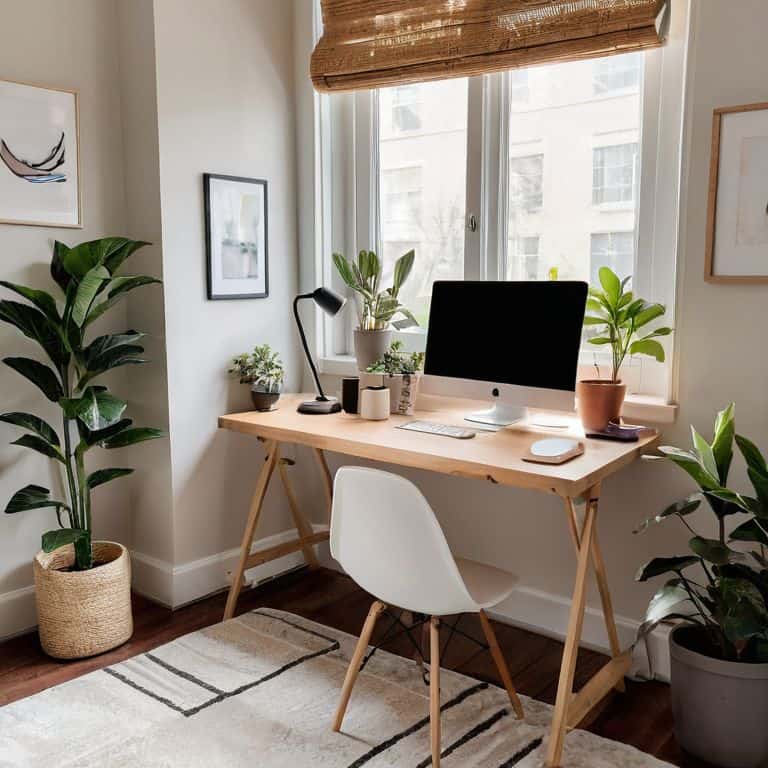
As I reflect on my own journey to creating a home office space that fuels productivity, I’ve come to realize that it’s all about finding a balance between comfort and discipline. My small studio apartment has taught me to be intentional with every inch, and that’s especially true when it comes to my workspace. By investing in a few essential tools, like a noise-cancelling headset and a portable desk, I’ve been able to carve out a dedicated area that helps me stay on track.
One of the biggest challenges I’ve faced while working from home is managing family distractions. With a little creativity, however, I’ve found ways to minimize interruptions and maintain a sense of separation between work and personal life. For instance, I’ve established a daily routine that includes regular check-ins with my loved ones, which helps them understand when I’m available and when I need to focus.
By implementing effective time management techniques, such as the Pomodoro method, I’ve been able to stay motivated and avoid burnout. It’s amazing how much more productive I’ve become since adopting this approach, and I’ve even found that I have more time for the things I enjoy, like exploring new neighborhoods and trying out hole-in-the-wall restaurants.
Creating Home Office Oasis
For me, creating a home office oasis is about striking a balance between functionality and serenity. I’ve learned to designate a specific area of my studio as my “work zone,” where I can focus on my tasks without distractions. This might mean setting up a compact desk in a quiet corner or using a room divider to separate my workspace from the rest of the apartment. By doing so, I can mentally “clock in” and get to work, even in a small space.
I also prioritize ambiance, using soft lighting, plants, and calming colors to create a peaceful atmosphere. This helps me stay centered and avoid burnout, even on the most chaotic of days. By transforming my studio into a haven of productivity, I can tackle my work with clarity and purpose, and then easily transition into “relaxation mode” when the day is done.
Minimizing Digital Distractions Daily
For me, minimizing digital distractions is all about setting boundaries. I’ve implemented a “no phone zone” in my workspace, and I try to check my emails only twice a day. It’s amazing how much more focused I become when I’m not constantly scrolling through social media or responding to non-urgent messages. I’ve also started using website blockers to limit my access to distracting sites during work hours. It’s been a game-changer for my productivity.
By limiting my digital distractions, I’ve been able to stay on track and make the most of my time. It’s not about completely eliminating digital tools, but about using them intentionally and with purpose. This mindset has helped me create a sense of calm and clarity in my tiny studio, even on the most chaotic of days.
Command Center Hacks: 5 Tips to Boost Your Focus
- Designate a ‘work zone’ within your studio, even if it’s just a corner desk, to create a mental separation between work and play
- Implement a ‘tech curfew’ to silence notifications and log out of social media during work hours, minimizing digital distractions
- Use the ‘Pomodoro Technique’: work in focused 25-minute increments, followed by a 5-minute break, to maintain productivity and avoid burnout
- Optimize your studio’s lighting and temperature to create a comfortable work environment, and consider using a noise machine or calming music to enhance focus
- Schedule regular ‘refresh walks’ outside your studio to clear your mind, get some fresh air, and recharge your creative energy
Key Takeaways for a Focused Studio Life
I’ve learned that turning my tiny studio into a command center for productivity involves creating a dedicated workspace that sparks joy and minimizes distractions, from the furniture I choose to the digital tools I use
By implementing a daily routine that balances work, self-care, and play, I’ve found that staying focused at home isn’t just about willpower, but about designing a life that seamlessly integrates work and personal time, making every moment count
Ultimately, mastering the art of working from a small studio comes down to embracing the unique advantages it offers, such as the ability to host impromptu meetings or workshops, and using these opportunities to build a stronger sense of community and connection with others, proving that even the coziest of spaces can be a hub for meaningful experiences and relationships
Staying Focused in Compact Spaces
The beauty of working from home in a studio lies not in its size, but in its potential to amplify your focus; it’s about transforming a small space into a command center that fuels your productivity and inspires your creativity.
Noah Burton
Unlocking Productivity in the Coziest of Spaces
As I reflect on my journey to mastering the art of focus in my small studio, I’m reminded of the importance of creating a home office oasis that inspires productivity and minimizes distractions. By implementing simple strategies such as setting clear boundaries, minimizing digital distractions, and optimizing my physical workspace, I’ve been able to stay focused and achieve my goals. It’s not always easy, but with the right mindset and tools, anyone can turn their studio into a command center for success.
So, as you embark on your own journey to unlock your full potential in a small studio, remember that it’s not about the size of your space, but about the size of your vision. Don’t let anyone tell you that a small studio can’t be a launchpad for big dreams. With determination, creativity, and a willingness to adapt, you can turn even the coziest of spaces into a hub of productivity and innovation. Keep pushing forward, and never underestimate the power of your own potential.
Frequently Asked Questions
How can I effectively separate my work and personal space in a small studio apartment?
For me, separating work and personal space is all about creating zones within my studio. I use a room divider to carve out a dedicated workspace, and I’ve established a “work mode” and “relax mode” to signal to myself when it’s time to focus or unwind. It’s all about intentional boundaries in a small space.
What strategies can I use to minimize noise distractions and create a quiet work environment at home?
To minimize noise distractions, I swear by noise-cancelling headphones and a clever layout. I positioned my desk away from the window and invested in a white noise machine to mask any stray sounds. It’s amazing how these small tweaks can transform my tiny studio into a peaceful oasis, perfect for focused work.
Are there any specific tools or apps that can help me stay organized and focused while working from a studio?
I swear by a few trusty tools to keep me on track. My go-to’s include the Todoist app for task management and a physical planner for brainstorming sessions. I also use website blockers like Freedom to minimize digital distractions and stay in flow. These simple tools have been total game-changers for my productivity in this tiny studio.