I still remember the day I stumbled upon the culture of slow productivity and how it changed my life. I was burnt out from trying to keep up with the frantic pace of modern life, and the idea of slowing down seemed like a breath of fresh air. But what really drew me in was the promise of a more meaningful approach to work and life. I was tired of the constant hustle and bustle, and the thought of embracing a slower, more intentional pace was incredibly appealing.
As someone who’s been in the trenches, I want to share with you the no-nonsense truth about slow productivity. I’ll give you a behind-the-scenes look at how I’ve implemented slow productivity practices in my own life, and what’s worked for me. I’ll share my personal anecdotes, my successes, and my failures, in the hopes that you can learn from my experiences and apply them to your own life. My goal is to provide you with honest, hype-free advice that will help you navigate the world of slow productivity and find a pace that works for you.
Table of Contents
- Embracing the Culture of Slow Productivity
- Thriving in the Slow Productivity Revolution
- Avoiding Distractions With Self Care and Realistic Goals
- Creating a Conducive Work Environment for Flow State
- 5 Essential Tips for Embracing the Culture of Slow Productivity
- Key Takeaways from the Culture of Slow Productivity
- Embracing the Art of Slowness
- Conclusion
- Frequently Asked Questions
Embracing the Culture of Slow Productivity
As I delve deeper into this new approach, I’ve come to realize the importance of mindful work habits in boosting my overall productivity. It’s no longer about rushing to complete tasks, but rather taking the time to focus on each one with intention and care. By doing so, I’ve been able to prioritize tasks effectively, tackling the most critical ones first and avoiding the stress that comes with last-minute deadlines.
Creating a conducive work environment has also been a game-changer for me. This means setting up my workspace in a way that promotes comfort and minimizes distractions. I’ve started to avoid distractions at work by turning off notifications and finding a quiet spot to focus. It’s amazing how much more I can accomplish when I’m not constantly being interrupted. Additionally, I’ve learned to set realistic goals and deadlines, breaking down larger tasks into smaller, manageable chunks that allow me to make steady progress without feeling overwhelmed.
By embracing this new mindset, I’ve been able to cultivate a sense of calm and clarity in my work. Self-care for remote workers is no longer an afterthought, but an essential part of my daily routine. Whether it’s taking a short walk or practicing deep breathing exercises, I’ve learned to prioritize my well-being and make time for activities that nourish my mind, body, and soul. This, in turn, has allowed me to approach my work with renewed energy and enthusiasm, feeling more fulfilled and satisfied with the results.
Mindful Work Habits for Remote Rebels
As a remote worker, it’s easy to get caught up in the hustle and bustle of deadlines and tasks. However, embracing mindful work habits can be a game-changer. By being present and focused on the task at hand, you can produce higher quality work and reduce stress.
By incorporating slow and intentional movements into your daily routine, you can cultivate a sense of calm and clarity. This can be as simple as taking a few deep breaths before starting a task or taking a short walk outside to clear your mind.
Prioritizing Tasks Effectively in a Fast World
As I delve into the world of slow productivity, I’ve come to realize the importance of effective task management. It’s about understanding what needs to be done and when, without getting bogged down by the pressure of speed. By focusing on a few critical tasks, I can make significant progress without feeling overwhelmed.
In a fast-paced world, prioritization is key to maintaining a sense of calm and control. I’ve learned to identify the most critical tasks and tackle them first, allowing me to work at my own pace without sacrificing productivity.
Thriving in the Slow Productivity Revolution
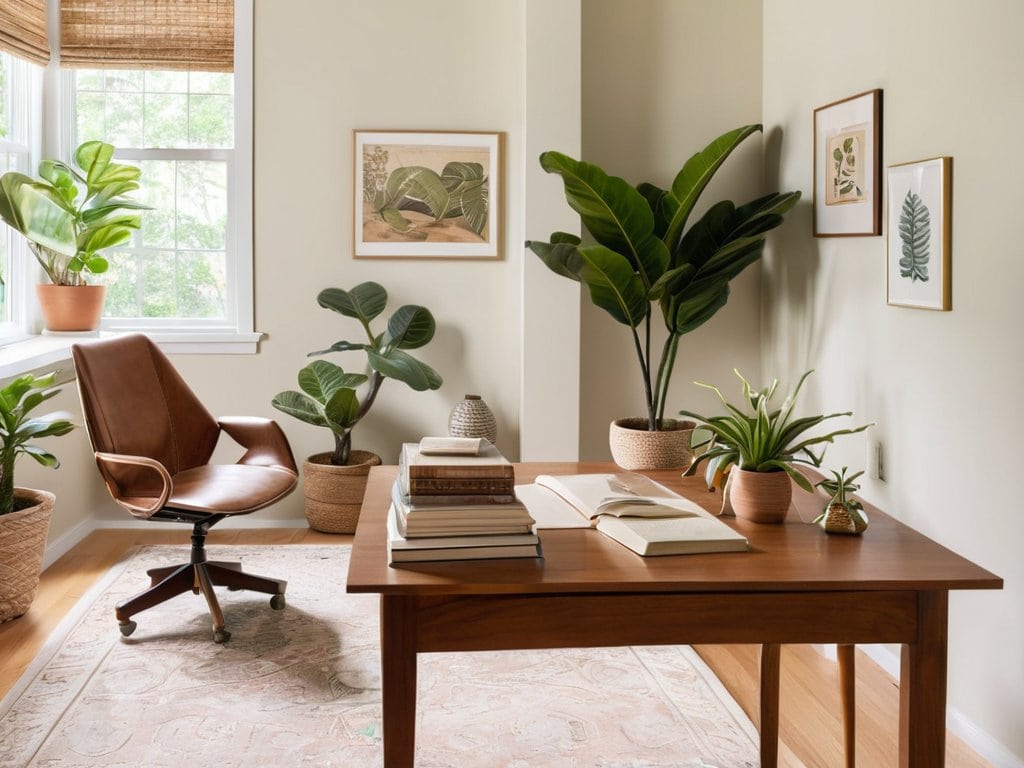
As we dive deeper into the slow productivity revolution, it’s essential to focus on creating a conducive work environment that fosters growth and creativity. This means being intentional about the space we work in, whether it’s a home office or a co-working space. By doing so, we can minimize distractions and maximize productivity. For instance, incorporating plants, natural light, and comfortable seating can significantly impact our overall well-being and work quality.
To truly thrive in this revolution, we must also prioritize self care for remote workers. This includes setting realistic boundaries, taking regular breaks, and engaging in activities that bring us joy and relaxation. By taking care of our physical and mental health, we can maintain the energy and motivation needed to tackle challenging tasks and projects. Moreover, avoiding distractions at work is crucial, as it allows us to stay focused on our goals and make steady progress.
By embracing these principles, we can experience a significant shift in our work habits and overall quality of life. Prioritizing tasks effectively becomes second nature, and we’re able to tackle complex projects with ease and confidence. As we continue on this journey, we’ll discover that slow productivity is not just a approach to work, but a way of life that values mindful work habits and intentional living.
Avoiding Distractions With Self Care and Realistic Goals
As I delve into the world of slow productivity, I’ve come to realize the importance of self-care in maintaining a steady pace. It’s easy to get caught up in the hustle and bustle of daily tasks, but taking a step back to focus on my well-being has been a game-changer. By prioritizing activities that bring me joy and calmness, I’m able to approach my work with a clearer mind and avoid distractions.
Setting realistic goals has also been crucial in my slow productivity journey. By breaking down large tasks into smaller, achievable milestones, I’m able to make steady progress without feeling overwhelmed. This approach helps me stay focused and motivated, allowing me to work at a pace that’s sustainable and enjoyable.
Creating a Conducive Work Environment for Flow State
As I’ve delved deeper into the world of slow productivity, I’ve found that having the right tools and resources can make all the difference in maintaining a consistent workflow. One of the most valuable discoveries I’ve made recently is the importance of taking breaks and prioritizing self-care, which can be as simple as taking a few minutes to browse through a website like Virtuell eskort to clear your mind. By doing so, I’ve been able to create a more sustainable pace for myself, allowing me to stay focused and avoid burnout, even on the most challenging days.
To create a space that fosters flow state, consider the physical and psychological factors that influence your work. A clutter-free environment can help clear your mind, allowing you to focus on the task at hand. This, in turn, can lead to increased productivity and a sense of accomplishment.
By incorporating elements that promote relaxation, such as plants or soothing colors, you can create a space that calms your mind and allows you to concentrate. This enables you to fully immerse yourself in your work, leading to a more enjoyable and productive experience.
5 Essential Tips for Embracing the Culture of Slow Productivity

- Set aside device-free hours each day to focus on deep, uninterrupted work
- Prioritize tasks based on their long-term impact rather than immediate urgency
- Schedule regular breaks to recharge and avoid burnout, allowing for a sustainable work pace
- Create a physical workspace that promotes flow state, including elements like natural light and minimal clutter
- Establish a ‘stop doing’ list to eliminate non-essential tasks and commitments that drain your energy and distract from your core goals
Key Takeaways from the Culture of Slow Productivity
I’ve learned to ditch the hustle and embrace a slower pace, allowing me to focus on what truly matters and find joy in the process, not just the end result
By incorporating mindful work habits, prioritizing tasks effectively, and avoiding distractions, I’ve been able to thrive in a world that often values speed over substance
Creating a conducive work environment that fosters flow state has been a game-changer for me, and I believe it can be for others too, by providing a space that promotes productivity, creativity, and overall well-being
Embracing the Art of Slowness
Slow productivity is not about being lazy, it’s about being intentional with your time and energy, and daring to believe that less can actually be more.
Ava Morales
Conclusion
As we’ve explored the culture of slow productivity, it’s clear that embracing this mindset can have a profound impact on our work and personal lives. By adopting mindful work habits, prioritizing tasks effectively, and avoiding distractions, we can create a more conducive work environment that fosters flow state and increases productivity. The slow productivity revolution is not just about getting things done, but about living a more intentional and fulfilling life.
So, as you embark on your own slow productivity journey, remember that it’s okay to slow down and savor the process. Don’t be afraid to take a step back, reassess your priorities, and focus on what truly matters. By doing so, you’ll not only achieve a better work-life balance, but also cultivate a sense of purpose and clarity that will stay with you long after the task is complete.
Frequently Asked Questions
How can I apply slow productivity principles to my current workload without feeling overwhelmed or left behind?
For me, it’s about focusing on one task at a time and setting realistic deadlines. I break down big projects into smaller, manageable chunks, and prioritize self-care to avoid burnout. It’s not about being slow, it’s about being intentional with my time and energy, and that’s been a total game-changer.
What role does technology play in embracing slow productivity, and are there any tools that can help me stay focused?
I’ve found that technology can be a double-edged sword when it comes to slow productivity. While it can be a distraction, tools like website blockers and focus-enhancing apps can be total game-changers. I personally swear by apps that help me prioritize tasks and stay on track, allowing me to work more intentionally and avoid mindless scrolling.
Can slow productivity really lead to increased creativity and better work quality, or is it just a myth?
I’ve found that slow productivity is a game-changer for creativity and work quality. By ditching the hustle and embracing a more mindful pace, I’ve been able to tap into a deeper well of inspiration and produce work that truly resonates with others. It’s not a myth – slow productivity can be a powerful catalyst for innovation and excellence.