I still remember the day I realized that the best way to clean a microwave wasn’t about using the most aggressive chemicals or scrubbing for hours. I was in my tiny apartment, trying to optimize my kitchen workflow, and I stumbled upon a simple yet ingenious method that left my microwave sparkling. It was like a mini epiphany – I didn’t have to sacrifice my sanity or my health to get the job done. As someone who’s obsessed with workflow optimization, I was thrilled to discover that cleaning the microwave could be a breeze.
In this article, I’ll share my no-nonsense approach to cleaning the microwave, and provide you with a straightforward, 3-step plan to achieve a spotless box. You’ll learn how to ditch the harsh chemicals and tedious scrubbing, and instead, use a simple, science-backed method that will leave your microwave looking like new. My goal is to empower you with the knowledge and tools you need to make cleaning the microwave a hassle-free task, so you can focus on more important things – like cooking up a storm in your own tiny kitchen.
Table of Contents
Guide Overview: What You'll Need
Total Time: 10 minutes to 30 minutes
Estimated Cost: $0 – $5
Difficulty Level: Easy
Tools Required
- Microwave-safe bowl (large enough to hold 1 cup of water)
- Sponge or cloth (for wiping down the microwave)
- Soft-bristled brush (optional, for cleaning stubborn stains)
Supplies & Materials
- Water (1 cup)
- White vinegar (1/2 cup to 1 cup)
- Baking soda (optional, for tough stains)
- Lemon juice (optional, for a fresh scent)
Step-by-Step Instructions
- 1. First, let’s get started with the pre-cleaning prep. Clear the area around your microwave to ensure you have enough space to work efficiently. Remove any dishes or utensils that might be obstructing the microwave door or its surroundings. This will give you a clean slate to work with and help you avoid any accidents.
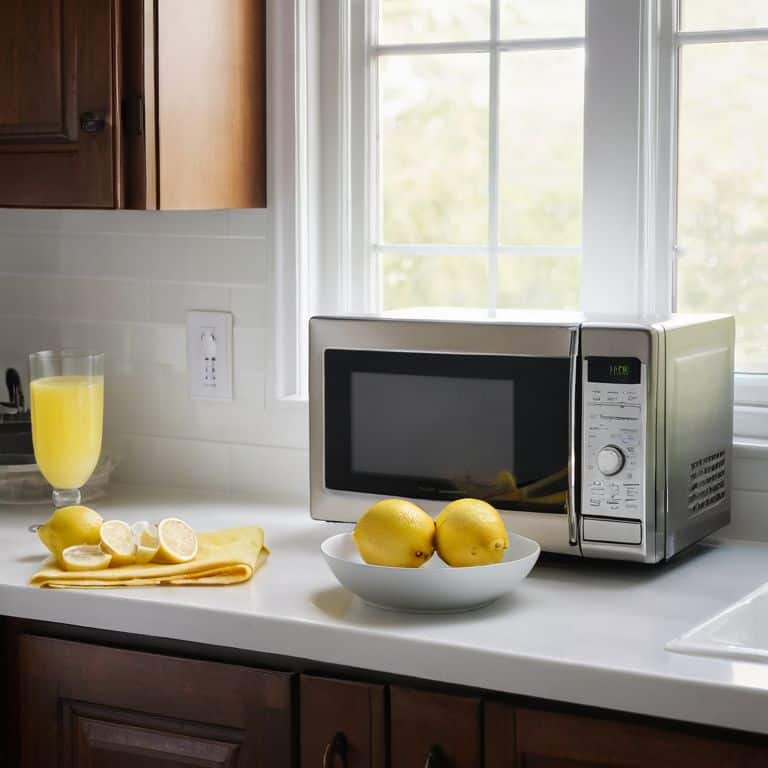
- 2. Next, gather your cleaning arsenal, which should include a _microwave-safe bowl_, water, a fresh lemon, and a soft, dry cloth. The lemon will serve as a natural cleaning agent, while the bowl and water will help create a steamy environment that loosens any tough stains or food residue.
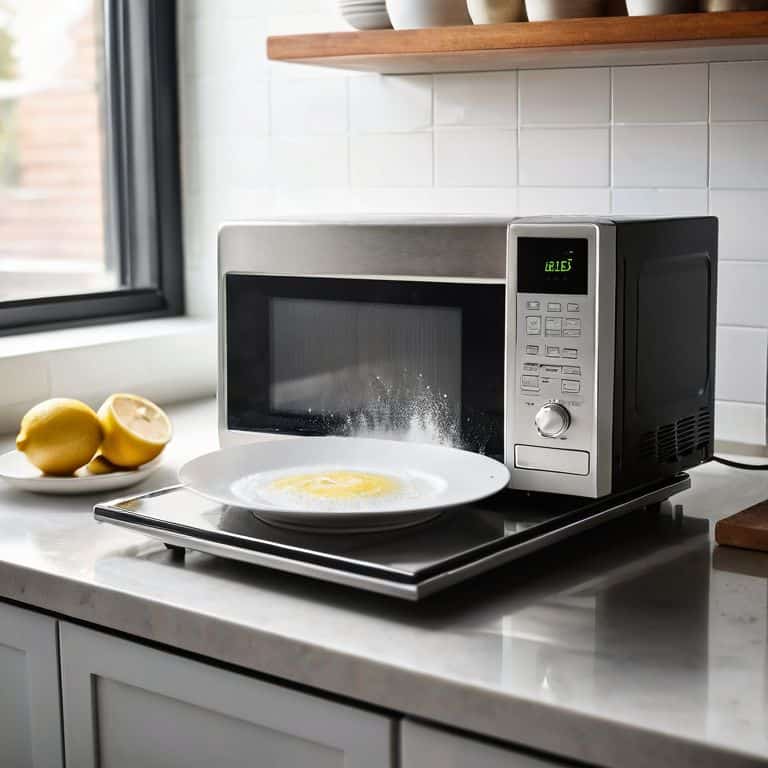
- 3. Now, cut the lemon in half and squeeze its juice into the microwave-safe bowl. Then, add about a cup of water to the bowl. The mixture of lemon juice and water will create a steam cleaning solution that’s both effective and gentle on your microwave’s surfaces.
- 4. Place the bowl with the lemon-water mixture into the microwave and set it to _high heat_ for about 2-3 minutes. This will allow the mixture to heat up and create steam, which will rise and help loosen any grime or food particles inside the microwave.
- 5. After the microwave has finished its cycle, carefully remove the bowl using oven mitts or a towel to protect your hands from the heat. The bowl and its contents will be hot, so be cautious. Let it stand for a minute or two before proceeding to the next step.
- 6. Use the soft, dry cloth to wipe down the interior of the microwave. The steam from the lemon-water mixture should have loosened any tough stains, making it easier to clean the surfaces. Pay particular attention to the _turntable and its support_, as these areas tend to accumulate more grime.
- 7. For any stubborn stains or areas that require a bit more attention, you can use a gentle cleaning product or a mixture of baking soda and water to create a paste. Apply the paste to the affected area and let it sit for about 5 minutes before wiping it clean with your damp cloth. This targeted cleaning approach ensures that you’re not using harsh chemicals unnecessarily.
- 8. Finally, use a _damp cloth_ to wipe down the exterior of the microwave, removing any splatters or stains that might have accumulated. This will give your microwave a thorough cleaning, both inside and out, and leave it looking like new. Remember to dry the surfaces afterward to prevent any water spots.
Microwave Cleaning Mastery
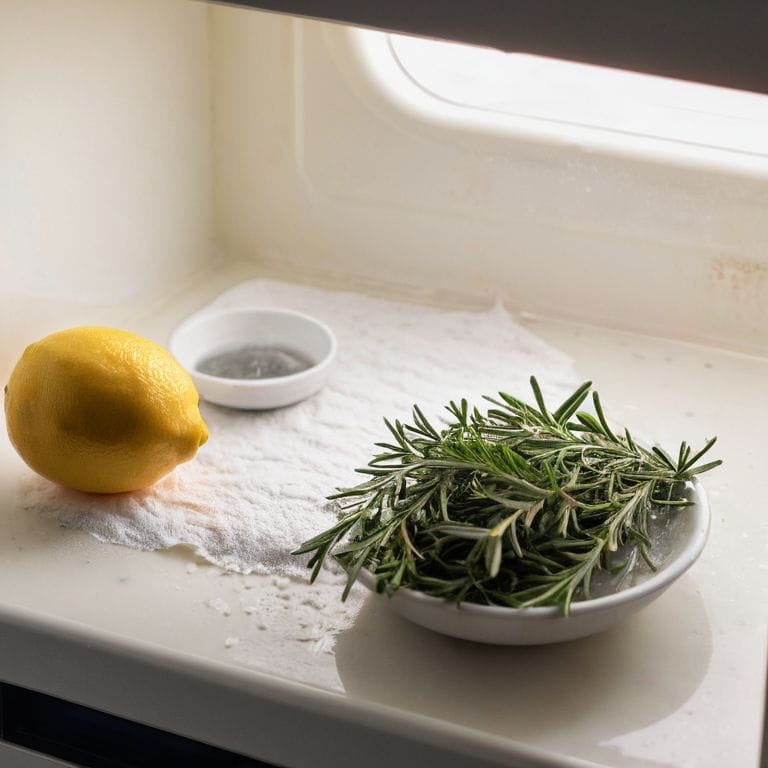
To take your microwave cleaning to the next level, consider incorporating natural microwave cleaners into your routine. I’ve found that using baking soda and water to create a paste is a great way to remove tough stains and eliminate odors. Simply apply the paste to the interior of the microwave, let it sit for a few minutes, and then wipe it down with a damp cloth.
Another technique I’ve found to be effective is microwave steam cleaning. By using a microwave-safe bowl of water and lemon juice, you can create a steamy environment that loosens food residue and makes it easy to wipe down the interior. This method is not only easy, but it’s also a great way to remove microwave odors and leave your microwave smelling fresh.
For those tough, hard-to-reach areas, I recommend using a long-handled brush or a flexible scrubber to get into the corners and crevices of the microwave. This will help ensure that you’re getting a thorough clean and preventing the buildup of bacteria and other microorganisms. By combining these techniques with the main guide, you’ll be well on your way to achieving microwave cleaning mastery.
Easy Steam Cleaning for Odor Removal
To take your microwave cleaning to the next level, I recommend incorporating easy steam cleaning for odor removal. This technique is a staple in my own tiny kitchen, where every trick counts. By using a microwave-safe bowl of water and a slice of lemon, you can create a steamy environment that loosens up tough food residue and eliminates lingering odors.
I’ve found that this method is not only effective but also remarkably simple. Just microwave the water and lemon mixture for a few minutes, then let it stand for a bit before wiping down the interior. The result is a fresher, cleaner microwave with minimal effort – a perfect example of workflow optimization in action.
Natural Microwave Cleaners With Baking Soda
When it comes to natural microwave cleaners, I’m a big fan of baking soda. This miracle worker is a staple in my tiny kitchen, and for good reason. Not only is it non-toxic and eco-friendly, but it’s also incredibly effective at absorbing tough odors and stains. To give it a try, simply mix 1-2 tablespoons of baking soda with a small amount of water to form a paste.
Apply this paste to the interior of your microwave and let it sit for 5-10 minutes. The baking soda will work its magic, breaking down any tough grime and leaving your microwave smelling fresh and clean. Then, simply wipe down the surfaces with a damp cloth and you’re good to go! It’s a simple, yet powerful technique that’s perfect for maintaining your microwave’s cleanliness and keeping it in top working order.
5 Essential Tips for a Spotless Microwave
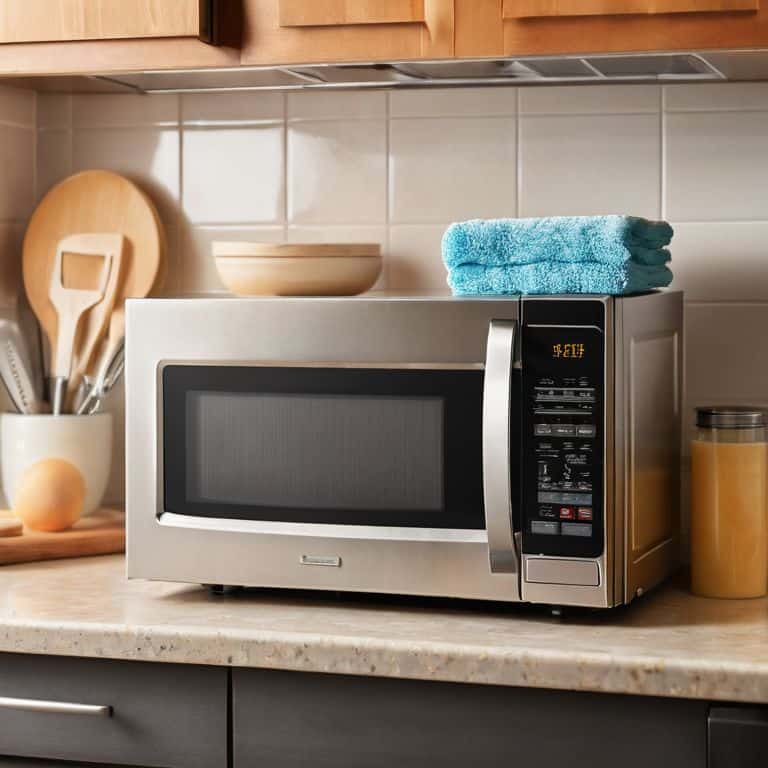
- Regularly wipe down the microwave’s interior with a damp cloth to prevent food residue buildup
- Use a turntable-safe cleaning solution to avoid damaging the glass plate
- Don’t forget to clean the microwave’s exterior, including the door handles and control panel, to prevent grease and grime accumulation
- Implement a ‘clean as you go’ approach by wiping down the microwave after each use to prevent stubborn stains
- Descale your microwave’s interior every 3-6 months to remove mineral deposits and maintain its efficiency
Key Takeaways for a Spotless Microwave
By applying a systems-based approach to microwave cleaning, you can efficiently remove food residue and odors, making the process less of a chore and more of a science-backed routine
Natural cleaners like baking soda and lemon juice can be just as effective as commercial products, and when combined with steam cleaning, they offer a powerful method for eliminating tough stains and lingering smells
Implementing a regular cleaning schedule, such as cleaning after every use or at the end of each day, can significantly reduce the time and effort required for deeper cleans, making microwave maintenance a seamless part of your daily workflow
Microwave Wisdom
The best way to clean a microwave isn’t about the cleaner, it’s about the workflow – by optimizing the cleaning process, you can turn a tedious chore into a seamless part of your kitchen routine.
Leo Vance
Conclusion: Mastering the Art of Microwave Cleaning
In conclusion, the best way to clean a microwave involves a combination of natural cleaners, such as baking soda and lemon juice, and easy steam cleaning methods. By following the step-by-step guide outlined in this article, you’ll be able to remove tough stains, eliminate odors, and leave your microwave sparkling like new. Remember to always prioritize safety when cleaning your microwave, and take advantage of the time-saving tips and tricks provided to make the process as efficient as possible. Whether you’re a busy professional or an avid home cook, a clean microwave is essential for maintaining a healthy and convenient kitchen.
As you put these techniques into practice, keep in mind that microwave mastery is not just about cleaning – it’s about optimizing your workflow and making the most of your kitchen space. By applying the principles of efficiency and systems-based design, you can transform your tiny kitchen into a powerhouse of productivity, and make cooking and cleaning a breeze. So go ahead, take the first step towards microwave mastery, and discover a cleaner, more efficient, and more enjoyable cooking experience.
Frequently Asked Questions
Can I use other types of citrus fruits instead of lemon juice for steam cleaning?
Absolutely, you can experiment with other citrus fruits like lime or orange juice for steam cleaning. I’ve found that lime juice works particularly well, as it’s slightly more acidic than lemon juice, making it a great alternative for tackling tough odors and grime. Give it a try and see what works best for you!
How often should I clean my microwave to prevent the buildup of tough stains and odors?
To prevent tough stains and odors, I recommend cleaning your microwave every 1-3 uses, or at least once a week. This workflow optimization technique helps maintain a clean and fresh environment, making future cleaning tasks easier and more efficient. Trust me, a little maintenance goes a long way in preventing pesky buildup!
Are there any specific safety precautions I should take when using baking soda or water to clean my microwave?
When using baking soda or water to clean your microwave, be cautious of the mixture’s potential to splash or spill, causing burns. Avoid using metal utensils, as they can spark. Also, never leave the microwave unattended while it’s in use, especially with water or baking soda inside. Keep the area well-ventilated to prevent inhaling any lingering fumes or particles.