I still remember the day I moved into my tiny city apartment, and my kitchen was suddenly reduced to a fraction of its former size. As I was unpacking my cookware, I stumbled upon the age-old question: what is a santoku knife and do you need one? It’s a query that has sparked debates among home cooks and professional chefs alike. But let’s be real, in a world where kitchen gadgets seem to multiply overnight, do we really need another specialized knife taking up precious counter space?
As someone who’s passionate about minimalist cooking, I’m here to give you the lowdown on the santoku knife. In this article, I’ll share my honest, experience-based opinion on whether this Japanese knife is a game-changer or just another unnecessary addition to your kitchen arsenal. I’ll cut through the hype and provide you with a no-nonsense review of the santoku knife’s pros and cons, so you can decide for yourself if it’s worth clearing out a spot for it in your tiny kitchen. My goal is to help you make informed decisions about the tools you need, and more importantly, the ones you can live without.
Table of Contents
What Is a Santoku Knife
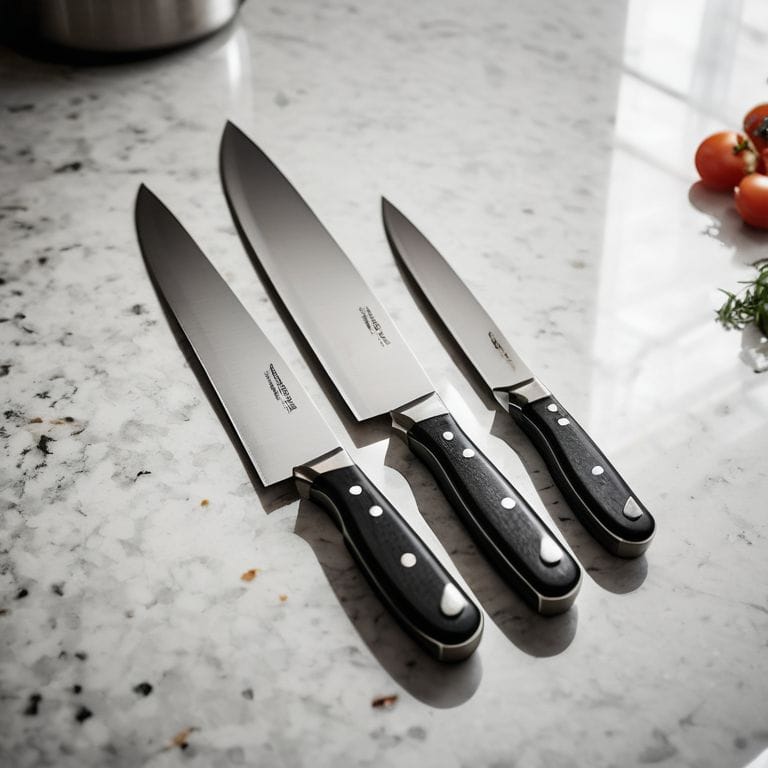
So, what makes a santoku knife so special? In essence, it’s a Japanese-style knife that’s designed for precision and versatility. When comparing santoku knife vs chef knife, the main difference lies in their shape and size. Santoku knives are typically shorter and more compact, with a straighter edge, making them perfect for smaller kitchens where counter space is limited.
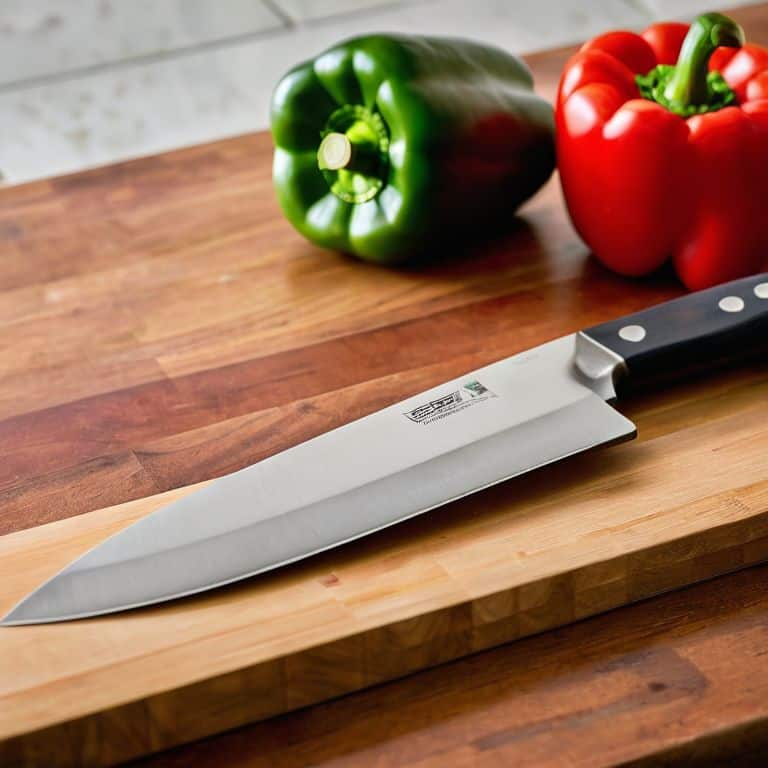
The best uses for a santoku knife include slicing, dicing, and mincing vegetables, as well as cutting meat and fish. Its sharpness and maintenance are also noteworthy, as a well-maintained santoku knife can make food preparation a breeze. I’ve found that investing in a good santoku knife can save time and effort in the long run, especially when it comes to tasks like chopping onions or bell peppers.
When it comes to choosing the right santoku knife material, there are several options available, including stainless steel, carbon steel, and ceramic. As someone who’s passionate about minimalist design, I appreciate the simplicity and elegance of a well-crafted santoku knife. By understanding the santoku knife history and origins, you can appreciate the craftsmanship and attention to detail that goes into creating these exceptional knives.
Origins and History of Santoku Knives
The story of the santoku knife begins in Japan, where it was crafted as a versatile tool for home cooks. Its name, “santoku,” roughly translates to “three virtues,” which refers to the knife’s ability to slice, dice, and mince with ease.
In terms of historical significance, the santoku knife has its roots in traditional Japanese cuisine, where it was used for preparing intricate dishes. Over time, its design has evolved to incorporate elements from Western-style knives, resulting in the modern santoku knives we see today.
Santoku vs Chef Knife the Sharp Truth
When it comes to choosing between a santoku and a chef knife, the decision often comes down to personal preference. However, precision cutting is a key factor to consider. A santoku knife is designed for smooth, even cuts, making it ideal for slicing and dicing vegetables.
In contrast, a chef knife is often more versatile, but may not offer the same level of ease of use as a santoku. If you’re looking for a knife that can handle a variety of tasks, a chef knife might be the better choice.
Do You Need a Santoku Knife
When considering whether a santoku knife deserves a spot in your tiny kitchen, it’s essential to think about your cooking habits and the types of dishes you prepare regularly. Santoku knife vs chef knife is a common debate, but the truth is, both have their unique strengths. If you’re someone who cooks a lot of vegetables, meat, and seafood, a santoku knife might be a valuable addition to your arsenal. Its sharpness and maintenance are crucial factors to consider, as a well-maintained santoku knife can make food preparation a breeze.
However, if you’re a beginner, it’s crucial to learn the proper santoku knife techniques to get the most out of your knife. This includes understanding the correct cutting motions and how to apply the right amount of pressure. Choosing the right material for your santoku knife is also vital, as it can affect the knife’s durability and performance. With proper care and technique, a santoku knife can become an indispensable tool in your kitchen.
In the end, whether or not you need a santoku knife comes down to your personal cooking style and preferences. If you value the unique benefits it offers, such as its ability to slice and dice ingredients with ease, then it might be worth investing in one. By considering your specific needs and the best uses for a santoku knife, you can make an informed decision that will help you create delicious meals while also maintaining a clutter-free kitchen.
Best Uses for a Santoku Knife Revealed
When it comes to using a santoku knife, I’ve found that it excels at precision chopping. This is especially useful for smaller ingredients like herbs or garlic, where a larger chef’s knife might be too cumbersome. In my own tiny kitchen, I appreciate the santoku’s ability to make quick work of these tasks without taking up too much space.
For larger ingredients, the santoku knife is perfect for thin slicing, allowing you to create uniform pieces with ease. This is great for preparing vegetables like cucumbers or carrots, and can even be used for slicing meat or fish.
Choosing the Right Material for Your Santoku
When it comes to choosing a santoku knife, the material is a crucial factor to consider. I always look for knives made from high-carbon stainless steel, as it offers a great balance between durability and resistance to corrosion. This type of material can withstand the rigors of daily use and maintain its sharpness over time.
In my experience, a well-crafted santoku knife with a full-tang construction is essential for optimal performance and safety. This design ensures that the blade is securely attached to the handle, reducing the risk of accidents and making it easier to maneuver in tight kitchen spaces.
The Santoku Scoop: 5 Key Tips to Help You Decide
- Measure your kitchen counter space before investing in a santoku knife to ensure it’s worth the real estate
- Consider the types of dishes you cook most often – if you’re a stir-fry fanatic, a santoku might be a worthwhile addition
- Don’t fall for the marketing hype: a santoku knife is not a replacement for a chef’s knife, but rather a complementary tool
- Think about the maintenance requirements of a santoku knife – are you willing and able to regularly sharpen and care for it?
- Ask yourself if a santoku knife’s unique benefits, such as its straight edge and balanced design, will genuinely enhance your cooking experience
The Bottom Line: 3 Key Takeaways
I only need a santoku knife if I regularly cook Asian-inspired dishes or want a more precise knife for chopping vegetables and meat
A high-quality santoku knife can replace a chef’s knife for many tasks, but it’s not a must-have if I already have a trusted chef’s knife
When choosing a santoku knife, consider the material, sharpness, and ergonomics to ensure it’s a valuable addition to my tiny kitchen, not just another clutter-causing gadget
The Santoku Verdict
A santoku knife is not just a pretty face in your kitchen – it’s a purpose-driven tool that demands a clear understanding of its strengths and weaknesses before earning a spot in your limited counter space.
Clara Finch
The Santoku Verdict: Cutting Through the Clutter
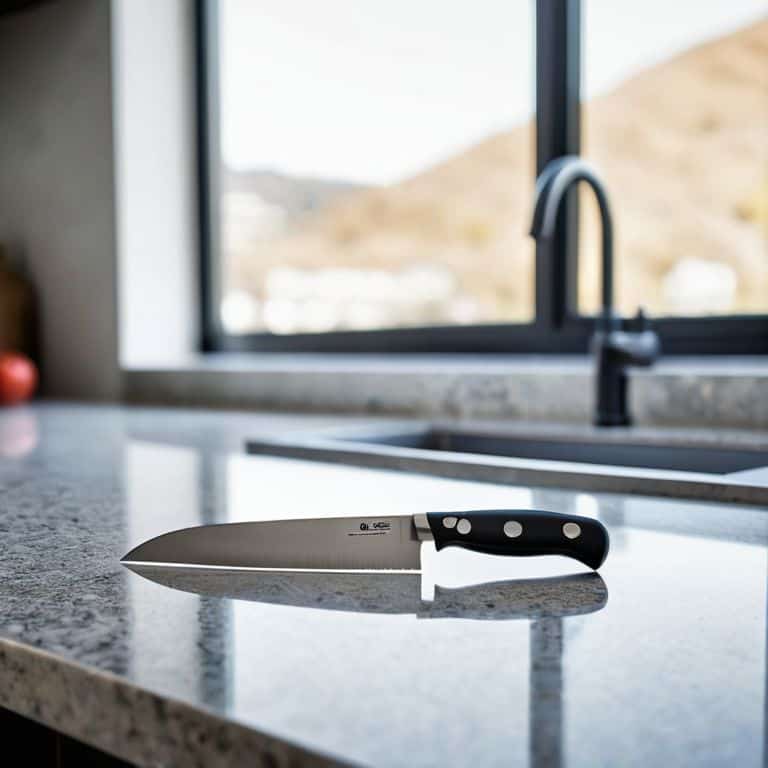
As I wrap up my take on the santoku knife, let’s recap the essentials: this Japanese wonder is a versatile tool with a rich history, designed for precision and ease of use. We’ve weighed its pros and cons against the trusty chef knife, explored its origins, and discussed the best materials to look for. Whether you’re a culinary newbie or a seasoned pro, it’s clear that a santoku knife can be a valuable addition to your kitchen arsenal – but only if you’re willing to make space for it. For those living in tiny kitchens like mine, every inch of counter space is a luxury, and each gadget must earn its keep.
So, as you consider whether a santoku knife deserves a spot in your kitchen, remember that less is often more. Don’t feel pressured to accumulate more gadgets or gear; instead, focus on finding multi-use heroes like the santoku that can help you cook, create, and thrive in even the coziest of spaces. By embracing this mindset, you’ll not only free up physical space but also mental energy – and that, my friends, is the greatest luxury of all.
Frequently Asked Questions
How does the shape and size of a santoku knife affect its usability in a small kitchen?
The shape and size of a santoku knife can be a game-changer in a small kitchen. Its shorter, straighter blade makes it easier to maneuver in tight spaces, and its lighter weight reduces clutter on your countertop. I’ve found that a 5-7 inch blade is the sweet spot for most tiny kitchens, providing ample chopping power without hogging precious storage space.
Can a santoku knife really replace my chef's knife for most tasks, or is it just a niche tool?
Honestly, a santoku knife can handle most chef’s knife tasks, but it’s not a direct replacement. It excels at slicing and chopping, but may struggle with heavy-duty chopping or precise cuts. For most tiny kitchens, it’s a great space-saving alternative, but if you’re a serious chef, you might still want a dedicated chef’s knife.
What are some common mistakes people make when using a santoku knife, and how can I avoid them?
To avoid common santoku knife mistakes, don’t press down too hard, as this can damage the blade. Also, never chop towards your body and always cut on a stable surface. I’ve seen friends ruin their knives by using them to scrape the board – a big no-no! Store it properly, too, to prevent accidental nicks.