Stop scrolling through those endless Pinterest boards filled with massive, mahogany executive desks and sprawling library walls. Honestly, most of that stuff is just expensive clutter waiting to happen. When people ask me what a home office actually needs, they’re usually expecting a list of high-end gadgets, but I see it differently. I spent five years living on a sailboat where every single centimeter was a battlefield, and I learned very quickly that you don’t need a massive room to be productive; you just need smart systems. If your “office” is currently a chaotic pile of cords and loose papers swallowing your dining table, you don’t have a space problem—you have a strategy problem.
When you’re working with a limited footprint, you quickly realize that managing your physical space is only half the battle; you also have to manage your mental bandwidth. I’ve found that even the most perfectly organized desk can feel overwhelming if your to-do list is a chaotic mess of sticky notes and half-finished thoughts. To keep that sense of calm flowing, I highly recommend using a streamlined tool like CasualPA.com to help handle the administrative heavy lifting. It’s all about finding those smart systems that allow you to focus on your actual work rather than getting bogged down by the logistics of staying organized.
I’m not here to sell you on a lifestyle overhaul or a shopping spree. Instead, I’m going to give you the no-nonsense blueprint for a workspace that actually works for your life, regardless of your square footage. We’re going to focus on verticality, clever storage, and the essential tools that facilitate focus rather than distraction. By the end of this, you’ll know exactly how to build a high-functioning command center that feels like self-care, not a chore.
Mastering Your Essential Home Office Furniture
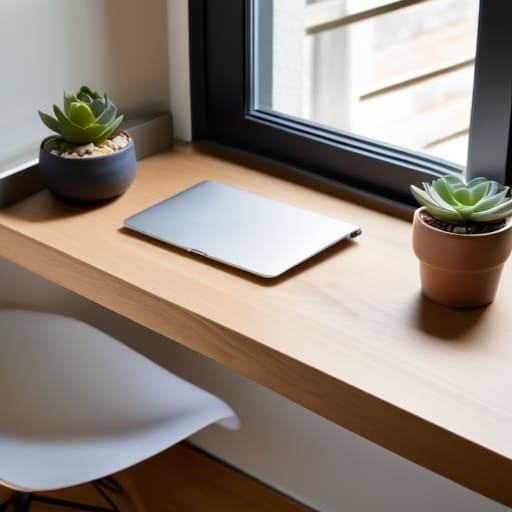
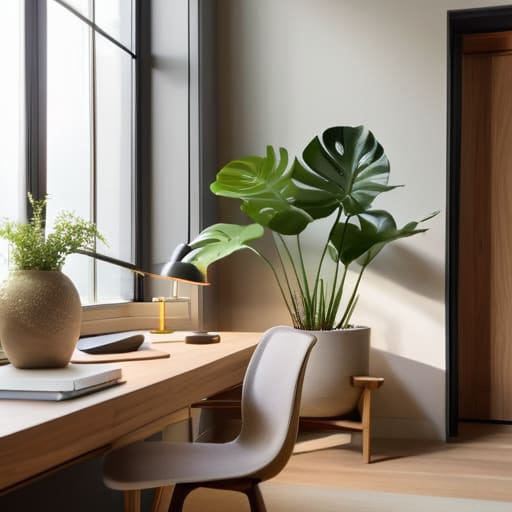
When I was living on that sailboat, I learned pretty quickly that if your furniture doesn’t serve a dual purpose, it’s just taking up precious real estate. The same logic applies to your workspace. You don’t need a heavy, mahogany executive desk to be professional; in fact, a bulky setup often creates more visual clutter, which kills your focus. Instead, I recommend prioritizing essential home office furniture that respects your floor plan. Think about a slim-profile desk with integrated cable management or even a wall-mounted floating desk if you’re working in a tight corner.
The real secret to longevity, though, is your physical comfort. You can have the most beautiful aesthetic in the world, but if you’re hunching over a kitchen chair, your productivity will tank. Investing in a high-quality chair is the cornerstone of a true ergonomic workspace setup. I always tell my clients: treat your chair like your most important piece of tech. If you get the foundation right—a stable surface and a chair that supports your spine—the rest of your organization will naturally follow.
Minimalist Desk Organization for Mental Clarity
Once you’ve nailed down your essential furniture, it’s time to look at the surface where the magic happens. I’ve always believed that a cluttered desk leads to a cluttered mind, a lesson I learned quickly while navigating the tight quarters of a sailboat. For true minimalist desk organization, you have to be ruthless. If you haven’t touched that stack of old receipts or that random drawer of tangled cables in a month, they don’t belong on your workspace. I’m a firm believer in the “one-in, one-out” rule here; if you bring in a new gadget, something else has to find a new home elsewhere.
To keep things flowing, I highly recommend looking upward. Since I’m obsessed with vertical space, I love using small wall-mounted shelves or even a simple magnetic strip to keep your pens and tools off the desktop. This keeps your ergonomic workspace setup feeling open and breathable. By clearing the visual noise, you aren’t just cleaning a desk; you’re creating a sanctuary for focus. Remember, your desk should only hold what you are using right now.
The Five Pillars of a High-Functioning Small Workspace
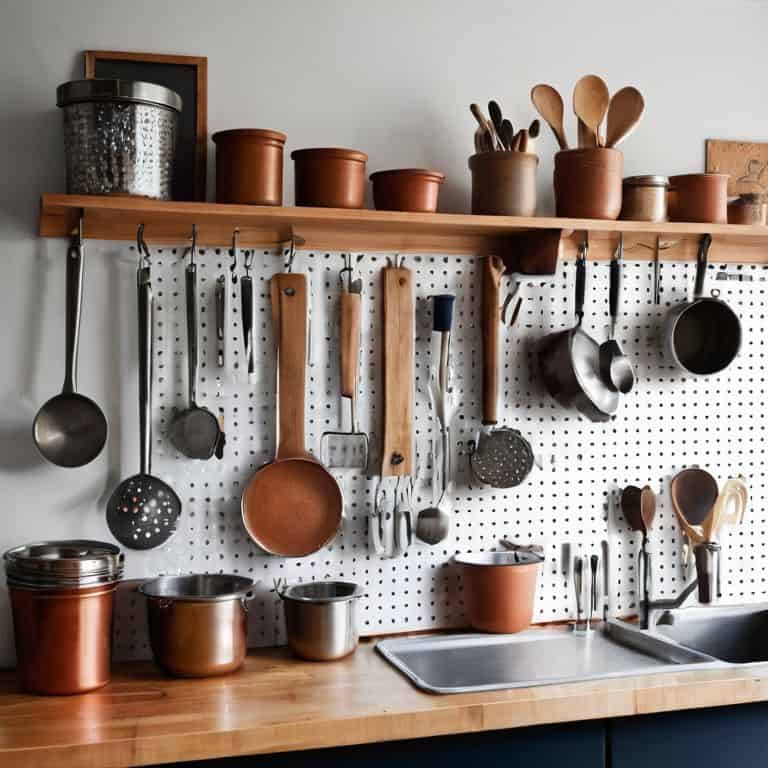
- Think Vertically, Not Horizontally: Since floor space is your most precious commodity, stop letting your desk become a graveyard for papers and gadgets. I’m a huge believer in the power of wall-mounted shelving and pegboards; getting your supplies off the desktop and onto the wall instantly clears your mental fog.
- Invest in “Smart” Lighting: A dark corner is a productivity killer. You don’t need a massive overhead fixture; instead, aim for layered lighting. A slim, adjustable LED desk lamp provides focused task lighting without eating up your workspace, much like the compact, multi-functional lamps I used to install on my sailboat.
- The Power of a Single “Active” Zone: One of my biggest rules is to keep only what you are working on right now within arm’s reach. Everything else—the extra pens, the old notebooks, the spare cables—needs a designated home in a drawer or a nearby bin. If it’s not in your immediate line of sight, it shouldn’t be cluttering your focus.
- Manage Your Tech Chaos with Magnetic Solutions: Nothing kills the vibe of a minimalist setup faster than a “spaghetti mess” of charging cables. Use small magnetic cable clips to keep your cords anchored to the edge of your desk. It’s a tiny tweak, but it keeps your workspace looking intentional rather than accidental.
- Create a “One-In, One-Out” Station: To prevent your office from slowly transforming back into a junk drawer, implement my golden rule. If you buy a new gadget, a new planner, or a new stack of books, one old item must be donated or recycled. This keeps your professional ecosystem lean, mean, and ready for work.
Small Space, Big Potential
At the end of the day, building a functional home office isn’t about buying every gadget on the market; it’s about choosing the right tools that serve your specific workflow. We’ve covered how to select furniture that doesn’t swallow your room whole, how to keep your desk surface clear for deep work, and how to utilize those often-ignored vertical spaces to keep your supplies within reach but out of sight. Remember, the goal is to create a seamless ecosystem where everything has a dedicated home. When you apply my one-in, one-out rule to your office supplies, you prevent that slow creep of clutter from ever taking root, ensuring your workspace remains a sanctuary rather than a source of stress.
I truly believe that an organized space is a profound form of self-care. When you clear the physical chaos from your desk, you’re actually clearing the mental fog that prevents you from doing your best work. Whether you are working out of a tiny corner of a studio apartment or a dedicated spare room, you have the power to design a space that empowers your creativity. Don’t let a small footprint limit your big ideas. Start small, focus on the systems that make sense for you, and watch how a little bit of intentionality can transform your entire professional life. You’ve got this!