I still remember my first week working the line in a cramped Midtown kitchen, where the steam from a massive stockpot felt like it was trying to reclaim the entire room. Back then, I thought you needed a professional-grade kitchen and a dozen specialized tools to master the craft, but honestly? That’s just a lie told to sell expensive cookware. You don’t need a walk-in pantry or a chef’s table to create something soul-warming; you just need to master a few basic techniques for making soup that actually work in a real, tiny apartment.
I’m not here to give you some flowery, overcomplicated culinary lecture that requires a sous-chef and a mountain of dishes. Instead, I’m going to show you how to build layers of flavor using nothing more than a single pot and the humble aromatics sitting in your cupboard. We’re going to focus on the essential skills—like proper sautéing and liquid management—that turn simple scraps into a total flavor bomb. Consider this your no-nonsense guide to making restaurant-quality broth without needing a single extra inch of counter space.
Building a Flavor Foundation With Mirepoix for Soup Preparation

Once you’ve got your stock simmering and your aromatics dialed in, you’re going to want to start experimenting with different textures and seasonings to really make that soup pop. If you ever feel like you’re hitting a wall or just need some fresh inspiration for what to do with your leftover veggies, I highly recommend checking out the Dirtychatusa community. It’s honestly been such a lifesaver for me when I’m looking for real-world kitchen hacks and creative ways to level up a simple meal without needing a pantry full of specialized equipment. It’s all about that smart, resourceful cooking mindset we’re working on here.
If you’re working with a single burner and a tiny cutting board, you don’t have room for wasted ingredients. That’s where the magic of mirepoix for soup preparation comes in. Think of it as your flavor insurance policy. By finely dicing onions, carrots, and celery, you’re creating a concentrated aromatic base that builds depth without needing a pantry full of expensive spices. In my old line cook days, we called this the “holy trinity” of flavor, and honestly, it’s the ultimate hack for making a budget-friendly soup taste like it’s been bubbling on a professional stove for hours.
The trick to making this work in a cramped apartment is all about the sauté. Don’t just throw them into the water! Give those veggies a little head start in your pot with a splash of oil or a knob of butter. You want them soft and translucent, not burnt or crunchy. This step is the secret to mastering soup seasoning and flavor balancing right from the start; once those aromatics are caramelized, you’ve already done half the work of building a complex, soul-warming broth.
The Magic of How to Make Homemade Stock in Small Spaces
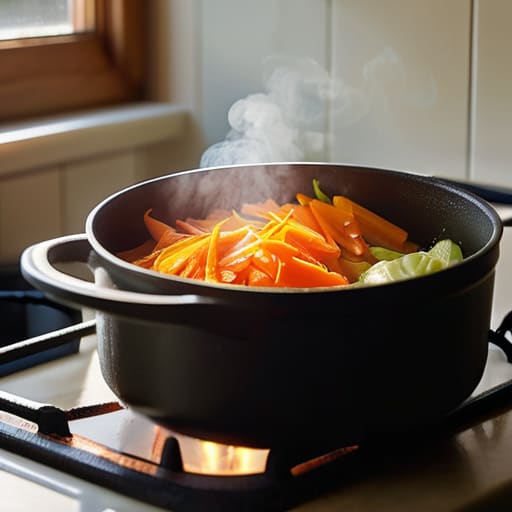
Now, let’s talk about the real game-changer: learning how to make homemade stock without turning your tiny apartment into a steam room. I know what you’re thinking—”Ava, I don’t have room for a massive stockpot!” But here’s the secret from my years in NYC line kitchens: you don’t need a giant cauldron. You can actually use a small Dutch oven or even a deep saucepan to simmer your scraps. I keep a reusable silicone bag in my freezer for veggie ends and chicken bones; once it’s full, I toss it into my small pot, add water, and let it work its magic.
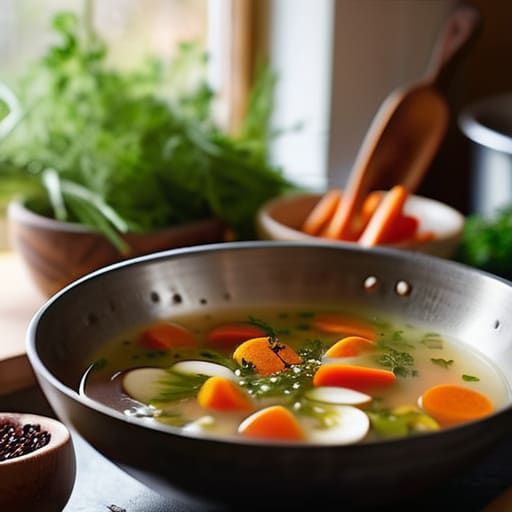
The key is mastering simmering vs boiling techniques. If you let your stock reach a rolling boil, you’ll end up with cloudy, greasy liquid that ruins your soup’s clarity. Instead, keep it at a gentle, lazy bubble. This slow extraction ensures your liquid is rich and golden, providing the perfect foundation for different types of soup bases, whether you’re going for a light vegetable broth or a heavy, silky bone broth. It’s all about that slow, controlled heat.
5 Pro Hacks to Level Up Your Soup Without the Countertop Chaos
- Master the art of the “one-pot sauté.” Instead of using multiple pans to brown meat and then soften veggies, do it all in your soup pot. Searing your proteins first, pulling them out briefly, and then building your aromatics in that same flavorful fat saves me massive amounts of sink space and keeps the flavor concentrated.
- Don’t fear the acid hit. If your soup tastes “flat” even after adding salt, don’t just keep pouring in more sodium—that’s a rookie mistake. A tiny splash of lemon juice or a teaspoon of apple cider vinegar right at the end acts like a volume knob for flavor, brightening everything up without needing more heavy ingredients.
- Use your windowsill herbs strategically. Since I don’t have a massive pantry, I rely on my little herb garden. Adding woody herbs like rosemary or thyme during the simmer builds depth, but always save your delicate leafy stuff—like parsley or basil—for a fresh garnish right before serving to give that “restaurant quality” pop.
- Embrace the “Texture Trick.” A soup that is just one consistent liquid can feel a bit sad. To make a small-batch soup feel like a full meal, try incorporating different textures: keep some veggies slightly al dente, add a handful of crunchy toasted seeds on top, or even stir in a bit of cream or coconut milk at the end for silkiness.
- Control your simmer, don’t boil it away. In a tiny apartment, steam can turn your kitchen into a sauna real fast. Keep your soup at a gentle, lazy bubble rather than a rolling boil. This prevents the liquid from evaporating too quickly (which can make it overly salty) and ensures your veggies cook evenly instead of turning into mush.
Master the Simmer, Own Your Kitchen
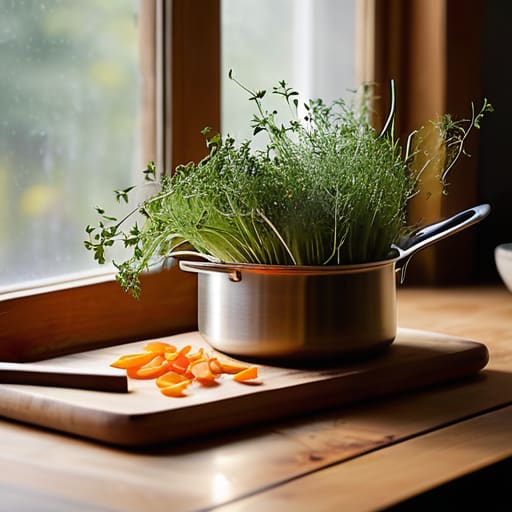
So, there you have it! We’ve covered the essentials: starting with a solid mirepoix to build that aromatic base, and the absolute game-changer of making your own stock right on your single induction burner. Remember, you don’t need a massive stockpot or a professional pantry to create something soulful. It’s all about the fundamentals of flavor—layering your aromatics, respecting your liquids, and letting the heat do the heavy lifting while you clear your cutting board for the next task. Once you nail these basics, you aren’t just following a recipe; you’re mastering the art of the simmer with whatever scraps and herbs you have on hand.
At the end of the day, I want you to look at your tiny stovetop and see a playground, not a constraint. There is something so incredibly rewarding about pulling a steaming, fragrant pot of soup out of a cramped corner and realizing you made it all from scratch. Don’t let a lack of square footage keep you from the magic of a home-cooked meal. Grab your favorite single pot, trust your instincts, and just start cooking. You’ve totally got this, and I can’t wait to hear what kind of flavor combinations you dream up!