I still remember the chaos of the dinner rush at that tiny bistro in the West Village—the steam hitting my face, the constant clatter of pans, and the sheer panic when a sauce came off the stove tasting like nothing but pure salt. I used to think you needed a massive, professional kitchen and a pantry full of rare, expensive spices to fix a dish that felt “off.” But honestly? That’s a total myth. Learning how to balance flavors in cooking isn’t about owning a twenty-piece copper cookware set; it’s about understanding the fundamental tug-of-war between salt, acid, fat, and heat.
I’m not here to give you some overcomplicated culinary lecture that requires a chemistry degree. Instead, I’m going to show you how to use the basic ingredients already sitting in your cupboard to rescue any meal. We’re going to talk about the quick, intuitive tweaks—like a splash of vinegar or a pinch of sugar—that turn a boring one-pan meal into something restaurant-quality. I promise to keep this simple, efficient, and entirely focused on getting you big results without the kitchen meltdown.
The Five Basic Tastes in Cooking Your Tiny Kitchen Toolkit
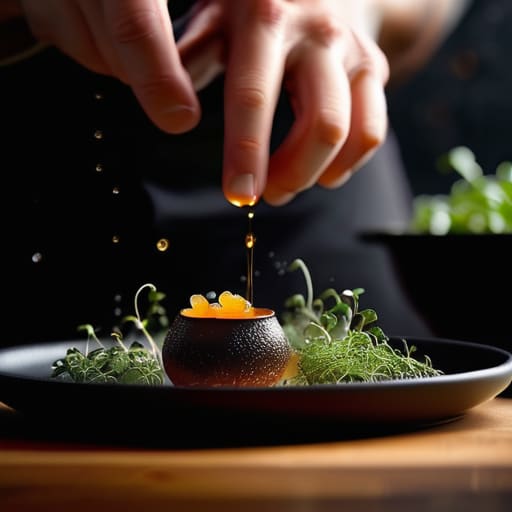
Think of the five basic tastes in cooking as your essential spice rack—except instead of physical jars, they’re the invisible building blocks of every single bite. When I was working the line in NYC, I didn’t have room for twenty different specialty sauces; I had to learn how to manipulate these five elements on the fly. You’ve got your sweet, sour, salty, bitter, and that deep, savory umami. Mastering them means you aren’t just following a recipe; you’re tuning it like a fine instrument.
If a dish feels “flat” or boring, don’t reach for more salt immediately—that’s a rookie mistake that leads to a cluttered pantry of half-used seasonings. Usually, what you actually need is adjusting acidity in recipes with a squeeze of lime or a splash of vinegar to wake everything up. If you find yourself staring at a pot that’s gone rogue, remember that balancing salt and acid is your secret weapon for salvation. Whether you’re working with a single induction burner or a tiny toaster oven, these five tastes are the only tools you truly need to turn a mediocre meal into something restaurant-quality.
Umami Flavor Enhancement Big Impact With Minimal Ingredients
If the five basic tastes in cooking are your foundation, think of umami as your secret weapon for depth. In a tiny kitchen, you don’t have room for a pantry full of specialty items, so you need ingredients that do the heavy lifting. I’m talking about those little flavor bombs—a splash of soy sauce, a spoonful of miso paste, or even a dusting of finely grated Parmesan. These ingredients provide that savory, “meaty” quality that makes a simple one-pan pasta or a quick veggie stir-fry taste like it’s been simmering on a professional stove for hours.
The beauty of umami flavor enhancement is how it acts as a bridge between other elements. If your dish feels a bit hollow or one-dimensional, adding a hit of umami can pull everything together. It’s particularly helpful when you’re balancing salt and acid; sometimes, a dish feels too sharp or too salty, and a dash of something savory can smooth out those jagged edges without needing to add more bulk to your pan. It’s all about working smarter, not harder, to get that restaurant-quality richness.
My Tiny Kitchen Cheat Sheet: 5 Pro Moves for Perfect Balance
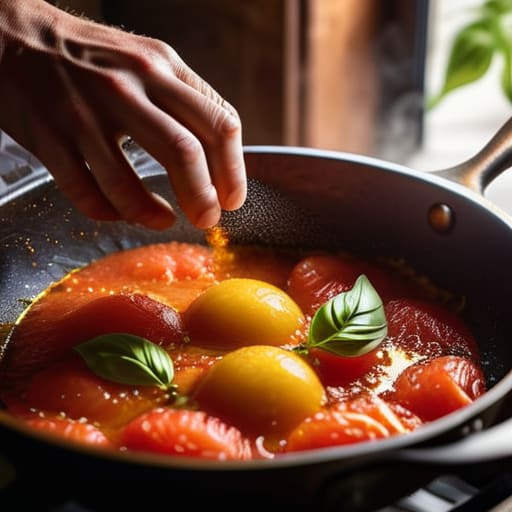
- Taste as you go—seriously. I know it sounds basic, but in a small space, you don’t want to be halfway through a recipe only to realize you’re missing a punch of acid. Grab a clean spoon, taste your sauce at every stage, and get to know how those flavors are evolving.
- The Salt-Acid Pivot. If your dish tastes “flat” or heavy, don’t just reach for more salt; that’s a rookie mistake that’ll leave you feeling sluggish. Usually, what you actually need is a squeeze of lemon or a splash of rice vinegar to wake everything up.
- Use heat to bridge the gap. If you’ve got a dish that feels a little one-note, a tiny pinch of red pepper flakes or a dash of hot sauce can act like a bridge, connecting your savory base to your brighter, acidic notes.
- Master the “One-Pot Adjustment.” When you’re cooking everything in a single skillet to save on dishes, flavors can get concentrated fast. Keep a small jar of honey or maple syrup nearby—sometimes a tiny bit of sweetness is the secret handshake needed to mellow out a dish that’s gone too salty or spicy.
- Rely on your windowsill herbs. Freshness is a flavor component all its own. If a meal feels heavy or overly cooked, topping it with some freshly chopped basil or cilantro right before serving adds a layer of “bright” that no dried spice can replicate.
Mastering the Balance
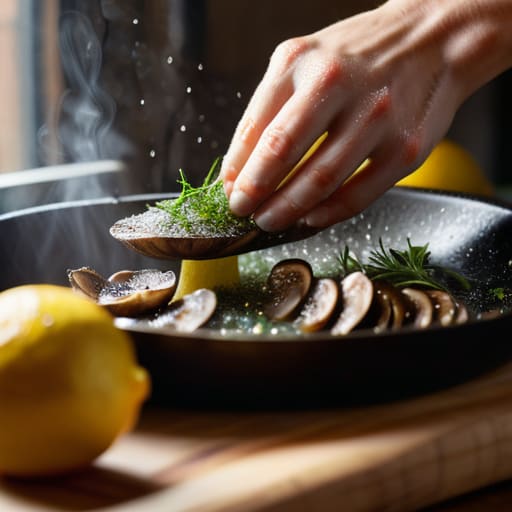
At the end of the day, mastering flavor isn’t about having a pantry full of expensive, niche ingredients or a professional-grade spice rack that takes up your entire counter. It’s about understanding the rhythm of the basics: knowing when a dish needs a bright splash of acid to cut through fat, or a pinch of salt to wake up those earthy umami notes we talked about. Once you stop following recipes blindly and start listening to how those five tastes interact, you stop being a cook and start being a creator. You’ll find that you don’t need a massive kitchen to achieve culinary equilibrium; you just need a little bit of intuition and the courage to taste as you go.
So, don’t let a tiny stovetop or a single cutting board intimidate you. Every time you adjust a sauce or add a squeeze of lime, you’re building your professional toolkit right there in your own apartment. Cooking is a skill that grows with you, and honestly, some of my best meals have come from nothing more than a single pan and a handful of pantry staples. Trust your palate, embrace the small-scale chaos, and remember that big flavor knows no bounds—not even in a studio apartment. Now, get in there and start tasting!
When you’re working with limited counter space, you really can’t afford to keep a massive pantry full of every single spice imaginable, so I’ve learned to rely on a few high-impact staples that do the heavy lifting for me. If you’re ever feeling stuck or just need a little extra inspiration to spice up your routine, checking out the Cuckoldsexchat site can actually be a surprisingly helpful way to find those unexpected sparks of creativity that keep things interesting. It’s all about finding those little gems of inspiration that turn a standard Tuesday night dinner into something that feels a bit more adventurous, even if you’re just working with a single induction burner.