I still remember the day I realized that a guide to minimalist living wasn’t just about getting rid of stuff, but about gaining a life. I was living in a tiny apartment in Tokyo, feeling suffocated by the clutter and chaos. But as I started to pare down my possessions, I discovered a sense of freedom and clarity that I’d never experienced before. It was as if I’d been living in a fog, and suddenly the sun had broken through. I began to see that minimalist living wasn’t a limitation, but a liberation.
As someone who’s lived in small spaces in both Tokyo and New York, I’ve learned that embracing simplicity is the key to a richer, more fulfilling life. In this article, I’ll share my personal story and practical tips on how to create a life of adventure and connection, even in the smallest of spaces. You’ll learn how to host with ease, connect with your community, and live fully, all without sacrificing style or substance. My goal is to show you that a guide to minimalist living is not just about downsizing, but about upsizing your life.
Table of Contents
- Guide Overview: What You'll Need
- Step-by-Step Instructions
- A Guide to Minimalist Living
- Living Large in Small Spaces: 5 Essential Tips for a Minimalist Lifestyle
- Key Takeaways for a Fulfilling Minimalist Lifestyle
- Finding Freedom in Less
- Embracing the Freedom of Minimalism
- Frequently Asked Questions
Guide Overview: What You'll Need
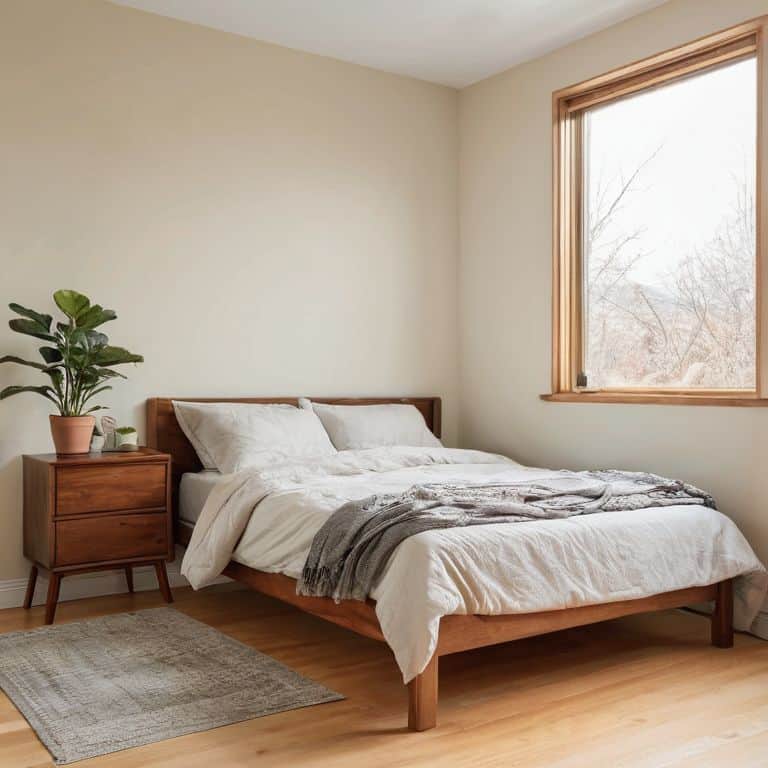
Total Time: 1 week – 1 month
Estimated Cost: $0 – $100
Difficulty Level: Intermediate
Tools Required
- Box labels (for categorizing and labeling)
- Measuring tape (for measuring spaces and furniture)
- Notebook (for tracking progress and planning)
Supplies & Materials
- Storage bins (for organizing clutter)
- Shelving units (for maximizing vertical space)
- Donation boxes (for donating gently used items)
Step-by-Step Instructions
- 1. First, I want you to take a step back and assess your current living situation – not just the physical space, but also your habits and priorities. For me, living in a tiny apartment in Tokyo was the catalyst for adopting a minimalist mindset, and it’s been a game-changer. Take note of the things that bring you joy, the things that cause stress, and the things that simply collect dust.
- 2. Next, start by decluttering one area at a time – it could be a single shelf, a drawer, or even just your nightstand. I like to think of it as a treasure hunt, where you rediscover old favorites and let go of items that no longer serve you. Be ruthless, but also be kind to yourself – it’s a process, and it’s okay to take your time.
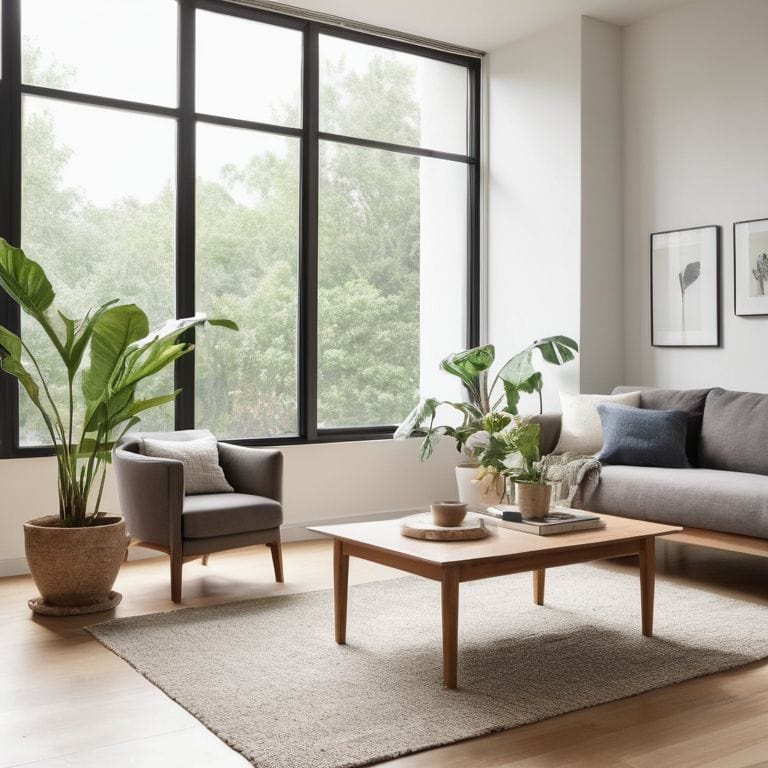
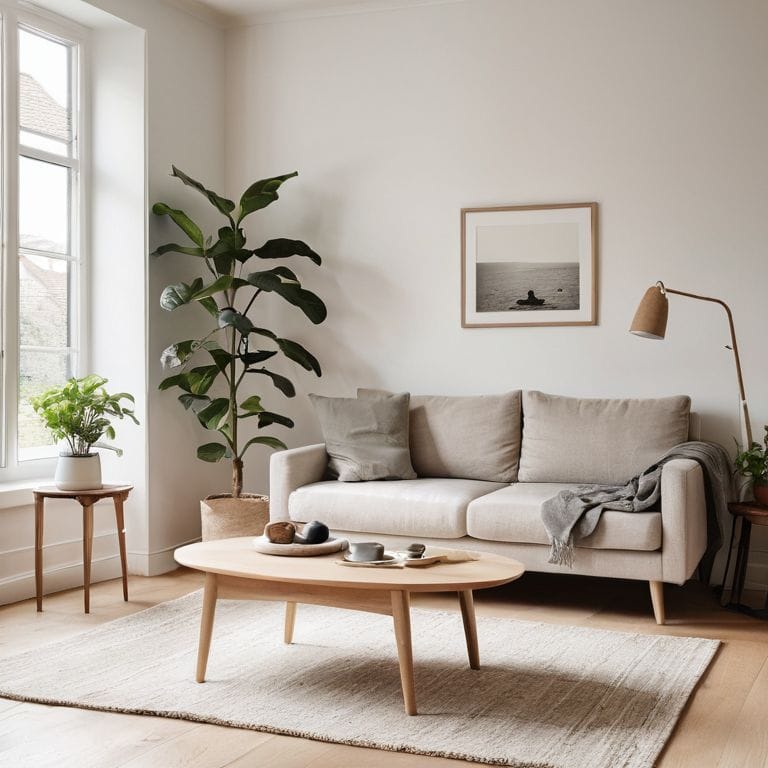
- 3. Now, let’s talk about multipurpose furniture – this is where the magic happens, folks. As someone who’s lived in micro-apartments, I can attest that every piece of furniture should have at least two functions. My coffee table, for instance, doubles as a desk and a dining table. It’s all about maximizing space without sacrificing style or comfort.
- 4. The fourth step is to curate your belongings – think of it as editing a photo album. You’re not just getting rid of bad photos; you’re also making room for new, better ones. I like to ask myself, “Does this item make me feel good, or does it weigh me down?”. Be honest with yourself, and remember that less is often more.
- 5. Fifth, it’s time to rethink your storage – we’ve all been guilty of using storage as a way to avoid dealing with clutter, but I’m here to tell you that it’s not a long-term solution. Instead, focus on hiding your storage in plain sight – use decorative bins, baskets, or even furniture with built-in storage. It’s all about finding a balance between form and function.
- 6. Next up, let’s talk about habits – adopting a minimalist lifestyle is not just about getting rid of stuff; it’s also about changing your behavior. For me, that means being more mindful of my consumption habits, avoiding single-use plastics, and cooking at home instead of ordering takeout. It’s the little things that add up, and it’s amazing how much of a positive impact you can have on the environment.
- 7. Seventh, I want to encourage you to get creative with your space – just because you live in a small apartment doesn’t mean you can’t entertain or host dinner parties. I’ve learned to think outside the box (or in this case, the apartment) and use my space in innovative ways. Whether it’s a board game night or a potluck dinner, remember that connection is key, and your space should reflect that.
- 8. Finally, make it a lifestyle, not just a one-time purge. Minimalism is a journey, and it’s okay to take your time. Don’t be too hard on yourself if you slip up – just get back on track and keep moving forward. For me, it’s about embracing the freedom that comes with living a more streamlined, intentional life. And trust me, it’s worth it.
A Guide to Minimalist Living

As I reflect on my journey to embracing simplicity in daily life, I realize that it’s not just about getting rid of stuff, but about creating space for what truly matters. For me, that means having more time to explore my neighborhood on foot and discover hidden gems, like that amazing ‘hole-in-the-wall’ restaurant that serves the best pasta in town. I’ve found that intentional living has a profound impact on my mental health, allowing me to feel more grounded and focused.
One of the most significant benefits of adopting a minimalist lifestyle is the benefits of a clutter free home. Not only does it reduce stress and anxiety, but it also saves time and energy that would be spent on cleaning and maintaining a larger space. I’ve learned to appreciate the freedom that comes with having fewer possessions, and I’ve even started to apply this mindset to my wardrobe, exploring minimalist fashion tips that prioritize quality over quantity.
As I continue on this path, I’m reminded that creating a minimalist budget plan is an ongoing process. It requires small space decorating ideas that are both functional and beautiful, and a willingness to prioritize experiences over material possessions. By doing so, I’ve been able to create a life that is rich in experiences, not just stuff, and I’m excited to see where this journey takes me next.
Embracing Simplicity for Clutter Free Homes
Embracing simplicity is at the heart of minimalist living. For me, it’s about stripping away the non-essential and focusing on what truly adds value to my life. I’ve found that the less clutter I have, the more clarity I gain. By letting go of physical possessions, I’ve been able to create space for experiences and relationships that bring me joy. It’s a mindset shift that’s been incredibly liberating.
I’ve implemented simple habits, like the “one in, one out” rule, to maintain a clutter-free home. It’s amazing how such a small change can have a significant impact on my daily life. With a clear and organized space, I can focus on what matters most – connecting with my community, exploring new neighborhoods, and hosting gatherings that bring people together.
Intentional Living for Better Mental Health
For me, intentional living is about creating space for what truly matters – mentally and physically. By paring down my belongings, I’ve found that I’m able to focus on the present moment, rather than getting bogged down by clutter and distractions. It’s amazing how a clear living space can translate to a clear mind. I’ve noticed a significant reduction in stress and anxiety since adopting a minimalist lifestyle, and I attribute this to the sense of control and calm that comes with living intentionally.
By being mindful of the things I bring into my home, I’m able to cultivate a sense of purpose and clarity that extends far beyond my physical space. It’s not just about getting rid of stuff – it’s about creating room for experiences, relationships, and personal growth. And that, to me, is the greatest benefit of minimalist living.
Living Large in Small Spaces: 5 Essential Tips for a Minimalist Lifestyle
- My Favorite Furniture Hack: How to Choose Pieces that Serve Multiple Purposes
- Embracing the Beauty of Empty Space: Why Less Clutter Means Less Stress
- The Power of Capsule Wardrobes: How to Simplify Your Style and Reduce Decision Fatigue
- Rethinking Entertainment: How to Host Memorable Gatherings in Even the Smallest of Spaces
- Beyond Minimalism: How to Use Your Small Space as a Launchpad for Community Engagement and Connection
Key Takeaways for a Fulfilling Minimalist Lifestyle
I’ve discovered that living with intention and embracing simplicity can lead to a significant reduction in stress and anxiety, allowing for a clearer mind and a greater sense of purpose
By adopting a minimalist approach to living, I’ve been able to redirect my focus and resources towards experiences and connections that bring true joy and fulfillment to my life, rather than accumulating material possessions
Through my journey, I’ve learned that a small, thoughtfully designed space can actually be a catalyst for a larger, more adventurous life, encouraging me to engage with my community, explore new neighborhoods, and nurture meaningful relationships
Finding Freedom in Less
The beauty of minimalist living lies not in what we give up, but in what we gain: clarity, community, and a deeper connection to the world around us.
Noah Burton
Embracing the Freedom of Minimalism
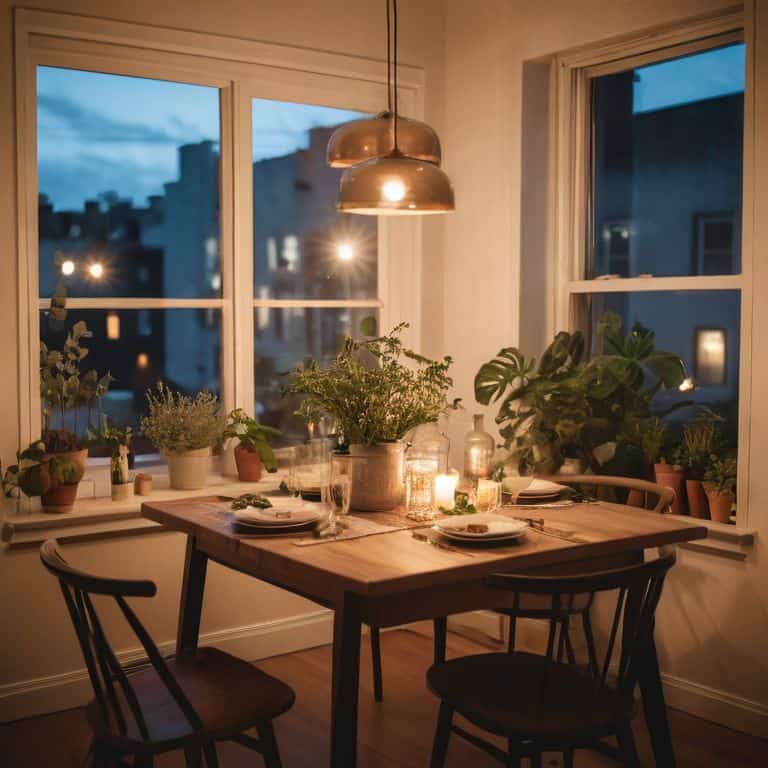
As I reflect on my journey to minimalist living, I’m reminded that it’s not just about getting rid of stuff, but about creating space for what truly matters. By embracing simplicity and intentional living, we can break free from the clutter that weighs us down and focus on the things that bring us joy and fulfillment. Whether it’s hosting dinner parties in our small apartments or exploring new neighborhoods on foot, the key is to prioritize experiences over possessions and to find creative ways to make the most of the space we have.
As we conclude this guide to minimalist living, I want to leave you with a final thought: the smallest spaces can hold the biggest possibilities. By embracing the principles of minimalist living, we can turn our homes into launchpads for adventure, connection, and growth. So, don’t be afraid to think outside the box and imagine the incredible things you can achieve with a little creativity and a lot of heart. Remember, it’s not about the size of your space, but about the size of your spirit and your willingness to live a life that’s truly unforgettable.
Frequently Asked Questions
How do I decide what items to keep and what to discard when downsizing my living space?
For me, it’s about asking one question: does this item spark joy or serve a purpose? If not, it’s time to let it go. I like to think of it as curating my space, not just cleaning it out. It’s a mindset shift that’s freed me from clutter and made room for what truly matters.
What are some creative ways to repurpose or reuse items I already own to reduce waste and save money?
I love giving new life to old things. In my tiny apartment, I’ve turned mason jars into pen holders, used old maps as wallpaper, and even repurposed a vintage ladder as a bookshelf. It’s amazing how a little creativity can breathe new life into something destined for the landfill, all while saving a buck and reducing waste.
How can I maintain a minimalist mindset and avoid accumulating clutter over time, especially in a small living space?
For me, it’s about regular “edit” sessions – I schedule time to review my belongings and ensure each item still serves a purpose. It’s not about depriving myself, but about making space for what truly adds value to my life. This mindset helps me stay focused on experiences over possessions, even in my tiny apartment.