Most people approach indoor gardening like they’re trying to follow a recipe without understanding the chemistry of the ingredients; they buy a lush, expensive Monstera and then wonder why it dies three weeks later. They get bogged down in “mystical” plant vibes or spend a fortune on specialized “growth serums” that are essentially just overpriced water. Honestly, if you’re looking for a magical cure-all, you’re in the wrong place. I don’t care about the aesthetic hype; I care about the input-output ratio. Most people fail because they treat plants like static decor rather than living, biological systems that require precise environmental calibration. This isn’t a hobby for the flighty; it’s a project in resource management.
In this beginner guide to indoor plant care, I’m stripping away the fluff and treating your windowsill like a high-performance workstation. We aren’t going to guess; we are going to engineer a stable environment by optimizing your light levels, hydration cycles, and substrate composition. I’m going to show you how to build a fail-safe ecosystem that thrives on logic rather than luck. By the time we’re done, you won’t just be “growing plants”—you’ll be managing a highly efficient, living biological system right in your own home.
Selecting Low Light Houseplants for Beginners
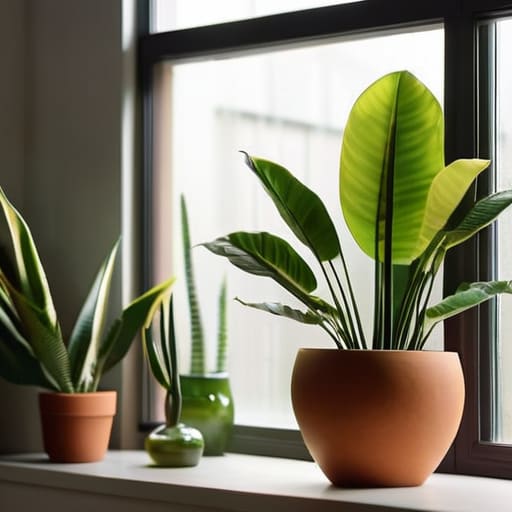
When you’re designing a living system for a space with limited solar input, you can’t just pick plants based on aesthetics; you have to match the biological requirements to your specific environmental constraints. Think of this as a hardware compatibility test. If your apartment doesn’t have large, south-facing windows, you need to select low light houseplants for beginners that have evolved to survive on the forest floor. Species like the Zamioculcas zamiifolia (ZZ Plant) or Sansevieria (Snake Plant) are essentially the “industrial grade” components of the botanical world—they are incredibly resilient to fluctuations in light and moisture.
Once you’ve selected your “hardware,” the next step is optimizing the substrate. I always recommend investing in a high-quality, well-draining mix, as finding the best potting soil for houseplants is critical to preventing root rot in low-light conditions. In these dimmer environments, evaporation rates drop significantly, meaning your moisture management system needs to be much more precise to avoid system failure. If you treat your plant selection like a calculated engineering deployment, you’ll find that even the dimmest corner can become a highly efficient, green workspace.
Engineering the Best Potting Soil for Houseplants
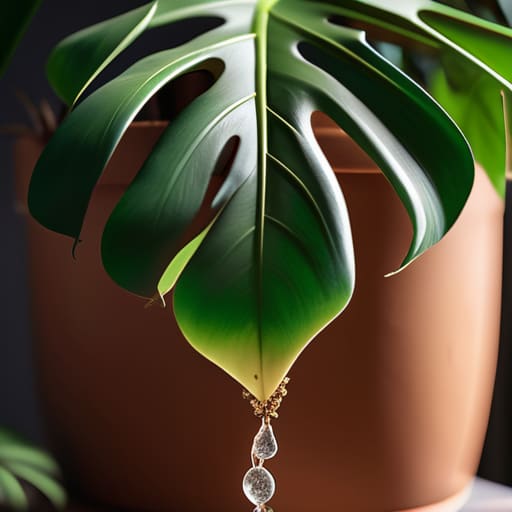
Most people treat soil like a static substrate, but I view it as a dynamic medium—a life-support system that dictates your entire maintenance workflow. If you’re working with low light houseplants for beginners, your margin for error is slim. In low-light environments, evaporation rates drop significantly, meaning moisture lingers in the root zone far longer than it would in a high-output sunroom. If your medium is too dense, you’re essentially creating a stagnant reservoir that invites root rot, which is the primary cause of system failure in indoor gardening.
To engineer the perfect mix, you need to optimize for aeration and drainage. I don’t recommend using standard, heavy garden soil; it’s too high-density for a controlled indoor environment. Instead, aim for a customized blend using a high-quality base, supplemented with perlite or orchid bark to increase the pore space. This structural optimization ensures that even if your indoor plant watering schedule is slightly off, the excess moisture can escape through the capillary action of the medium. Think of it as building a drainage manifold for your plant’s roots: you want controlled hydration, not a flood.
Calibrating Your Plant Care Workflow: 5 Systems-Based Maintenance Protocols
- Implement a “Touch-Test” Feedback Loop: Instead of adhering to a rigid, arbitrary watering schedule, treat your soil moisture as a real-time data point. Stick your finger one inch into the substrate; if it’s dry, initiate the hydration cycle. This prevents the most common system failure in indoor gardening: over-saturation.
- Optimize Light Throughput: Think of your windows as your primary energy inputs. If you’re working with low-light species, position them to maximize the available lumens, but avoid direct solar radiation which can cause thermal overload to the leaves. If the light levels are insufficient for your “energy requirements,” consider integrating a full-spectrum LED supplement to stabilize the system.
- Establish a Nutrient Dosing Schedule: Plants are biological machines that require periodic fuel injections. Once you’ve established a stable growth pattern, introduce a diluted liquid fertilizer during the peak growing season. Think of this as preventative maintenance for your plant’s metabolic processes.
- Manage Airflow to Prevent Stagnation: In a small kitchen or apartment, air can become static, leading to fungal outbreaks. Use a small, low-decibel fan to create gentle air circulation. This mimics natural environmental variables and prevents the buildup of localized humidity pockets that can crash your plant’s health.
- Conduct Regular Visual Inspections: Build a “quality control” check into your weekly routine. While you’re watering or checking soil, scan the undersides of leaves for pests. Catching a biological intrusion early is much easier than trying to debug a massive infestation once it has compromised the entire system.
Final System Calibration
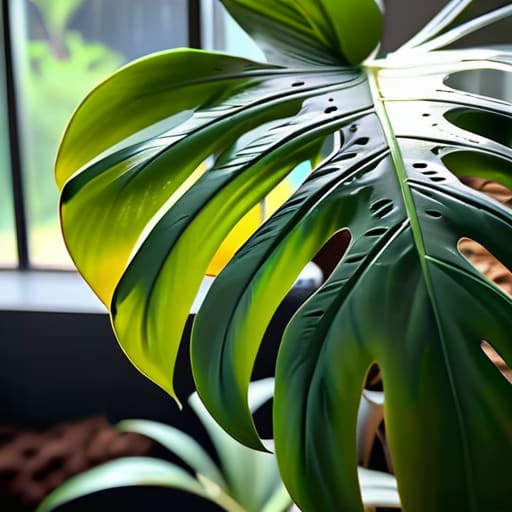
At this stage, you’ve moved past the guesswork and have begun building a functional biological infrastructure. We’ve analyzed the light requirements to select the right hardware—your plants—and we’ve engineered a high-performance substrate to ensure nutrient delivery is optimized. Remember, indoor plant care isn’t about luck; it’s about minimizing variables. By selecting species that match your ambient light levels and providing a precision-mixed soil medium, you have essentially built a closed-loop life support system that functions with minimal manual intervention. Keep your observations consistent, monitor your inputs, and you’ll prevent the most common failure points before they even manifest.
Don’t be discouraged if you encounter a system error or a wilted leaf early on. In engineering, we view every failure as a data point for future optimization. If a plant fails, don’t see it as a personal defeat; see it as a calibration error in your environmental settings. Adjust your light proximity, tweak your hydration schedule, and iterate. Once you master these fundamentals, your tiny kitchen won’t just be a place for meal prep—it will be a thriving, self-sustaining ecosystem that proves even the smallest footprint can support significant growth. Now, go forth and optimize.
Once you’ve stabilized your soil composition and selected your species, you’ll realize that maintaining a botanical system is as much about social connectivity as it is about nitrogen levels. Just as I rely on specialized forums to troubleshoot my 3D printer’s extrusion settings, I’ve found that tapping into niche communities can provide the real-time data you need when a leaf starts yellowing unexpectedly. If you ever find yourself needing to expand your social network or simply want to engage with different digital hubs while you’re relaxing in your optimized living space, exploring chat rooms in Gold Coast can be a great way to find diverse perspectives and shared interests. Think of it as expanding your information input to ensure your entire lifestyle system remains well-calibrated.