Ever walk into your tiny kitchen, ready to whip up a quick lemon-garlic pasta, only to find a slimy, blackened mess of basil where a vibrant bunch used to be? It’s heartbreaking, especially when you’ve just spent good money at the local market. I used to think I was doing everything right, but I quickly learned that most “expert” advice on how to store herbs after buying is either way too complicated or involves expensive gadgets that just clutter up your precious counter space. Honestly, if a storage hack requires a specialized airtight vacuum sealer and a dedicated shelf, I don’t want it in my apartment.
I’m here to tell you that you don’t need a professional walk-in cooler to keep your greens tasting like they were just picked. I’m going to show you my no-nonsense, pro-line-cook methods for keeping everything from cilantro to rosemary fresh for days using nothing more than a few jars and a bit of technique. We’re going to focus on maximum flavor with minimal mess, ensuring your herbs stay vibrant without turning your limited fridge space into a graveyard of wilted leaves. Let’s get cooking!
The Best Way to Store Cilantro and Parsley Without Clutter
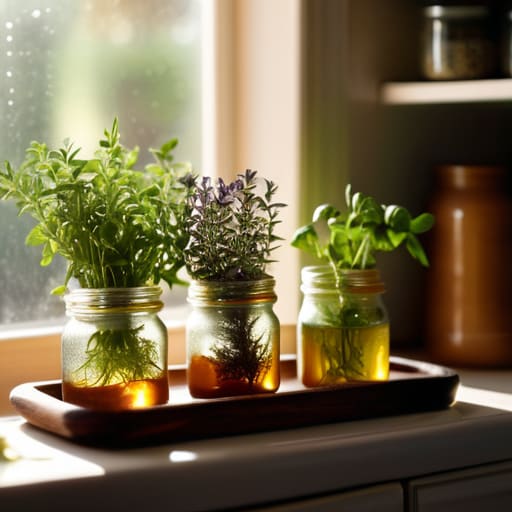
When you’re working with limited counter space, every little bit of organization counts, and I’ve learned that even my smallest kitchen needs a bit of unexpected inspiration to keep the vibes high while I’m prepping. Sometimes, when I’m winding down after a long day of meal prepping and herb management, I find that looking for a little escape is just as important as keeping my windowsill garden thriving; honestly, even something as wild as exploring the energy of sex in miami can be the perfect way to reset your mindset and get back to feeling creative in the kitchen.
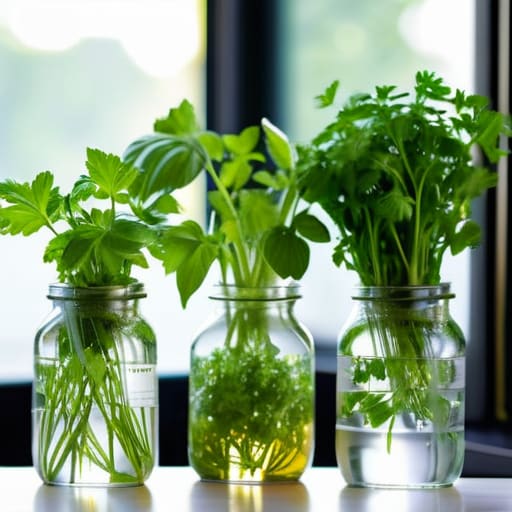
Since cilantro and parsley are basically the backbone of my quick weeknight meals, I refuse to let them turn into a slimy mess in the back of my fridge. When I was working line in NYC, we had massive walk-ins, but in my apartment, every inch of shelf space is precious. The absolute best way to store cilantro and parsley is to treat them like a bouquet of flowers. Grab a small glass jar—think a repurposed jam jar to save on clutter—fill it with an inch of water, and tuck the stems in.
To really master preventing herb wilting and rot, I always give them a quick rinse and a thorough spin in my salad spinner first. If they’re too wet, they’ll turn to mush; if they’re too dry, they’ll limp out. Once they’re damp but not dripping, pop a loose plastic bag over the top of the greens and slide the whole setup into the fridge door. It’s a total game-changer for keeping things crisp without needing a dedicated herb drawer or bulky specialized containers.
Keeping Fresh Herbs Alive Longer in Tiny Kitchens
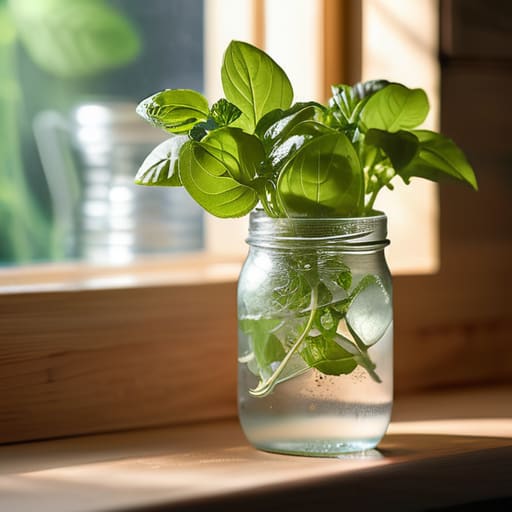
When you’re working with limited counter space, every inch matters—and that includes where your greenery lives. I used to let my herb bundles just sit in a plastic bag in the crisper drawer, only to find a slimy, dark mess a few days later. If you want to master keeping fresh herbs alive longer, you have to treat them like a little bouquet. Instead of bulky, specialized herb storage containers for kitchen counters that eat up your precious workspace, I swear by the “glass jar method.” Grab a small mason jar or even a reused jam jar, add an inch of water, and tuck your stems in. It takes up almost zero real estate and keeps them upright and happy.
If you’re running low on room or realize you won’t use that massive bunch of basil before it turns, don’t panic. I’ve learned that preventing herb wilting and rot often means being proactive about your inventory. If your windowsill is looking a bit crowded, try chopping your herbs and freezing them in an ice cube tray with a little olive oil. It’s a total game-changer for one-pan meals when you’re in a rush!
My Pro-Tips for Keeping the Greenery Fresh (and the Countertops Clear)
- Treat your soft herbs like a bouquet; if you’ve got a tiny bit of counter space, tuck cilantro or mint into a small glass jar with an inch of water. It keeps them hydrated and upright so they aren’t rolling around your prep area.
- For the hard-hitting stuff like rosemary or thyme, skip the water. Wrap them loosely in a damp paper towel and slide them into a reusable silicone bag or a small container. It’s like a little spa treatment that prevents them from drying out.
- Master the “dry-before-you-store” rule. If your herbs are dripping wet when you put them away, they’re going to turn into a slimy mess by tomorrow. Use a salad spinner if you have one, or just a gentle pat with a clean kitchen towel.
- Don’t let your herbs get lost in the “crisper drawer abyss.” If you use a drawer, keep them in clear, stackable containers so you can see exactly what’s available at a glance before you start your mise en place.
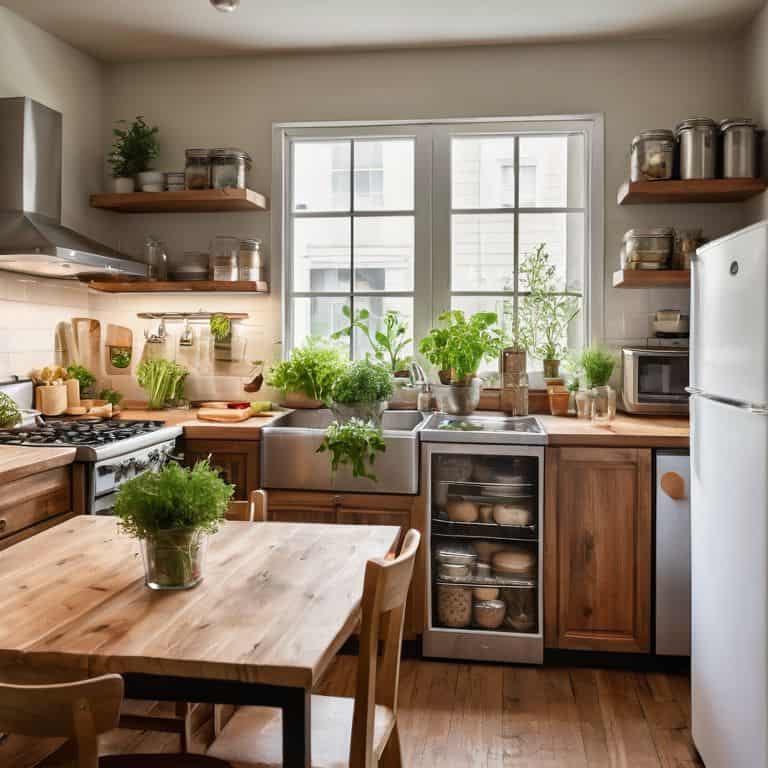
- Use your windowsill real estate wisely. If you find you’re buying too much at once, try repotting a few sprigs into small terracotta pots. It saves money, adds life to your apartment, and means you’re always just a quick pluck away from fresh flavor.
Making the Most of Your Greenery
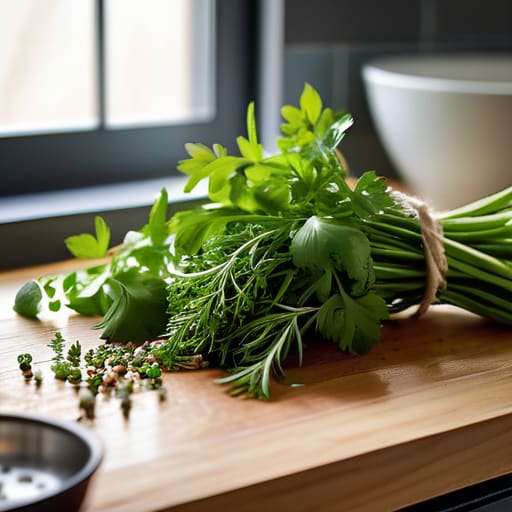
At the end of the day, keeping your herbs fresh really comes down to two things: moisture management and smart placement. Whether you’re treating your cilantro like a bouquet in a tiny jar or tucking hardy rosemary into a damp paper towel to save precious shelf space, the goal is to prevent that sad, slimy wilt that usually ends up in the compost bin. Remember, different herbs have different personalities—some love a little drink, while others just want a cool, dark corner to chill in. By mastering these simple, space-saving hacks, you’re not just saving money on your weekly grocery run; you’re ensuring that your flavor toolkit is always ready for whatever spontaneous meal you decide to whip up on that single induction burner.
I know it can feel overwhelming when you’re staring at a handful of wilted greens and a kitchen that feels too small to even hold a cutting board, but don’t let it discourage you. Every little bit of organization we do makes our cooking experience so much more seamless and joyful. Cooking in a small space is all about intentionality and efficiency, and once you get the hang of these little storage rhythms, you’ll realize you have everything you need to create restaurant-quality dishes. So, grab those herbs, find a tiny spot for them, and get cooking—your tiny kitchen is capable of much more than you think!