As I stand in my tiny kitchen, I’m reminded of the age-old debate: cast iron vs stainless steel for a minimalist kitchen. It’s a choice that can make or break the efficiency of your cooking space. I’ve been there, struggling to decide between the two, and I know how overwhelming it can be. With limited counter space, every gadget and tool must be carefully considered. I’ve learned to prioritize multi-functionality and long-term value, and I’m excited to share my insights with you.
In this article, I promise to cut through the hype and provide you with honest, experience-based advice. I’ll share my personal story of transitioning to a minimalist kitchen, and the lessons I’ve learned along the way. I’ll give you a ruthless edit of the pros and cons of cast iron and stainless steel, helping you make an informed decision that’s right for your unique space and needs. My goal is to help you create a kitchen that’s not only functional but also beautifully efficient, where every item earns its keep.
Table of Contents
Cast Iron
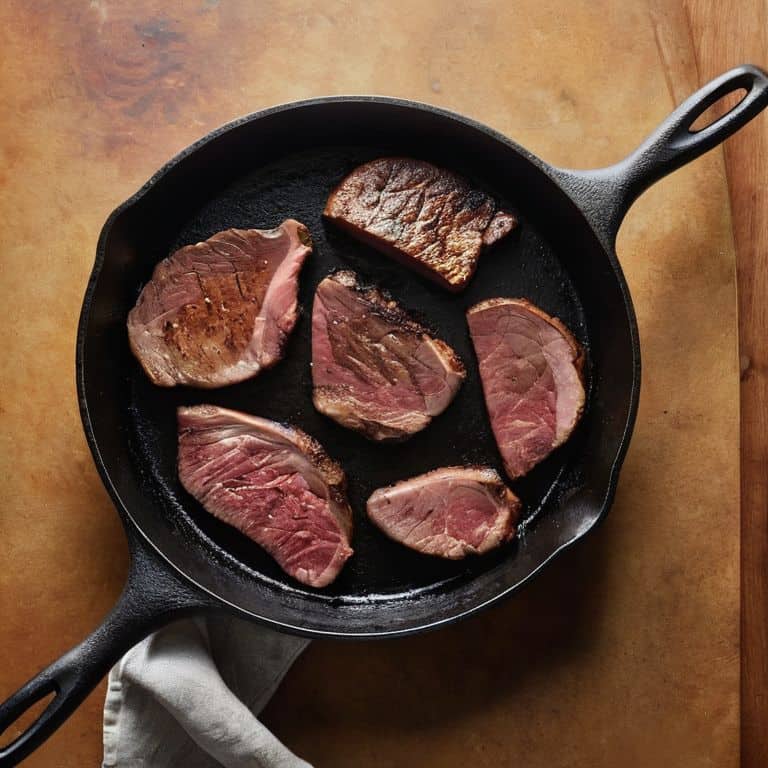
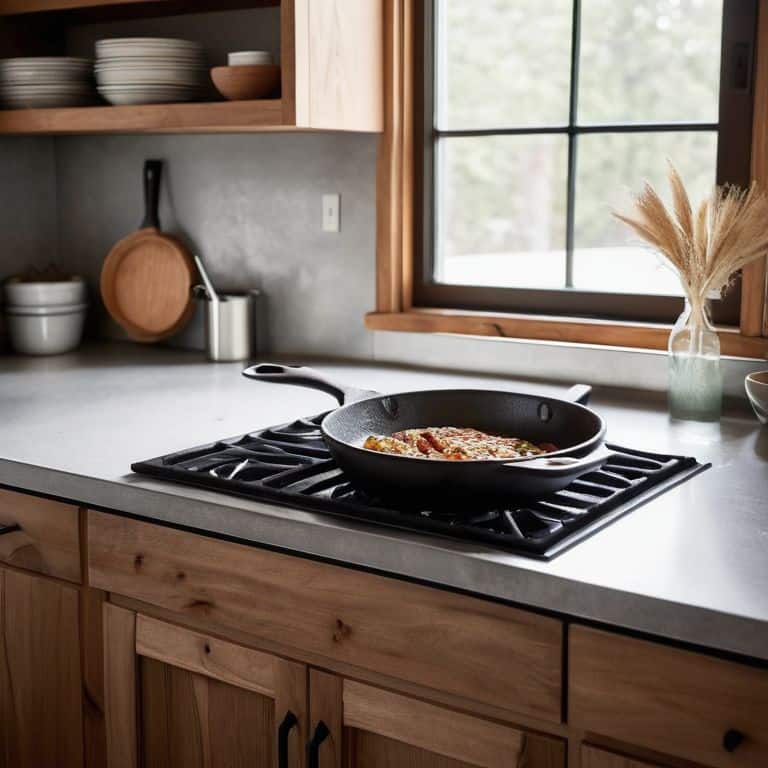
Cast iron is a type of cookware made from iron alloy, known for its heat retention and distribution properties, making it a popular choice for cooking methods like searing and frying. Its core mechanism relies on the thickness of the iron, which allows for a consistent heat transfer, and its main selling point is the ability to achieve a perfect crust on foods. When considering cast iron vs stainless steel for a minimalist kitchen, it’s essential to understand the benefits of cast iron, including its durability and potential health benefits from iron intake.
In my own experience with one-bag travel and testing gear for portability, I’ve found that cast iron can be a bit of a challenge due to its weight, but the payoff is worth it. For instance, I recall a trip where I had to cook for a group using limited equipment, and my cast iron skillet was a lifesaver. The even heat distribution allowed me to prepare a variety of dishes, from pancakes to stir-fries, with minimal fuss. While it may require some maintenance, such as seasoning, the results are well worth the extra effort, making it a great option for those who value high-quality cooking.
Stainless Steel
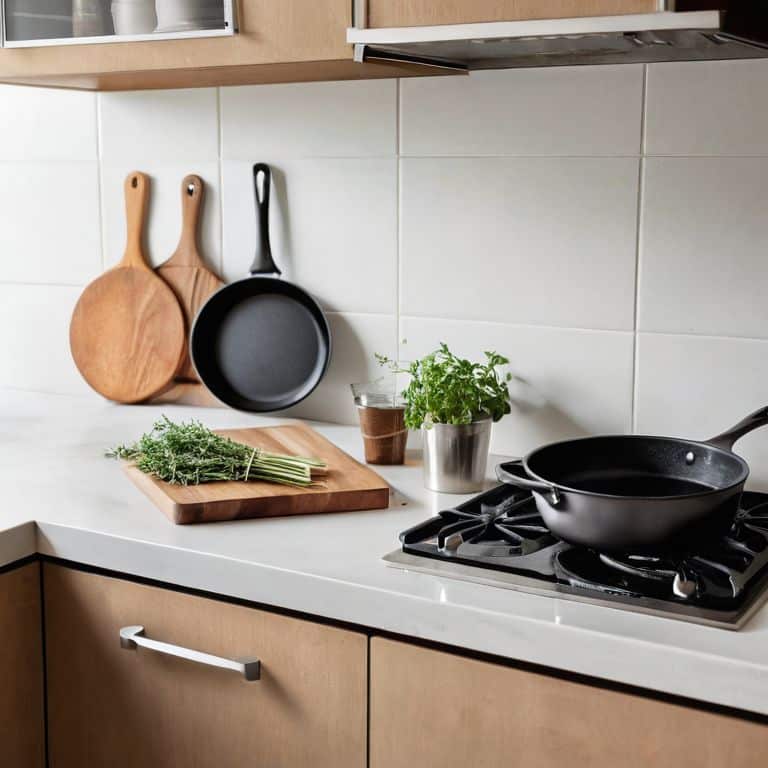
Stainless steel is a type of cookware made from a mixture of steel and chromium, known for its corrosion resistance and ease of cleaning, making it a practical choice for busy home cooks. Its core mechanism relies on the non-reactive properties of the material, which prevents the transfer of flavors and aromas between dishes, and its main selling point is the ease of maintenance and durability. When evaluating cast iron vs stainless steel for a minimalist kitchen, it’s crucial to consider the benefits of stainless steel, including its lightweight design and versatility in various cooking techniques.
As someone who’s passionate about finding multi-use items for every aspect of life, I appreciate the versatility of stainless steel cookware. In my tiny kitchen, I need items that can serve multiple purposes, and stainless steel delivers. From cooking pasta to heating up leftovers, stainless steel pots and pans are a great addition to any minimalist kitchen. Plus, they’re often dishwasher safe, making cleanup a breeze, which is a must for me when I’m testing gear for portability and don’t have access to a lot of storage space.
Cast Iron vs Stainless Steel: Head-to-Head Comparison for a Minimalist Kitchen
| Feature | Cast Iron | Stainless Steel |
|---|---|---|
| Price | Moderate to High ($50-$200) | Low to Moderate ($20-$100) |
| Key Feature | Heat Retention and Versatility | Durability and Resistance to Corrosion |
| Best For | Cooking Techniques Requiring High Heat, Camping | Daily Use, Low Maintenance Cooking |
| Weight | Heavy | Light to Moderate |
| Cleaning Difficulty | High (Seasoning Required) | Low (Easy to Clean) |
| Health Benefits | Can Leach Iron into Food | Non-Toxic, Hypoallergenic |
| Lifespan | Very Long (Decades with Proper Care) | Long (Years to Decades) |
Cast Iron vs Stainless Steel
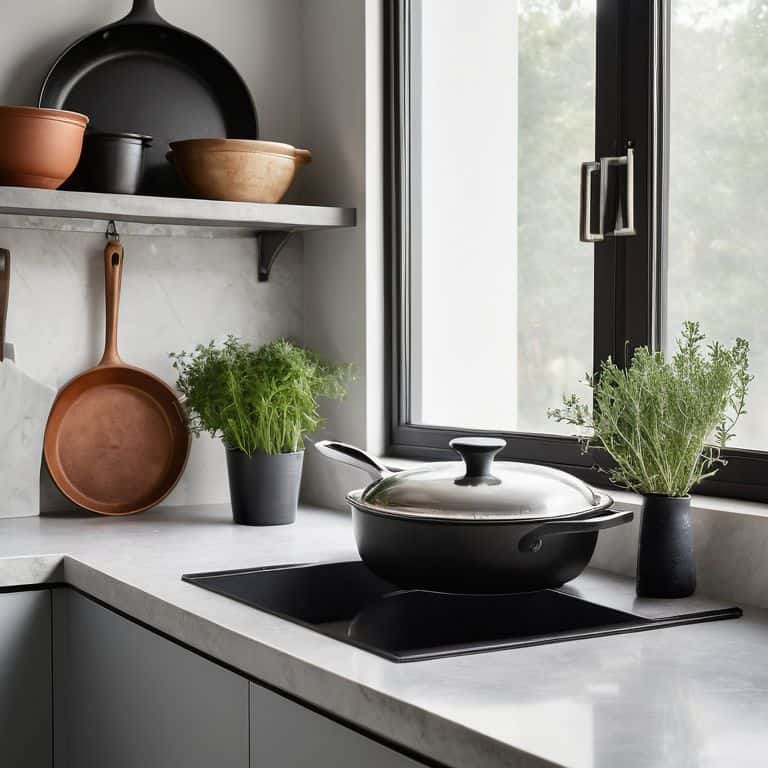
When it comes to minimalist kitchens, every decision counts, and the choice between cast iron and stainless steel cookware is no exception. The material of your cookware can make or break the efficiency and functionality of your kitchen, which is why this comparison is crucial.
In a head-to-head analysis, cast iron and stainless steel have different strengths when it comes to cooking performance. Cast iron retains heat incredibly well, making it ideal for searing meat and cooking methods that require a consistent temperature. On the other hand, stainless steel is often more durable and resistant to scratches and corrosion, making it a great option for busy kitchens.
However, when considering the practical implications of each material, stainless steel emerges as the more practical choice for minimalist kitchens. Its lightweight design and ease of cleaning make it a more convenient option for everyday use. In conclusion, for the criterion of cast iron vs stainless steel, stainless steel is the clear winner due to its balance of durability and practicality, making it the best choice for kitchens where counter space is sacred.
The Bottom Line: 3 Key Takeaways
I’ve found that cast iron is the clear winner when it comes to heat retention and versatility, but it requires regular maintenance to prevent rust and keep it non-stick
Stainless steel, on the other hand, is a low-maintenance option that’s also non-reactive, making it perfect for acidic dishes, but it can be noisy and doesn’t distribute heat as evenly as cast iron
Ultimately, the choice between cast iron and stainless steel comes down to your personal cooking style and priorities: if you value ease of use and durability, stainless steel might be the better choice, but if you’re willing to put in the work, cast iron can be a game-changer for your minimalist kitchen
The Verdict on Cast Iron vs Stainless Steel
In a minimalist kitchen, the choice between cast iron and stainless steel isn’t just about cookware – it’s about reclaiming counter space and your sanity; choose the one that serves you, not the other way around.
Clara Finch
The Final Verdict: Which Should You Choose?
After weighing the pros and cons of cast iron and stainless steel for a minimalist kitchen, it’s clear that both materials have their strengths and weaknesses. Cast iron offers exceptional heat retention and a non-stick surface when seasoned properly, but it requires regular maintenance to prevent rust. On the other hand, stainless steel is durable, resistant to scratches, and easy to clean, but it can be noisy and may not distribute heat as evenly as cast iron. Ultimately, the decision between these two materials depends on your personal cooking style and priorities.
When it comes to declaring an overall winner, I’d say that cast iron is the better choice for users who value a non-stick surface and are willing to invest time in maintenance. However, stainless steel is ideal for users who prioritize ease of use and durability. If you’re a busy home cook who wants a low-maintenance option, stainless steel might be the way to go. But if you’re a cooking enthusiast who doesn’t mind putting in the work to season and care for your cookware, cast iron could be the perfect fit.
Frequently Asked Questions
How do I decide between cast iron and stainless steel if I'm a beginner cook with limited storage space?
As a beginner, I’d say start with stainless steel – it’s more forgiving and easier to clean. Cast iron requires maintenance, which can be a hurdle with limited storage. Stainless steel wins for simplicity and space efficiency, making it perfect for tiny kitchens.
What are the maintenance and cleaning differences between cast iron and stainless steel cookware that I should consider for my minimalist kitchen?
Let’s get real about cleaning – cast iron requires some elbow grease and oil seasoning, while stainless steel is a breeze to wipe down. For me, it’s about balancing the extra minute of cleaning with the durability and versatility I need in my tiny kitchen.
Can I really get away with just one type of cookware, either cast iron or stainless steel, for all my cooking needs in a tiny kitchen?
Honestly, yes, you can get away with just one. I’d argue that cast iron is the more versatile choice, handling everything from searing steaks to baking cornbread. It’s a worthy investment for tiny kitchens where space is a luxury.