I still remember the days when I thought how to create a balanced plate was all about following a strict formula, with perfectly portioned servings of each food group. But, let’s get real, who has the time or budget for that? As a holistic nutritionist, I’ve learned that a balanced plate is not about achieving perfection, but about embracing simplicity and making the most of what you have. I’ve seen countless clients struggle with the concept of a balanced plate, only to realize that it’s not about the food itself, but about the mindset behind it.
In this article, I’ll share my no-nonsense approach to creating a balanced plate, without the need for fancy ingredients or complicated recipes. You’ll learn how to turn leftovers into a delicious meal, reduce food waste, and make nourishing your body feel simple and joyful. I’ll provide you with practical tips and tricks for how to create a balanced plate that works for you, not against you. By the end of this guide, you’ll be empowered to create meals that are not only healthy, but also sustainable and delicious, all while wasting less and saving more.
Table of Contents
Guide Overview: What You'll Need
Total Time: 30 minutes
Estimated Cost: $0 – $10
Difficulty Level: Easy
Tools Required
- Plate (standard dinner plate)
- Measuring Cups (for portion control)
- Food Scale (optional)
Supplies & Materials
- Protein source (e.g., chicken, fish, tofu)
- Vegetables (variety of colors)
- Whole grains (e.g., brown rice, quinoa)
- Healthy fats (e.g., nuts, seeds, avocado)
Step-by-Step Instructions
- 1. First, let’s start with the basics – a balanced plate is all about variety. I like to think of it as a puzzle, where you’re fitting together different pieces to create a complete picture. For me, that means including a mix of veggies, whole grains, and my favorite protein sources. It’s not about making it perfect, but about making it work with what you have on hand.
- 2. Next, take stock of what’s already in your kitchen – this is where the magic happens, and you can get really creative with reducing food waste. Look at what’s lurking in the back of your fridge, what’s ripening on your counter, and what’s hiding in your pantry. I like to make a mental note (or sometimes even a physical one, because who doesn’t love a good list?) of what I have to work with. This helps me plan my meals and ensures that nothing goes to waste.
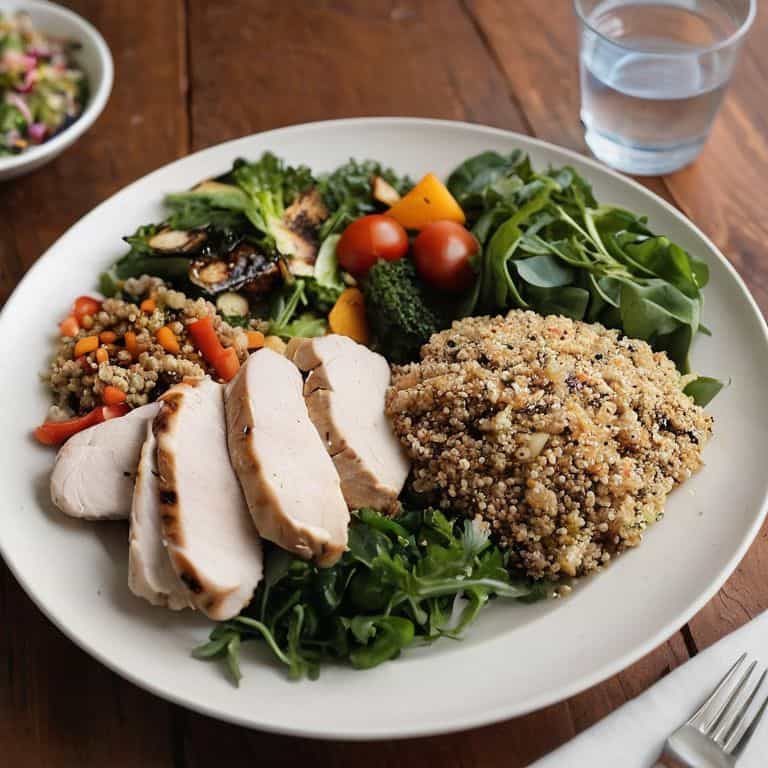
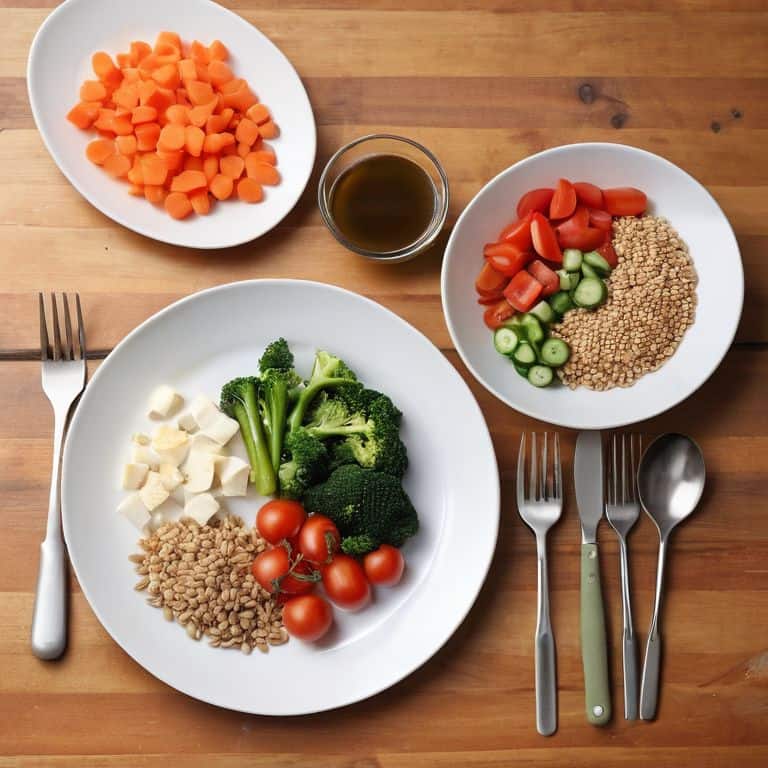
- 3. Now, let’s talk about portion control. I’m not about restricting or measuring out exact amounts, but more about being mindful of what you’re putting on your plate. A good rule of thumb is to fill half your plate with veggies, a quarter with whole grains, and a quarter with your protein source. Don’t worry too much about getting it perfect – just aim for a balance that feels right to you.
- 4. It’s time to get cooking – or not, depending on what you’re in the mood for! I love a good one-pot wonder, where I can just throw all my ingredients into one pot and let the magic happen. But sometimes, it’s just as easy to whip up a quick salad or stir-fry. The key is to keep it simple and not be afraid to experiment with new ingredients and flavors.
- 5. As you’re building your plate, don’t forget to add some healthy fats to the mix. I’m talking about nuts, seeds, avocado – all the good stuff that will keep you full and satisfied. I like to sprinkle some chopped nuts or seeds on top of my salad or add a slice of avocado to my whole grain toast.
- 6. Now, let’s talk about flavor – because let’s be real, if it doesn’t taste good, you’re not going to want to eat it. I’m all about adding a squeeze of fresh lemon juice, a drizzle of olive oil, or a sprinkle of salt and pepper to bring out the flavors in my dish. Don’t be afraid to get creative and experiment with different herbs and spices to find what you like.
- 7. Finally, take a step back and admire your handiwork – you’ve created a balanced plate that’s not only delicious, but also nourishing and sustainable. Remember, it’s all about progress, not perfection. Don’t be too hard on yourself if it’s not exactly what you envisioned – just enjoy the process and the journey to a healthier, happier you.
Crafting Balance on a Plate
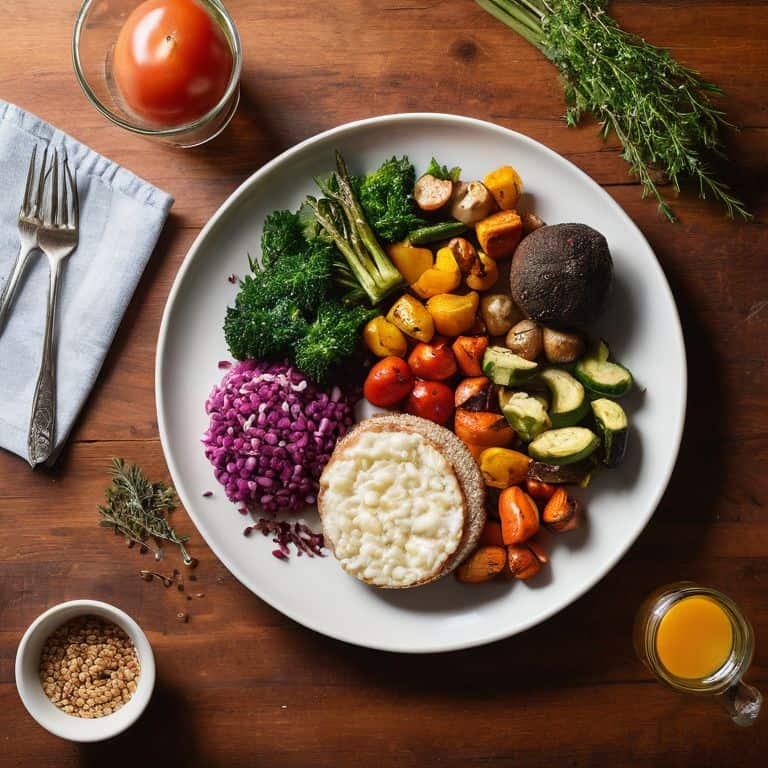
When it comes to crafting a balanced meal, I always say that it’s all about finding harmony between different food groups. As a holistic nutritionist, I’ve seen how healthy meal planning tips can make all the difference in achieving daily nutrient intake requirements. It’s not just about throwing a bunch of ingredients together, but rather about creating a symphony of flavors and textures that nourish both body and soul.
To take your meal planning to the next level, consider the importance of hydration in diet. Sometimes, we forget that water is just as essential as the food on our plate. By staying hydrated, we can improve our digestion, boost our energy levels, and even support mindful eating for weight loss. As someone who’s passionate about reducing food waste, I love finding creative ways to incorporate hydrating ingredients into my meals, like adding cucumber slices to my salads or using vegetable broth as a base for soups.
By understanding macronutrient ratios and how they impact our overall health, we can start to make more informed choices about the food we eat. For me, it’s all about finding that sweet spot where protein, healthy fats, and complex carbohydrates come together in perfect harmony. Whether I’m experimenting with new recipes or simply whipping up a quick weeknight dinner, I always try to keep my personalized nutrition plan in mind, making adjustments as needed to ensure that I’m fueling my body for optimal health and wellness.
Healthy Meal Planning With Leftovers
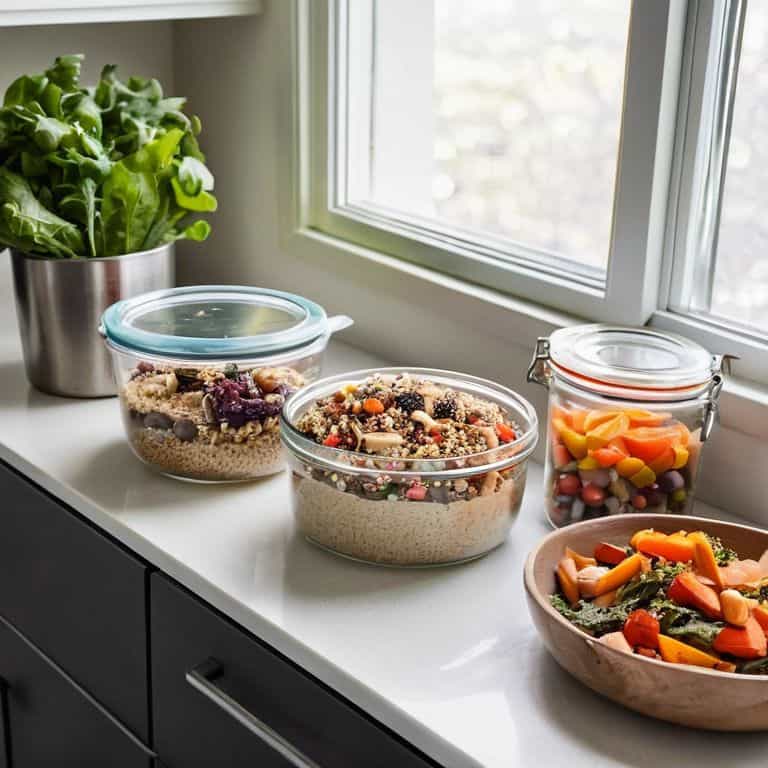
When I’m planning my meals, I always think about how I can use leftovers to create something new. It’s amazing how a little creativity can turn last night’s dinner into tomorrow’s lunch. I love using leftover veggies to make a hearty soup or stir-fry, and leftover grains can easily become a tasty salad or bowl. By thinking ahead and planning my meals around what I already have, I can reduce food waste and save time during the week.
I also like to keep a “leftover list” on my fridge, where I jot down what’s lingering in the fridge and how I can use it up. This simple trick helps me stay on top of my meal planning and ensures that nothing goes to waste. Whether it’s turning leftover chicken into chicken salad or using leftover rice to make a batch of homemade veggie burgers, the possibilities are endless!
Mindful Hydration for Nutrient Balance
To truly craft a balanced plate, we can’t forget about hydration. I always say, drinking enough water is just as important as the food we put on our plate. It’s amazing how often we overlook this simple step. As someone who’s passionate about reducing waste, I’m also a big fan of infusing water with fruits, herbs, or cucumber slices from last night’s salad. Not only does it add some flavor, but it’s also a great way to reuse and reduce food scraps. Plus, it’s a refreshing way to stay hydrated throughout the day.
I like to keep a big mason jar of infused water in the fridge, so it’s always ready to go. It’s a small habit that makes a big difference in how I feel, and it’s a great reminder to drink up throughout the day. By prioritizing mindful hydration, we can ensure our bodies are functioning at their best, and that’s the perfect complement to a balanced plate.
5 Simple Secrets to a Balanced Plate
- Start with what you’ve got: Use leftovers to create a base for your meal, reducing food waste and saving time
- Veg out: Add a variety of colorful veggies to your plate for a nutrient boost and to keep things interesting
- Get your grain on: Incorporate whole grains like brown rice, quinoa, or whole wheat bread for sustained energy and fiber
- Protein power: Include a source of protein like beans, lentils, or lean meats to keep you full and satisfied
- Hydrate wisely: Drink water throughout your meal and consider adding hydrating foods like watermelon or cucumbers to your plate for an extra boost
Nourishing Your Way: 3 Key Takeaways
Embracing a ‘root-to-stem’ approach to cooking can significantly reduce food waste and boost the nutritional value of your meals
Getting creative with leftovers is a simple yet powerful way to craft balanced plates without breaking the bank or overwhelming your kitchen
Mindful hydration, paired with nutrient-dense meals, can elevate your overall well-being and make healthy eating feel more accessible and enjoyable, even in the smallest of kitchens
Finding Harmony in the Kitchen
A balanced plate isn’t about perfection, it’s about embracing the beauty of imperfection – using every scrap, and turning leftovers into love-filled meals that nourish both our bodies and the planet.
Jenna Matthews
Nourishing Your Way to Balance
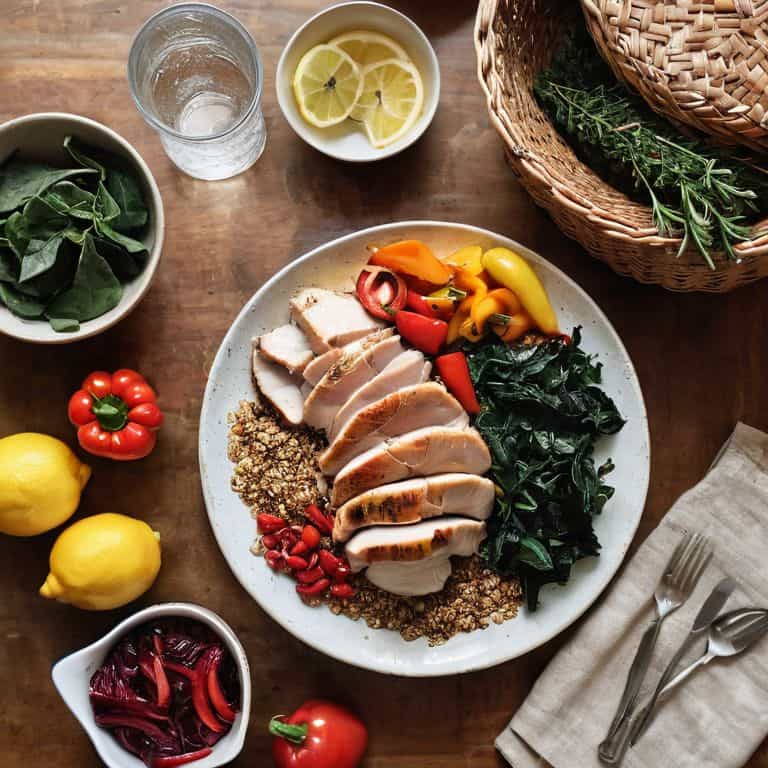
As we’ve explored the art of creating a balanced plate, remember that it’s all about embracing simplicity and making the most of what you have. We’ve covered the basics of healthy meal planning with leftovers, mindful hydration for nutrient balance, and crafting balance on a plate. The key to success lies in being resourceful and open to new ideas, whether that means shopping at farmers’ markets, experimenting with ‘root-to-stem’ cooking, or simply getting creative with your pantry staples. By adopting these habits, you’ll not only reduce food waste but also nourish your body with wholesome, delicious meals.
As you continue on your journey to balanced eating, keep in mind that every small step counts, and it’s okay to take things one meal at a time. Don’t be too hard on yourself if you don’t get it just right – the goal is to make progress, not perfection. With time and practice, you’ll find that creating a balanced plate becomes second nature, and the joy of nourishing your body will become a lasting part of your daily routine. So go ahead, get cooking, and savor the journey to a healthier, happier you!
Frequently Asked Questions
What are some creative ways to repurpose leftover vegetables to add variety to my plate?
I love giving new life to leftover veggies. Try turning last night’s roasted carrots into a morning hash, or blending yesterday’s steamed broccoli into a vibrant soup. You can also sauté leftover greens with some garlic as a bed for your favorite protein, or add them to a frittata for a nutrient-packed breakfast.
How can I ensure I'm getting enough protein in my meals without breaking the bank?
I’m a big fan of affordable protein sources like beans, lentils, and eggs. You can also stretch your budget by using smaller amounts of meat and supplementing with plant-based options. Try adding beans to your salads or using egg as a protein-packed topping for whole grain dishes.
Are there any specific pantry staples that you recommend keeping on hand to make balanced meal planning easier?
My go-to pantry staples are whole grains like brown rice and quinoa, canned beans, and spices. I also love having a stash of nuts and seeds for added crunch and nutrition. These basics make it easy to whip up a balanced meal, even on a busy day. Plus, they’re perfect for reducing food waste and getting creative with leftovers!