I still remember the day I realized that my tiny kitchen didn’t need a clunky dish rack taking up valuable counter space. I was on a mission to learn how to dry dishes without a dish rack, and what I discovered changed the way I think about kitchen essentials. It’s amazing how often we accept bulky solutions without questioning their necessity. As someone who’s passionate about minimalist design and one-bag travel, I’m always on the lookout for multi-use items that can simplify our lives.
In this article, I’ll share my top hacks for drying dishes in even the tiniest of kitchens, focusing on practical and space-saving solutions. You’ll learn how to make the most of your kitchen’s limited real estate, without sacrificing functionality or convenience. From clever ways to utilize your sink to innovative products that can help you dry dishes efficiently, I’ll give you the lowdown on what really works. By the end of this guide, you’ll be equipped with the knowledge to ditch that dish rack and free up some much-needed counter space, all while mastering the art of how to dry dishes without a dish rack.
Table of Contents
Guide Overview: What You'll Need
Total Time: 30 minutes to 1 hour
Estimated Cost: $0 – $10
Difficulty Level: Easy
Tools Required
- Towel (for drying)
- Clean cloth (for drying)
- Plate or tray (for holding water)
Supplies & Materials
- Microfiber towels (optional)
- Paper towels (optional)
Step-by-Step Instructions
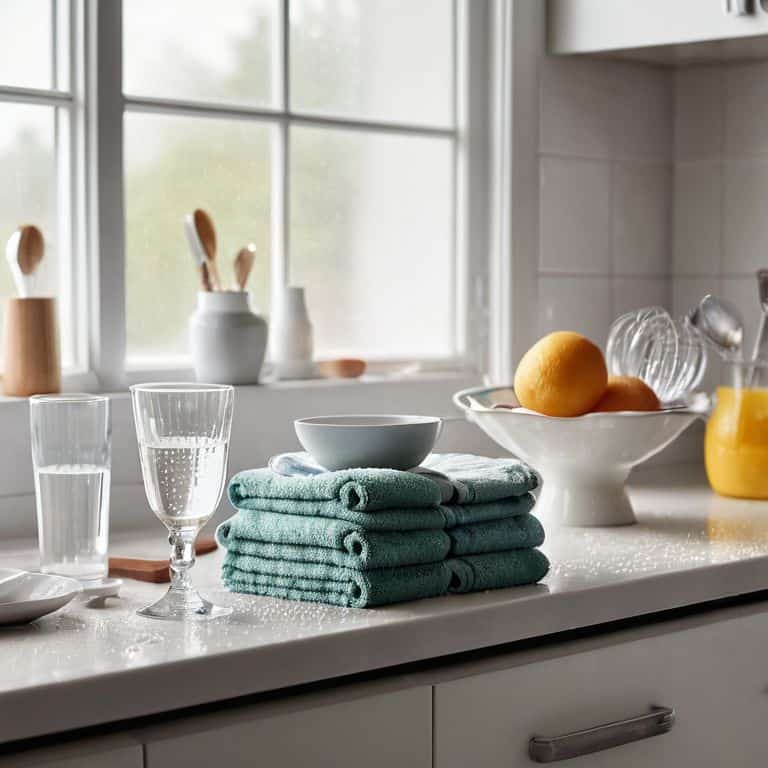
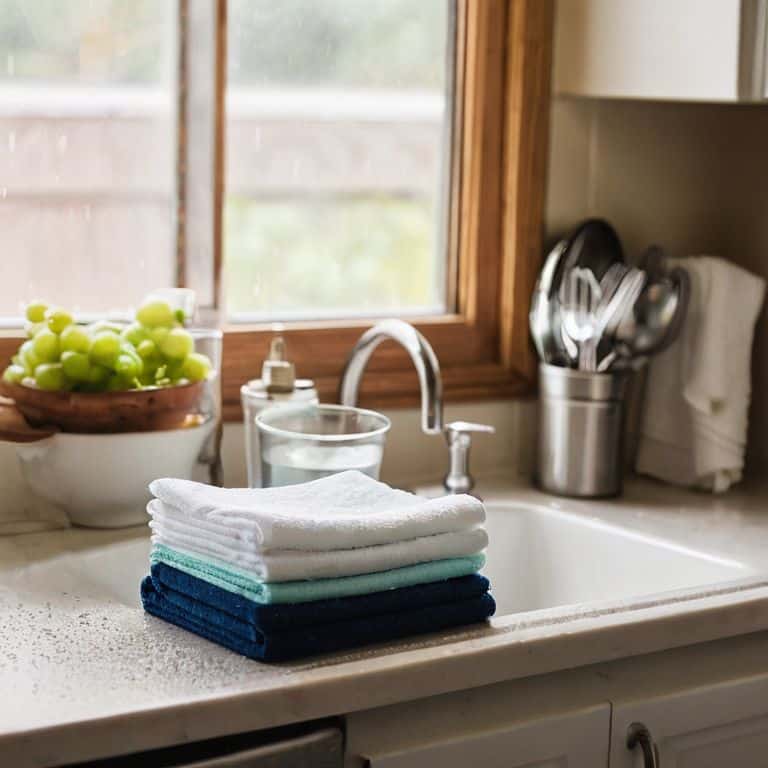
- 1. First, let’s talk about the art of towel drying. I know it sounds old-school, but trust me, it’s a game-changer. Start by grabbing a few of your favorite towels – I prefer the microfiber kind because they’re super absorbent and quick to dry. Lay out a towel on your counter, and begin placing your freshly washed dishes on it. This method is especially great for delicate items that might get damaged in a crowded dish rack.
- 2. Next, I want to introduce you to the world of dish drying stations. Essentially, these are compact, wall-mounted or countertop trays that allow water to drip off your dishes without taking up too much space. I’ve found that a good dish drying station can be a total space-saver, and they often come with multiple tiers to maximize storage. Look for one that fits your kitchen’s aesthetic, and don’t be afraid to get creative with its placement.
- 3. Now, let’s explore the power of air drying. For this method, you’ll need to invest in a few dish clips or dish holders that can be attached to the edge of your sink or a nearby surface. These nifty gadgets allow you to suspend your dishes in mid-air, letting them dry completely without taking up any precious counter space. I’ve found that this method is particularly effective for items like cups, bowls, and utensils.
- 4. Another clever hack is to utilize your kitchen’s vertical space. Install a few hooks or a pegboard near your sink, and hang your dishes from them to dry. This method not only saves counter space but also adds a touch of industrial chic to your kitchen. Just be sure to choose hooks that are sturdy enough to hold the weight of your dishes.
- 5. If you’re feeling crafty, you can try creating your own dish drying rack using a few basic materials like wood, wire, or even repurposed pallets. I’ve seen some amazing DIY projects online that showcase the beauty of minimalism, and with a little creativity, you can create a custom dish drying solution that fits your unique kitchen needs. Just remember to keep it simple, functional, and easy to clean.
- 6. For those of you with a tiny kitchen, I recommend exploring the world of collapsible dish racks. These ingenious devices can be set up when you need them and then folded away when you’re done, freeing up valuable counter space. Look for one that’s compact, durable, and easy to clean, and don’t be afraid to take it with you on the go.
- 7. Finally, let’s not forget about the importance of maintenance. To keep your dishes dry and your kitchen clutter-free, make sure to regularly clean and sanitize your dish drying area. This might involve wiping down your countertops, cleaning your dish clips, or simply putting away any dishes that have finished drying. By following these simple steps, you’ll be well on your way to a clutter-free kitchen that’s both functional and beautiful.
Drying Dishes Without a Rack
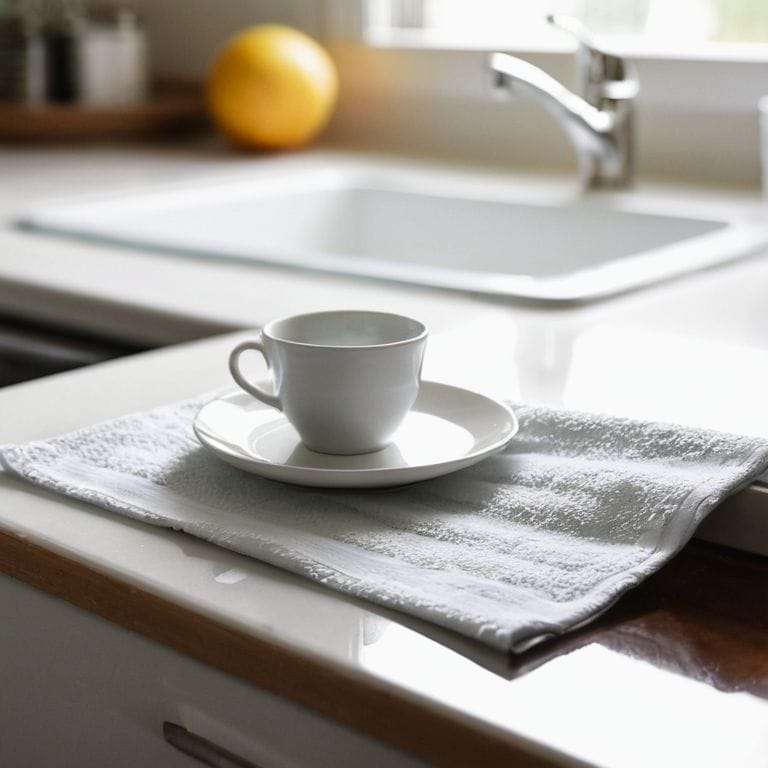
When it comes to air drying dishes techniques, I’ve found that a simple microfiber towel can be a game-changer. Not only can it help to dry dishes quickly, but it can also be used to wipe down countertops and clean up spills. In small kitchens, it’s all about finding multi-use items that can help to reduce clutter and increase efficiency. By using a microfiber towel to dry dishes, you can eliminate the need for a bulky dish rack and free up valuable counter space.
In addition to using a microfiber towel, there are several other dish drying hacks for small kitchens that can be helpful. For example, you can use a folding dish rack alternative to provide a temporary drying space for dishes. These types of racks are often compact and can be easily stored away when not in use, making them perfect for small kitchens. By using a combination of these techniques, you can keep your dishes dry and your kitchen clutter-free.
To take your dish drying game to the next level, consider implementing speed drying dishes methods into your routine. This can be as simple as washing and drying dishes immediately after meals, or using a water spot prevention tip like drying dishes with a towel as soon as they come out of the dishwasher. By following these tips, you can keep your dishes sparkling clean and your kitchen running smoothly, even without a dish rack.
Air Drying Hacks for Small Kitchens
As a minimalist, I’ve learned to love the art of air drying. It’s surprisingly effective, even in humid environments. One of my favorite hacks is to dry dishes on a towel, arranging them in a single layer to maximize airflow. I also utilize the top of my refrigerator or a high shelf to dry smaller items like utensils and lids, keeping them out of the way while still allowing air to circulate.
For extra efficiency, I’ll sometimes use a simple dish drying mat or a silicone trivet with built-in drainage channels. These clever tools help speed up the drying process and prevent water from pooling, making them perfect for small kitchens where counter space is at a premium.
Microfiber Towel Magic for Spotless Dishes
I swear by microfiber towels for drying dishes – they’re a game-changer in small kitchens. Not only do they absorb water like a charm, but they also leave dishes spotless. I use a single microfiber towel to dry an entire load of dishes, and it’s amazing how much water it can soak up. Plus, they’re machine washable, making them a hygienic and eco-friendly option. By using a microfiber towel, I’ve eliminated the need for a dish rack and extra drying space, freeing up valuable counter real estate. It’s a simple yet effective hack that’s a staple in my minimalist kitchen.
Ditching the Dish Rack: 5 Space-Saving Tips to Dry Your Dishes
- Ditch the towel: use a dish mat or a silicone drying pad to keep your countertops dry and your dishes organized
- Utilize your walls: install a pegboard or a foldable drying rack that can be easily mounted and unmounted as needed
- Get creative with airflow: open windows, use a fan, or place dishes near a heating vent to speed up the drying process
- Choose the right dishes: opt for dishes with built-in drying racks or those made from materials that dry quickly, such as stainless steel or silicone
- Make the most of your sink: use a sink caddy or a dish drying insert to dry dishes while keeping them off the countertops and out of the way
Key Takeaways for a Rack-Free Life
Ditch the dish rack and free up valuable counter space with simple air drying hacks, such as leaning dishes against the sink or using a tray to catch water
Invest in a good quality microfiber towel to dry and polish dishes, reducing water spots and the need for chemical drying aids, all while taking up minimal storage space
Embracing a rack-free dish drying routine not only saves space but also encourages a more mindful approach to washing and drying, helping you develop a more efficient and sustainable kitchen workflow
Ditching the Dish Rack
The art of drying dishes without a rack is not just about saving space, it’s about embracing a more mindful approach to kitchen chores – one that values simplicity, efficiency, and a whole lot of common sense.
Clara Finch
Embracing a Rack-Free Life
As we’ve explored the world of drying dishes without a rack, it’s clear that a little creativity can go a long way in maximizing counter space. From air drying hacks to the ingenious use of microfiber towels, there are plenty of methods to keep your dishes spotless without sacrificing valuable real estate in your kitchen. By embracing these strategies, you’ll not only free up space but also develop a more mindful approach to kitchen chores. It’s about finding what works best for you and your unique kitchen landscape.
So, the next time you’re tempted to reach for that bulky dish rack, remember that less is often more. By ditching the rack and adopting a more minimalist approach to dish drying, you’ll be joining a movement that values simplicity, efficiency, and a clearer countertop. As you embark on this journey, keep in mind that it’s not just about the dishes – it’s about creating a kitchen that truly reflects your values and priorities. With a little practice and patience, you’ll be well on your way to a more streamlined, stress-free cooking experience.
Frequently Asked Questions
How often should I wash and dry my microfiber towels to prevent bacterial growth?
To keep your microfiber towels clean and bacteria-free, I recommend washing them after every 3-4 uses. You can toss them in the washing machine with your regular laundry, but avoid using fabric softener or bleach. A quick rinse with warm water and a mild detergent should do the trick, and they’ll be ready to dry and use again.
Can I use a regular towel instead of a microfiber one for drying dishes?
While you can use a regular towel, I’d advise against it – they tend to leave lint and take forever to dry. Microfiber towels are a game-changer for drying dishes; they’re absorbent, quick-drying, and lint-free. Trust me, the small investment is worth it for the convenience and cleanliness they offer in a tiny kitchen.
Will air drying my dishes lead to water spots or mineral deposits over time?
Honestly, water spots and mineral deposits are a risk with air drying, but I’ve found that a quick wipe with a microfiber towel after washing helps minimize them. For extra peace of mind, I dry delicate items like glassware immediately to prevent spots from forming. It’s all about balance – a little extra effort for a lot less clutter.