I still remember the first time I tried to make nut butter in my tiny kitchen. I had just invested in a mini food processor, and I was eager to see if it could really handle the task. The question on my mind was, can a mini food processor make nut butter? I had heard mixed reviews, but as someone who values space-saving solutions, I was determined to find out. The clutter of single-use gadgets in my kitchen was already getting out of hand, and I didn’t want to add another unnecessary item to the mix.
As someone who’s tested numerous kitchen gadgets, I’m here to give you the no-nonsense truth about mini food processors and their ability to make nut butter. In this article, I’ll share my personal experience and provide you with a ruthless edit of the options available. I’ll cut through the hype and give you a clear answer to the question that’s been on your mind: can a mini food processor really earn its keep on your countertop? My goal is to help you make an informed decision and avoid wasting your hard-earned money on a gadget that might not deliver. So, let’s dive in and find out if a mini food processor is the right tool for making nut butter in your kitchen.
Table of Contents
- Can a Mini Food Processor Make Nut Butter
- Nut Butter in a Tiny Kitchen
- Making Nut Butter with a Mini Food Processor: 5 Key Tips to Get You Started
- Key Takeaways for Making Nut Butter with a Mini Food Processor
- The Verdict on Mini Food Processors
- The Verdict: Mini Food Processors in the Nut Butter Arena
- Frequently Asked Questions
Can a Mini Food Processor Make Nut Butter
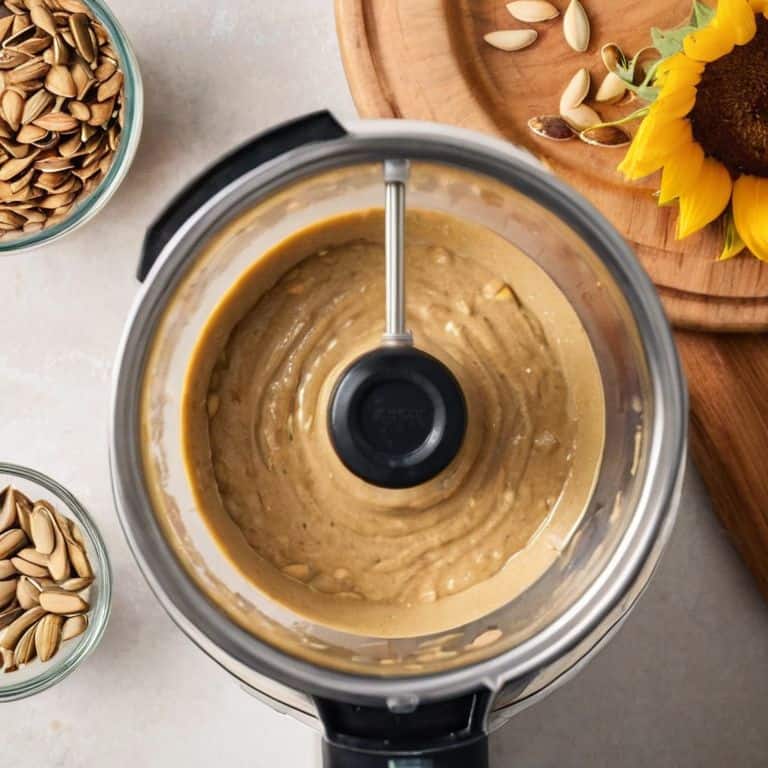
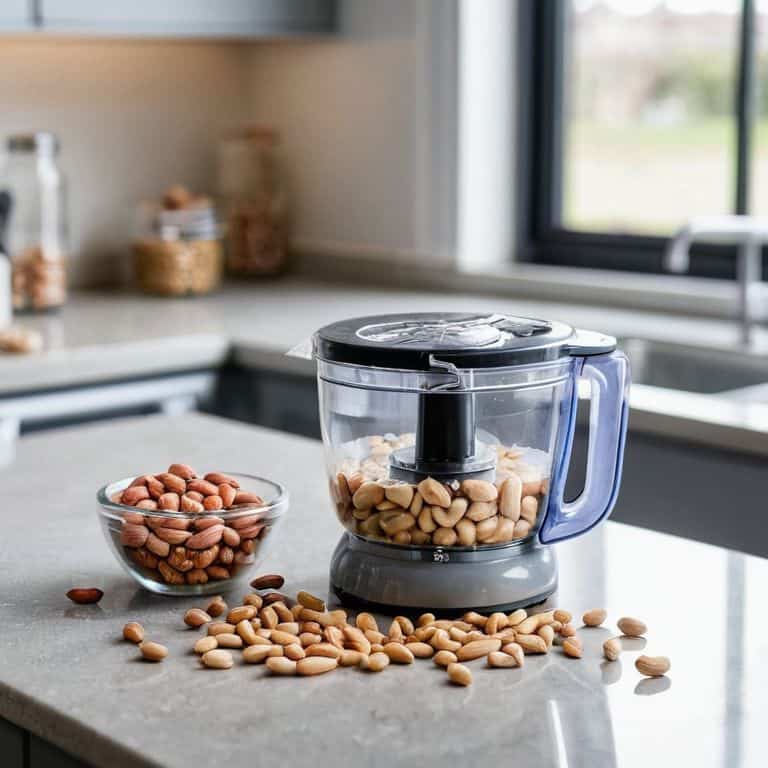
When it comes to making almond butter at home, I’ve always been curious about the capabilities of mini food processors. Can they really handle the tough task of grinding nuts into a smooth, creamy butter? I decided to put my mini food processor to the test, using a simple sunflower seed butter recipe to see how it would perform. The results were surprising – with the right technique and a bit of patience, my mini food processor was able to produce a delicious and creamy sunflower seed butter.
The key to success lies in the mini food processor motor power and speed. A higher wattage and variable speed settings can make all the difference when it comes to grinding nuts. I found that using the highest speed setting and pulsing the processor helped to prevent overheating and ensured a smooth consistency. In comparison to a blender vs food processor for nut butter, I found that my mini food processor was better suited for the task, as it allowed for more control over the grinding process.
In terms of homemade peanut butter consistency, I was impressed with the results. The mini food processor was able to produce a smooth and creamy butter, similar to store-bought varieties. As a small kitchen appliance for nut butters, I would highly recommend a mini food processor – it’s a great space-saving option for those looking to make their own nut butters at home. With the right food processor speed for grinding nuts, you can achieve professional-grade results in the comfort of your own kitchen.
Blender vs Food Processor for Nut Butter
When it comes to making nut butter, the age-old debate is whether to use a blender or a food processor. In my experience, blenders are better suited for liquids, whereas food processors can handle thicker mixtures. However, I’ve found that high-powered blenders can sometimes get the job done, albeit with more effort.
In a side-by-side comparison, I’ve noticed that food processors tend to produce a smoother consistency, while blenders can leave a slightly grainy texture. This is because food processors are designed with multiple blades, allowing for a more efficient breakdown of ingredients.
Mini Food Processor Motor Power Matters
When it comes to making nut butter with a mini food processor, motor power is a crucial factor. A weaker motor may struggle to grind the nuts into a smooth paste, leading to a chunky or uneven texture. I’ve found that a mini food processor with at least 200 watts of power is necessary for making decent nut butter.
To get the best results, look for a model with a high-torque motor that can handle the demands of grinding nuts. This will not only ensure a smoother texture but also reduce the risk of overheating or motor burnout. By choosing a mini food processor with the right amount of power, you can enjoy freshly made nut butter without the hassle of constant stirring or scraping.
Nut Butter in a Tiny Kitchen
In a tiny kitchen, every appliance has to earn its keep, and that includes the humble mini food processor. When it comes to making almond butter at home, I believe that multi-functionality is key. A mini food processor that can handle nut butter is a great start, but it should also be able to tackle other tasks, like chopping veggies or pureeing soups.
One of the biggest challenges in a small kitchen is storage, so I always look for appliances that can serve multiple purposes. A mini food processor with a powerful motor, like one with high mini food processor motor power, can be a game-changer. It can handle tough ingredients like nuts and seeds, and also whip up a mean sunflower seed butter recipe. When comparing a blender vs food processor for nut butter, I think the food processor wins out – it’s just more versatile.
For me, the perfect small kitchen appliance for nut butters is one that can produce a smooth, creamy homemade peanut butter consistency without taking up too much counter space. I look for a food processor speed for grinding nuts that’s fast and efficient, so I can get on with my day. By choosing the right mini food processor, you can enjoy delicious, healthy nut butters at home, without sacrificing precious storage space.
Achieving Homemade Peanut Butter Consistency
To get that perfect creamy texture, I’ve found that grinding time is crucial. You don’t want to overdo it, or you’ll end up with a batch that’s too smooth and loses its natural flavor. On the other hand, under-grinding leaves you with a chunky mess. It’s all about finding that sweet spot where the peanuts are evenly ground, but still retain some of their natural texture.
I’ve experimented with different mini food processors, and I can tell you that consistent speed is key to achieving homemade peanut butter consistency. A processor that can maintain a steady speed, even when faced with tough ingredients, will give you the best results. Look for one with a powerful motor and a simple, intuitive design – it’ll make all the difference in your peanut butter-making journey.
Sunflower Seed Butter Recipe on a Budget
To make sunflower seed butter on a budget, I’ve found that shopping in bulk is key. Buying sunflower seeds in larger quantities significantly reduces the cost per ounce, making this nut-free alternative more accessible. With a mini food processor, you can roast and grind these seeds into a delicious and creamy butter.
My go-to recipe involves roasting 1/2 cup of sunflower seeds in the oven until fragrant, then processing them in short pulses to avoid overheating the motor. This method ensures a smooth and consistent texture, perfect for spreading on toast or using in baking.
Making Nut Butter with a Mini Food Processor: 5 Key Tips to Get You Started
- Choose the right mini food processor with a strong motor to handle tough ingredients like nuts and seeds
- Select the optimal blade for nut butter processing, which is usually a unique or specially designed blade
- Prepare your ingredients by roasting and cooling them to enhance flavor and reduce processing time
- Process your nut butter in small batches to avoid overloading the mini food processor and to ensure even consistency
- Be patient and persistent, as making nut butter can be a trial-and-error process requiring stops to scrape down the bowl and re-process the mixture
Key Takeaways for Making Nut Butter with a Mini Food Processor
Choosing the right mini food processor with sufficient motor power is crucial for efficiently making nut butter at home
A mini food processor can be a valuable asset in a tiny kitchen for making nut butter, offering advantages over blenders in terms of control and cleanup
By selecting the right recipe and technique, such as the sunflower seed butter recipe, and understanding how to achieve the desired consistency, you can make delicious and budget-friendly nut butters with a mini food processor
The Verdict on Mini Food Processors
A mini food processor can indeed make nut butter, but the real question is whether it can do so efficiently enough to justify its presence on your countertop – for me, it’s all about striking a balance between functionality and footprint.
Clara Finch
The Verdict: Mini Food Processors in the Nut Butter Arena
As I wrap up my investigation into whether a mini food processor can make nut butter, the key takeaways are clear: motor power matters, and the right mini food processor can indeed handle this task with ease. I’ve compared blenders and food processors, explored the ins and outs of making nut butter in a tiny kitchen, and even shared a couple of my favorite recipes – like sunflower seed butter on a budget and achieving that perfect homemade peanut butter consistency. Through it all, my goal has been to help you make informed decisions about the gadgets you bring into your kitchen, with a keen eye on space-saving solutions.
In the end, it’s not just about whether a mini food processor can make nut butter – it’s about embracing a minimalist mindset that values multi-functionality and long-term value. As someone who’s passionate about one-bag travel and finding creative ways to use everyday items, I believe that by choosing our kitchen tools wisely, we can create spaces that are not only more efficient but also more inspiring. So, go ahead and give that mini food processor a try – you might just find that it earns its keep on your countertop, and becomes a trusted companion in your culinary adventures.
Frequently Asked Questions
What are the minimum motor power and capacity requirements for a mini food processor to effectively make nut butter?
For a mini food processor to make nut butter, I look for at least 200 watts of power and a 3-cup capacity. Anything less, and you’ll be struggling with sticky messes and under-processed nuts. Trust me, I’ve tested my fair share of minis – this is the bare minimum to get the job done efficiently.
How does the processing time and effort compare between a mini food processor and a traditional blender for making nut butter?
Honestly, I’ve found that mini food processors can be slower and more labor-intensive than blenders for making nut butter. You’ll likely need to stop, scrape, and restart multiple times, whereas a blender can often handle the job in one go. That being said, the end result is often smoother with a food processor, so it’s a trade-off between time and texture.
Are there any specific mini food processor models or brands that are known for their ability to handle tough ingredients like nuts and seeds for making nut butter?
I’ve tested a few models, and I swear by the Cuisinart Mini Prep or the KitchenAid 3.5-Cup Food Processor – both can handle nuts and seeds with ease. The Breville BFP660 is another contender, with its powerful motor and compact design. These three are worth considering for their durability and ability to tackle tough ingredients.