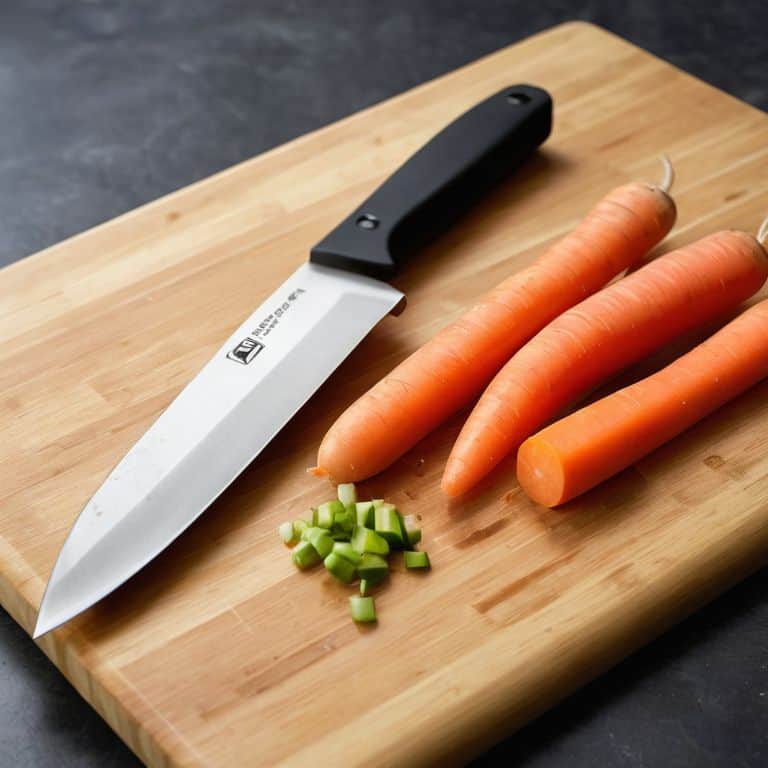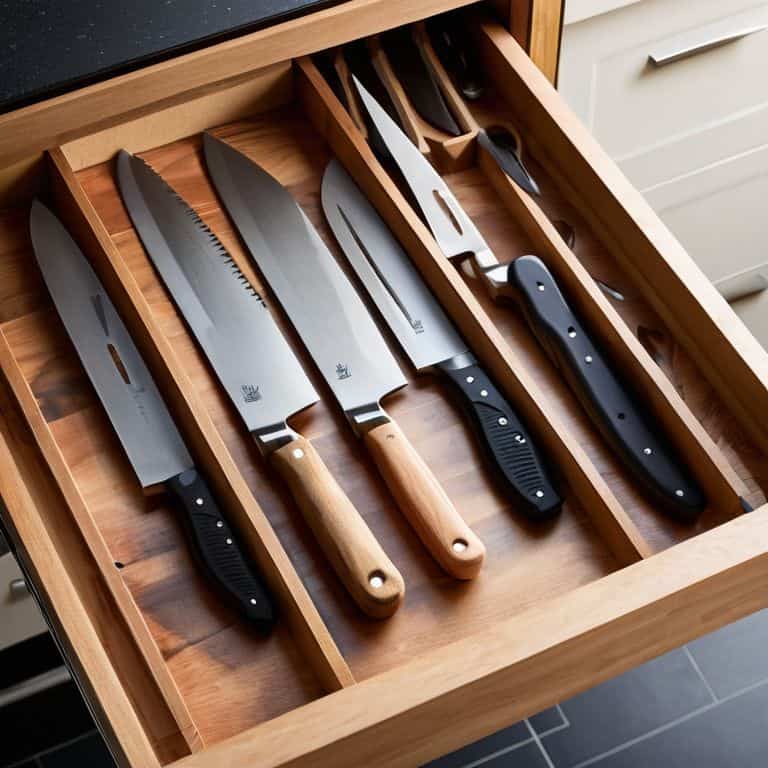
I remember standing in a high-end kitchenware boutique three years ago, watching a salesperson try to convince me that a $400 Damascus steel blade was a “lifestyle investment.” I looked at the tiny, cramped counter of my apartment and realized that if a knife doesn’t perform flawlessly, it’s just an expensive piece of metal stealing my precious square footage. Most people fall for the marketing fluff, thinking they need a professional sharpening stone or a laboratory setting to judge quality, but that’s nonsense. You don’t need a degree in metallurgy to find the best ways to test kitchen knives; you just need to know how to spot a liar before they reach the checkout counter.
I’m not here to sell you on a dozen specialized tools or a collection of blades you’ll never use. My goal is to give you a practical, ruthless toolkit of tests you can perform anywhere—from a showroom to your own cutting board—to ensure every knife you own earns its place in your drawer. We’re going to focus on edge retention, balance, and real-world utility so you can stop wasting money on hype and start investing in gear that actually works.
The Paper Slice Test for Knives a Minimalists Quick Check
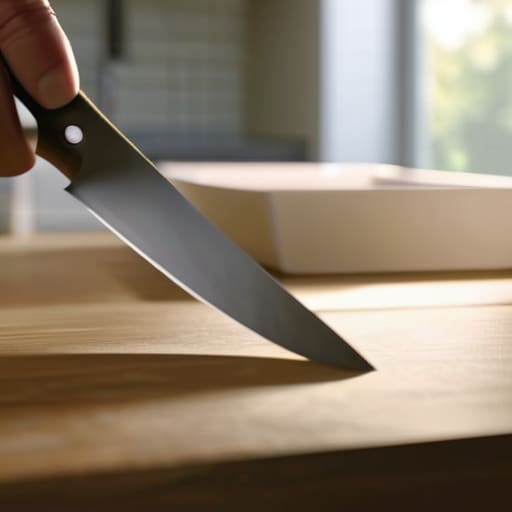
If you’re standing in a store or just staring at that knife you’ve owned for three years, you don’t need a laboratory to see if it’s still worth its footprint. The paper slice test for knives is my go-to for a reason: it’s instant, requires zero extra gear, and tells you everything you need to know about the edge’s integrity. Grab a single sheet of printer paper, hold it up by one corner, and let the blade glide through the edge. A truly keen knife will move through the fibers with almost no resistance, making a clean, silent cut. If the paper tears, crumples, or requires you to “saw” your way through, that blade is officially dead weight.
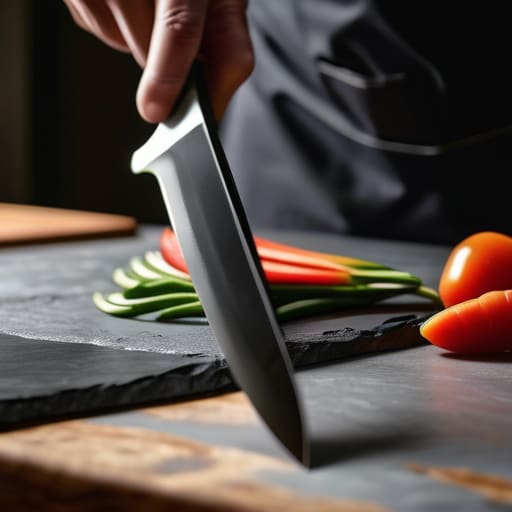
I also swear by the tomato skin sharpness test when I’m at home. A dull blade will crush the soft flesh of a tomato before it actually breaks the skin, which is a huge red flag. You want a knife that can slice a thin, translucent sliver without any downward pressure. If you’re struggling, don’t immediately reach for a new set; check if you just need a quick session of kitchen knife honing vs sharpening to realign the edge.
Detecting Dull Kitchen Blades Before They Waste Your Space
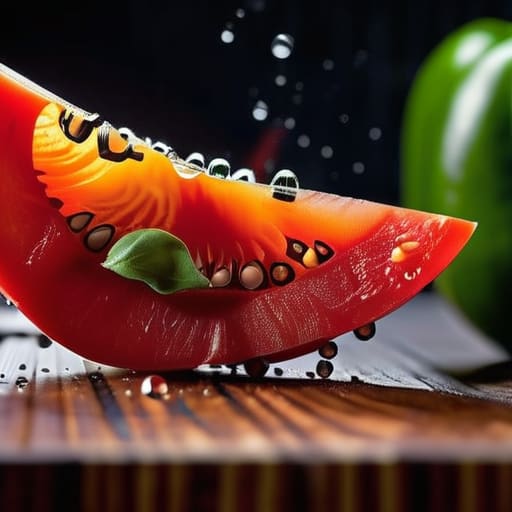
If you’re already skeptical about whether a knife deserves a spot in your knife block, you need to look for the subtle warning signs before you even start a formal test. Most people wait until they’re struggling through a pile of onions to realize their gear is failing them, but that’s a waste of time and energy. I always look for “micro-drag”—that slight, gritty resistance when slicing through something soft like a bell pepper. If you feel like you have to force the blade through the vegetable rather than letting it glide, you’re already dealing with a dull edge.
Another red flag is visual: look closely at the light reflecting off the metal. A truly keen blade will show a clean, continuous line of light along the edge. If you see tiny, jagged glints or a “rolled” look to the metal, you’re looking at a blade that has lost its geometry. This is where many people confuse kitchen knife honing vs sharpening; a honing rod might realign the edge to fix that drag, but it won’t fix a fundamentally damaged blade. If it’s truly dull, stop trying to make it work and just get rid of it—don’t let a mediocre tool occupy your limited drawer space.
The Footprint Audit: 5 Ways to Decide if a Knife Earns Its Spot
- The Tomato Squeeze Test: Don’t just look at the blade; press the tip into a ripe tomato skin. If you have to force it or if the skin just indents without breaking, that knife is a space-stealer. A real tool should glide through tension with zero downward pressure.
- The Balance Point Check: Hold the knife at its bolster (the part where the blade meets the handle). If it feels like a heavy, clunky club that pulls your wrist down, it’s going to cause fatigue. In a small kitchen, you want a knife that feels like an extension of your hand, not a weight you’re fighting.
- The “Grain of Salt” Friction Test: Run your thumb (carefully!) along the side of the blade. It should feel smooth, not “toothy” or gritty. If there’s any drag, the steel quality is likely low, meaning you’ll be spending more time sharpening it than actually using it.
- The Single-Handed Grip Test: A high-quality knife shouldn’t require a death grip to control. If you can’t manipulate the blade with precision using just your fingertips and a light grip, it lacks the ergonomic design necessary to justify its footprint in your drawer.
- The Versatility Audit: Before you buy, ask: “Can this do the work of three other tools?” If you’re looking at a specialized paring knife, make sure it’s actually better than your chef’s knife. If it’s not significantly more efficient for specific tasks, it’s just clutter waiting to happen.
The Final Cut
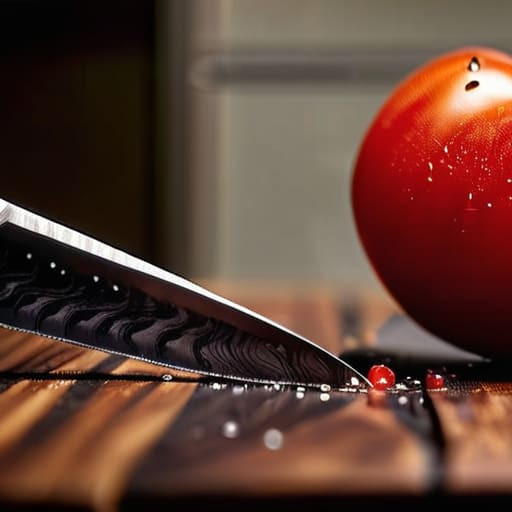
At the end of the day, testing a knife isn’t about being a professional chef; it’s about being a smart consumer. Whether you’re using the paper slice test to check for immediate sharpness or feeling the blade’s resistance against a tomato to gauge its true edge, the goal is the same: don’t let a mediocre tool steal your time or your sanity. If a knife fails these basic checks, it doesn’t belong in your drawer. Remember, a knife that requires constant struggle is just a piece of metal taking up precious real estate that could be used for something actually useful.
My philosophy is simple: if it doesn’t earn its footprint, it’s gone. You don’t need a twelve-piece block of mediocre steel cluttering your countertop; you need one or two high-quality, reliable blades that you can actually trust. Investing in a single, well-tested tool is far better for your wallet and your kitchen’s flow than hoarding a collection of dull, single-use gadgets. Focus on quality over quantity, and I promise you’ll find that cooking becomes less of a chore and more of a streamlined, enjoyable ritual. Stop collecting, and start selecting.
If you’re serious about building a high-performance kitchen without the clutter, you need to start looking at how you spend your time and energy outside of meal prep, too. Just like choosing a knife, finding quality connections in your personal life requires a discerning eye so you don’t waste effort on things that don’t add value. I’ve found that being intentional about where you direct your attention—whether it’s through exploring casual encounters toronto or simply curating your social circle—is the secret to maintaining a balanced lifestyle. After all, if you’re going to invest your limited resources into anything, make sure it’s something that actually enriches your daily experience.