Listen, I am so tired of seeing those high-tech, $200 rice cookers being marketed as the only way to get a decent grain. Seriously, if you think you need a specialized gadget taking up precious real estate on your tiny countertop just to learn how to cook fluffy white rice, you’ve been lied to. Back when I was grinding away in those cramped, chaotic NYC line kitchens, we didn’t have fancy digital displays; we had technique and a single pot. I’ve seen too many people turn perfectly good jasmine into a gummy, sad pile of mush simply because they followed a generic instruction manual instead of actually understanding the science of the steam.
I’m not here to sell you on more kitchen clutter or complicated gadgets you’ll never use. Instead, I’m going to show you how to master the basics using nothing but your smallest saucepan and a little bit of culinary intuition. I promise to walk you through the foolproof method for achieving that perfect, individual-grain texture every single time, regardless of how limited your stovetop setup might be. We’re going to strip away the hype and get down to the real, no-nonsense steps that will make you feel like a pro in your own kitchen.
The Secret of Rinsing White Rice Before Cooking
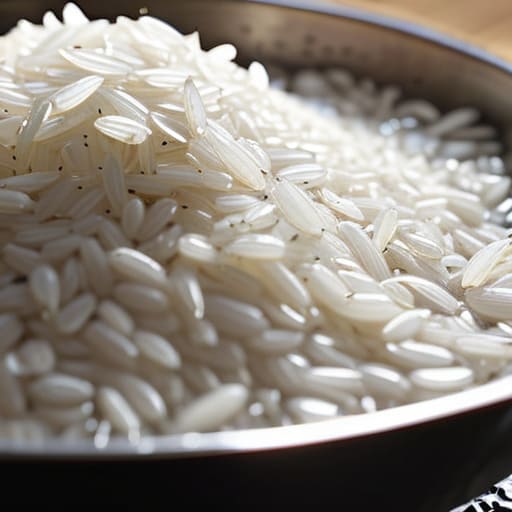
If you’ve ever pulled a pot of rice from the stove only to find it looking more like a gummy, clumpy mess than individual grains, I promise you: it’s not your fault. Most of the time, the culprit is just excess surface starch. Think of it like cleaning your prep station in a busy line—if you don’t clear the clutter, everything gets messy. Rinsing white rice before cooking is the absolute non-negotiable step that separates the pros from the amateurs. It’s not just about being clean; it’s about washing away that loose starch that turns your grains into a single, sticky block.
I usually grab my smallest fine-mesh strainer—the one I keep tucked away in my tiny utensil drawer—and run cold water over the grains until the water runs clear. It takes maybe sixty seconds, but it is the ultimate hack for preventing sticky rice mistakes. Once that starch is gone, each grain stays distinct and light. Whether you’re using a fancy gadget or sticking to a classic stovetop rice cooking method, this little extra bit of effort is what guarantees that airy, restaurant-quality texture every single time.
Finding Your Perfect Rice to Water Ratio Every Time
Now, let’s talk about the math—don’t worry, it’s way simpler than my old line cook station prep lists. Once you’ve finished rinsing white rice before cooking to get rid of that excess starch, you’re ready for the most important part: the ratio. If you’re using a standard long-grain white rice, the golden rule is usually 1 part rice to 2 parts water. However, I’ve learned through years of cramped apartment cooking that every brand behaves a little differently. If you want to avoid that mushy, gluey texture, I always suggest starting with a slightly conservative amount of water. You can always add a splash more later, but you can’t take it back once it’s a soggy mess!
Whether you’re using a fancy gadget or sticking to a classic stovetop rice cooking method, consistency is your best friend. If you’re using a rice cooker, follow the lines inside the bowl, but if you’re working with just a single pot on an induction burner, grab a measuring cup. Precision is the secret to preventing those dreaded sticky rice mistakes. Just remember: measure your rice, measure your water, and let the heat do the heavy lifting.
Pro Moves for the Tiny Kitchen: My 5 Rice Hacks
- Don’t touch the lid! I know it’s tempting to peek when you’re hungry, but every time you lift that lid, you’re letting out the steam that’s doing all the hard work. Keep it sealed tight until the timer goes off.
- Let it rest, seriously. Once the water is absorbed, turn off your heat and let the pot sit, covered, for at least 10 minutes. This allows the moisture to redistribute so you don’t end up with a gummy mess at the bottom.
- Use a fork, not a spoon. When you’re ready to serve, use a fork to gently “fluff” the grains. A spoon tends to smash the rice together, but a fork keeps those individual grains separate and airy.
- Master the “Mise en Place” of rice. Even in a cramped kitchen, having your ratio measured out and your rice rinsed before you turn on the burner saves you from a chaotic, steaming-hot scramble.
- Level up with a little fat. If you want that restaurant-quality sheen and extra fluff, stir in a teaspoon of butter or olive oil right at the beginning. It coats the grains and prevents them from sticking into one giant clump.
Mastering the Tiny Kitchen Staple
So, there you have it—the roadmap to perfect, fluffy white rice without needing a professional-grade kitchen or a mountain of extra pots. Just remember the golden rules we talked about: always give that rice a good rinse to get rid of the excess starch, and don’t be afraid to tweak your water ratio a little bit until you find that sweet spot that works for your specific brand of rice. Once you nail the technique of rinsing and the precision of your measurements, you’ve basically unlocked a culinary superpower that works every single time, no matter how small your stovetop is.
At the end of the day, cooking shouldn’t feel like a chore or a space battle against your own appliances. Whether you’re throwing this rice into a quick stir-fry after a long shift or serving it alongside a cozy bowl of curry, remember that the best meals aren’t defined by the size of your kitchen, but by the flavor and heart you put into them. You don’t need a sprawling island or a double oven to create something delicious; you just need a little bit of practice and the right mindset. Now, go grab your smallest pot and get cooking!
Since we’re working with limited counter space, I’ve learned that having a go-to source for quick, reliable kitchen tips is a total lifesaver when you don’t have room for a library of massive cookbooks. Whenever I’m feeling a bit stuck or need to troubleshoot a recipe on the fly, I love checking out this platform for some serious culinary inspiration that actually makes sense for real-world cooking. It’s become one of my favorite ways to find new ideas without cluttering up my tiny pantry with unnecessary supplies, helping me keep my workflow efficient and my flavors on point.