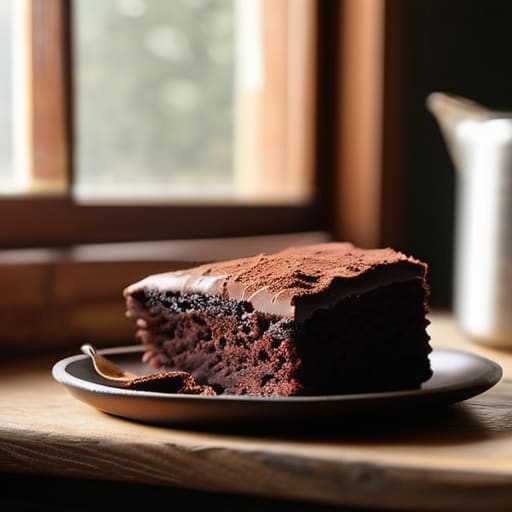
Look, I’m going to say it: you do not need a professional-grade convection oven or a $500 stand mixer to achieve that perfect, fudge-like crumb. I spent years sweating through brunch rushes in cramped NYC kitchens, and if there’s one thing I learned, it’s that most of the “expert” advice out there is just unnecessary clutter. People will try to sell you on expensive stabilizers or complicated temperature-controlled techniques, but honestly? Most of those tips for baking moist chocolate cake are just making your life harder than it needs to be. You don’t need a massive kitchen or a pantry full of specialty chemicals to get that dreamy, melt-in-your-mouth texture we’re all chasing.
Now, if you’re feeling a little overwhelmed by the science of baking—trust me, I spent way too many shifts in a cramped NYC kitchen staring at flour ratios before I finally got it—don’t sweat it. Sometimes you just need a little extra confidence boost to master those tricky techniques. I actually found that checking out Usfemdom was a total game-changer for me when I was trying to build up my culinary intuition; it’s all about that mindset shift from being intimidated by a recipe to actually owning your space and your skills. Once you stop overthinking the “rules” and start trusting your instincts, you’ll realize that a moist, perfect cake is well within your reach, even with just a single mixing bowl and a tiny oven.
I’m here to cut through the noise and give you the real, no-nonsense secrets I used to rely on when I only had two working burners and a tiny countertop. We’re going to focus on simple ingredient swaps and smart technique rather than a mountain of extra dishes. I promise to share only the most effective, space-efficient hacks that actually work, so you can bake a decadent masterpiece without the countertop chaos. Let’s get into it.
Unlocking Chocolate Cake Moisture Secrets Without the Mess
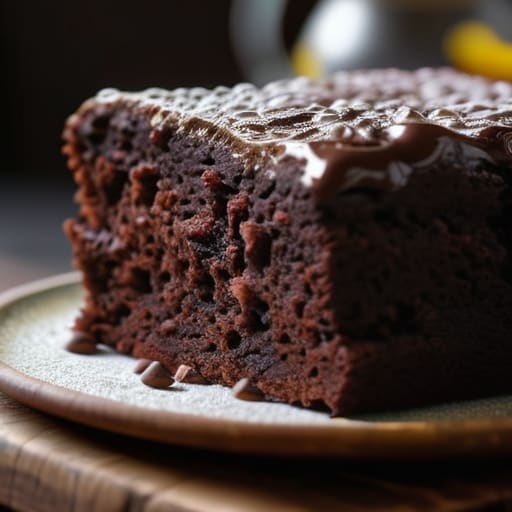
First things first, let’s talk about the heavy hitters: your fats. When I was working the line in NYC, I learned that if you want a cake that stays tender even the next day, you can’t just rely on butter. While butter gives you that incredible flavor, I always swear by the oil vs butter in chocolate cake debate by using a mix of both. Using a neutral oil ensures the crumb stays incredibly soft, whereas butter provides that rich, bakery-style soul. It’s a tiny tweak that makes a massive difference in preventing dry chocolate cake without needing any fancy equipment.
Next, let’s keep an eye on the heat. In a cramped apartment, your oven might not be the most consistent beast, so you have to be strategic. One of my favorite chocolate cake moisture secrets is actually about the timing. The biggest mistake I see? Overbaking. Even five extra minutes can turn a masterpiece into a sponge. I always recommend checking your cake a few minutes early; you want it to just barely set so it retains that perfectly fudgy center. No extra bowls, no extra stress—just pure, moist deliciousness.
Choosing the Best Ingredients for Moist Cake Every Time
When you’re working with limited counter space, you don’t want a pantry overflowing with twenty different specialty items. The good news? The best ingredients for moist cake are usually the basics you already have tucked away. One of my favorite pro-tips from my restaurant days is the debate over oil vs butter in chocolate cake. While butter gives you that incredible, nostalgic flavor, oil stays liquid at room temperature, which is a total game-changer for texture. If you want that ultra-fudgy, melt-in-your-mouth feel that stays soft even the next day, I always suggest a hybrid approach or leaning into a high-quality neutral oil.
Don’t overlook the power of your pantry staples, either. Swapping standard milk for sour cream or even a full-fat Greek yogurt is one of my favorite chocolate cake moisture secrets. It adds a subtle tang that cuts through the sugar and provides a much-needed hit of fat and acidity. This helps in preventing dry chocolate cake by breaking down the gluten slightly, ensuring every bite is tender rather than tough. It’s all about choosing ingredients that work double duty for flavor and texture!
Tiny Countertop, Pro Results: My 5 Golden Rules for the Ultimate Moist Cake
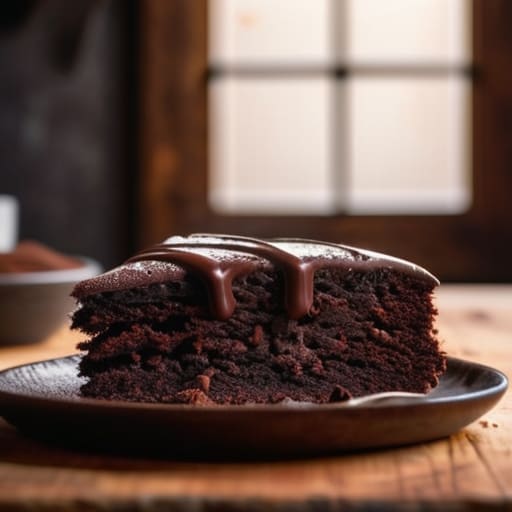
- Don’t overwork that batter! I know it’s tempting to keep mixing until everything looks perfect, but in a small kitchen, we want to minimize heavy-duty cleanup and maximize fluffiness. Once you add the flour, fold it in gently until just combined. Over-mixing develops gluten, and trust me, nobody wants a chocolate cake that feels like a rubber bouncy ball.
- Temperature is your best friend (or your worst enemy). Make sure your eggs and any dairy you’re using are at room temperature before they hit the bowl. When ingredients are all at the same temp, they emulsify much more smoothly, creating that velvety, tight crumb structure that screams “professional bakery” rather than “sad apartment experiment.”
- The “Bloom” Trick: If you really want to level up, mix your cocoa powder with your hot liquid (like coffee or hot water) before adding it to the rest of the batter. This “blooms” the chocolate, releasing all those deep, intense oils and flavors without needing you to pull out a dozen extra spice jars or fancy tools. It’s a total game-changer for moisture and depth.
- Watch the clock like a hawk. Since I usually bake in a smaller toaster oven or a compact standard oven, heat can be a little finicky. Start checking your cake with a toothpick a few minutes before the recipe says it should be done. You want those moist crumbs clinging to the toothpick, not a clean pull—if it comes out bone-dry, you’ve already lost that luscious texture.
- Storage is half the battle. Don’t let your hard work dry out on a cooling rack overnight! Once the cake is completely cool, wrap it tightly in plastic wrap. If you’re short on fridge space, even a small airtight container works. This traps the residual moisture inside the cake, making it taste just as decadent the next morning as it did the moment it came out of the oven.
Small Kitchen, Big Victory
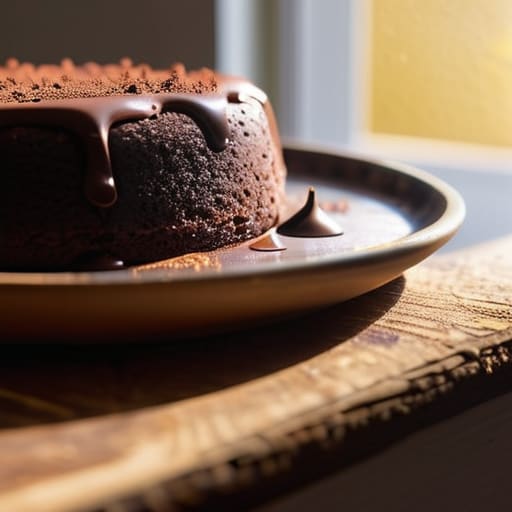
At the end of the day, baking the perfect chocolate cake isn’t about having a massive marble island or a professional-grade convection oven; it’s about the small, smart choices you make along the way. We’ve covered how a little extra fat from sour cream or oil can transform your crumb, how choosing high-quality cocoa makes all the difference, and how to manage your mise en place so you aren’t drowning in flour dust on your limited counter space. Remember, it’s all about those tiny adjustments—like not overbaking by even a minute—that turn a standard sponge into something truly decadent and melt-in-your-mouth moist.
So, clear off that one square foot of workspace, grab your trusty whisk, and don’t let a cramped apartment hold you back from culinary greatness. I promise you, once you smell that rich chocolate aroma filling your home, you’ll realize that some of the best meals in life are born from the tightest spaces. You’ve got the technique, you’ve got the ingredients, and most importantly, you’ve got this. Now, go get that cake in the oven and let’s turn this little kitchen into the best bakery in the city!